My Dog Ate a Diaper: Emergency Steps From a Vet
If your dog ate a diaper, call a veterinarian now rather than waiting for symptoms. Learn what information to gather, the signs of an obstruction, and what treatment may involve.

BVMS MRCVS
Medically reviewed by Dr. Pippa Elliott, BVMS MRCVS · Last reviewed

This article contains affiliate links. Webvet may earn a commission when you buy through them, at no extra cost to you.
If your dog ate a diaper, call your veterinarian or the nearest emergency veterinary hospital now, even if your dog seems normal. A swallowed diaper can expand, bunch, or lodge in the stomach or intestines. Early veterinary advice matters because treatment options can change as the material moves through the digestive tract.
Remove access to the remaining diaper, keep the packaging and any pieces you can safely collect, and estimate when the ingestion occurred. Do not induce vomiting or give food, oil, peroxide, salt, or another home remedy unless a veterinarian who understands this specific case directs you to do so.
Immediate steps if your dog ate a diaper
What should you do if your dog eats a diaper? Begin with a veterinary call, not a wait-and-see test. The clinician will weigh the dog's size, the missing amount, diaper material, time since exposure, symptoms, and medical history. A large dog that swallowed a small piece is not automatically safe, and a dog acting fine can still have material in the stomach.
- Move the dog away from the diaper pail, changing area, wipes, creams, and loose fragments so no additional material is swallowed.
- Check breathing and the mouth only if it is safe. Do not reach blindly into the throat or pull material that is firmly lodged.
- Call your regular veterinarian or emergency clinic immediately. State the time, product type, estimated missing amount, and whether the diaper was clean or used.
- Follow the clinic's travel and feeding instructions. Do not offer a meal to push the material through because food may complicate examination or a procedure.
- Bring packaging, a matching unused diaper, remaining pieces, and information about wipes or creams that may also be missing.

If your dog ate a diaper and is vomiting, treat that as urgent. Vomiting, repeated unproductive retching, abdominal pain, a hunched posture, marked lethargy, reduced appetite, or inability to keep water down can occur with gastrointestinal obstruction. A dog who is weak, collapsed, or having trouble breathing needs emergency care without delay.
If the dog ate a diaper but is acting fine, still call. Some foreign-body problems are not immediately visible. A clinician may recommend examination, imaging, removal, or structured home monitoring depending on the exact exposure. Internet anecdotes cannot establish that your dog's amount, material, or anatomy is low risk.
The Merck Veterinary Manual overview of gastrointestinal obstruction describes foreign-body obstruction as an emergency that can cause vomiting, appetite loss, lethargy, abdominal pain, and sometimes diarrhea. These signs overlap with many conditions, so absence of one sign does not clear the dog.
Do not induce vomiting unless a veterinarian directs it
Trying to make a dog vomit can create additional harm. The material may lodge in the esophagus, be inhaled into the lungs, or injure the throat. Vomiting may also be unsafe for dogs with breathing problems, altered consciousness, prior surgery, or certain swallowed substances.
The ASPCA guidance on inducing vomiting advises contacting a veterinary professional for case-specific instructions before attempting it. A veterinarian may sometimes choose medically supervised vomiting when timing and material make it appropriate, but that is a clinical decision, not a universal diaper-ingestion step.
- Do not give hydrogen peroxide unless a veterinarian provides an exact instruction for this dog.
- Do not use salt, mustard, oil, butter, milk, bread, or bulky food to force vomiting or push the object onward.
- Do not pull string, elastic, fabric, or diaper material protruding from the mouth or rectum because internal tissue may be involved.
- Do not delay a veterinary call while searching for a home method.
What to tell the veterinarian during the call
A compact evidence inventory helps the clinic triage the case. Be honest about uncertainty. Saying that between one-quarter and one-half of a diaper is missing is more useful than claiming it was only a bite when you do not know. If several products were accessible, name all of them.
- 1Time: when the dog was last seen without access and when the damaged diaper was found.
- 2Amount: the largest possible missing portion, including tabs, elastic, lining, and absorbent core.
- 3Material: disposable diaper, cloth diaper, pet diaper, wipe, liner, cream, packaging, or mixed exposure.
- 4Symptoms: vomiting, retching, drooling, appetite change, pain, lethargy, diarrhea, coughing, or breathing difficulty.

Also report the dog's approximate weight, age, breed, current medications, known gastrointestinal disease, and prior foreign-body surgery. Tell the veterinarian whether the dog swallowed the item whole, shredded it, or chewed it into pieces. A photo of the damaged item can help when bringing it to the clinic is impractical.
If the diaper was used, describe whether it contained urine, stool, cream, powder, medication, or a liner. Do not focus so narrowly on the diaper that a missing wipe packet, ointment tube, plastic wrapper, or fastener is overlooked. Each component can change the risk assessment.
Use an evidence checklist: the dog's weight and age, time of ingestion, clean or used diaper, disposable or reusable construction, missing amount, intact pieces versus shredded material, wipes or cream involved, current medications, prior obstruction or surgery, and every symptom. Photos of the product and remaining pieces can help the clinician judge risk.
Why the type and amount of diaper matter
Disposable and reusable diapers create different mechanical concerns, but neither is safe to swallow. Disposable products can contain plastic film, elastic, adhesive tabs, absorbent fibers, and superabsorbent polymer. Cloth diapers can fold, bunch, fray, or include snaps and hook-and-loop fasteners. Pet diapers and human diapers also differ in shape, but both can behave as gastrointestinal foreign bodies.
| Exposure | Main concern to report | What to bring or photograph |
|---|---|---|
| Disposable diaper | Expanding absorbent core, plastic film, elastic, and tabs | Package, matching unused diaper, and damaged remainder |
| Cloth or reusable diaper | Bulky fabric, elastic, snaps, fasteners, or liner | Matching garment and estimate of missing fabric |
| Used diaper | Foreign body plus urine, stool, cream, or medication exposure | Product details without handling waste unnecessarily |
| Diaper wipe | Non-digestible sheet and ingredients from the package | Wipe package and count of missing sheets |
| Diaper rash cream | Ingredient-specific exposure and swallowed tube or cap | Entire labeled container and estimated missing amount |
When a dog ate part of a diaper, the missing amount may be hard to judge because absorbent material tears into light pieces. Compare the damaged item with an unused one from the same package. Count missing tabs and elastic sections, and look for the plastic outer film rather than assuming only soft filling was swallowed.
If your dog ate the inside of a diaper, do not assume that the gel alone is the whole exposure. Fibers, film, adhesive, and small plastic pieces may be mixed with it. The clinician needs the broadest plausible inventory, not a guess about which layer the dog selected.
Obstruction is usually the bigger risk than toxicity
Can diapers be toxic to dogs? Product ingredients can matter, especially when wipes, creams, medication, or packaging are involved, but the major concern with swallowed diaper material is often physical obstruction. Material that does not pass can block normal movement of food and fluid, compromise the intestinal wall, and require urgent removal.
The word nontoxic on a household product does not mean safe to swallow. A mechanically obstructing material can be dangerous without acting as a poison. Conversely, a small amount of cream may create ingredient-specific concerns even when little fabric is missing. That is why the clinic needs both the product identity and the estimated amount.
Warning signs of a possible obstruction
- Repeated vomiting or retching, especially after drinking.
- Loss of appetite or refusal of normally valued food.
- Marked lethargy, weakness, hiding, or inability to settle.
- A tense, enlarged, or painful abdomen and a hunched posture.
- Drooling, lip licking, repeated swallowing, or obvious nausea.
- Straining, reduced stool, diarrhea, or a sudden change in bowel movements.
- Dehydration, pale gums, collapse, or worsening condition.
Read dog vomiting and diarrhea warning signs for broader symptom context, but do not use another article to delay the emergency call after known diaper ingestion.
 $65 · no membership
Have a health question about your dog?
A licensed vet can assess your dog over video and prescribe online when it's appropriate.
 Talk to a vet
- Licensed vets
- All 50 states
- same-day Rx
Webvet may earn a commission if you book.
Why symptoms can be delayed after diaper ingestion
How quickly does toxicity show in dogs? There is no dependable timetable for a mixed diaper exposure. Irritation, choking, or ingredient effects may appear quickly, while obstruction signs can develop later as material moves, absorbs fluid, folds, or lodges. The dog may eat, play, or pass one stool before a problem becomes obvious.
A symptom-free interval does not prove the diaper has passed. Follow only the monitoring plan given by the veterinarian. If the clinic asks you to watch at home, clarify which signs require an immediate return, whether food should be offered, and when the dog should be rechecked.
Do not rely on seeing fragments in stool as the only endpoint. Material can pass in pieces while another portion remains. Never pull visible cloth, string, elastic, or plastic from the rectum. Call the clinic and describe what you see.
Used diapers add bacteria and product exposure
If your dog ate a poopy diaper, dirty diaper, pee diaper, or used dog diaper, the foreign-body risk still comes first. Stool and urine also introduce biological material, and the diaper may carry creams, powders, medications, cleaning products, or wipes. Tell the veterinarian exactly what the diaper contained.
Do not intentionally handle or reconstruct a heavily soiled item more than necessary. Use a photo, product package, and the clean remainder to estimate what is missing. Wash your hands after securing the area, and keep children and other pets away from the waste.
If the dog ate poop out of a diaper but appears not to have swallowed the diaper itself, call for advice because contaminated material and any topical products still matter. If any fabric, film, elastic, tab, or liner is missing, report a possible foreign body as well.
What if your dog ate a wipe or diaper cream?
A diaper wipe is a non-digestible sheet and may contain cleansers, preservatives, or fragrance ingredients. Report the brand, number of missing wipes, package ingredients, and whether plastic packaging was chewed. Do not assume a wipe will dissolve because it feels soft.
If your dog ate a tube of diaper rash cream, bring the entire container. The cream's ingredients, the tube material, and the cap are separate concerns. Do not estimate risk from one familiar ingredient because formulations vary and swallowed packaging may itself become a foreign body.
Your veterinarian may direct you to an animal poison service for ingredient-specific evaluation. Have the product label, dog weight, estimated amount, time, and symptoms ready. If the dog is already vomiting, weak, painful, or having breathing trouble, travel to emergency care while following the clinic's instructions.
What the veterinarian may do
The examination may include the mouth, hydration, temperature, heart and breathing rates, and abdominal palpation. Depending on timing and findings, VCA's foreign-body ingestion overview notes that diagnosis can involve radiographs or ultrasound and that removal may require endoscopy or surgery.
Some soft diaper materials do not show clearly on a plain radiograph. Imaging can still reveal patterns such as abnormal gas or intestinal dilation, and ultrasound may provide different information. A normal-looking dog or an inconclusive first image does not replace the veterinarian's follow-up plan.
When the material is still accessible in the upper digestive tract, a veterinarian may consider supervised removal. When obstruction, tissue damage, or a progressing foreign body is suspected, surgery may be necessary. Prognosis depends on the material, location, duration, complications, and the dog's overall health.
If the veterinarian recommends home monitoring
Home monitoring is appropriate only when the veterinarian chooses it for the specific exposure. Before ending the call or leaving the clinic, ask for written instructions. Clarify whether the dog may eat and drink normally, which medications may be given, when a recheck is due, and exactly which changes mean you should travel to emergency care.
- Record every meal, drink, episode of vomiting or retching, bowel movement, and change in energy.
- Check the dog at the frequency the clinic recommends, including overnight if instructed.
- Keep exercise calm and controlled so pain, weakness, or repeated attempts to defecate are easier to notice.
- Do not give laxatives, fiber, oil, bulky food, or medication unless the veterinarian approves the exact product and dose.
- Return immediately for repeated vomiting, inability to keep water down, abdominal pain, collapse, marked lethargy, breathing difficulty, or rapid worsening.
A dog may pass stool without passing all diaper material. Photograph anything unusual rather than pulling or dissecting it by hand, and call the clinic if fabric, elastic, plastic, blood, or a long strand is visible. Never pull material protruding from the rectum because tension may injure internal tissue.
If the dog seems quieter but not obviously ill, treat that change as information rather than reassurance. Dogs can show abdominal discomfort by stretching repeatedly, guarding the belly, refusing to lie in a usual position, following the caregiver unusually closely, or withdrawing from interaction.
Puppies, small dogs, and uncertain amounts
A puppy or small dog has less gastrointestinal space, but body size alone cannot predict whether a fragment will lodge. Puppies also chew quickly and may swallow mixed pieces of diaper, packaging, wipe, and cream before anyone notices. Report the maximum plausible amount and all accessible products.
When the amount is uncertain, reconstruct the scene without delaying care. Count intact diapers, compare the damaged item with a matching unused one, check whether tabs and elastic are present, and look for chewed packaging. Do not spend time searching the entire home while the veterinary call waits.
If more than one dog had access, do not assume the dog with visible scraps on the mouth swallowed everything. Tell the clinic each dog's size and what was observed. The veterinarian can advise whether one or more dogs need examination based on the shared uncertainty.
Recovery after removal or surgery
After endoscopic or surgical removal, follow the discharge instructions exactly. Activity restriction, feeding, medication, incision care, and recheck timing vary with the procedure and complications. Prevent access to diapers during recovery because another ingestion could be especially dangerous. If the veterinarian specifically wants nonabsorbent body coverage during recovery, the Suitical Recovery Suit for Dogs is a separate garment to discuss; it does not replace incision instructions or supervision.
- Give only prescribed or veterinarian-approved medication at the stated dose and schedule.
- Use the recommended food and meal size; do not add treats or supplements without approval.
- Keep an Elizabethan collar or recovery garment in place if directed.
- Check the incision without pressing it and report swelling, discharge, opening, or increasing pain.
- Call for vomiting, refusal of food or water, worsening lethargy, abdominal swelling, or any concern listed in the discharge plan.
The prevention conversation should include the dog's reason for scavenging and the home's storage weaknesses. A secure bin matters, but so do boredom, anxiety, hunger, household transitions, and repeated nonfood eating. Ask for behavior support when access control alone is not enough.
Webvet may earn a commission when you click through to Chewy, at no extra cost to you.
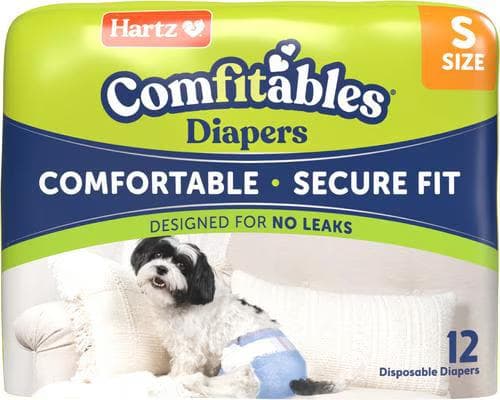
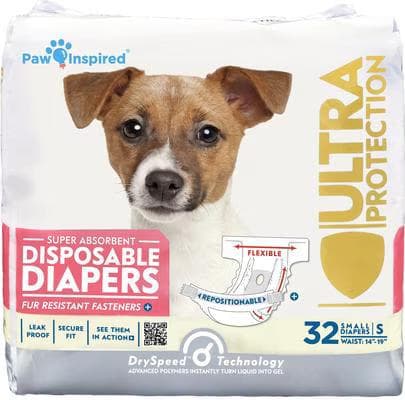
After the emergency response and veterinary plan are settled, replacement supplies such as Hartz Comfitables Male & Female Dog Diapers and Paw Inspired Ultra Protection Disposable Female Dog Diapers still need secure storage before and after use. Count pieces when practical, use a lidded bin, and do not leave packages where the dog can reach them.
If the veterinarian recommends body coverage after a procedure, a Suitical Recovery Suit for Dogs is one recovery garment to evaluate by exact size and wound location. It is not a diaper, ingestion treatment, or substitute for an e-collar when the veterinary team specifies one, and it should be used only within the written recovery plan.
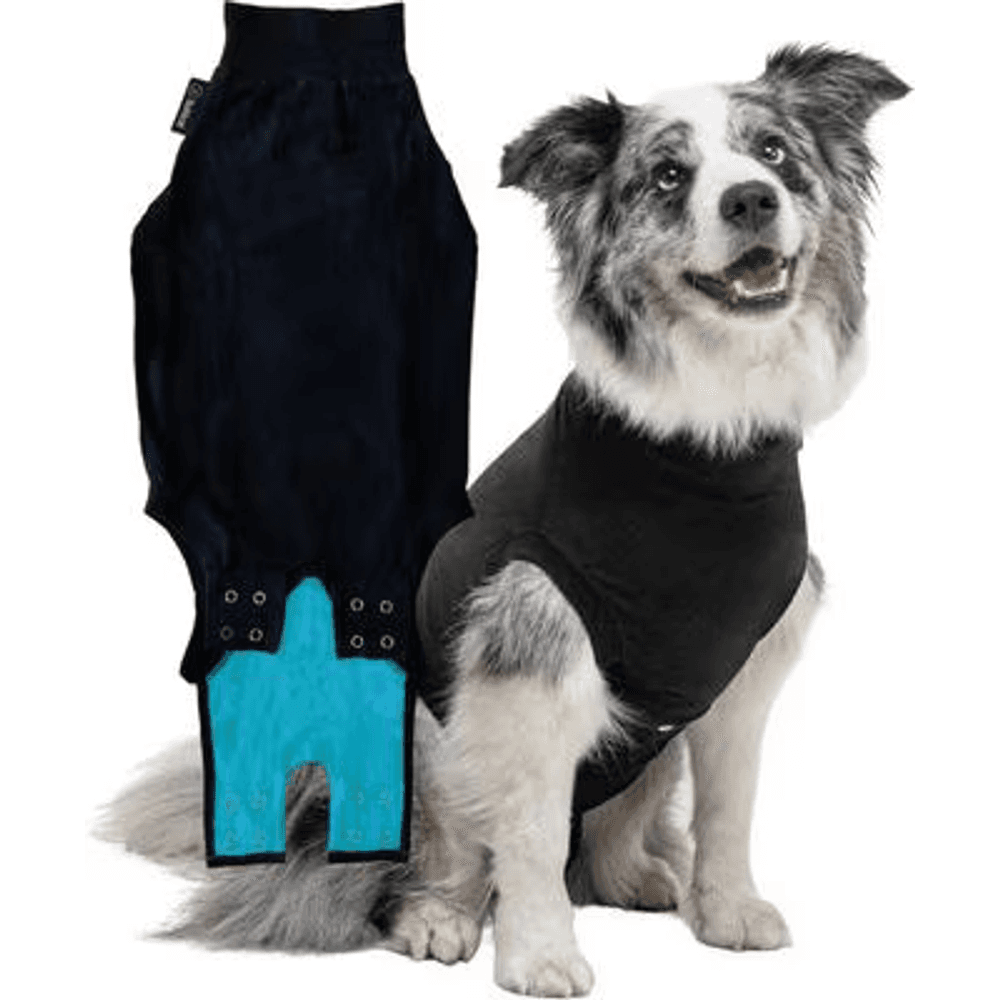
A breathable full-body recovery suit that covers a spay or abdominal incision, the vet-recommended cone alternative that lets a dog rest, walk, and go potty normally without licking or scratching the wound.
Webvet may earn a commission when you click through to Chewy, at no extra cost to you.
Why dogs raid diapers and diaper pails
Why do dogs love eating diapers? Used diapers can carry strong food-like or biological odors, while clean diapers, wipes, and liners offer chewable textures. Curiosity, scavenging history, boredom, anxiety, hunger, and easy access can all contribute. The behavior does not mean the material is safe or that the dog can judge which parts will pass.
Prevention should focus first on physical access. Training cues such as leave it and drop it are useful backups, but they should not be the only barrier around a high-value waste bin. Dogs can raid a pail when nobody is present, when guests leave a door open, or when a routine changes.
Webvet may earn a commission when you click through to Chewy, at no extra cost to you.
How to prevent another diaper ingestion
Only after the urgent medical plan is settled should you review products and storage. Use a latching bin inside a closed cabinet or behind a dog-proof door. Empty it before it overfills, store clean diapers and liners above reach, and keep wipes, creams, and packaging in a separate secured container. When replacing secured supplies, compare the current sizing and package details for Hartz Comfitables Male & Female Dog Diapers, then store the entire package behind the same physical barrier.

A Paw Inspired Washable Dog Pee Pad or Pet Parents Pawtect Waterproof Dog Blanket can protect a supervised recovery or rest area without placing another loose diaper on the dog. Store every fabric item and any soiled laundry beyond the dog's reach if chewing continues.
- Supervise every diaper change and place the used item directly into the secured bin.
- Count reusable diapers and liners so a missing item is noticed promptly.
- Close bathroom, nursery, laundry-room, and pet-care-area doors when they are unattended.
- Provide appropriate chewing and food-search activities away from the diaper station.
- Ask a veterinarian about sudden scavenging, compulsive eating, or repeated nonfood ingestion.
The broader dog diapers guide covers safe wear and changing. The reusable versus disposable dog diapers comparison can help you design a system that is easier to count, store, wash, and discard securely.
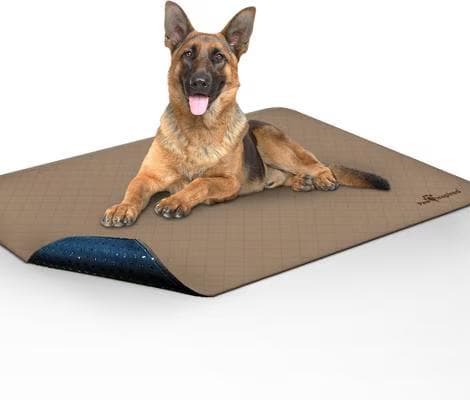
Webvet may earn a commission when you click through to Chewy, at no extra cost to you.
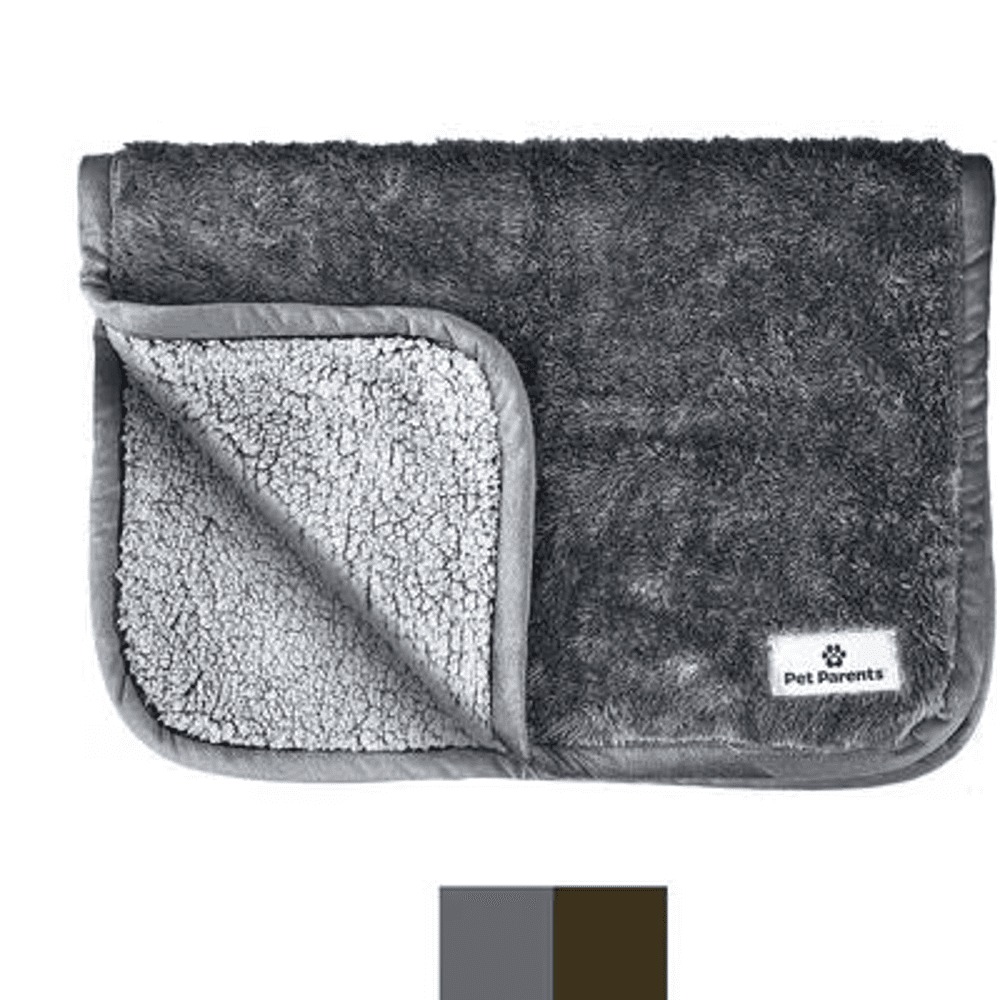
A plush, waterproof sherpa blanket that gives a cold or shivering dog a warm, cozy layer to curl into. The hidden waterproof lining protects the bed, couch, or car seat, and the whole thing is machine washable.
Webvet may earn a commission when you click through to Chewy, at no extra cost to you.
No article can determine whether an individual dog will be okay after swallowing a diaper. The safest next action is immediate case-specific veterinary advice, followed by the examination, imaging, removal, or monitoring plan the clinician recommends.
Dog diaper ingestion questions
Frequently Asked Questions
What do I do if my dog ate a diaper?
Call a veterinarian or emergency clinic promptly with the dog's weight, the diaper type, the estimated amount, when it happened, and any symptoms. Remove remaining pieces and packaging, but do not induce vomiting or give food, oil, laxatives, or hydrogen peroxide unless the veterinarian directs it. A diaper can swell, wad, or obstruct even when the dog initially seems normal.
Is the gel in diapers toxic if eaten by dogs?
The absorbent gel is not the only concern. Plastic backing, elastic, fabric, adhesive, absorbent material, wipes, cream, urine, or stool can cause irritation, contamination, or a gastrointestinal obstruction. Product ingredients vary, so keep the package for the veterinarian. Do not wait for a toxicity sign before calling because blockage risk may be more urgent and symptoms can be delayed.
Why do dogs love eating diapers?
Dogs may raid clean or used diapers because of odor, food residue, bodily waste, novelty, texture, boredom, anxiety, or easy access to a pail. The behavior does not make the material safe. Prevention should combine secure storage, a lidded inaccessible bin, prompt disposal, supervised laundry handling, enrichment, and veterinary or behavior guidance when scavenging is repetitive.
How quickly does toxicity show in dogs?
Symptoms can begin quickly or be delayed for hours to days as material moves, swells, or lodges. Do not use a symptom-free period as proof that the dog is safe. Repeated vomiting, retching, abdominal pain, reduced appetite, lethargy, bloating, diarrhea, straining, or failure to pass stool needs urgent veterinary attention, following the monitoring plan given during the first call.
$65 · no membershipHave a health question about your dog?
A licensed vet can assess your dog over video and prescribe online when it's appropriate.
Talk to a vet- Licensed vets
- All 50 states
- same-day Rx
Webvet may earn a commission if you book.

Editor
The Webvet Editorial Team is the in-house group of pet-care editors and writers behind Webvet, operated by Smart Pet Collective. The team researches, writes, and maintains Webvet's pet health, behavior, and medication content. Every article follows a defined editorial process: research from reputable veterinary and scientific sources, careful drafting, mandatory review of medical content by a credentialed veterinarian, and dated publication. Health and medication articles are medically reviewed by a licensed veterinary professional before they go live and are kept current over time.
Veterinarian · BVMS MRCVS
Dr. Pippa Elliott, BVMS, MRCVS, is a veterinarian with nearly 30 years of experience in companion animal practice. Dr. Elliott earned her Bachelor of Veterinary Medicine and Surgery from the University of Glasgow. She was also designated a Member of the Royal College of Veterinary Surgeons. Married with 2 grown-up kids, Dr. Elliott has a naughty Puggle named Poggle, 3 cats and a bearded dragon.


