Dew Claws on Dogs: Purpose, Removal & Injury Care
A vet-reviewed guide to dew claws on dogs: what they are, front vs. rear vs. double, the removal debate, 2026 removal costs, torn-claw first aid, and how to trim them safely.

BVMS MRCVS
Medically reviewed by Dr. Pippa Elliott, BVMS MRCVS · Last reviewed

This article contains affiliate links. Webvet may earn a commission when you buy through them, at no extra cost to you.
Dew claws on dogs are the small, extra claws that sit higher up on the leg than the four main toes, roughly where a thumb would be. Almost every dog is born with them on the front legs, and some breeds also carry them on the hind legs. This guide explains what they are, whether they serve a purpose, the removal debate, real 2026 US costs, how to handle a torn dew claw, and how to trim them safely.
- 1Front dew claws are usually attached by bone and tendon and are functional; rear dew claws are often loosely attached (floating) and less useful.
- 2Routine removal is not medically necessary for most dogs; it is only clearly justified when a dew claw is injured, diseased, or dangerously loose.
- 3Puppy removal at 3 to 5 days old is cheap (often $10 to $70), but adult removal needs general anesthesia and typically runs $500 to $800 or more.
- 4Trim dew claws every 3 to 4 weeks, because they never touch the ground and cannot wear down on their own.
- 5A torn or ripped dew claw is painful and prone to infection; control bleeding, cover it, and see a vet if it is broken, dangling, or bleeding heavily.
What Are Dew Claws on Dogs?
A dew claw is the vestigial first digit on a dog's leg, the equivalent of the human thumb or big toe. It sits above the paw and does not touch the ground when your dog stands or walks. The name comes from the old idea that this raised claw brushed the morning dew rather than the soil.
Think of it as your dog's thumb. On the front legs it is often muscled and mobile, and some dogs use it to grip. On the back legs it is frequently just skin, a nail, and a thread of connective tissue with little function.

Webvet may earn a commission when you click through to Chewy, at no extra cost to you.
Front vs. Rear vs. Double Dew Claws
Not all dew claws are the same. Where they sit and how firmly they attach changes whether they help your dog, and whether a vet might recommend removing them.
Front Dew Claws (Bone-Attached, Functional)
Front dew claws are anchored by bone, tendon, and muscle. Because they are attached to the skeleton, dogs can flex them slightly and use them for extra grip. Watch a dog hold a chew toy or a bone and you will often see the front dew claws press in to steady it.
Because they are functional and firmly attached, most vets advise leaving healthy front dew claws alone.
Rear (Hind) Dew Claws (Often Loosely Attached)
Rear dew claws are far less common and are often only attached by skin, earning the nickname floating dew claws. Without bone anchoring them, they can wobble, snag, and tear more easily. That looseness is exactly why some owners and breeders choose to remove them.

Double Dew Claws (Polydactyly and the Breeds That Have Them)
Some dogs have double dew claws, meaning two extra digits on the same leg. This trait, a form of polydactyly, is a defining feature of certain mountain and herding breeds. In the Great Pyrenees and the Beauceron, double rear dew claws are written into the breed standard and are prized, not faulted.

Do Dew Claws Serve a Purpose?
For a long time dew claws were dismissed as useless leftovers. Modern thinking is more nuanced, especially for the front pair.
Grip, Traction, and Stabilization at Speed
When a dog runs, turns, or lands, the front leg flexes and the dew claw can make brief contact with the ground. Many canine sports veterinarians believe it acts like a thumb that digs in on tight turns, adding traction and reducing twisting stress on the wrist. Agility and working dogs may rely on that split-second grip.
Climbing, Digging, and Holding Objects
Off the racecourse, dogs use front dew claws for everyday jobs:
- Holding a chew, bone, or toy steady between the paws.
- Gripping when climbing out of water, over rocks, or up an incline.
- Scratching an itch that the other toes cannot reach.
Rear dew claws, especially the floating kind, contribute little of this, which is part of why the two sets are treated so differently.
Which Dog Breeds Have Dew Claws?
Nearly every dog, purebred or mixed, is born with front dew claws. What varies is whether a breed also carries rear or double dew claws.
- Front dew claws: essentially all dogs, from Chihuahuas to Great Danes.
- Single rear dew claws: seen in some individuals of many breeds and in mixed-breed dogs.
- Double rear dew claws (breed standard): Great Pyrenees, Beauceron, Briard, Icelandic Sheepdog, Estrela Mountain Dog, and Catalan Sheepdog.
In these mountain and livestock-guarding breeds, the extra rear digits are thought to aid balance and grip on steep, uneven, or snowy terrain, which is why removing them is discouraged.
Webvet may earn a commission when you click through to Chewy, at no extra cost to you.
 $65 · no membership
Have a health question about your dog?
A licensed vet can assess your dog over video and prescribe online when it's appropriate.
 Talk to a vet
- Licensed vets
- All 50 states
- same-day Rx
Webvet may earn a commission if you book.
The Dew Claw Removal Debate: Should You Remove Them?
Removing dew claws is one of the most debated topics in routine dog care. There is no single right answer for every dog, so it helps to weigh the arguments on each side.
Dew Claw Removal at a Glance
Pros
- Eliminates the risk of a loose rear dew claw snagging and tearing later in life.
- In puppies removed at 3 to 5 days old, the procedure is quick and low-cost.
- Removes an overgrown or chronically injured claw that keeps causing problems.
- For some working and hunting dogs, reduces field-injury risk to floppy rear claws.
Cons
- It is elective surgery on a healthy body part, so it carries anesthetic and healing risk with no guaranteed benefit.
- Front dew claws are functional; removing them may reduce grip and stability.
- Adult removal is painful, needs general anesthesia, and is expensive.
- Poorly healed sites can leave chronic discomfort or regrowth of a partial claw.
Arguments For Removal
The strongest case is for loosely attached rear dew claws. Because they dangle, they can catch on carpet, brush, or fencing and rip, which is painful and bleeds. Owners of active hunting and field dogs sometimes remove these preventively when the dog is a young puppy.
Arguments Against Routine Removal
Many veterinarians and canine sports specialists argue against removing healthy front dew claws. They are functional, well attached, and rarely injured. Cutting them off removes a working digit, and the tendons that flex the wrist attach near that joint, so some experts worry that removal may affect long-term wrist mechanics.
When Removal Is Medically Justified
Most vets agree removal makes sense when a dew claw is:
- Severely torn, split, or repeatedly injured.
- Chronically infected or affected by a nail-bed tumor.
- So loosely attached that a serious future tear is likely.
What Age Can Dew Claws Be Removed?
Breeders who plan to remove rear dew claws usually do it at 3 to 5 days old, when the tissue is soft and the puppy heals fast. After about 5 days the claw becomes more developed and the procedure is no longer done on awake newborns.
There is no strict upper age limit. In an adult dog, removal is simply done as a proper surgery under general anesthesia, which is why cost and recovery rise sharply. Many vets bundle elective removal with a spay or neuter so the dog is only anesthetized once.
Webvet may earn a commission when you click through to Chewy, at no extra cost to you.
How Much Does Dew Claw Removal Cost? (2026 US Prices)
Cost depends almost entirely on age and whether anesthesia is needed. Removing dew claws from a newborn puppy is minor; removing them from an adult is full surgery. The ranges below reflect typical 2026 US general-practice pricing and vary by region and clinic.
| Scenario | Typical 2026 US Cost | Notes |
|---|---|---|
| Puppy removal added to a spay/neuter | $10 to $40 | Cheapest option; dog is already under anesthesia |
| Standalone newborn puppy removal (3 to 5 days) | $30 to $70 per puppy | Done awake with local technique; litter discounts common |
| Adult surgical removal (general anesthesia) | $500 to $800+ | Includes anesthesia, monitoring, pain meds, and recovery |
| Torn dew claw treated at a vet or ER | $150 to $400 | Sedation, claw removal, bandaging, antibiotics, and pain relief |
How to Keep Dew Claw Costs Down
- Bundle elective removal with spay or neuter so you pay for anesthesia only once.
- Prevent injuries with regular trimming, which avoids costly torn-claw ER visits.
- Get a written estimate and compare a couple of local clinics, since surgical pricing varies widely.
- Consider pet insurance early, as accident coverage can offset a torn-claw emergency.
Dew Claw Injuries: Torn, Split, or Ripped-Off Claws
A torn dew claw is one of the most common paw injuries vets see. Because the claw has a living nerve and blood supply (the quick), an injury genuinely hurts and tends to bleed more than owners expect.
Why Dew Claws Tear or Split
Because the dew claw sits off the ground and does not wear down, it can grow long and hook onto things. Loose rear dew claws are especially prone to snagging on carpet, crate wire, tall grass, or underbrush and bending backward until they split or rip away.
Signs of a Dew Claw Injury or Infection
- Limping, licking, or chewing at the leg.
- Bleeding, or a claw that is cracked, dangling, or missing.
- Swelling, redness, discharge, or a bad smell around the nail bed (signs of infection).
- Flinching or yelping when the leg is touched.
First Aid at Home vs. When to See a Vet
For a minor tear you can start first aid at home:
- Stay calm and gently restrain your dog so you can see the claw.
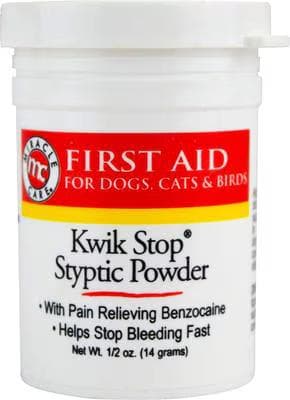
- Control bleeding with light pressure using clean gauze, then apply styptic powder or cornstarch if needed.
- Rinse gently with clean water or saline to remove debris.
- Cover with a light, non-stick bandage and stop your dog from licking it.

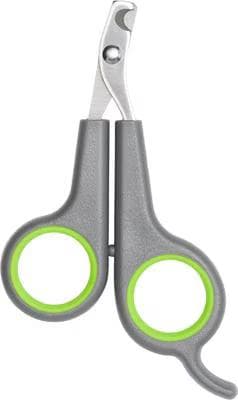
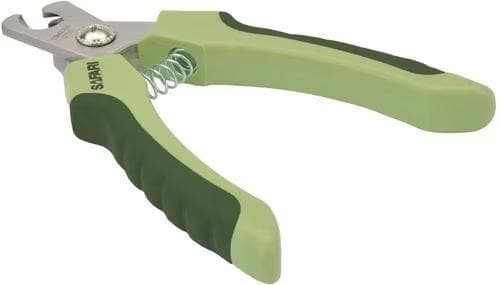
Compact scissor-style clippers sized for trimming the nails of cats and small dogs.
Webvet may earn a commission when you click through to Chewy, at no extra cost to you.
How a Vet Treats a Torn Dew Claw
At the clinic, the vet usually sedates the dog, trims or removes the damaged portion of claw, cleans the nail bed, and bandages it. Antibiotics and pain medication are common, and this visit typically runs $150 to $400. Full recovery from a torn dew claw usually takes 1 to 2 weeks.
How to Trim Your Dog's Dew Claws
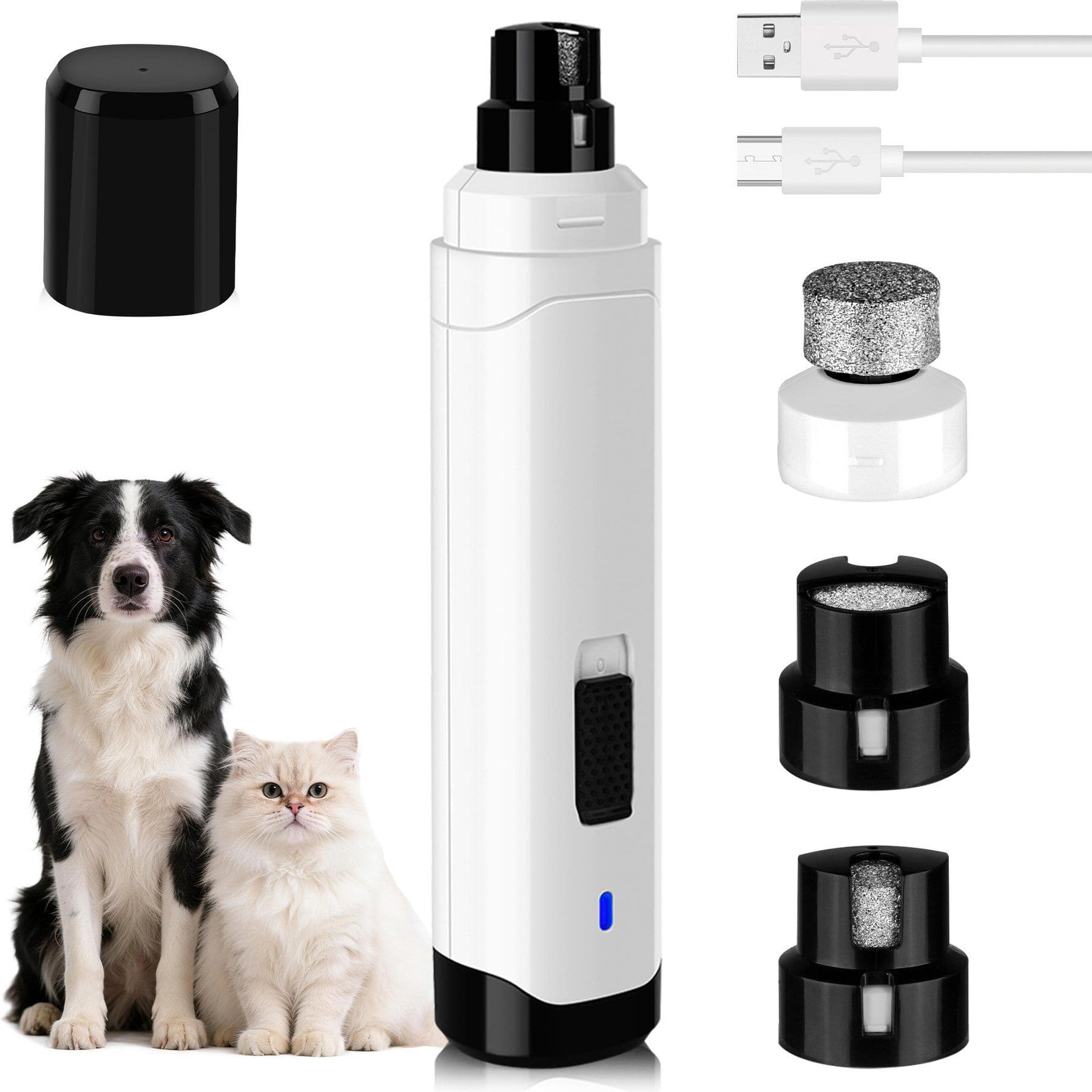
Because dew claws never touch the ground, they do not wear down like the other nails and must be trimmed on purpose. Left alone, they keep growing and can curl into the skin. For help choosing a powered tool, our guide to the best dog nail grinders compares noise, speed settings, and heat control for at-home care.

- Choose sharp, dog-specific clippers or a nail grinder and have styptic powder ready.
- Hold the paw and isolate the dew claw, pushing back any fur so you can see the nail clearly.
- Trim a small amount at a time, stopping before the pink quick. On dark nails, take tiny slices until you see a gray or pale center.
- If you nick the quick, stay calm and press styptic powder onto the tip to stop the bleeding.
If your dog will not sit still or you cannot see the quick, a groomer or vet tech can trim the dew claws quickly and safely.
How Often to Trim and How to Avoid the Quick
Trim dew claws every 3 to 4 weeks, on the same schedule as the rest of the nails. Frequent light trims keep the quick short and make each session safer and less likely to bleed. If you can hear a dew claw clicking on the floor or see it curving, it is overdue.

Keeping the whole paw healthy matters too. Steady, low-stress nail sessions are easier on senior dogs, and you can read more in our guide to senior dog health. If your dog trembles or pulls away during grooming, it may just be stress or cold rather than pain, but persistent, unexplained shaking is worth checking, which we cover in why is my dog shaking.
Dew Claw Care FAQ
Frequently Asked Questions
Should you get your dog's dew claws removed?
For most dogs, no. Healthy, well-attached front dew claws are functional and are best left alone. Removal is worth considering mainly for loosely attached rear dew claws that keep tearing, or when a claw is injured, infected, or diseased. It is an individual decision to make with your vet, not an automatic one.
What breed of dog has dew claws?
Almost every breed has front dew claws. Breeds known for double rear dew claws include the Great Pyrenees, Beauceron, Briard, Icelandic Sheepdog, Estrela Mountain Dog, and Catalan Sheepdog, where the extra digits are part of the breed standard.
Are you supposed to trim a dog's dew claw?
Yes. Because dew claws never touch the ground, they do not wear down and must be trimmed on purpose, usually every 3 to 4 weeks. Skipping them lets the claw grow long, curl, and eventually curve into the skin or snag and tear.
How do you treat a dog's dew claw?
For a minor tear, control the bleeding with pressure and styptic powder, rinse the area, cover it with a light non-stick bandage, and stop your dog from licking it. See a vet if the claw is dangling or fully torn off, if bleeding will not stop, or if you notice swelling, pus, or a bad smell. The vet may sedate the dog, remove the damaged claw, and prescribe antibiotics and pain relief.
What age is too late to remove dew claws?
The easy window closes after about 5 days of age, when newborn removal is quick and cheap. It is never truly too late, but past that point removal becomes a surgery under general anesthesia, so vets often wait and combine it with a spay or neuter rather than anesthetize a young puppy separately.
How much would a vet charge to remove a dew claw?
In the 2026 US, adding removal to a puppy's spay or neuter often costs just $10 to $40. Standalone newborn removal runs about $30 to $70 per puppy. Adult removal under general anesthesia typically costs $500 to $800 or more, and treating a torn dew claw at a clinic or ER usually runs $150 to $400.
Should dewclaws be removed from dogs?
There is no blanket yes or no. Front dew claws are functional and usually kept. Loose rear dew claws are the ones most often removed, and only when there is a real reason such as repeated tearing, injury, or infection. Routine removal of healthy claws is elective, so weigh it with your vet against the surgical and anesthetic risk.
What dog is known as the heartbreak breed?
The Doberman Pinscher is sometimes called the heartbreak breed because of its predisposition to dilated cardiomyopathy, a serious heart condition. This is a separate health topic from dew claws, but owners researching breed traits often come across the nickname.
The Bottom Line
Dew claws are your dog's thumbs: functional on the front legs, often just loose extras on the back. For most dogs, the right plan is simple, which is to leave healthy claws in place, trim them every 3 to 4 weeks, and act fast on any tear. Save removal for the cases where a claw is truly a problem, and make that call with your vet. Regular, calm paw care fits naturally into your routine as your dog ages and its energy levels change by life stage.
$65 · no membershipHave a health question about your dog?
A licensed vet can assess your dog over video and prescribe online when it's appropriate.
Talk to a vet- Licensed vets
- All 50 states
- same-day Rx
Webvet may earn a commission if you book.

Editor
The Webvet Editorial Team is the in-house group of pet-care editors and writers behind Webvet, operated by Smart Pet Collective. The team researches, writes, and maintains Webvet's pet health, behavior, and medication content. Every article follows a defined editorial process: research from reputable veterinary and scientific sources, careful drafting, mandatory review of medical content by a credentialed veterinarian, and dated publication. Health and medication articles are medically reviewed by a licensed veterinary professional before they go live and are kept current over time.
Veterinarian · BVMS MRCVS
Dr. Pippa Elliott, BVMS, MRCVS, is a veterinarian with nearly 30 years of experience in companion animal practice. Dr. Elliott earned her Bachelor of Veterinary Medicine and Surgery from the University of Glasgow. She was also designated a Member of the Royal College of Veterinary Surgeons. Married with 2 grown-up kids, Dr. Elliott has a naughty Puggle named Poggle, 3 cats and a bearded dragon.


