
Can dogs eat kiwi?
Safe in moderationKiwi flesh and seeds are not recognized dog toxins. Peeling is optional for texture; size pieces, check added ingredients, and count calories.


Medically reviewed by Dr. Athena Gaffud, DVM · Last reviewed
Can Dogs Eat Kiwi?
Plain kiwi flesh and its tiny embedded seeds are not recognized dog toxins. Removing the fuzzy skin can simplify texture, but it is a preparation choice rather than detoxification. Identify whether the dog ate peeled flesh, a whole kiwi, thick skin, dried fruit, jam, smoothie, yogurt, candy, a supplement, or packaging. A large whole fruit or tough skin can create a patient-specific chewing or foreign-object question without guaranteeing obstruction. Save the product and report the dog's weight, amount, time, retching, vomiting, appetite, abdominal comfort, stool, activity, and breathing. Sweeteners, dairy, chocolate, alcohol, medicines, skewers, and wrappers in mixed products need their own assessment. Kiwi contains water, fiber, sugar, vitamins, minerals, and calories, but a treat portion has no established hydration, digestive, immune, skin, or antioxidant benefit. No piece count by body size is a clinical dose; repeated use must fit the dog's individual calorie and medical plan. Secure produce stickers, mesh bags, knives, and discarded skins as well as the fruit. If several pieces are missing, describe their approximate dimensions and whether the dog tends to gulp; texture and chewing history are more useful than a universal slice allowance. Include any fruit-salad ingredients, syrup, skewers, and packaging in the exposure history. If kiwi is offered intentionally, keep it plain and separate so a later reaction is easier to interpret and its calories remain visible in the dog's daily total.
- 1Plain kiwi flesh and seeds are not recognized dog toxins.
- 2Peeling is a texture choice; skin is not established as poisonous.
- 3No universal one-to-three-piece schedule is evidence based.
- 4Nutrient and water content do not prove clinical benefits.
- 5Dried kiwi is more calorie dense per gram; check every product's ingredients.


Treats should stay under 10% of your dog's daily calories. JustFoodForDogs makes the rest of it.
- Recipes developed by veterinary nutritionists
- Whole-food ingredients you can recognise
- Fresh meals delivered to your door
Webvet may earn a commission when you click through to JustFoodForDogs, at no extra cost to you.
Is Kiwi Safe for Dogs?
PetMD identifies kiwi flesh and seeds as non-toxic to dogs. Every portion and prepared product still requires review of calories, ingredients, chewing behavior, and the individual dog.
A whole fruit or large piece could cause choking or become a patient-specific foreign body, but its size does not guarantee lodging. Skin is fibrous and may be removed for texture without calling it toxic or predictably obstructive. Peeling a kiwi can make the surface less fibrous, but skin is not a recognized poison and a whole fruit is not guaranteed to lodge because of its diameter. Mechanical risk depends on the size and shape actually swallowed, the dog's chewing behavior and anatomy, and where the material travels. Cut any food to suit the individual dog and supervise a known gulper, while acknowledging that no piece size removes choking risk. If a dog swallows a whole kiwi or a large section of skin, call with the object's approximate size and the dog's weight and history. Retching, difficulty breathing, repeated vomiting, abdominal pain, or inability to keep water down needs prompt care.
Health Benefits of Kiwi for Dogs
Kiwi contains vitamins, minerals, fiber, water, and calories. Listing those components does not establish immune, clotting, nerve, muscle, antioxidant, or other clinical benefits from a treat portion.
Water and fiber content do not make kiwi a hydration or digestive treatment. Fresh water and the complete diet remain the nutritional baseline. Kiwi contains water, fiber, vitamins, minerals, natural sugar, and calories. Those facts describe composition; they do not show that a treat portion hydrates a dog, boosts immunity, improves antioxidant status, or treats digestion. Fresh water is the appropriate response to thirst, and heat illness requires active cooling and veterinary guidance rather than frozen fruit. A dog eating complete food is not dependent on kiwi for vitamin C or other nutrients. If fruit is used as a treat, the honest benefit is variety or enjoyment for that individual dog, provided the calories, texture, and medical plan allow it. No clinical benefit should be promised from the ingredient list alone.

How Much Kiwi Can a Dog Eat?
There is no evidence-based kiwi piece count or weekly schedule by dog size. Count any optional taste within the individual treat-calorie allowance.
Do not prescribe a one-day introduction test or blanket exclusion for every dog with diabetes, pancreatitis, or excess weight. Follow the individual veterinary diet and monitor any clinical signs.
How to Prepare and Serve Kiwi
Wash the fruit and size it for the dog's chewing behavior. Peeling and core removal can change texture, but neither is required to remove a recognized toxin, and no cut eliminates choking.


This is an optional dog treat. Review its current label, ingredients, calories, and feeding directions, and count it within the total daily extras.
Webvet may earn a commission when you click through to Chewy, at no extra cost to you.
Seeds are not recognized toxins and need not be removed. Dried kiwi is more calorie dense per gram, not inherently dangerous; check added sugar, sweeteners, coatings, and the full ingredient label. Fresh, dried, candied, syrup-packed, and blended kiwi are not nutritionally identical. Drying removes water, so dried fruit is more calorie dense by weight and a small-looking piece may contribute more calories than fresh flesh. That does not make unsweetened dried kiwi inherently toxic. Check for added sugar, xylitol or another sweetener, chocolate coatings, preservatives, and serving calories. Fruit cups may add syrup or juice, while smoothies can contain grapes, raisins, dairy, supplements, or other ingredients that need separate assessment. Keep the package after an accidental exposure and evaluate the complete product rather than using dried or processed as a stand-alone danger label.
Risks and What to Watch For
A whole fruit or sufficiently large piece could cause choking or a gastrointestinal foreign body in an individual dog. Outcome depends on the object, dog, location, and signs; obstruction is not predicted by kiwi exposure alone.
An unsuitable amount may cause gastrointestinal signs in an individual dog, but sugar and fiber do not guarantee illness. Weight and diabetes management depend on the total diet, and one exposure does not diagnose food allergy. A dog with vomiting, diarrhea, itching, or swelling after kiwi still needs ordinary clinical assessment. One short observation period cannot diagnose a food allergy, and gastrointestinal signs have many possible causes. Stop offering the food, document the timing and other ingredients, and contact the veterinary team for persistent signs, facial swelling, breathing changes, or repeated vomiting.


This is an optional dog treat. Review its current label, ingredients, calories, and feeding directions, and count it within the total daily extras.
Webvet may earn a commission when you click through to Chewy, at no extra cost to you.
Safe Fruit Alternatives to Kiwi
Blueberries and strawberries are not automatically lower risk or clinically beneficial. Any fruit needs appropriate identification, preparation, calorie accounting, and individual tolerance.
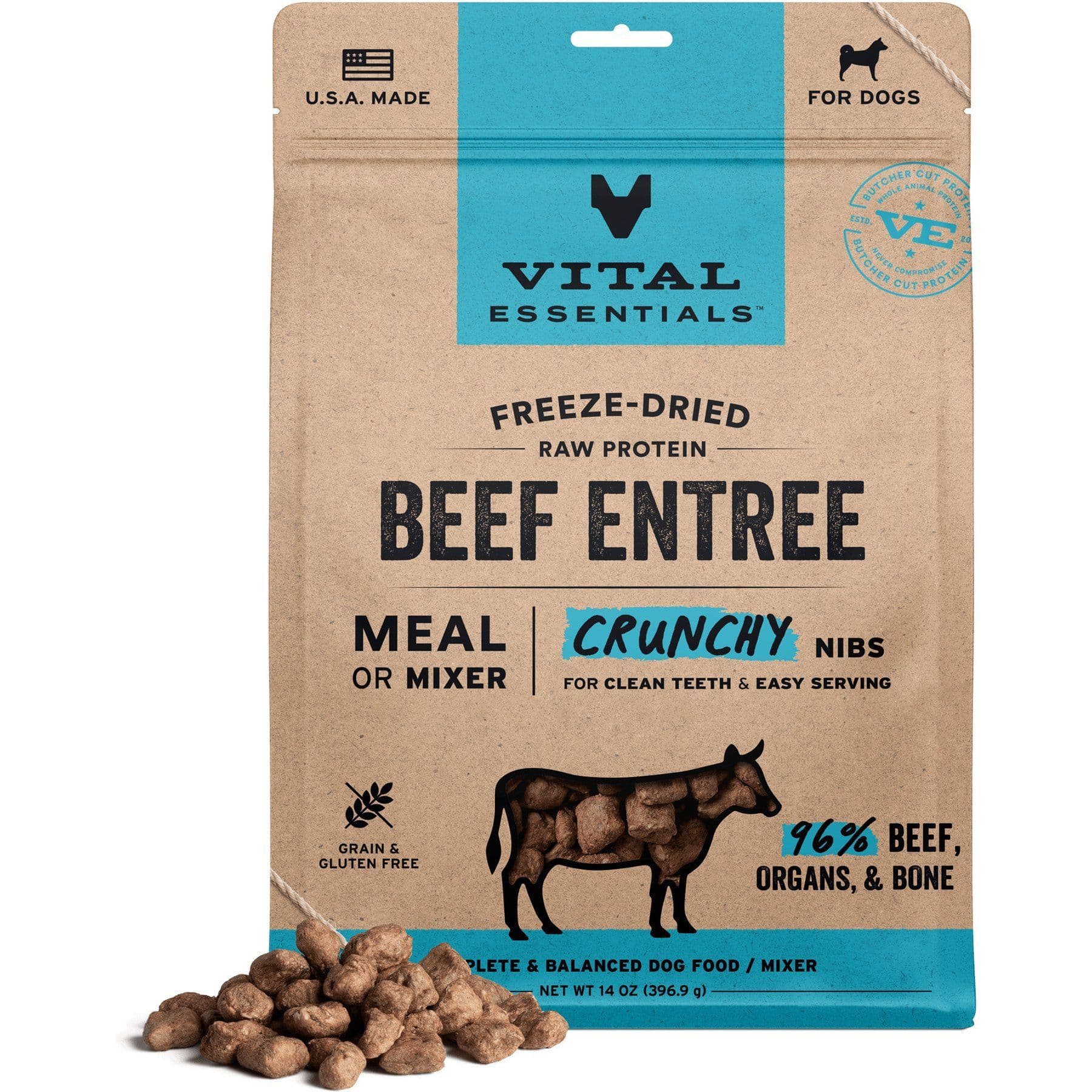
This is an optional dog treat. Review its current label, ingredients, calories, and feeding directions, and count it within the total daily extras.
Webvet may earn a commission when you click through to Chewy, at no extra cost to you.
For any optional fruit, use the individual calorie and medical plan. Dried and sweetened products require label review rather than a categorical danger claim.
Frequently Asked Questions
Can dogs eat kiwi skin?
Kiwi skin is not a recognized toxin. Peeling may improve texture; assess a swallowed piece from its size, dog, and signs.
Can dogs eat kiwi seeds?
The tiny seeds are not recognized dog toxins and do not need routine removal.
Can dogs eat golden or yellow kiwi?
Gold and green cultivars are assessed the same way: identify the product, ingredients, amount, and signs.
Can dogs eat dried kiwi?
Dried kiwi is more calorie dense per gram. Check added sugar, sweeteners, coatings, and the individual calorie plan.
What should I do if my dog ate too much kiwi?
Note the form, amount, packaging, and symptoms. Seek veterinary advice for a concerning object or illness.

More safe treats
More fruits for dogs
Sources
- PetMD: Can Dogs Eat Kiwi?
PetMD identifies kiwi flesh and seeds as non-toxic to dogs and treats skin removal as a texture precaution.
- ASPCA: Sharing Is Caring, Foods You Can Safely Share With Your Pet
Lists green beans and kiwi among optional pet-safe foods while advising small portions.
- Merck Veterinary Manual: Gastrointestinal Obstruction in Small Animals
Foreign-body risk and outcome depend on the object, amount, patient, and clinical signs.
- WSAVA: Feeding Treats to Your Dog
All treats share an individual calorie allowance and should not displace complete nutrition.
- Merck Veterinary Manual: Overview of Nutrition in Small Animals
Complete and balanced feeding and patient-specific calorie planning are the nutritional baseline for dogs and cats.
Reviewed by Dr. Athena Gaffud, DVM
General guidance based on credible veterinary sources; not a diagnosis or a substitute for your veterinarian. If your pet ate something toxic or is unwell, contact your vet or a pet poison line right away.