
Can cats eat kiwi?
Safe in moderationPlain kiwi is not a recognized cat toxin. Seeds need not be removed; prepare any optional taste for chewing and the individual calorie plan.


Medically reviewed by Dr. Athena Gaffud, DVM · Last reviewed
Can Cats Eat Kiwi?
Plain kiwi is not a recognized feline toxin and may be an optional taste. It remains unnecessary, while feline nutrient requirements do not make every fruit component unusable or establish a pea-sized safety threshold. Distinguish peeled flesh and tiny embedded seeds from thick skin, a whole fruit, dried kiwi, jam, smoothies, yogurt, candy, supplements, and packaging. The small seeds are not established toxins; skin removal is a texture choice. A large piece can be difficult for an individual cat to manage, but age or size alone does not prove choking is likely. Keep the label and report the amount, time, appetite, vomiting, stool, activity, breathing, and any missing wrapper or skewer. Mixed products need separate checks for dairy, chocolate, alcohol, medicines, sweeteners, and other fruit. Kiwi's water, fiber, vitamins, minerals, and calories do not prove urinary, hydration, digestive, immune, or coat benefits from a taste. A cat's interest may reflect smell, texture, moisture, play, or social access and does not identify a dietary need. Complete feline food is the more predictable repeated reward. Keep produce stickers, mesh bags, utensils, and discarded skin inaccessible. If several pieces or a whole fruit are missing, describe their dimensions and the cat's chewing behavior; that account supports a case-specific physical assessment without inventing a cube allowance. Sticky juice on the coat can lead to continued grooming, so clean it with a cat-safe method and watch the cat rather than assuming the visible spill equals the swallowed amount. A cat that enjoys novelty can instead receive measured pieces of its usual complete food through a feeder or training game.
- 1PetMD lists kiwi as an optional fruit for cats.
- 2Seeds need not be removed; skin and core are not established toxins.
- 3Prepare any piece for the individual cat's chewing behavior.
- 4There is no universal serving or blanket kitten or disease exclusion.
- 5Sweet-taste biology cannot reveal why an individual cat investigates kiwi.

Treats should stay under 10% of your cat's daily calories. Smalls makes the rest, built around the meat an obligate carnivore actually needs.
- Human-grade ingredients, protein first
- Built for obligate carnivores
- Fresh meals delivered to your door
Webvet may earn a commission when you click through to Smalls, at no extra cost to you.
Is Kiwi Safe for Cats?
PetMD lists kiwi among optional fruits for cats. Every portion and prepared product still requires review of ingredients, calories, texture, the individual cat, and symptoms.

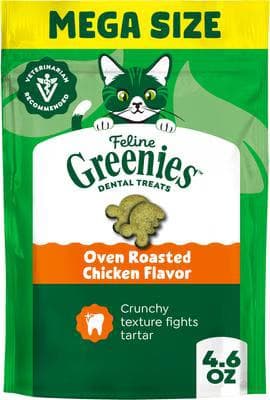
This is a dental cat treat. Follow the current label and ask your veterinarian how it fits alongside tooth brushing and professional dental care.
Webvet may earn a commission when you click through to Chewy, at no extra cost to you.
Cats have species-specific nutrient requirements, but they can metabolize dietary glucose and use some plant-derived nutrients. Gastrointestinal response varies and is not predicted by body size alone. Cats are obligate carnivores because they require a specific nutrient pattern, not because every carbohydrate or plant nutrient is unusable. They can metabolize dietary glucose, even though they lack the canonical sweet receptor. Kiwi remains unnecessary because complete feline food already supplies required nutrients and because fruit calories can displace that food. A small plain exposure should be assessed from the individual cat and amount rather than a meat-versus-fruit slogan. Cats with diabetes, obesity, gastrointestinal disease, or a prescription diet need guidance based on the complete plan. A diagnosis does not create a universal kiwi toxin, but it may make an optional fruit a poor fit.
Do Cats Get Any Nutritional Benefit From Kiwi?
Kiwi contains vitamins, minerals, fiber, water, and calories. Nutrient content does not prove clinical benefit from a treat portion, and it is inaccurate to call every component physiologically useless.


This is an optional cat treat. Review its current label, ingredients, calories, and feeding directions, and count it within the total daily extras.
Webvet may earn a commission when you click through to Chewy, at no extra cost to you.
Water content does not make kiwi a hydration treatment. Maintain access to fresh water and use the veterinarian-selected complete diet for a cat with hydration or urinary concerns.
How Much Kiwi Can a Cat Eat?
There is no evidence-based pea-size serving or frequency for cats. Any optional taste should fit the individual treat-calorie allowance and must not displace complete feline food.
Do not prescribe a one-day introduction test or blanket ban for kittens, diabetes, obesity, or a sensitive stomach. Use the individual veterinary diet and seek advice for clinical signs.
How to Safely Prepare Kiwi for Cats
Wash the fruit and size it for the cat's chewing behavior. Seeds need not be removed. Skin and core are not established toxins; removing them is an optional texture choice, not detoxification. The tiny black seeds are normally eaten with the flesh and are not established feline toxins. The skin and pale core are also not poisonous parts; removing them can change texture and make preparation easier. A sufficiently large piece of any firm food could cause choking or become a foreign body, so size the piece for the individual cat and supervise if the cat gulps. Kittens are not presumed likely to choke solely because of age or size. A kitten simply needs age-appropriate complete food and careful preparation of any permitted extra. Difficulty breathing, repeated gagging, repeated vomiting, abdominal pain, or inability to keep water down requires prompt veterinary care.

Risks of Feeding Kiwi to Cats
Kiwi adds calories and fiber but is not nutritionally zero. An unsuitable amount may cause gastrointestinal signs in an individual; sugar and carnivore physiology do not guarantee vomiting, gas, diarrhea, or weight gain.
One kiwi exposure does not establish diabetes, dental disease, joint disease, or food allergy. Seek advice for choking, repeated vomiting, abdominal pain, or another concerning sign.
Why Is My Cat So Interested in Kiwi?
An individual cat may investigate kiwi for unproven reasons. Its smell, moisture, texture, plant family, or sweet-taste biology does not by itself explain the behavior. An interested cat may sniff, lick, paw, or eat kiwi for reasons that have not been established. Lack of sweet taste does not prove the cat is attracted to moisture, acidity, smell, novelty, or a plant compound, and online comparisons to catnip or silvervine do not validate a feeding recommendation. Behavior should be described without inventing a motive. If the cat plays with a whole fruit, prevent access to stickers, netting, plastic, and large pieces that could be swallowed. If the cat seeks unusual foods repeatedly or has a change in appetite, discuss the pattern with the veterinary team instead of using fruit to redirect or diagnose the behavior.

Interest does not create a serving recommendation. Use an individual calorie and medical plan, and keep the complete feline diet central.
Better Treat Alternatives for Cats
Compare kiwi alternatives by ingredients, calories, texture, preparation, and individual tolerance. Plain cooked animal foods may fit some cats, but neither fruit nor meat is automatically complete as a treat.

This is an optional cat treat. Review its current label, ingredients, calories, and feeding directions, and count it within the total daily extras.
Webvet may earn a commission when you click through to Chewy, at no extra cost to you.
Blueberries are not automatically a lower-sugar or lower-risk feline option. Identify and prepare any produce appropriately and count it within the complete diet.
Frequently Asked Questions
Is kiwi toxic to cats?
Plain kiwi is not a recognized feline toxin. Assess any mixed product from its full ingredients, amount, and symptoms.
Can cats eat kiwi skin or seeds?
Seeds need not be removed. Skin and core are not established toxins; removal is an optional texture choice.
How much kiwi can I give my cat?
There is no evidence-based feline kiwi serving. Any optional taste must fit the individual calorie and medical plan.
Why is my cat obsessed with kiwi?
Sweet-taste biology cannot reveal why an individual cat investigates kiwi.
Can kittens eat kiwi?
Kittens need complete kitten food, but age alone does not establish kiwi toxicity or a universal ban.

More safe treats
More fruits for cats
Sources
- PetMD: What Fruits Can Cats Eat?
PetMD lists kiwi as an optional fruit for cats while emphasizing complete feline nutrition.
- ASPCA: Sharing Is Caring, Foods You Can Safely Share With Your Pet
Lists green beans and kiwi among optional pet-safe foods while advising small portions.
- Merck Veterinary Manual: Gastrointestinal Obstruction in Small Animals
Foreign-body risk and outcome depend on the object, amount, patient, and clinical signs.
- WSAVA: Feeding Treats to Your Cat
All treats share an individual calorie allowance and should not displace complete feline nutrition.
- Merck Veterinary Manual: Overview of Nutrition in Small Animals
Complete and balanced feeding and patient-specific calorie planning are the nutritional baseline for dogs and cats.
Reviewed by Dr. Athena Gaffud, DVM
General guidance based on credible veterinary sources; not a diagnosis or a substitute for your veterinarian. If your pet ate something toxic or is unwell, contact your vet or a pet poison line right away.