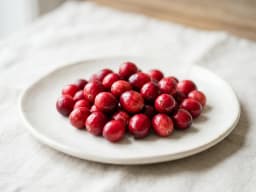
Can dogs eat cranberries?
SafePlain cranberries are not recognized dog toxins, but fruit is not a urinary treatment and dried or mixed products need label review.


Medically reviewed by Dr. Athena Gaffud, DVM · Last reviewed
Can Dogs Eat Cranberries?
Plain cranberry is not recognized as a canine toxin, but fresh, frozen, cooked, dried, juiced, sweetened, and supplemented forms differ. Cranberry fruit should not be promoted as prevention or treatment for urinary tract infection. Urinary signs need diagnosis, and a berry is not equivalent to a studied extract. Related guidance: raisins.
- 1Assess cranberries by its exact form, amount, added ingredients, and the individual dog.
- 2A treat portion of cranberries must fit the complete diet and the dog's remaining calorie allowance.
- 3Prepare cranberries plainly and choose a size and texture suited to how this dog eats.
- 4Merck states that evidence for cranberry extract in managing bacterial urinary tract infections in animals is lacking. Fruit is not equivalent to a standardized extract, and neither should delay urinalysis, culture when indicated, obstruction assessment, antibiotics when appropriate, or other veterinary care.
- 5Call for repeated vomiting or diarrhea, marked lethargy, pain, difficulty urinating, inability to pass urine, a substantial concentrated product, a swallowed package, or a mixed product containing raisins, xylitol, alcohol, or another hazard. Bring the label for dose assessment.

Treats should stay under 10% of your dog's daily calories. JustFoodForDogs makes the rest of it.
- Recipes developed by veterinary nutritionists
- Whole-food ingredients you can recognise
- Fresh meals delivered to your door
Webvet may earn a commission when you click through to JustFoodForDogs, at no extra cost to you.
Are Cranberries Safe for Dogs?
A small amount of plain fruit may cause no signs, while an unfamiliar, tart, or concentrated product may cause gastrointestinal upset in an individual dog. Fresh berries, dried sweetened fruit, sauce, juice cocktail, extract, powder, and urinary supplements differ in concentration and ingredients. Mixed dried fruit may contain raisins, and juice or sauce can add sugar or sweeteners. Keep the exact label and do not convert a supplement dose into a homemade berry serving or assume that every product called cranberry has the same composition. Dried cranberries contain less water and more fruit and calories per bite than fresh berries, so form and label matter. For mixed products containing cranberries, keep the package and report every ingredient, amount, time, dog's weight, history, and signs.


This is an optional dog treat. Review its current label, ingredients, calories, and feeding directions, and count it within the total daily extras.
Webvet may earn a commission when you click through to Chewy, at no extra cost to you.
Cranberries contain carbohydrate, fiber, vitamins, minerals, organic acids, and plant compounds. If a veterinarian recommends a urinary product, use the exact formulation and follow-up plan rather than substituting sauce, juice, or dried berries. Supplements can differ in active ingredients and concentration, and they still need to fit the dog's complete diet and medical history. Record all products when discussing recurrent urinary signs. That composition does not prove urinary, immune, antioxidant, dental, or weight benefits from a treat portion. A complete dog diet should remain the source of required nutrients. This food adds optional calories and nutrients, but the complete dog food remains responsible for meeting dietary requirements.
Nutritional Context for Cranberries
There is no evidence-based berry count, spoon amount, or body-weight table. If plain cranberry fits the dog's diet, use the calories for the actual form and total treat allowance. Dried fruit and juice cannot be portioned as though they have the same water and calorie density as fresh berries.
Use the calories in cranberries and the individual dog's remaining treat allowance; body weight alone is not a serving chart. Related guidance: cranberry supplement.

How to Portion Cranberries
Wash fresh fruit, thaw frozen fruit safely, and serve it plain if any is offered. Store dried-fruit mixes with their original labels so raisins or sweeteners can be identified after a raid. A bowl of holiday sauce may also contain alcohol, spices, or other fruit, making the recipe more useful than the word cranberry alone. Read dried-fruit, juice, sauce, supplement, and baked-product labels for sugar, sweeteners, grapes or raisins, alcohol, and other ingredients. Discard spoiled fruit and secure packages. A whole fresh berry may be manageable for one dog and awkward for another. Cutting or mashing can change the texture, but the evidence does not establish plain cranberries as a universal choking risk. Supervise a dog that gulps food.
| Decision point | Evidence-based guidance |
|---|---|
| Plain food | Assess plain cranberries by form, amount, tolerance, and the individual dog. |
| Portion | Use the individual calorie allowance, not a fixed piece or spoon table |
| Preparation | Serve it plain and choose a manageable size and texture. |
| Mixed product | Read every ingredient and keep the package or recipe for advice. |
How to Prepare Cranberries
Merck states that evidence for cranberry extract in managing bacterial urinary tract infections in animals is lacking. Fruit is not equivalent to a standardized extract, and neither should delay urinalysis, culture when indicated, obstruction assessment, antibiotics when appropriate, or other veterinary care. Related guidance: pumpkin.
Craisins is a branded dried-cranberry product, not evidence that raisins are hidden in every package. Read the ingredient list. A trail mix or dried-fruit blend may contain raisins, but that hazard must be confirmed from the exact product rather than inferred from the word dried.
Risks and When to Call
Frequent urination, straining, blood in urine, accidents, pain, or excessive licking can reflect infection, stones, inflammation, obstruction, or another problem. Do not use cranberry fruit as a diagnostic test or treatment. Dogs on therapeutic diets need ingredient and calorie approval from their treating team. Call for repeated vomiting or diarrhea, marked lethargy, pain, difficulty urinating, inability to pass urine, a substantial concentrated product, a swallowed package, or a mixed product containing raisins, xylitol, alcohol, or another hazard. Bring the label for dose assessment. Related guidance: vomiting; xylitol.

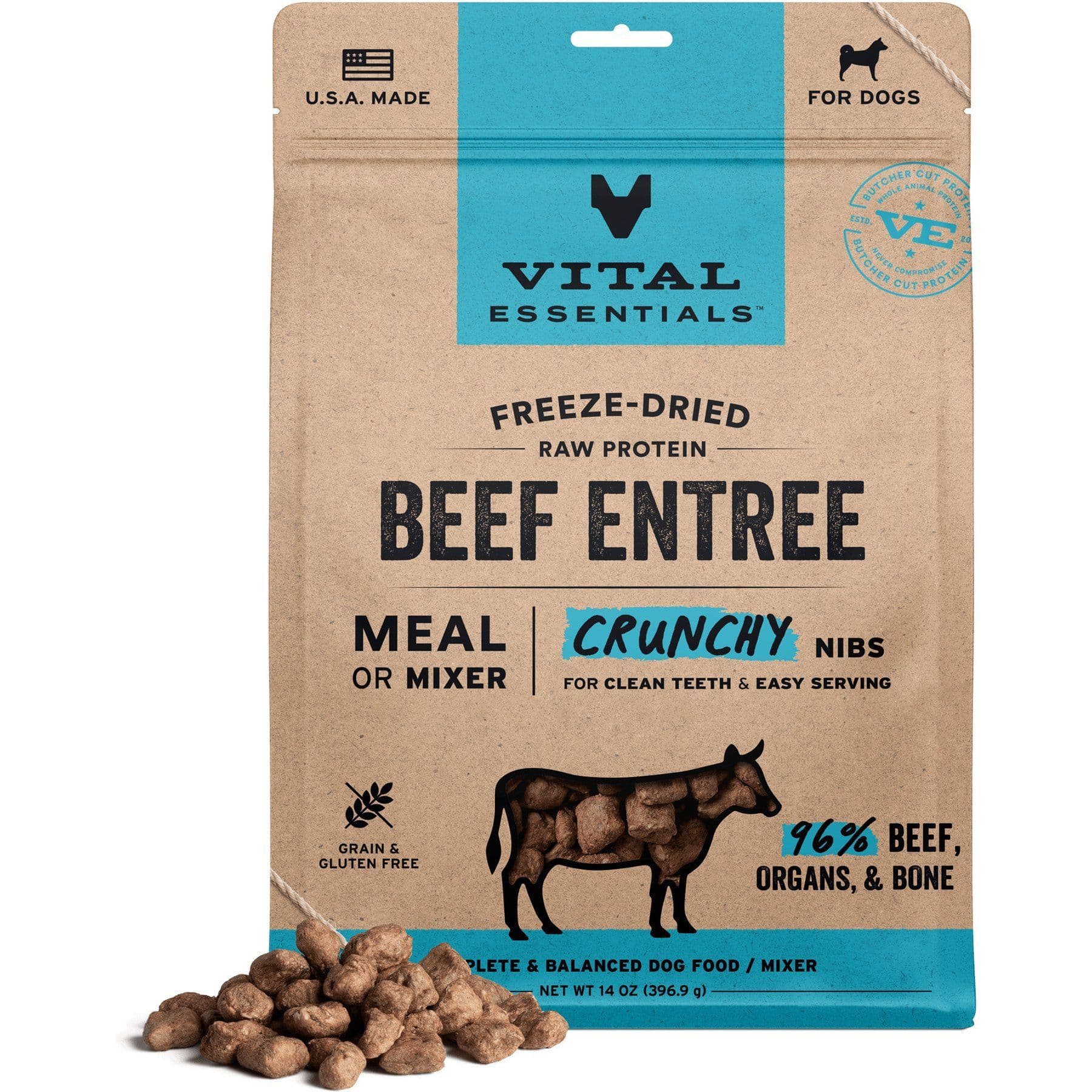
This is an optional dog treat. Review its current label, ingredients, calories, and feeding directions, and count it within the total daily extras.
Webvet may earn a commission when you click through to Chewy, at no extra cost to you.
Do not add an anticoagulant interaction warning by extrapolating from human discussions without a canine clinical source. Medication questions should be answered by the prescribing veterinarian using the exact cranberry product, dose, drug, and patient history.
Choosing Other Treats
If this food does not fit the plan, choose another veterinarian-approved treat and count it within the same calorie allowance. Related guidance: Blueberries; Strawberries.

This is an optional dog treat. Review its current label, ingredients, calories, and feeding directions, and count it within the total daily extras.
Webvet may earn a commission when you click through to Chewy, at no extra cost to you.
Plain cranberries can be optional food for some dogs, but they are not urinary medicine. Cranberry food is not a substitute for diagnosing urinary signs or treating a bacterial urinary tract infection. Straining, frequent attempts to urinate, blood in urine, pain, fever, vomiting, or inability to pass urine deserves veterinary assessment. Antibiotic choice, when indicated, depends on the clinical case and testing. Do not delay care while trying juice, dried fruit, or an over-the-counter urinary product. Fresh fruit, dried products, supplements, and mixed foods differ, so read the actual label and assess the individual dog. The practical decision is individualized: confirm the exact food, use a manageable texture, keep extras within the calorie plan, and watch the actual dog rather than a fixed schedule. Contact a veterinarian for persistent vomiting or diarrhea, marked lethargy, pain, breathing or swallowing trouble, inability to pass stool or urine, neurologic signs, or any ingredient-specific toxicology concern.

Frequently Asked Questions
Can dogs eat plain cranberries?
Plain cranberries are not recognized canine toxins, although an unfamiliar or concentrated amount may cause gastrointestinal upset.
Can cranberries prevent or treat a canine UTI?
Do not use them as treatment. Merck says evidence for cranberry extract in animal bacterial UTI management is lacking, and fruit is not extract.
Are dried cranberries the same as fresh?
No. Dried fruit has less water and more fruit and calories per bite. Read the exact ingredient and nutrition label.
Do Craisins contain hidden raisins?
Craisins is a dried-cranberry brand or product. Check the label rather than assuming raisins are hidden; mixed dried fruit may differ.
More safe treats
More fruits for dogs
Sources
- Merck Veterinary Manual: Pharmacotherapeutics in Bacterial Urinary Tract Infections in Animals
States that evidence supporting cranberry extract in the management of bacterial urinary tract infections in animals is lacking.
- Merck Veterinary Manual: Overview of Nutrition in Small Animals
Supports complete and balanced feeding and patient-specific nutrition; it does not establish clinical benefit from a treat portion.
- Merck Veterinary Manual: Grape, Raisin, and Tamarind Toxicosis in Dogs
Establishes canine grape and raisin renal toxicosis without establishing the same detailed syndrome in cats.
- WSAVA: Feeding Treats to Your Dog
Supports keeping dog treats within about 10% of daily calories and calculating portions from individual energy needs.
- Merck Veterinary Manual: Gastrointestinal Obstruction in Small Animals
Supports patient-specific foreign-body assessment and urgent evaluation when obstruction signs develop.
Reviewed by Dr. Athena Gaffud, DVM
General guidance based on credible veterinary sources; not a diagnosis or a substitute for your veterinarian. If your pet ate something toxic or is unwell, contact your vet or a pet poison line right away.