
Can cats eat cranberries?
Safe in moderationPlain cranberry is not a recognized cat toxin, but it is not urinary medicine and inability to pass urine is an emergency.


Medically reviewed by Dr. Athena Gaffud, DVM · Last reviewed
Can Cats Eat Cranberries?
Plain cranberry is not recognized as a feline toxin, but fruit is not a urinary treatment. Most cats with lower urinary tract signs are diagnosed with feline idiopathic cystitis, while bacterial infection varies with age and comorbidity. Straining or inability to pass urine is an emergency.
- 1Assess cranberries by its exact form, amount, added ingredients, and the individual cat.
- 2There is no universal single-berry or spoon allowance. If the veterinary team considers plain fruit compatible, use the actual calories for that form and the total treat budget. Cats on urinary or other therapeutic diets should not receive unapproved extras that alter the plan.
- 3Prepare cranberries plainly and choose a size and texture suited to how this cat eats.
- 4Cranberry food is not urinary medicine, and urinary obstruction signs require emergency care.
- 5Call for persistent illness, swallowing trouble, a possible foreign body, or a hazardous co-ingredient.
A small plain taste may cause no signs, while unfamiliar, tart, sweetened, or concentrated products may cause gastrointestinal upset in an individual cat. Fresh berries, dried sweetened fruit, sauce, juice cocktail, extract, powder, and urinary supplements differ in concentration and ingredients. Dried products and sauces may add sugar; mixed fruit products can contain grapes or raisins; supplements may include multiple active ingredients. Keep the exact label instead of converting one form into a homemade serving of another. Fresh, dried, juiced, sauced, and supplemented forms differ, and there is no evidence-based berry count or frequency schedule. For mixed products containing cranberries, keep the package and report every ingredient, amount, time, cat's weight, history, and signs.


Treats should stay under 10% of your cat's daily calories. Smalls makes the rest, built around the meat an obligate carnivore actually needs.
- Human-grade ingredients, protein first
- Built for obligate carnivores
- Fresh meals delivered to your door
Webvet may earn a commission when you click through to Smalls, at no extra cost to you.
Are Cranberries Safe for Cats?
Cranberries contain carbohydrate, fiber, vitamins, minerals, acids, and plant compounds. They are optional and have no established treat-level clinical benefit, but it is inaccurate to describe the fruit as nutritionally empty or to claim that obligate-carnivore status makes every plant component unusable. Related guidance: raisins; chocolate.
This food adds optional calories and nutrients, but the complete cat food remains responsible for meeting dietary requirements.
Cranberries and Feline Urinary Health: What the Science Says
There is no universal single-berry or spoon allowance. If the veterinary team considers plain fruit compatible, use the actual calories for that form and the total treat budget. Cats on urinary or other therapeutic diets should not receive unapproved extras that alter the plan. Use the calories in cranberries and the individual cat's remaining treat allowance; body weight alone is not a serving chart.

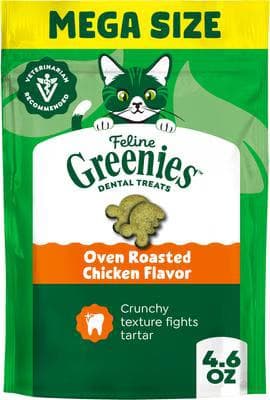
This is a dental cat treat. Follow the current label and ask your veterinarian how it fits alongside tooth brushing and professional dental care.
Webvet may earn a commission when you click through to Chewy, at no extra cost to you.
Wash fresh fruit and serve it plain if any is offered. Check dried fruit, juice, sauce, supplement, yogurt, and baked products for sweeteners, grapes, raisins, alcohol, and other ingredients. Dried cranberry is more concentrated than fresh fruit and should not be treated as the same serving.
Risks and When to Call
A whole firm berry may be awkward for a cat that gulps, but automatic choking is not supported. Cutting or mashing changes texture without creating urinary benefit. Supervise and remove uneaten fruit before it spoils. Related guidance: vomiting; diarrhea.
Merck describes cranberry-extract evidence as preliminary in discussion of feline lower urinary disease and says evidence for extract in animal bacterial UTI management is lacking. A berry is neither a cure nor equivalent to a therapeutic formulation. Do not delay diagnosis or prescribed care.


This is an optional cat treat. Review its current label, ingredients, calories, and feeding directions, and count it within the total daily extras.
Webvet may earn a commission when you click through to Chewy, at no extra cost to you.
| Decision point | Evidence-based guidance |
|---|---|
| Plain food | Assess plain cranberries by form, amount, tolerance, and the individual cat. |
| Portion | Use the individual calorie allowance, not a fixed piece or spoon table |
| Preparation | Serve it plain and choose a manageable size and texture. |
| Mixed product | Read every ingredient and keep the package or recipe for advice. |
| Medical diet | Frequent trips to the box, straining, vocalizing, blood, genital licking, or urinating outside the box are lower urinary signs, not proof of bacterial UTI. Male cats can develop life-threatening urethral obstruction. Inability to pass urine is an emergency and should never be managed with fruit. |
| Concerning signs | Call for persistent illness, swallowing trouble, or a hazardous co-ingredient. |
How to Prepare Cranberries
Urinary supplements vary in extract, other ingredients, dose, quality, and evidence. A food label that says cranberry does not establish prevention or treatment. Review any supplement with the veterinarian, particularly when the cat already receives a urinary diet or medication. Frequent trips to the box, straining, vocalizing, blood, genital licking, or urinating outside the box are lower urinary signs, not proof of bacterial UTI. Male cats can develop life-threatening urethral obstruction. Inability to pass urine is an emergency and should never be managed with fruit.
Call for persistent gastrointestinal signs, pain, marked lethargy, a substantial concentrated product, a concerning package, or a mixed ingredient. Seek emergency care now for repeated straining with little or no urine, collapse, severe distress, or inability to pass urine.

Choosing Other Treats
Canine grape and raisin renal toxicosis is not confirmed in cats. A controlled study of six healthy cats did not reproduce dog-like xylitol effects. Those evidence limits do not make an unknown product safe; they require species-accurate assessment of the full label and dose. Related guidance: cooked chicken; egg; fish.

This is an optional cat treat. Review its current label, ingredients, calories, and feeding directions, and count it within the total daily extras.
Webvet may earn a commission when you click through to Chewy, at no extra cost to you.
If this food does not fit the plan, choose another veterinarian-approved treat and count it within the same calorie allowance. Related guidance: blueberry.
Frequently Asked Questions
Can cats eat plain cranberries?
Plain cranberry is not recognized as a feline toxin, though an unfamiliar or concentrated amount may cause gastrointestinal upset.
Do most feline urinary signs mean a bacterial UTI?
No. Most lower urinary signs are attributed to feline idiopathic cystitis, while bacterial UTI prevalence varies with age and comorbidity.
Can cranberry treat feline urinary disease?
No. Extract evidence is preliminary or lacking depending on the condition, and whole fruit is not a standardized therapeutic formulation.
When are urinary signs an emergency?
Repeated straining with little or no urine, severe distress, collapse, or inability to pass urine requires emergency veterinary care.
Are grape and xylitol dog syndromes confirmed in cats?
No. Feline grape evidence is anecdotal, and a small xylitol study did not reproduce canine effects. Product-specific advice still matters.

Cranberry may be an optional plain taste, but it is not feline urinary medicine. Cranberry food is not a substitute for evaluating feline lower urinary tract signs. Frequent litter-box trips, straining, vocalizing, blood in urine, urinating outside the box, or producing little to no urine needs veterinary attention, and inability to pass urine is an emergency. Those signs can have several causes, so do not delay care while trying juice, powder, or dried fruit. FLUTD, bacterial UTI, and urinary obstruction are different problems, and an exact label and feline-specific evidence should guide advice. The practical decision is individualized: confirm the exact food, use a manageable texture, keep extras within the calorie plan, and watch the actual cat rather than a fixed schedule. Contact a veterinarian for persistent vomiting or diarrhea, marked lethargy, pain, breathing or swallowing trouble, inability to pass stool or urine, neurologic signs, or any ingredient-specific toxicology concern.
More safe treats
More fruits for cats
Sources
- Merck Veterinary Manual: Lower Urinary Tract Disease in Cats
Explains that most feline lower urinary tract signs are attributed to idiopathic cystitis and describes evidence for cranberry extract as preliminary.
- Merck Veterinary Manual: Pharmacotherapeutics in Bacterial Urinary Tract Infections in Animals
States that evidence supporting cranberry extract in the management of bacterial urinary tract infections in animals is lacking.
- Merck Veterinary Manual: Overview of Nutrition in Small Animals
Supports complete and balanced feeding and patient-specific nutrition; it does not establish clinical benefit from a treat portion.
- Merck Veterinary Manual: Nutritional Requirements of Small Animals
Supports species-specific nutrient requirements, including the feline need for preformed vitamin A and the distinction between digestibility and essential nutrient source.
- Merck Veterinary Manual: Grape, Raisin, and Tamarind Toxicosis in Dogs
Establishes canine grape and raisin renal toxicosis without establishing the same detailed syndrome in cats.
- VCA Animal Hospitals: Household Hazards, Toxic Hazards for Cats
States that whether grapes and raisins produce the canine renal syndrome in cats is unknown and recommends precautionary professional advice after exposure.
- Jerzsele et al.: Effect of xylitol on blood glucose and liver function in cats
A controlled study of six healthy cats did not reproduce the dog-like xylitol syndrome, while leaving broader feline product safety uncertain.
- WSAVA: Feeding Treats to Your Cat
Supports keeping cat treats within about 10% of daily calories without imposing universal piece, spoon, or frequency tables.
Reviewed by Dr. Athena Gaffud, DVM
General guidance based on credible veterinary sources; not a diagnosis or a substitute for your veterinarian. If your pet ate something toxic or is unwell, contact your vet or a pet poison line right away.