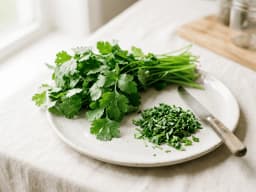
Can dogs eat cilantro?
SafeASPCA lists cilantro as non-toxic to dogs, but it has no proven digestive or breath benefit and prepared dishes need recipe review.


Medically reviewed by Dr. Athena Gaffud, DVM · Last reviewed
Can Dogs Eat Cilantro?
ASPCA lists cilantro as non-toxic to dogs. A plain leaf or tender stem may therefore be a low-poisoning-risk exposure, but cilantro is not a required supplement or a proven treatment. Prepared salsa, rice, soup, sauce, or garnish must be assessed from every ingredient and the amount eaten.
- 1Assess cilantro by its exact form, amount, added ingredients, and the individual dog.
- 2A treat portion of cilantro must fit the complete diet and the dog's remaining calorie allowance.
- 3Prepare cilantro plainly and choose a size and texture suited to how this dog eats.
- 4Cilantro risks depend on product form, amount, texture, and the individual dog.
- 5Call for persistent illness, swallowing trouble, a possible foreign body, or a hazardous co-ingredient.

Treats should stay under 10% of your dog's daily calories. JustFoodForDogs makes the rest of it.
- Recipes developed by veterinary nutritionists
- Whole-food ingredients you can recognise
- Fresh meals delivered to your door
Webvet may earn a commission when you click through to JustFoodForDogs, at no extra cost to you.
Is Cilantro Safe for Dogs?
A small plain nibble may cause no signs. As with other unfamiliar plant material, a larger amount could cause nonspecific vomiting, gas, loose stool, or appetite change in an individual dog. Non-toxic does not mean unlimited, and it does not supply a fixed serving or guarantee digestive comfort. For mixed products containing cilantro, keep the package and report every ingredient, amount, time, dog's weight, history, and signs. Related guidance: grapes; onions; chocolate.

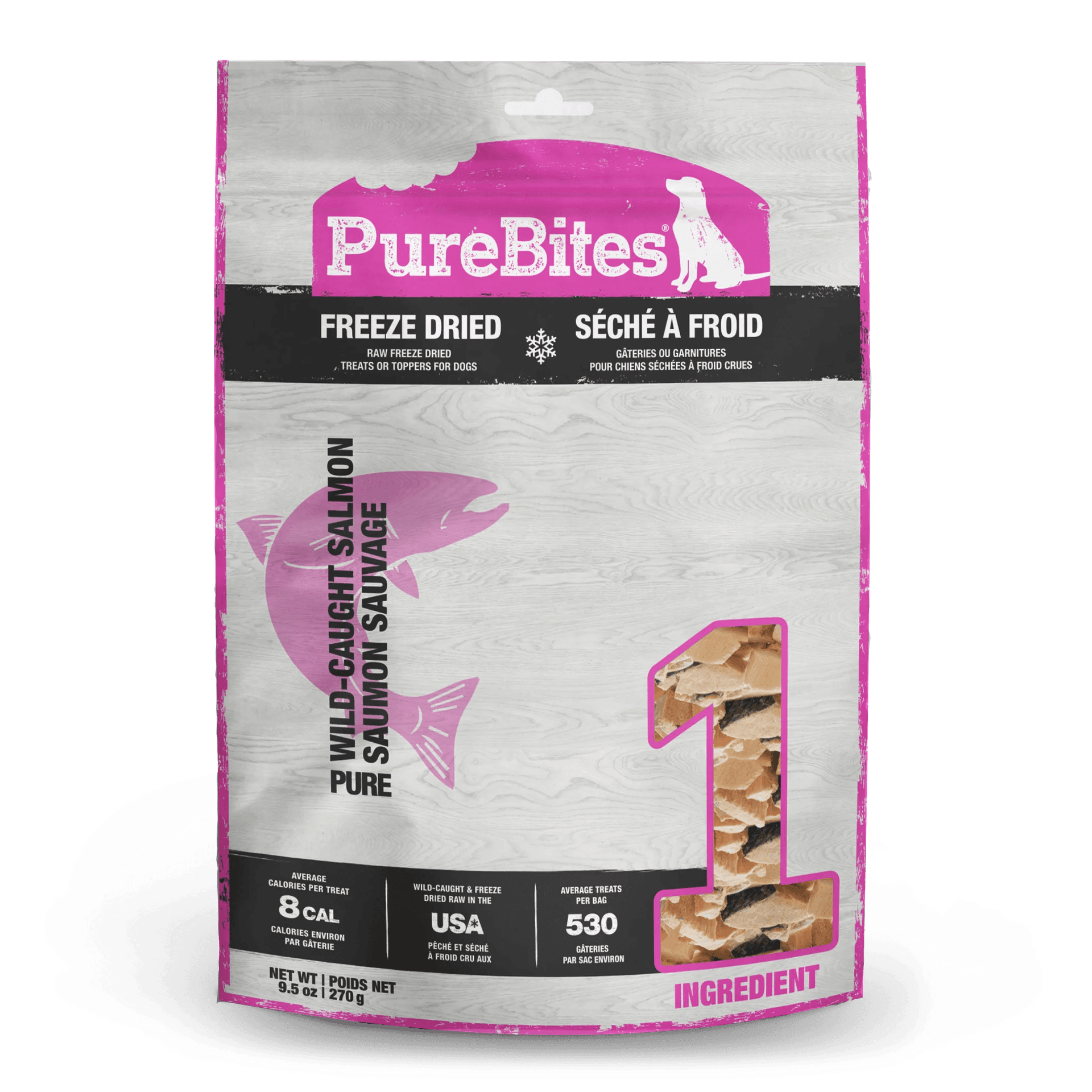
This is an optional dog treat. Review its current label, ingredients, calories, and feeding directions, and count it within the total daily extras.
Webvet may earn a commission when you click through to Chewy, at no extra cost to you.
Cilantro contains water, fiber, vitamins, minerals, and aromatic compounds. That composition does not establish a digestive, breath-freshening, hydration, antioxidant, or immune benefit in dogs. A complete diet and fresh drinking water should meet nutritional and hydration needs without herbal benefit promises.
This food adds optional calories and nutrients, but the complete dog food remains responsible for meeting dietary requirements; cilantro does not need to be added for detoxification, fresh breath, digestion, antioxidants, or parasite control. A treat-sized amount has not established those clinical effects. If the dog has persistent bad breath, stool changes, itching, or gastrointestinal signs, investigate the cause rather than increasing an herb. Extras can also invalidate an elimination diet even when the ingredient itself is not considered poisonous.
Nutritional Context for Cilantro
There is no evidence-based fixed-volume, leaf-count, or body-weight table. If a plain taste is compatible with the dog's diet, count any meaningful calories within the total allowance and let individual interest and tolerance guide whether it is offered again. Do not force herbs for a supposed health effect.
Use the calories in cilantro and the individual dog's remaining treat allowance; body weight alone is not a serving chart. Related guidance: bad breath.

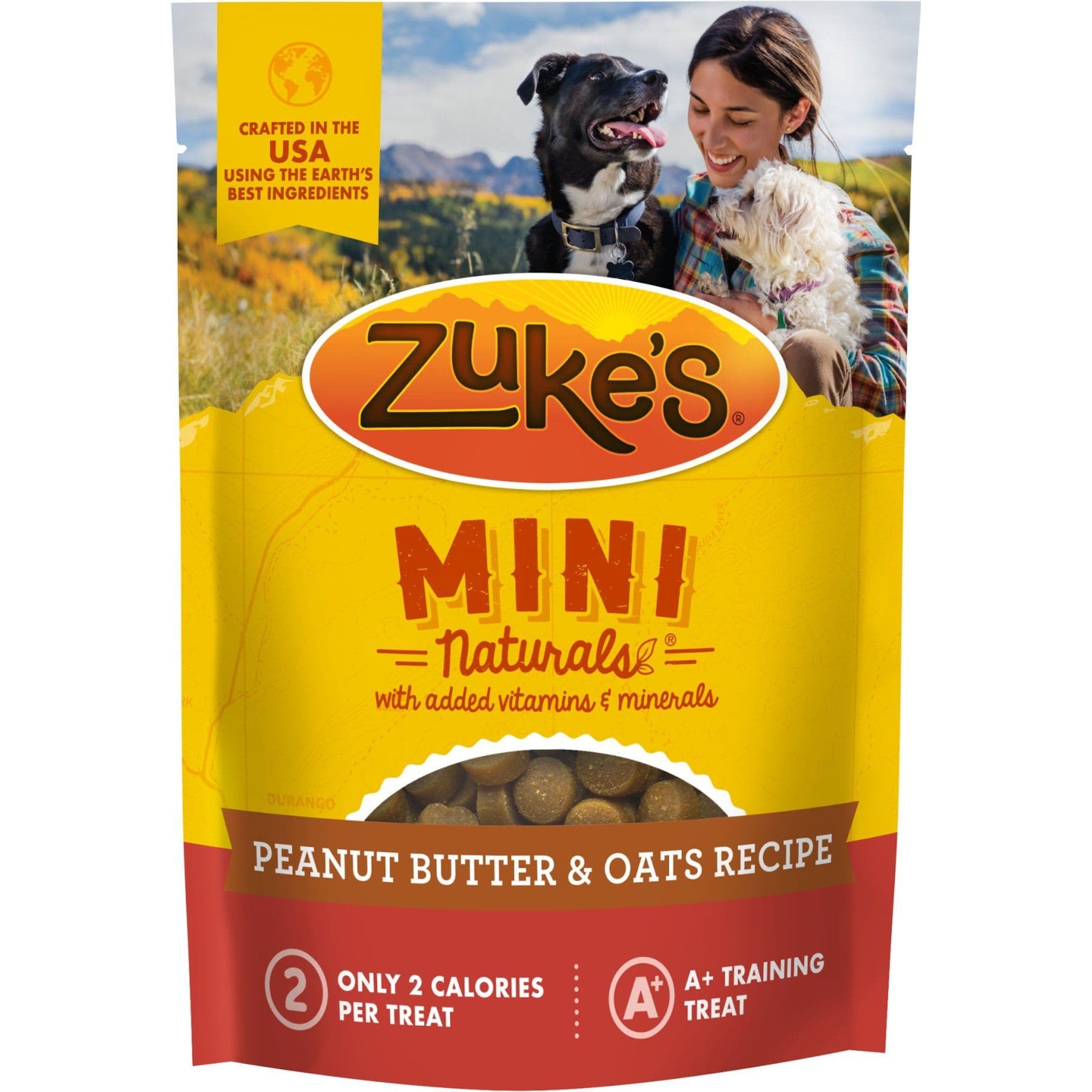
This is an optional dog treat. Review its current label, ingredients, calories, and feeding directions, and count it within the total daily extras.
Webvet may earn a commission when you click through to Chewy, at no extra cost to you.
Wash fresh cilantro, remove spoiled material and foreign debris, and serve it plain. Fresh cilantro leaves and stems are different from coriander seed, essential oil, concentrated extract, salsa, chutney, curry, and seasoned rice. Wash the herb and identify what the dog actually ate. A garnish taken from a restaurant dish may carry onion, garlic, chile, salt, fat, avocado, or other ingredients that matter more than the herb. Leaves and tender stems are both part of the non-toxic plant; a blanket instruction to discard every stem is not evidence-based. Chop long pieces when that better suits the individual dog's chewing pattern.
How to Portion Cilantro
Long or fibrous stems may be awkward for a dog that gulps, but this is a texture decision rather than plant toxicity. Use a manageable form and supervision. Breathing or swallowing trouble is urgent, while a brief refusal to eat cilantro is simply a preference.
The main questions are food intolerance, texture, and what else was in the dish. Cilantro itself is not an expected cause of systemic poisoning. Persistent vomiting or diarrhea, marked lethargy, pain, or signs after a complex recipe require assessment based on the full exposure.
| Decision point | Evidence-based guidance |
|---|---|
| Plain food | Assess plain cilantro by form, amount, tolerance, and the individual dog. |
| Portion | Use the individual calorie allowance, not a fixed piece or spoon table |
| Preparation | Serve it plain and choose a manageable size and texture. |
| Mixed product | Read every ingredient and keep the package or recipe for advice. |

How to Prepare Cilantro
Salsa, cilantro rice, marinades, broth, tacos, and sauces may contain onion or garlic, which have dose-dependent toxicology. Lime juice, ordinary salt, stock, oil, and seasoning are not automatically toxic at any trace amount. Quantify each ingredient instead of labeling the whole dish from its name.
Dogs on a therapeutic diet or elimination food trial should receive only approved ingredients, even when a plant is non-toxic. Cilantro has no established role in treating nausea, bad breath, dehydration, constipation, obesity, or another condition. Those signs or goals deserve diagnosis and an appropriate plan.
Risks and When to Call
Call a veterinarian for persistent illness, breathing or swallowing difficulty, neurologic signs, a substantial complex-food exposure, or a recipe containing a potentially meaningful amount of onion, garlic, or another toxic ingredient. For an accidental herb exposure, note whether the dog chewed a grocery-store bunch, raided compost, sampled a seasoned meal, or reached a concentrated product. Repeated vomiting, marked drooling, tremors, weakness, breathing trouble, or a known hazardous co-ingredient warrants prompt veterinary advice. Mild stomach upset after a new food still does not prove cilantro poisoning, and a symptom-free interval does not clear an unknown mixed recipe. Keep the recipe and report amount, timing, dog weight, and signs.
Bad breath can reflect dental or medical disease, and gastrointestinal signs have many causes. Masking an odor or adding an herb does not treat the source. Arrange veterinary care for persistent halitosis, oral pain, reduced appetite, repeated vomiting, or diarrhea instead of using cilantro as home therapy.
If this food does not fit the plan, choose another veterinarian-approved treat and count it within the same calorie allowance.

Forms and Ingredients of Cilantro
Plain cilantro is non-toxic to dogs, including leaves and tender stems, but no clinical benefit or fixed portion is established. Cilantro appears in foods whose other ingredients deserve close attention. Salsa may contain onion, garlic, chile, salt, and avocado; chutney can add raisins or sweeteners; curry and rice dishes may contain Allium seasoning, dairy, or substantial fat. Keep a restaurant ingredient list or photograph the package and estimate the whole amount eaten, not just the visible leaves. Coriander seed and concentrated herb extracts also should be reported by their own product name and concentration. If oil or extract spills on the coat, prevent licking and ask for decontamination advice rather than washing with another scented product. Keep it plain, check prepared foods ingredient by ingredient, and separate true Allium hazards from ordinary recipe components.
Choosing Other Treats
The practical decision is individualized: confirm the exact food, use a manageable texture, keep extras within the calorie plan, and watch the actual dog rather than a fixed schedule. Contact a veterinarian for persistent vomiting or diarrhea, marked lethargy, pain, breathing or swallowing trouble, inability to pass stool or urine, neurologic signs, or any ingredient-specific toxicology concern. Related guidance: Carrots; Green beans.

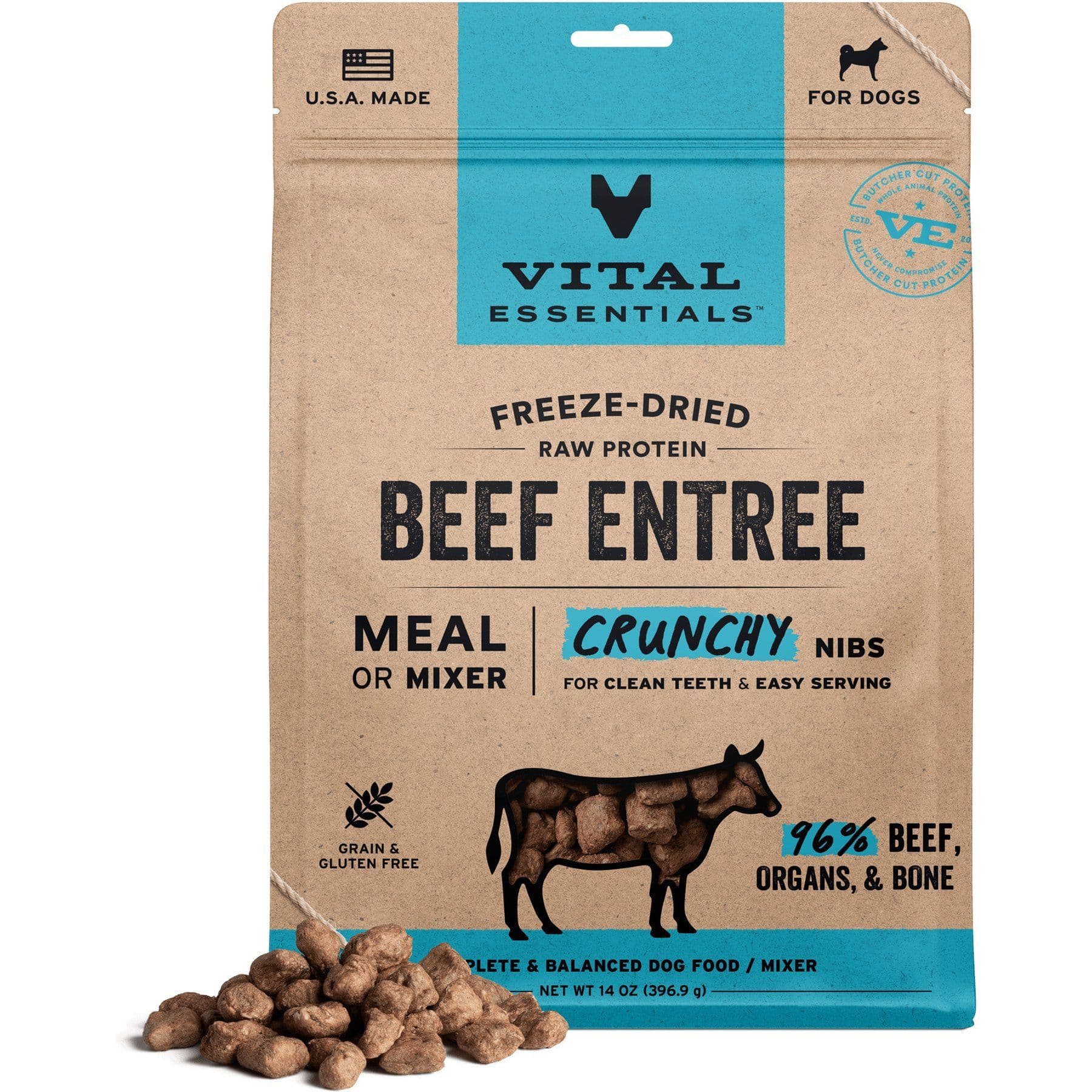
This is an optional dog treat. Review its current label, ingredients, calories, and feeding directions, and count it within the total daily extras.
Webvet may earn a commission when you click through to Chewy, at no extra cost to you.
Frequently Asked Questions
Is cilantro poisonous to dogs?
ASPCA lists cilantro as non-toxic to dogs. An individual dog may still develop gastrointestinal upset after unfamiliar plant material.
Can cilantro settle a dog's stomach?
No reliable veterinary evidence establishes cilantro as a treatment for nausea, digestion, bad breath, hydration, or another condition.
Must cilantro stems be removed?
No blanket rule requires removal of every tender stem. Wash the plant and prepare a manageable texture for the individual dog.
Is cilantro rice or salsa safe?
It depends on the recipe and amount. Onion and garlic are distinct concerns; lime, ordinary salt, broth, oil, and seasonings need dose-aware assessment.
When does a cilantro exposure need veterinary help?
Seek help for persistent illness, breathing or swallowing trouble, neurologic signs, a large exposure, or a hazardous co-ingredient.
More safe treats
More vegetables for dogs
Sources
- ASPCA: Toxic and Non-Toxic Plants, Cilantro
Lists cilantro as non-toxic to dogs and cats while not claiming digestive, breath, hydration, or other therapeutic benefits.
- Merck Veterinary Manual: Overview of Nutrition in Small Animals
Supports complete and balanced feeding and patient-specific nutrition; it does not establish clinical benefit from a treat portion.
- Merck Veterinary Manual: Garlic and Onion Toxicosis in Animals
Supports dose-dependent oxidative red-cell injury from Allium ingredients and separates that toxicology from ordinary fats, salt, or dairy ingredients.
- Merck Veterinary Manual: Salt Toxicosis in Animals
Supports dose- and hydration-dependent salt toxicosis rather than treating one salted bite as a defined toxic dose.
- WSAVA: Feeding Treats to Your Dog
Supports keeping dog treats within about 10% of daily calories and calculating portions from individual energy needs.
Reviewed by Dr. Athena Gaffud, DVM
General guidance based on credible veterinary sources; not a diagnosis or a substitute for your veterinarian. If your pet ate something toxic or is unwell, contact your vet or a pet poison line right away.