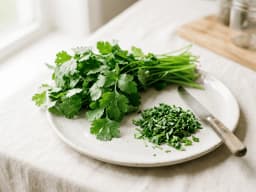
Can cats eat cilantro?
Safe in moderationASPCA lists cilantro as non-toxic to cats; a small plain nibble is usually low risk, while mixed dishes need ingredient review.


Medically reviewed by Dr. Athena Gaffud, DVM · Last reviewed
Can Cats Eat Cilantro?
ASPCA lists cilantro as non-toxic to cats, so a small accidental nibble of the plain herb is usually a low-poisoning-risk event. That conclusion does not extend automatically to salsa, rice, sauce, broth, or another prepared dish. Check the actual recipe and amount before deciding what matters. Related guidance: garlic.
- 1Assess cilantro by its exact form, amount, added ingredients, and the individual cat.
- 2There is no evidence-based leaf count, pinch, spoon, or frequency schedule. If a veterinarian considers a plain taste compatible, it should remain a minor extra within the full calorie plan. A cat that ignores cilantro does not need encouragement to eat it for health.
- 3Prepare cilantro plainly and choose a size and texture suited to how this cat eats.
- 4The practical concerns are individual gastrointestinal intolerance, an unsuitable texture, displacement of complete food, and ingredients in a mixed dish. A plain nibble is not described as a common emergency. Persistent vomiting, appetite loss, marked lethargy, or pain deserves veterinary assessment.
- 5Call for persistent illness, swallowing trouble, a possible foreign body, or a hazardous co-ingredient.

Treats should stay under 10% of your cat's daily calories. Smalls makes the rest, built around the meat an obligate carnivore actually needs.
- Human-grade ingredients, protein first
- Built for obligate carnivores
- Fresh meals delivered to your door
Webvet may earn a commission when you click through to Smalls, at no extra cost to you.
Is Cilantro Safe for Cats?

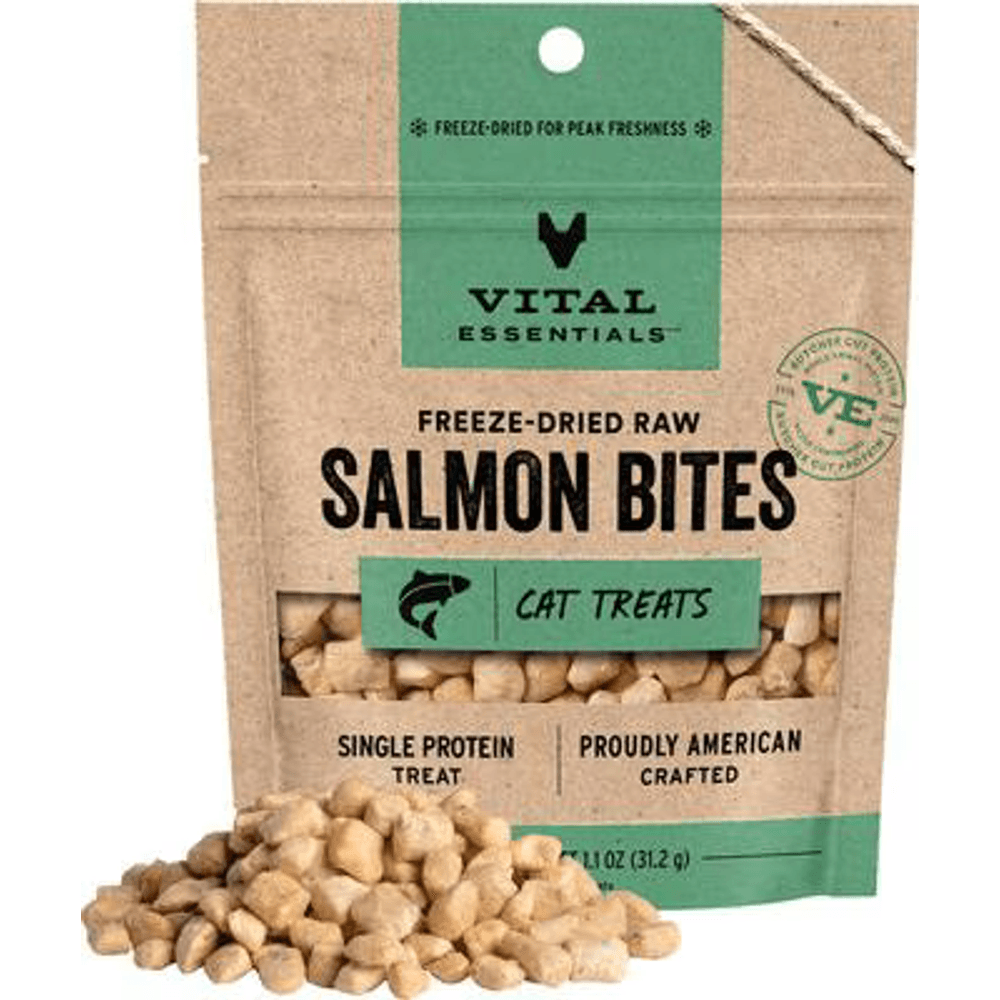
This is an optional cat treat. Review its current label, ingredients, calories, and feeding directions, and count it within the total daily extras.
Webvet may earn a commission when you click through to Chewy, at no extra cost to you.
A tiny plain nibble may cause no signs, while unfamiliar plant material can cause nonspecific vomiting or diarrhea in an individual cat. Store herb oils and concentrated flavor drops away from cats; a spill on fur creates an oral exposure when the cat grooms. Keep the container for ingredient and concentration details. It is inaccurate to say any cilantro fiber will make every cat ill. Non-toxic also does not mean necessary, therapeutic, or appropriate in unlimited amounts. For mixed products containing cilantro, keep the package and report every ingredient, amount, time, cat's weight, history, and signs.
Cats require specific animal-derived nutrients in a complete diet, but they can digest and absorb some plant-derived nutrients. A cat that investigates cilantro does not need it for vitamins, detoxification, digestion, or fresh breath. Interest may reflect aroma, novelty, or food residue. Keep required nutrition in the complete feline diet, and ask before adding herbs during an elimination trial or therapeutic diet. Persistent vomiting, drooling, mouth irritation, or refusal to eat deserves veterinary advice. Cilantro has nutritional components, yet a nibble has no established clinical benefit. Avoid both extremes: it is neither a required supplement nor nutritionally meaningless by definition.
Nutritional Context for Cilantro
This food adds optional calories and nutrients, but the complete cat food remains responsible for meeting dietary requirements.
There is no evidence-based leaf count, pinch, spoon, or frequency schedule. If a veterinarian considers a plain taste compatible, it should remain a minor extra within the full calorie plan. A cat that ignores cilantro does not need encouragement to eat it for health. Use the calories in cilantro and the individual cat's remaining treat allowance; body weight alone is not a serving chart.

How to Portion Cilantro
Wash the herb, remove spoiled material, and offer only a plain leaf or tender stem if any is offered. Chop long stems when that makes the texture easier for the individual cat. Do not add salt, oil, sauce, or seasoning simply to make the herb appealing. Related guidance: vomiting.
| Decision point | Evidence-based guidance |
|---|---|
| Plain food | Assess plain cilantro by form, amount, tolerance, and the individual cat. |
| Portion | Use the individual calorie allowance, not a fixed piece or spoon table |
| Preparation | Serve it plain and choose a manageable size and texture. |
| Mixed product | Read every ingredient and keep the package or recipe for advice. |
How to Prepare Cilantro
Long stems or a large wad of leaves may be awkward for some cats to chew, but cilantro is not a classic feline obstruction based on the cited evidence. Supervise an interested cat and seek urgent care for breathing or swallowing difficulty.
The practical concerns are individual gastrointestinal intolerance, an unsuitable texture, displacement of complete food, and ingredients in a mixed dish. A plain nibble is not described as a common emergency. Persistent vomiting, appetite loss, marked lethargy, or pain deserves veterinary assessment. Related guidance: diarrhea.

This is an optional cat treat. Review its current label, ingredients, calories, and feeding directions, and count it within the total daily extras.
Webvet may earn a commission when you click through to Chewy, at no extra cost to you.
When Cilantro Becomes a Problem
Salsa and cilantro rice vary by recipe. Onion and garlic are genuine dose-dependent toxicology concerns. Lime acidity and ordinary salt are not feline poisons at every trace amount, though a large salty food or acidic product may still warrant advice based on dose, water access, and signs. Cats on food trials, kidney or heart diets, urinary plans, gastrointestinal diets, or other veterinary feeding programs should receive only approved extras. The cilantro plant's non-toxic status does not override a therapeutic diet, and it has no established role in treating disease.
Call for persistent gastrointestinal signs, breathing or swallowing trouble, marked lethargy, neurologic signs, a substantial mixed-dish exposure, or a recipe with a potentially important amount of Allium. Keep the recipe, estimate the amount and timing, and describe the cat's health and behavior.
Cat-Safe Treats That Actually Nourish
A cat may sniff, lick, avoid, or play with an herb for many reasons. Preference does not prove a nutritional need or aversion to a toxin. Keep plant identification certain because an unknown look-alike should not be assumed to share cilantro's ASPCA non-toxic listing. Related guidance: plain cooked chicken; plain cooked egg; plain cooked salmon.

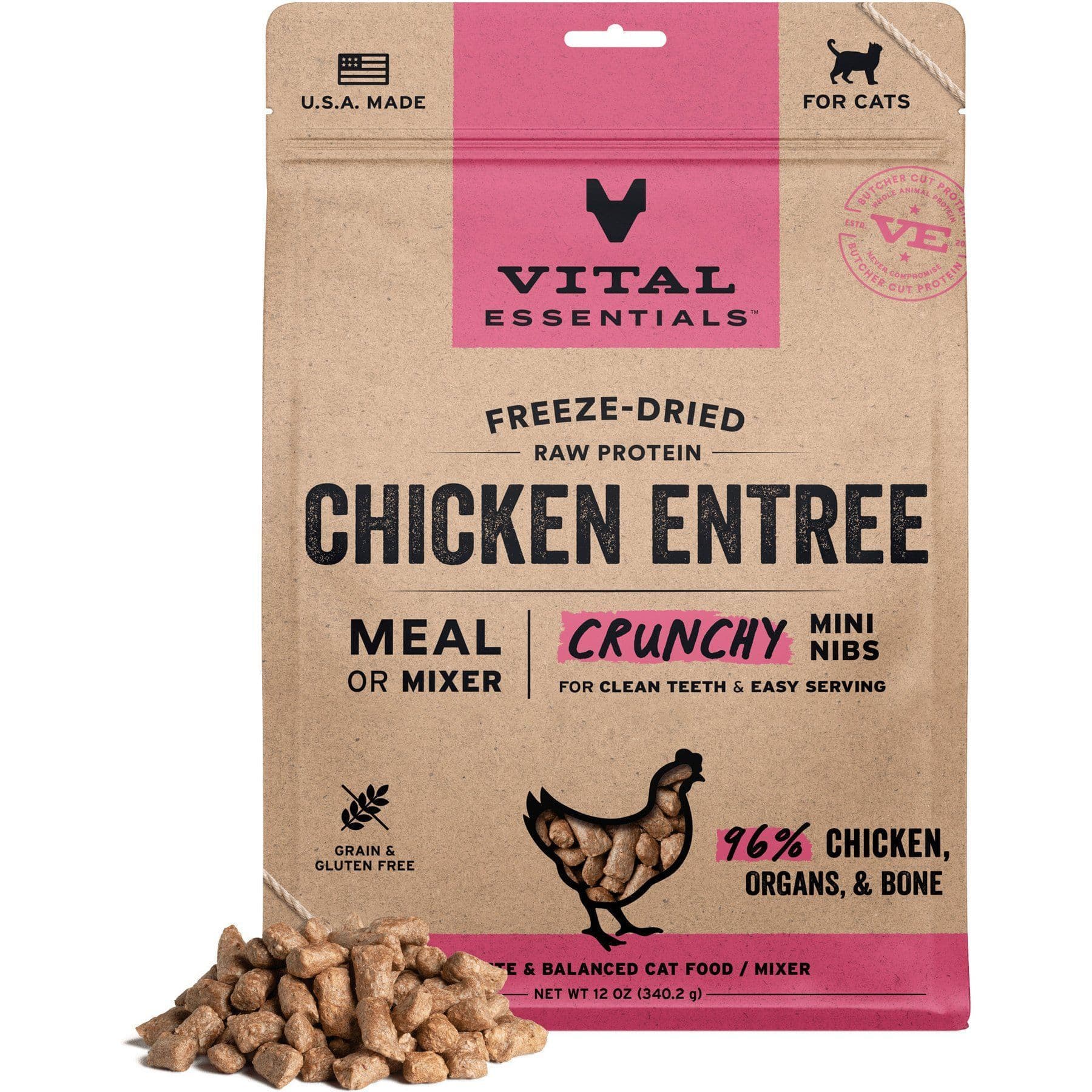
This is an optional cat treat. Review its current label, ingredients, calories, and feeding directions, and count it within the total daily extras.
Webvet may earn a commission when you click through to Chewy, at no extra cost to you.
If this food does not fit the plan, choose another veterinarian-approved treat and count it within the same calorie allowance.
Frequently Asked Questions
Is cilantro poisonous to cats?
ASPCA lists cilantro as non-toxic to cats. A small plain nibble is usually low risk, although an individual cat may have gastrointestinal upset.
Can cats digest anything from cilantro?
Cats require animal-derived nutrients but can digest and absorb some plant-derived nutrients. A cilantro nibble still has no proven clinical benefit.
Will cilantro fiber always upset a cat's stomach?
No. Plant material may upset an individual cat, but the evidence does not show that any amount of cilantro fiber causes illness in every cat.
Is salsa or cilantro rice an emergency?
Not from the dish name alone. Review onion, garlic, and every other ingredient, then assess the amount and the cat's signs.
Are lime and salt automatically poisonous to cats?
No. Their effects depend on form and dose. Allium ingredients are a separate and better-established toxicology concern.

A plain cilantro nibble is usually low risk for a cat, but it is optional and has no proven health effect. Fresh cilantro leaves and stems differ from coriander seed, concentrated extracts, essential oils, salsa, chutney, and seasoned rice. Wash the herb, remove spoiled material, and identify the actual form. A garnish from salsa or curry requires an ingredient check for onion, garlic, chile, salt, and fat rather than an assessment of cilantro alone. Use the direct ASPCA plant record, prepare a manageable form, and judge prepared dishes from their actual ingredients and amounts. The practical decision is individualized: confirm the exact food, use a manageable texture, keep extras within the calorie plan, and watch the actual cat rather than a fixed schedule. Contact a veterinarian for persistent vomiting or diarrhea, marked lethargy, pain, breathing or swallowing trouble, inability to pass stool or urine, neurologic signs, or any ingredient-specific toxicology concern.
More safe treats
More vegetables for cats
Sources
- ASPCA: Toxic and Non-Toxic Plants, Cilantro
Lists cilantro as non-toxic to dogs and cats while not claiming digestive, breath, hydration, or other therapeutic benefits.
- Merck Veterinary Manual: Overview of Nutrition in Small Animals
Supports complete and balanced feeding and patient-specific nutrition; it does not establish clinical benefit from a treat portion.
- Merck Veterinary Manual: Nutritional Requirements of Small Animals
Supports species-specific nutrient requirements, including the feline need for preformed vitamin A and the distinction between digestibility and essential nutrient source.
- Merck Veterinary Manual: Garlic and Onion Toxicosis in Animals
Supports dose-dependent oxidative red-cell injury from Allium ingredients and separates that toxicology from ordinary fats, salt, or dairy ingredients.
- Merck Veterinary Manual: Salt Toxicosis in Animals
Supports dose- and hydration-dependent salt toxicosis rather than treating one salted bite as a defined toxic dose.
- WSAVA: Feeding Treats to Your Cat
Supports keeping cat treats within about 10% of daily calories without imposing universal piece, spoon, or frequency tables.
Reviewed by Dr. Athena Gaffud, DVM
General guidance based on credible veterinary sources; not a diagnosis or a substitute for your veterinarian. If your pet ate something toxic or is unwell, contact your vet or a pet poison line right away.