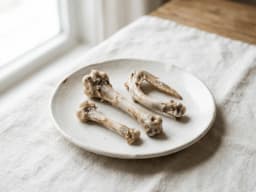
Can dogs eat chicken bones?
Not recommendedDo not give dogs cooked chicken bones. They can splinter, choke, obstruct, or perforate; call a veterinarian after ingestion.


Medically reviewed by Dr. Athena Gaffud, DVM · Last reviewed
Can Dogs Eat Chicken Bones?
No, dogs should not eat cooked chicken bones. Once a bone is cooked it turns dry and brittle, so instead of crushing safely it shatters into sharp, needle-like shards when a dog bites down. Those splinters can choke a dog or cut and puncture the mouth, throat, stomach, and intestines. Veterinarians are close to unanimous on this: cooked chicken bones of any kind, from wings and thighs to drumsticks, do not belong in your dog's food bowl or within reach of the trash.
- 1Cooked chicken bones are dangerous because they splinter into sharp fragments.
- 2The biggest risks are choking, mouth and throat cuts, and punctures or blockages in the gut.
- 3If your dog swallows a cooked bone, do not induce vomiting; call your vet right away.
- 4Watch for gagging, drooling, vomiting, a painful belly, straining, bloody stool, or lethargy.
- 5Safe protein treats like plain cooked boneless chicken and eggs give the reward without the hazard.

Treats should stay under 10% of your dog's daily calories. JustFoodForDogs makes the rest of it.
- Recipes developed by veterinary nutritionists
- Whole-food ingredients you can recognise
- Fresh meals delivered to your door
Webvet may earn a commission when you click through to JustFoodForDogs, at no extra cost to you.
Are chicken bones safe for dogs?
Cooked chicken bones create physical rather than chemical risk. They can become brittle and splinter, causing injury from the mouth through the gastrointestinal tract. A glass-like transformation is not the documented mechanism; the established concerns are splintering, choking, tooth or oral injury, obstruction, and perforation.


This is an optional dog treat. Review its current label, ingredients, calories, and feeding directions, and count it within the total daily extras.
Webvet may earn a commission when you click through to Chewy, at no extra cost to you.
It is worth separating two different questions that often get tangled together. Raw meaty bones fed as part of a carefully managed raw diet are a debated topic with their own set of risks and precautions, and some owners do feed them under guidance. Cooked chicken bones are a completely different thing. No credible source recommends letting a dog eat cooked bones, whether they come off your dinner plate, out of a takeout container, or from the garbage. This article is about the cooked bones that dogs actually get into by accident, and the answer there is simply to keep them away.
Why cooked chicken bones are so dangerous
The danger comes down to how cooked bone breaks. Small poultry bones such as wing, thigh, and drumstick bones are thin and already fragile, and cooking makes them more so. When a dog crushes one, it snaps into sharp fragments with jagged points and edges. On the way in, those edges can slice the gums, tongue, and the soft tissue at the back of the throat. A fragment can also get stuck across the roof of the mouth or wedged between the teeth, which is painful and distressing on its own.
If the fragments get swallowed, the risk moves downstream. A shard can lodge in the esophagus, or reach the stomach and intestines where its sharp ends can scratch, cut, or puncture the gut wall. A full-thickness puncture is a genuine emergency, because it lets bacteria and digestive contents leak into the abdomen and can cause a severe, life-threatening infection called peritonitis. Larger pieces or a cluster of fragments can also form a blockage that stops food and fluid from passing, which sometimes requires surgery to correct. Even when nothing tears, sharp fragments moving through the gut can cause painful straining, constipation, and streaks of blood in the stool.

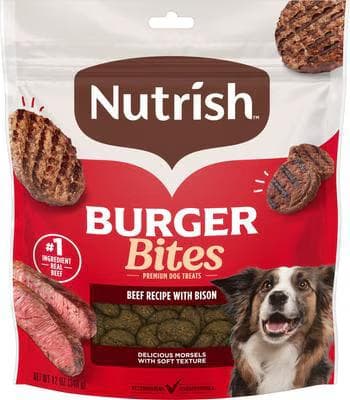
This is an optional dog treat. Review its current label, ingredients, calories, and feeding directions, and count it within the total daily extras.
Webvet may earn a commission when you click through to Chewy, at no extra cost to you.
A swallowed bone may pass, lodge, or injure the gastrointestinal tract. Outcome depends on its size, shape, location, the dog's anatomy, and clinical course. Do not use a 24-to-48-hour stomach-acid timetable as reassurance; a veterinarian should determine whether examination, imaging, or monitoring is appropriate.
Does dog size or bone type change the risk?
Body size, anatomy, bone size, shape, amount, and location all affect an individual case. Cooked bones should not be fed to large dogs, but bite force alone does not predict splintering and a flat-faced breed label does not determine the outcome.
The type and form of the bone matters too. Cooked bones are the most brittle and the most dangerous, and that includes rotisserie chicken, fried chicken, roasted carcasses, wings, and any bone that has been through an oven, grill, or fryer. Smoked and dehydrated bones sold as chews are also hardened and can splinter or crack teeth. The table below sums up how the everyday forms compare so you know what to guard against.
| Form of chicken bone | Verdict | Main concern |
|---|---|---|
| Cooked bones (roasted, fried, rotisserie) | Never | Splinter into sharp shards; choking and punctures |
| Bones in table scraps or trash | Never | Most common accidental source; often already brittle |
| Smoked or dehydrated bone chews | Avoid | Hardened; can splinter and fracture teeth |
| Raw meaty bones | Vet-guided only | Debated; risks of bacteria, choking, and tooth damage |
| Boneless cooked chicken meat | Safe treat | Plain and unseasoned; a good reward |
What to do if your dog ate a chicken bone
Do not induce vomiting. Call a veterinarian or emergency clinic and describe the bone type, size, amount, timing, dog's size, and symptoms. A physical foreign body may require examination or imaging, which a poison line cannot provide. Do not feed food to cushion fragments unless the treating veterinarian specifically instructs you to do so.

Injury or obstruction signs may be delayed, but there is no universal 72-hour owner protocol. Follow the monitoring period and feeding instructions set by the veterinarian for the exact bone and patient. Do not give bulky food to cushion fragments unless specifically directed, because fasting may be needed for sedation, endoscopy, or surgery.
Safe alternatives to chicken bones
If you want to share the taste of chicken with your dog, skip the bone and give the meat. Plain, boneless, skinless cooked chicken with no salt, garlic, onion, or sauce is an excellent, protein-rich reward that most dogs love. Cooked eggs are another safe, high-quality protein option, served plain and fully cooked. For the chewing and gnawing instinct that a bone seems to satisfy, reach for a vet-approved chew toy or a dental chew sized for your dog instead of anything that can splinter.
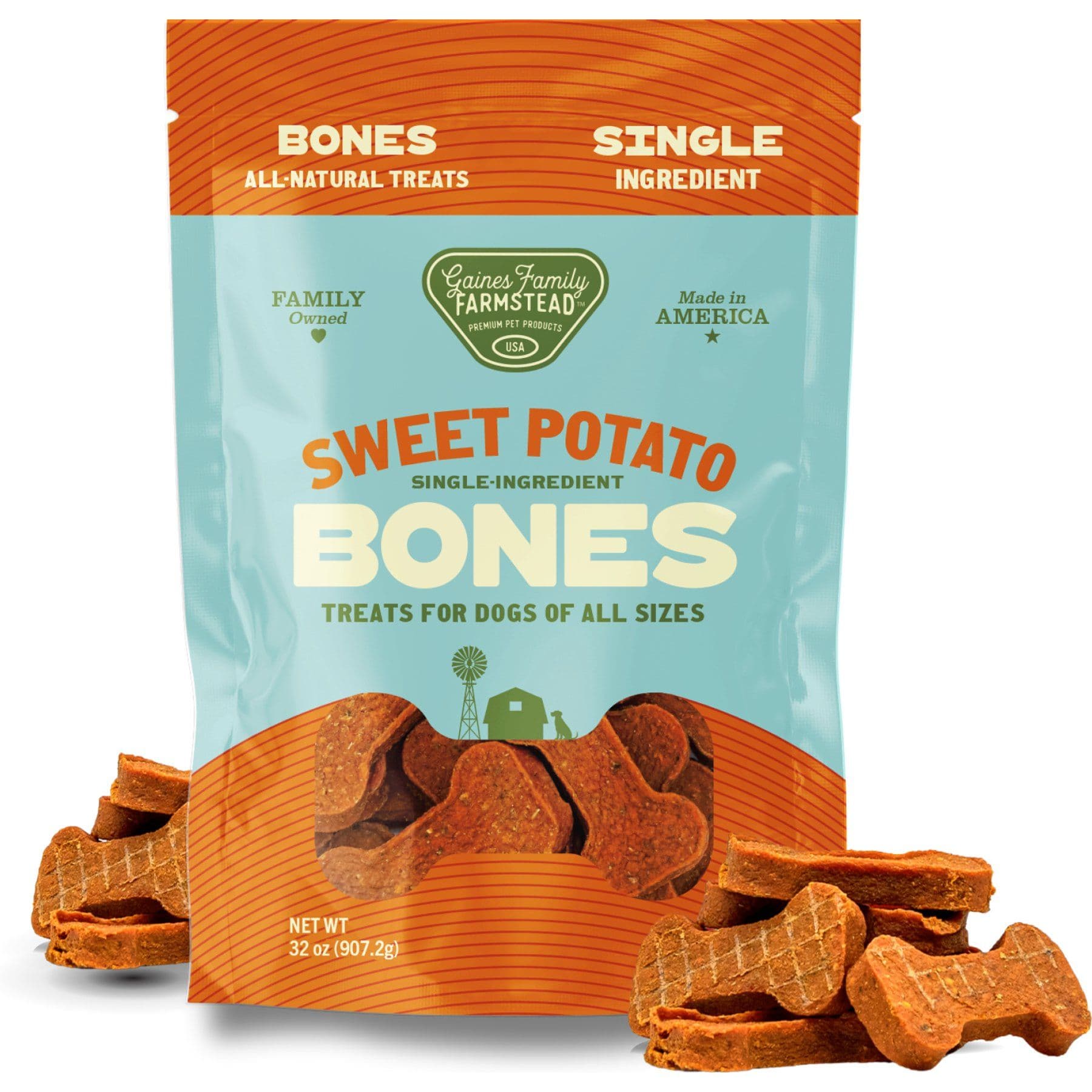
This is an optional dog treat. Review its current label, ingredients, calories, and feeding directions, and count it within the total daily extras.
Webvet may earn a commission when you click through to Chewy, at no extra cost to you.
The simplest way to protect your dog is to make cooked bones impossible to reach. Use a lidded, dog-proof trash can, clear plates from the table and counter right away, and be extra careful around holidays and takeout when carcasses and wings are everywhere. Let guests know not to slip your dog a bone under the table. A few seconds of caution beats an emergency vet bill and a frightening night.
Frequently asked questions
Can a dog die from eating a chicken bone?
It is uncommon, but yes, it can happen. A cooked bone that causes choking, a complete blockage, or a puncture that leads to internal bleeding or infection can be fatal without prompt treatment. Many dogs pass a bone uneventfully, but because you cannot predict which case will go wrong, any known bone ingestion is worth a call to your vet.
Will a dog's stomach acid dissolve a chicken bone?
A swallowed bone may pass, lodge, or cause injury. There is no reliable 24-to-48-hour stomach-acid rule. Contact a veterinarian for guidance based on the bone, amount, dog, symptoms, and whether examination or imaging is needed.
Are raw chicken bones safer than cooked ones?
Raw bones are less brittle than cooked ones and are less prone to splintering, which is why raw feeders use them. But they are not risk-free: they still pose choking and tooth-fracture hazards and can carry bacteria like salmonella. Raw feeding is a separate topic that should only be done under veterinary guidance. Cooked chicken bones are never recommended for any dog.
My dog ate a chicken bone but seems fine. What should I do?
Do not induce vomiting. Call a veterinarian even if the dog appears normal, and follow the case-specific monitoring plan. Seek urgent care for breathing or swallowing difficulty, repeated vomiting, abdominal pain or swelling, straining, black or bloody stool, weakness, or collapse.

Safe alternatives
More meat & seafood for dogs
Sources
- FDA: Potentially Dangerous Items for Your Pet
Supports foreign-body choking and gastrointestinal obstruction risk from food items and bones.
- FDA: Take the Oh No Out of Your Pet's Holiday Ho Ho Ho
Warns that bones can splinter and cause blockage or perforation.
- VCA: Nutrition, Natural Approaches to Feeding
Supports risks from cooked and raw bones, including splintering, tooth fracture, obstruction, perforation, fecal impaction, and bacteria.
- Cornell: Gastrointestinal Foreign Body Obstruction in Dogs
Supports patient-specific examination, imaging, monitoring, endoscopy, or surgery for suspected obstruction.
Reviewed by Dr. Athena Gaffud, DVM
General guidance based on credible veterinary sources; not a diagnosis or a substitute for your veterinarian. If your pet ate something toxic or is unwell, contact your vet or a pet poison line right away.