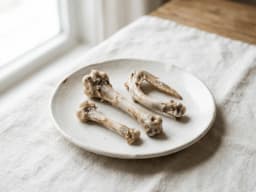
Can cats eat chicken bones?
Not recommendedDo not give cats cooked chicken bones. They can splinter, choke, obstruct, or perforate; call a veterinarian after ingestion.


Medically reviewed by Dr. Athena Gaffud, DVM · Last reviewed
Can Cats Eat Chicken Bones?
Cats should not eat cooked chicken bones. Cooked bones can become brittle and splinter, causing choking, oral or esophageal injury, obstruction, or gastrointestinal perforation. Keep cooked bones out of reach, but do not turn a theoretical single-fragment hazard into a universal one-splinter emergency claim.
- 1Cooked chicken bones are never safe for cats; they splinter into sharp fragments that can choke or puncture the gut.
- 2The danger is mechanical, not toxic, but a single shard can still cause a life-threatening blockage or perforation.
- 3If your cat swallows a cooked bone, do not induce vomiting; call your vet or a poison line right away.
- 4Whole-prey raw feeding is a separate, supervised practice; it does not make the cooked bones on your plate safe.
- 5For a real protein treat, offer plain cooked boneless chicken, a little egg, or a flake of plain cooked fish instead.

Treats should stay under 10% of your cat's daily calories. Smalls makes the rest, built around the meat an obligate carnivore actually needs.
- Human-grade ingredients, protein first
- Built for obligate carnivores
- Fresh meals delivered to your door
Webvet may earn a commission when you click through to Smalls, at no extra cost to you.
Why cooked chicken bones are so dangerous for cats
Cooked bones can become brittle and splinter into pointed fragments. Those fragments may injure the mouth, esophagus, stomach, or intestines, or create choking or obstruction. A large-dog comparison does not predict a cat's outcome; the veterinarian should assess the actual bone size, shape, amount, location, anatomy, and symptoms.

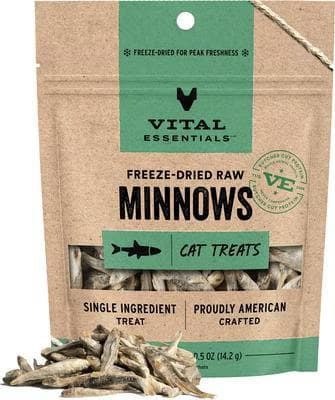
This is an optional cat treat. Review its current label, ingredients, calories, and feeding directions, and count it within the total daily extras.
Webvet may earn a commission when you click through to Chewy, at no extra cost to you.
The first risk is choking. A splinter can catch in the back of the mouth or get stuck across the roof of the mouth, and a whole small bone can wedge in the windpipe or esophagus, cutting off the airway or making it painful to swallow. The second risk is laceration. Sharp edges can slice the gums, tongue, and throat on the way down, then scrape or cut the lining of the stomach and intestines. The third and most serious risk is perforation and obstruction. A shard can puncture right through the gut wall, spilling bacteria into the abdomen and causing peritonitis, a life-threatening infection, or a cluster of fragments can jam together and block the intestine entirely. Any of these can turn into an emergency that needs surgery, and unlike a poisoning there is no antidote; the only fix is to prevent the exposure in the first place.
But aren't cats carnivores that eat bones in the wild?
A cat's carnivorous biology does not make cooked table bones safe. Cooked bones can splinter, while raw bones still carry risks of tooth fracture, choking, fecal impaction, obstruction, perforation, and bacterial exposure. Avoid the oversimplified bend-versus-glass explanation.

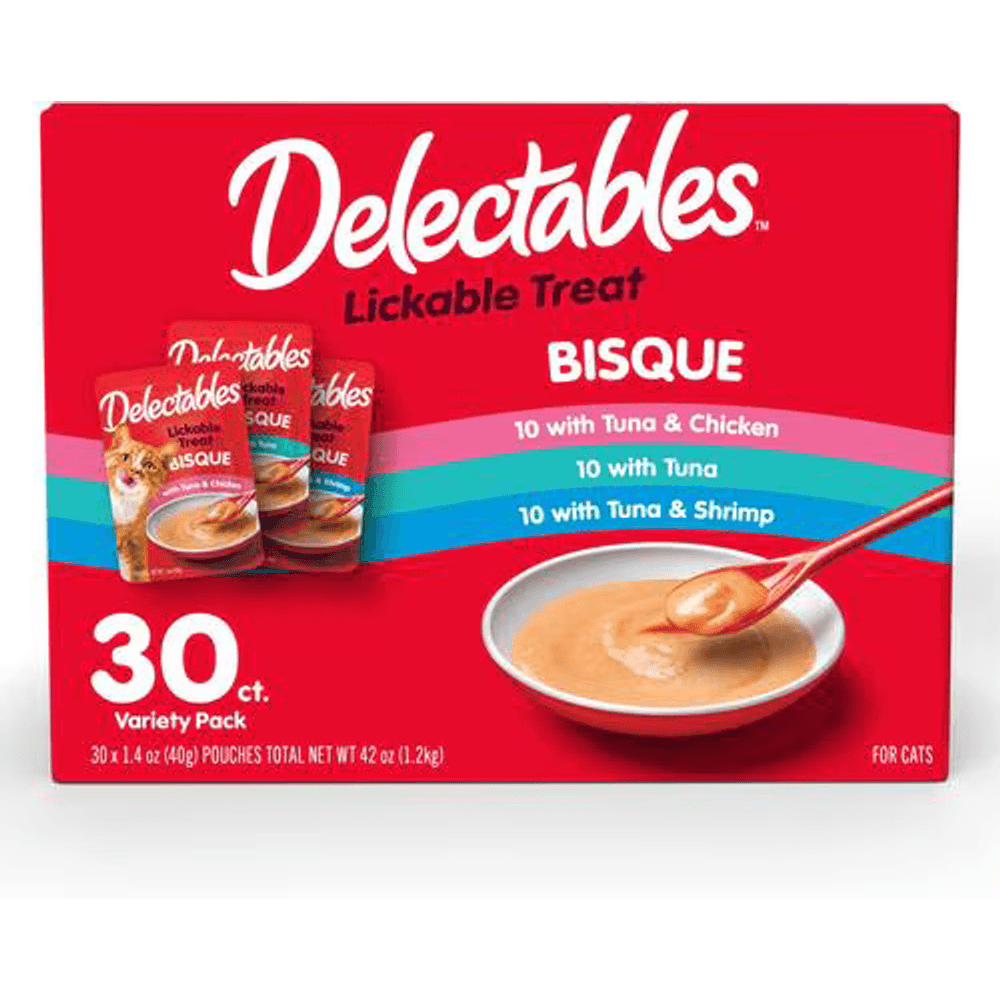
This is an optional cat treat. Review its current label, ingredients, calories, and feeding directions, and count it within the total daily extras.
Webvet may earn a commission when you click through to Chewy, at no extra cost to you.
Raw feeding is a separate topic with its own passionate following and its own risks. Some cats are fed a whole-prey or raw diet that includes soft, uncooked bones under a plan built with a veterinarian, and raw bones are indeed less likely to splinter than cooked ones. But raw is not risk-free either. Uncooked bones can still crack a tooth or lodge in the throat, and raw poultry can carry Salmonella and Campylobacter, bacteria that can make both your cat and your household sick. None of that makes the cooked bones on your dinner plate safe. If you are curious about raw feeding, talk to your vet first rather than improvising with table scraps.
Cooked, raw, and fried bones at a glance
| Type | Guidance | Why |
|---|---|---|
| Cooked chicken bones | Do not feed | Can splinter, choke, obstruct, or perforate. |
| Fried chicken bones | Do not feed | Still cooked and brittle; coating may contain Allium ingredients or excess sodium and fat. |
| Raw poultry bones | Not risk-free | Can fracture teeth, lodge, obstruct, perforate, cause fecal impaction, or carry bacteria. |
| Bone broth | Check carefully | Use only if free of bone fragments, onion, garlic, and excessive sodium, and appropriate for the individual cat. |
What to do if your cat ate a chicken bone
First, stay calm and take away any remaining bones so your cat cannot swallow more. Do not induce vomiting and do not try to reach into your cat's throat to fish out a fragment, since both can cause new injuries. Check whether your cat is breathing normally and swallowing without obvious pain. Then call your veterinarian or an emergency clinic and tell them what was eaten, how much, and when, so they can decide whether your cat needs to come in right away or be monitored at home. In many cases a small, smooth bone passes through the digestive tract on its own, but that is a judgment call for a professional to make, not something to guess at.
Warning signs of a problem
Trouble can show up quickly or take a day or two to develop as a fragment travels. Early signs often involve the mouth and throat: repeated gagging or retching, heavy drooling, pawing at the face, or reluctance to eat because swallowing hurts. As a shard moves lower, look for vomiting, a hunched posture, a belly that is hard or painful when gently touched, and constipation or straining to pass stool. The most worrying signs point to a puncture or blockage and include blood in the vomit or stool, black tarry stool, a swollen or tense abdomen, fever, and lethargy or collapse. None of these should be waited out; they are all reasons to call your vet or head to an emergency clinic without delay.

Safe protein treats to give your cat instead
If an optional treat fits your cat's complete diet and medical plan, one possible choice is a few pieces of plain cooked boneless chicken, cooked without salt, butter, garlic, or onion and carefully checked for any stray bone. A small spoonful of plain cooked egg, scrambled or hard-boiled with nothing added, is another good option that most cats love. Whatever food you choose, count its calories and keep it boneless, plain, and compatible with the individual cat's diet.
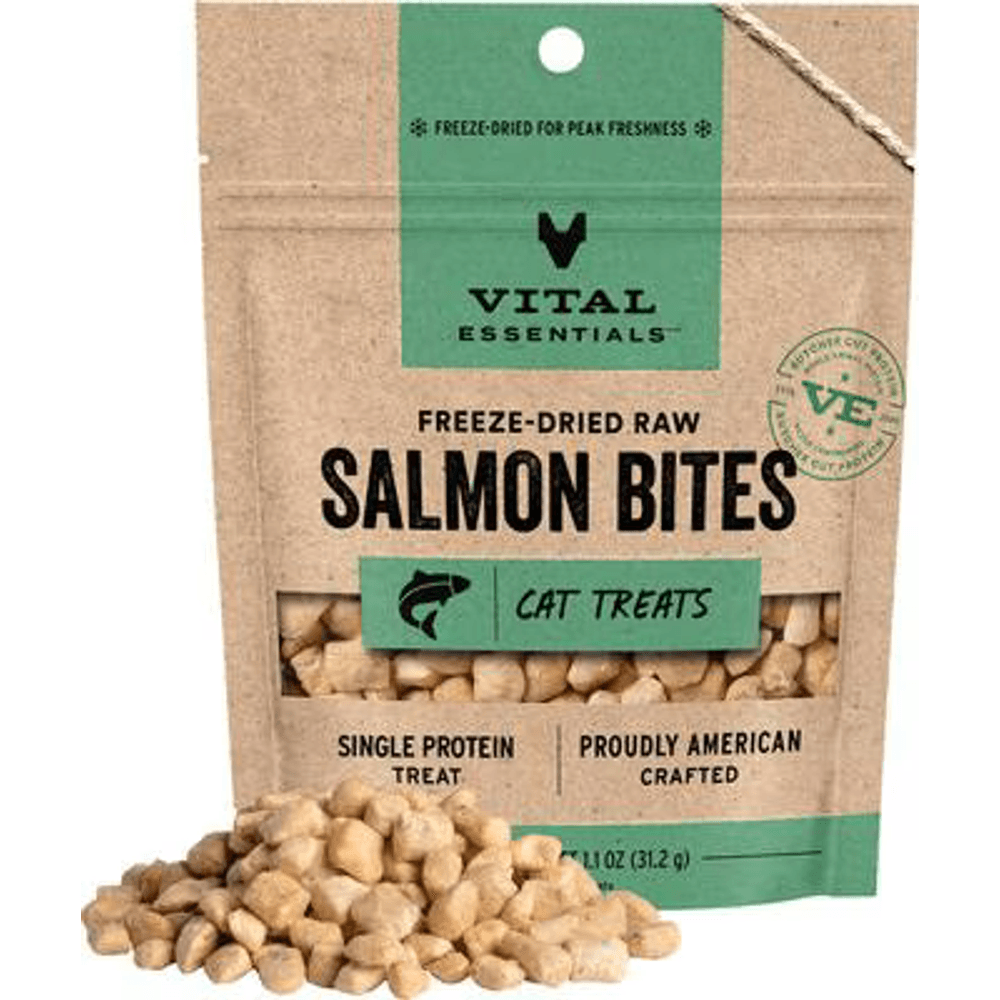
This is an optional cat treat. Review its current label, ingredients, calories, and feeding directions, and count it within the total daily extras.
Webvet may earn a commission when you click through to Chewy, at no extra cost to you.
Plain boneless cooked meat or fish can be an occasional treat. Bone broth is acceptable only when it contains no bone fragments, onion, garlic, or excessive sodium and is appropriate for the individual cat. Check baby-food labels for Allium ingredients. Keep treats within the cat's overall nutrition plan.
The bottom line
Cooked chicken bones are simply not worth the risk for a cat. They offer no nutrition a balanced cat food does not already provide, and the choking, cutting, and puncture hazards they carry can turn a happy dinner into an emergency vet visit. Keep bones off the counter and out of the trash where a curious cat can reach them, share boneless cooked meat instead, and if your cat ever does swallow a cooked bone, skip the home remedies and call your vet. A little caution here is a lot cheaper, and a lot kinder, than the alternative.
Frequently Asked Questions
What happens if my cat eats a chicken bone?
Outcome ranges from passage without incident to choking, injury, obstruction, or perforation. Call a veterinarian and do not induce vomiting. The veterinarian should determine whether examination, imaging, and a specific monitoring period are needed.
Can cats eat raw chicken bones?
Raw bones are softer and less likely to splinter than cooked ones, and some cats on a vet-guided whole-prey diet do eat them. But raw is not risk-free: bones can still lodge or crack a tooth, and raw poultry can carry Salmonella and Campylobacter. If you want to feed raw, plan it with your veterinarian rather than tossing your cat an uncooked bone from the kitchen.
Can cats eat fried chicken bones?
No. Fried chicken bones carry every danger of any cooked bone, since they are still brittle and prone to splintering, plus a greasy, heavily salted coating that can upset a cat's stomach. Cats are also very sensitive to salt, and fried coatings often contain garlic or onion powder, which are toxic to cats. Keep fried chicken and its bones away from your cat entirely.
How long should I monitor my cat after it eats a chicken bone?
There is no universal 48-to-72-hour monitoring window. Follow the veterinarian's plan for the exact bone and cat, and seek urgent care for vomiting, drooling, appetite loss, pain, straining, black or bloody stool, weakness, or breathing or swallowing difficulty.
What kind of bones can cats eat safely?
Do not feed cooked bones. Raw bones are not risk-free and should not be improvised as table scraps. Offer plain boneless food instead; if using broth, confirm that it is free of bone fragments, onion, garlic, and excessive sodium.

Safe alternatives
More meat & seafood for cats
Sources
- VCA: Do's and Don'ts for a Cat-Safe Game Day
Specifically warns that cooked chicken-wing bones can splinter, puncture, choke, or obstruct a cat.
- FDA: Potentially Dangerous Items for Your Pet
Supports patient-specific foreign-body choking and gastrointestinal obstruction risk.
- VCA: Nutrition, Natural Approaches to Feeding
Supports that raw bones still pose tooth-fracture, fecal-impaction, obstruction, perforation, and bacterial risks.
Reviewed by Dr. Athena Gaffud, DVM
General guidance based on credible veterinary sources; not a diagnosis or a substitute for your veterinarian. If your pet ate something toxic or is unwell, contact your vet or a pet poison line right away.