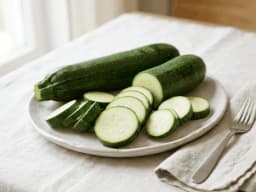
Can cats eat zucchini?
Safe in moderationASPCA lists zucchini as non-toxic to cats, but it is optional, nutritionally incomplete, and not a filler, weight treatment, or required food.


Medically reviewed by Dr. Athena Gaffud, DVM · Last reviewed
Can Cats Eat Zucchini?
ASPCA lists zucchini as non-toxic to cats. A plain piece may be an optional taste, but it is nutritionally incomplete and does not replace the complete feline diet or function as a weight-loss filler. Check the exact product and preparation before offering more. The amount eaten, the cat's weight, current diet, health history, and any symptoms are more useful than the food name alone. Keep the package or recipe until the exposure has been assessed, and list every ingredient in a mixed product. For an intentional taste, distinguish soft plain flesh from a firm raw coin, skin, spiralized noodles, chips, fritters, bread, casserole, or a restaurant side. Cut any approved plain piece for the individual cat's chewing and count it among all daily extras. If the cat raided a dish or trash, keep the recipe and describe missing skewers, foil, wrap, or containers. Zucchini's non-toxic classification does not cover unrelated ingredients or guarantee that every swallowed object will pass.
- 1ASPCA lists zucchini as non-toxic to cats, but it is optional, nutritionally incomplete, and not a filler, weight treatment, or required food.
- 2No universal serving of zucchini is established by body weight alone.
- 3Zucchini products can differ in preparation, co-ingredients, calories, texture, and packaging.
- 4Assess the exact zucchini form, maximum amount, patient history, and symptoms rather than relying on the food name alone.
- 5Keep the product information and call for concerning symptoms or a confirmed hazardous ingredient.

Treats should stay under 10% of your cat's daily calories. Smalls makes the rest, built around the meat an obligate carnivore actually needs.
- Human-grade ingredients, protein first
- Built for obligate carnivores
- Fresh meals delivered to your door
Webvet may earn a commission when you click through to Smalls, at no extra cost to you.
Can cats eat zucchini?
Plain zucchini flesh, skin, raw pieces, cooked pieces, bread, fritters, noodles, casseroles, garden plants, and mixed dishes are different exposures. A classification for one form does not automatically apply to a mixed dish, concentrated product, spoiled food, or swallowed packaging. If the cat already ate some, record the time and maximum amount and watch appetite, activity, vomiting, stool, abdominal comfort, and drinking.

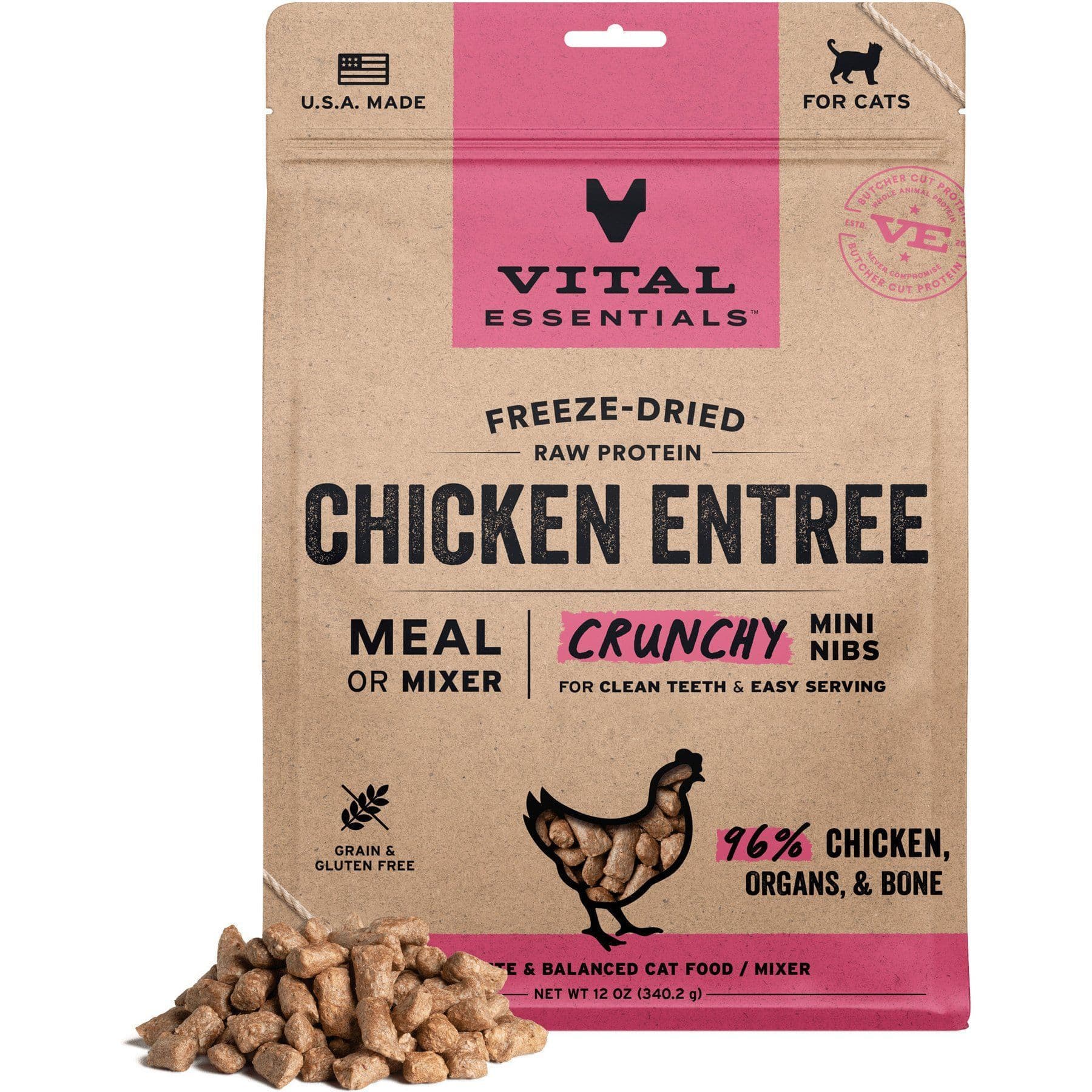
This is an optional cat treat. Review its current label, ingredients, calories, and feeding directions, and count it within the total daily extras.
Webvet may earn a commission when you click through to Chewy, at no extra cost to you.
Low acute toxicologic concern for one plain zucchini exposure would not prove that routine use is nutritionally useful or appropriate for every patient. Weight management should use a veterinarian-guided calorie plan that preserves nutrient density. A therapeutic diet or food trial may require no unplanned zucchini or mixed products. Complete cat food should remain the nutritional base.
What zucchini contains and what that means
There is no evidence-based body-size serving table. Zucchini can dilute a complete diet if used as a bowl filler, particularly when an animal's calorie allowance and nutrient density are being managed. Vitamins, minerals, protein, fiber, water, or antioxidants listed for zucchini do not guarantee a health effect from a household taste. The amount supplied, its availability, the rest of the diet, and the outcome being measured would all matter. For a cat already eating complete food, zucchini is optional rather than a treatment or required supplement.
ASPCA lists zucchini as non-toxic to dogs and cats. That classification does not establish stool-firming, hydration, fullness, antioxidant, diabetic, weight-control, or vitamin treatment effects. Product details and patient history matter more than a general claim about the food. Keep the label, identify the form and preparation, and separate a confirmed toxic ingredient from ordinary calorie, fat, sodium, or tolerance questions.

Why zucchini has no universal serving
There is no universal household serving of zucchini based only on body weight. Teaspoons, cubes, pieces, or weekly schedules leave out product calories, every other treat, body condition, activity, life stage, and medical needs. If a veterinarian approves an occasional portion, use the exact product's calories and the cat's individual feeding plan. Raw coins, cooked pieces, noodles, bread, fritters, and bowl-filler amounts cannot share one portion rule.
Count zucchini with chews, toppers, table scraps, pill foods, dental products, and flavored supplements. Repeated small extras can become a meaningful share of daily calories even when a single taste is not expected to cause acute illness.
| Situation | What matters | Owner action |
|---|---|---|
| Plain zucchini | Product, amount, calories, tolerance | Compare with the complete diet |
| Mixed or seasoned product | Full ingredient list and maximum amount | Assess each ingredient separately |
| Physical hazard | Piece size, form, packaging, symptoms | Seek advice for choking, pain, or repeated vomiting |
| Medical or prescription diet | Diagnosis and nutrient targets | Ask the treating veterinarian before adding extras |
Zucchini forms and preparation
Wash it, remove spoiled portions, and size an optional plain piece for the individual animal. Raw versus cooked is mainly a texture and tolerance question; properly sized raw zucchini is not inherently poisonous or indigestible. Keep spoiled food, cooking scraps, and wrappers out of reach. Refrigerate leftovers according to the human-food label, use clean utensils, and discard any product with unexpected odor, color, damage, or mold.

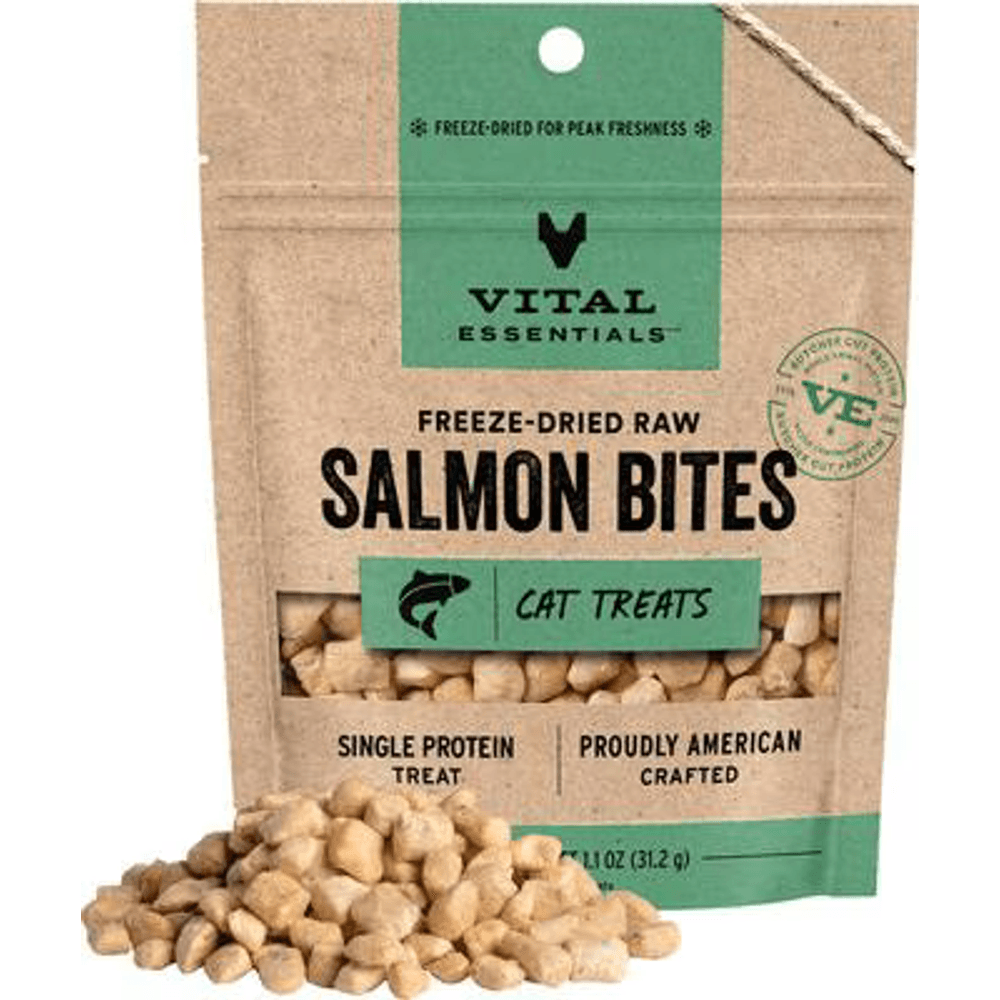
This is an optional cat treat. Review its current label, ingredients, calories, and feeding directions, and count it within the total daily extras.
Webvet may earn a commission when you click through to Chewy, at no extra cost to you.
Bread, fritters, casseroles, noodles, chips, and leftovers vary. Inspect oil, butter, sodium, sugar, alliums, raisins, chocolate, confirmed xylitol, other baking ingredients, and packaging. Photograph the ingredient and nutrition panels and estimate the maximum amount missing. Product words such as seasoned, rich, light, diet, sugar-free, or restaurant-made do not identify the actual formula.
Zucchini in the complete diet
Nutrition decisions depend on the complete recipe and the amount that repeatedly displaces balanced food, not on a single nutrient highlighted for zucchini.
A laboratory nutrient value for zucchini does not establish a treatment dose or a clinical outcome for this cat. Patient health, the product, the complete diet, and repeated intake all affect the question.

Other optional rewards
After an unplanned zucchini exposure, remove access and write down the time, form, ingredients, maximum amount, cat's weight, medical conditions, medications, and current signs. Bring the package or clear photographs when seeking advice. A veterinarian or animal poison service can decide whether home observation, an examination, testing, or treatment is appropriate. List cooking fat, alliums, baking ingredients, skewers, containers, wrappers, and the maximum amount missing.
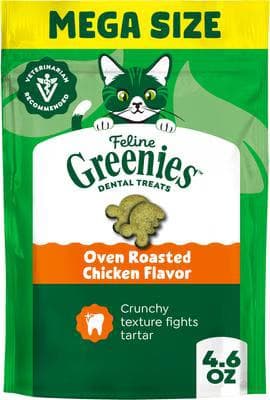
This is a dental cat treat. Follow the current label and ask your veterinarian how it fits alongside tooth brushing and professional dental care.
Webvet may earn a commission when you click through to Chewy, at no extra cost to you.
Contact a veterinarian for choking, repeated vomiting, marked abdominal pain, weakness, tremors, prolonged loss of appetite, or a large piece or packaging exposure. Prompt care is also appropriate for persistent inability to eat or drink normally, blood, collapse, severe distress, or rapidly worsening signs. A pet that looks normal immediately after ingestion may still need advice when a confirmed toxin, raw animal product, bone, hard object, or missing package is involved.
What to know about zucchini
Keep the package or recipe, identify all ingredients, and record the maximum amount eaten. The cat's current diet, medical history, and symptoms determine the next step. State whether it was raw flesh, cooked flesh, skin, noodles, bread, fritters, casserole, or garden material.
Frequently Asked Questions
Can cats eat zucchini?
The exact zucchini product, preparation, amount, patient, and current symptoms determine the practical advice. Keep the label or recipe.
Which form of zucchini matters most?
Plain and mixed zucchini products can differ in ingredients, calories, concentration, texture, and physical hazards. Report the maximum amount eaten.
How much zucchini is appropriate?
No universal serving is established. If a veterinarian approves this optional food, use its calories and the individual cat's feeding plan.
When should I call a veterinarian?
Call promptly for severe, persistent, or worsening signs, or for a confirmed hazardous ingredient or swallowed object. Choking, repeated vomiting, abdominal pain, weakness, or a large missing object should be reported promptly. Bring the package and exposure details.
Does zucchini provide a health benefit?
No clinical benefit from a household serving is established. Zucchini is optional and should not replace complete cat food.

More safe treats
More vegetables for cats
Sources
- ASPCA Animal Poison Control: Zucchini Squash
ASPCA lists zucchini squash as non-toxic to dogs and cats, which does not establish a therapeutic benefit or universal serving.
- Merck Veterinary Manual: Nutritional Requirements of Small Animals
Dogs and cats need species- and life-stage-appropriate complete nutrition; isolated foods do not establish a balanced diet or clinical benefit.
- Merck Veterinary Manual: Gastrointestinal Obstruction in Small Animals
Foreign-body concern depends on the object's size and characteristics, the amount swallowed, the patient, and the clinical signs.
Reviewed by Dr. Athena Gaffud, DVM
General guidance based on credible veterinary sources; not a diagnosis or a substitute for your veterinarian. If your pet ate something toxic or is unwell, contact your vet or a pet poison line right away.