
Can cats eat pretzels?
Not recommendedA plain pretzel is not an intrinsic cat poison, but sodium, amount, ingredients, and packaging matter; no universal feline serving is established.


Medically reviewed by Dr. Athena Gaffud, DVM · Last reviewed
Can Cats Eat Pretzels?
A plain pretzel is not an intrinsic feline poison. It is an optional calorie- and sodium-containing human snack; coatings, fillings, seasonings, dough, and packaging can raise separate questions.
- 1A plain pretzel is not an intrinsic feline poison.
- 2Salt toxicosis requires a sufficient dose and is influenced by fresh-water access.
- 3A cat's body size alone is not a sodium calculation or action threshold.
- 4Canine xylitol syndrome is not established in cats; check every product from its actual ingredients.
- 5Chocolate and alliums require separate ingredient- and dose-based assessment.

Treats should stay under 10% of your cat's daily calories. Smalls makes the rest, built around the meat an obligate carnivore actually needs.
- Human-grade ingredients, protein first
- Built for obligate carnivores
- Fresh meals delivered to your door
Webvet may earn a commission when you click through to Smalls, at no extra cost to you.

Why pretzels are optional for cats
Cats need complete feline nutrition, but obligate carnivory does not prove that baked starch is a toxin or has zero nutritional content. A pretzel remains unnecessary because it is not complete food and adds calories.
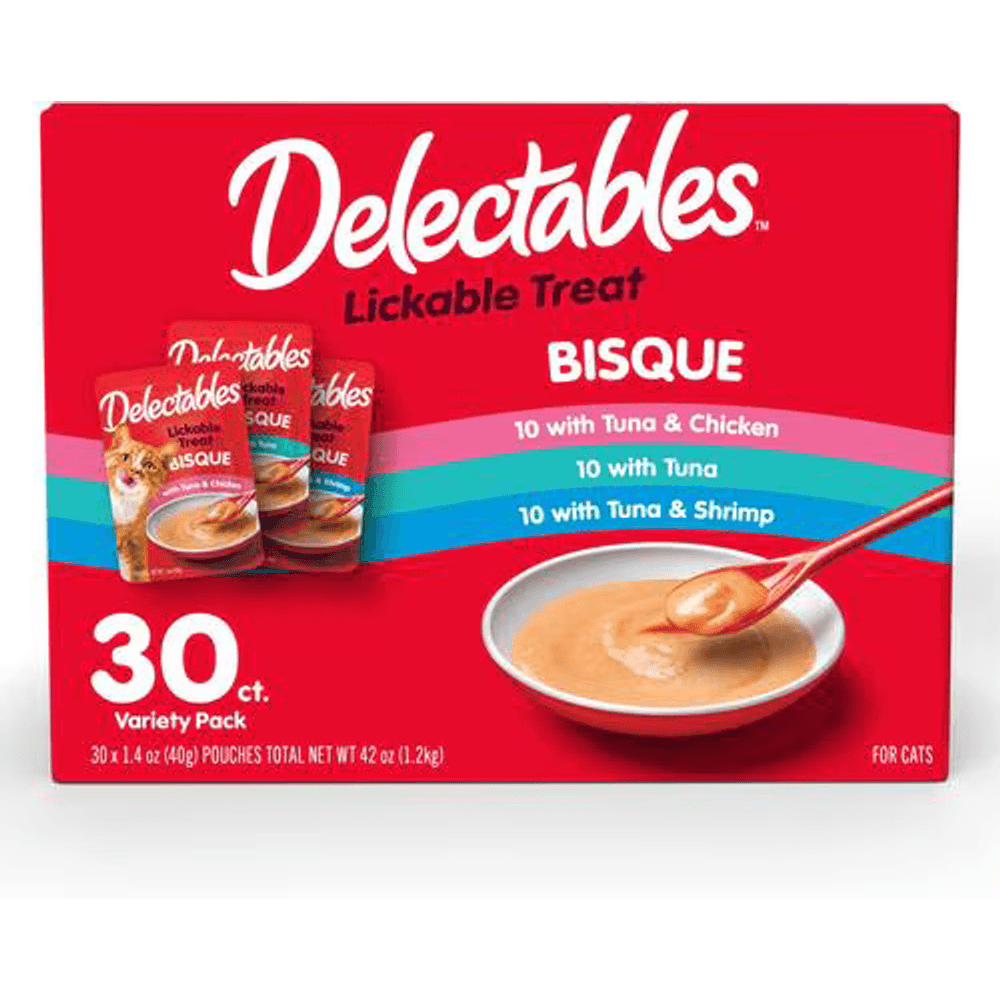
This is an optional cat treat. Review its current label, ingredients, calories, and feeding directions, and count it within the total daily extras.
Webvet may earn a commission when you click through to Chewy, at no extra cost to you.
Merck describes salt toxicosis after excessive sodium exposure, particularly when water is restricted. Use the product sodium, amount, cat weight, water access, history, and signs rather than saying a small body reaches danger quickly. The nutrition label usually lists sodium per human serving, not per pretzel and not for the whole bag. Estimate the amount missing, convert it to the labeled serving when possible, and note whether seasoning dust or dip was also consumed. Do not restrict access to fresh water or force water. Both actions can complicate management and should be directed by a clinician.
Are plain pretzels safe for cats?
A small plain exposure in a well cat is generally assessed from amount and symptoms. There is no evidence-based feline pretzel serving, and optional extras should remain a limited share of daily calories. Count a pretzel exposure alongside every other extra in the day's intake. Lickable treats, dental products, toppers, food used for medication, and table tastes all contribute calories. A cat with heart, kidney, urinary, gastrointestinal, or weight concerns may have a diet in which unplanned sodium or calories matter even when the snack is not toxic. The veterinary diet plan should control that decision. A cat may lick seasoning without eating much pretzel or may swallow an entire soft portion. Reconstruct the exposure from crumbs, the package, and anyone who saw it rather than assuming a standard piece. Note any dip or drink nearby. A small dry crumb in a comfortable cat and a missing salted pretzel plus wrapper are different situations.

Salted, flavored, and coated pretzels
Butter, yogurt coating, cheese, mustard, sugar, and oil are not automatically poisons. They may change calories or gastrointestinal tolerance, while chocolate, onion, and garlic require their own dose-based assessment. Flavor names are not standardized formulas. Ranch, garlic, honey-mustard, cheese, cinnamon, peanut-butter, yogurt, and sugar-free products can differ across brands and recipes. Confirmed chocolate needs the chocolate type and amount; confirmed allium needs its ingredient form and dose; an unidentified sweetener needs the product package. Keeping these questions separate prevents canine xylitol guidance from being applied automatically to cats. Soft pretzels can be much larger than crunchy twists, and stuffed products may hide cheese, chocolate, meat, sauces, or sweeteners. A piece count therefore has little meaning without product size and recipe. Photograph the item or menu description when no package is available. Identify the exact pretzel product. Plain baked twists differ from soft pretzels, stuffed bites, chocolate coatings, yogurt coatings, seasoned snack mixes, and raw dough. Preserve the ingredient and nutrition panels and note visible salt, dips, cheese, onion or garlic powder, chocolate, raisins, sweeteners, and packaging. Cats may lick flavor dust without eating the same mass of pretzel as a dog, so estimate from the missing product and residue rather than guessing from an open bag. Raw yeast dough, chocolate, alliums, or swallowed plastic each changes the question independently.
| Pretzel form | Primary assessment question |
|---|---|
| Plain, unsalted | Amount, calories, cat, and signs |
| Salted | Product sodium, amount, water access, and symptoms |
| Buttered or dairy-coated | Calories, lactose tolerance, and other ingredients |
| Savory flavored | Confirm onion or garlic rather than assuming |
| Chocolate coated | Chocolate type, amount, cat weight, and signs |
| Sugar-free | Identify the sweetener; canine xylitol toxicity cannot simply be imported to cats |
How much pretzel is concerning?
No crumb, piece, or body-size threshold distinguishes safe from unsafe in every cat. For an exposure, save the label and record total amount, time, cat weight, water access, health history, packaging, and signs. If several people may have shared snacks, ask each person what was offered so the estimate includes every piece, coating, and dip.

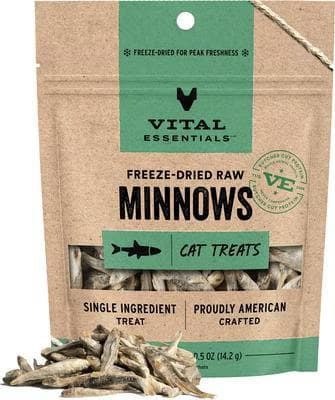
This is an optional cat treat. Review its current label, ingredients, calories, and feeding directions, and count it within the total daily extras.
Webvet may earn a commission when you click through to Chewy, at no extra cost to you.
What to do if a cat ate pretzels
Remove access, maintain normal fresh water, and observe the individual cat after a small plain exposure. Seek prompt advice for a large or uncertain amount, a confirmed hazardous ingredient, swallowed packaging, repeated vomiting, weakness, tremors, seizures, or incoordination. Inspect the scene for crumbs, intact pretzels, dip, wrappers, plastic bags, foil, twist ties, or desiccant packets. Observe breathing, swallowing, mouth comfort, appetite, vomiting, thirst, urination, walking, and behavior. Marked weakness, tremors, seizures, collapse, or incoordination is urgent regardless of the presumed cause. When calling, provide the label, amount, time, cat weight, conditions, medicines, and symptoms. After an unplanned exposure, provide the cat's weight, health conditions, normal diet, time, water access, product serving mass, sodium value, and maximum quantity missing. Keep normal water available, but avoid forced drinking and all dog-oriented vomiting methods. Repeated vomiting, tremors, weakness, unusual agitation or depression, difficulty breathing, abdominal distention, collapse, or suspected wrapper ingestion warrants prompt veterinary attention. A cat with kidney, cardiac, urinary, gastrointestinal, or calorie-management needs may require advice after an amount that would be less consequential for another patient. Continue the complete diet unless the treating veterinarian recommends a change.
Choosing an optional feline treat
Choose treats for calorie fit, complete nutrition, ingredients, texture, and individual tolerance. Plain animal foods may suit some cats, but they are not automatically appropriate for every medical or prescription diet. Familiarity also matters. Introducing cooked meat, egg, fish, dairy, or another novel food solely to replace a pretzel can complicate food trials or trigger gastrointestinal signs in an individual cat. The safest shared moment may be using part of the cat's regular complete food as the reward. For a cat on a renal, urinary, cardiac, diabetic, hydrolyzed, or weight-management diet, confirm extras with the veterinary team. For training or medication, a measured portion of the cat's regular food is easier to account for than a salty baked snack. This is especially useful during calorie restriction, urinary management, or an elimination trial.

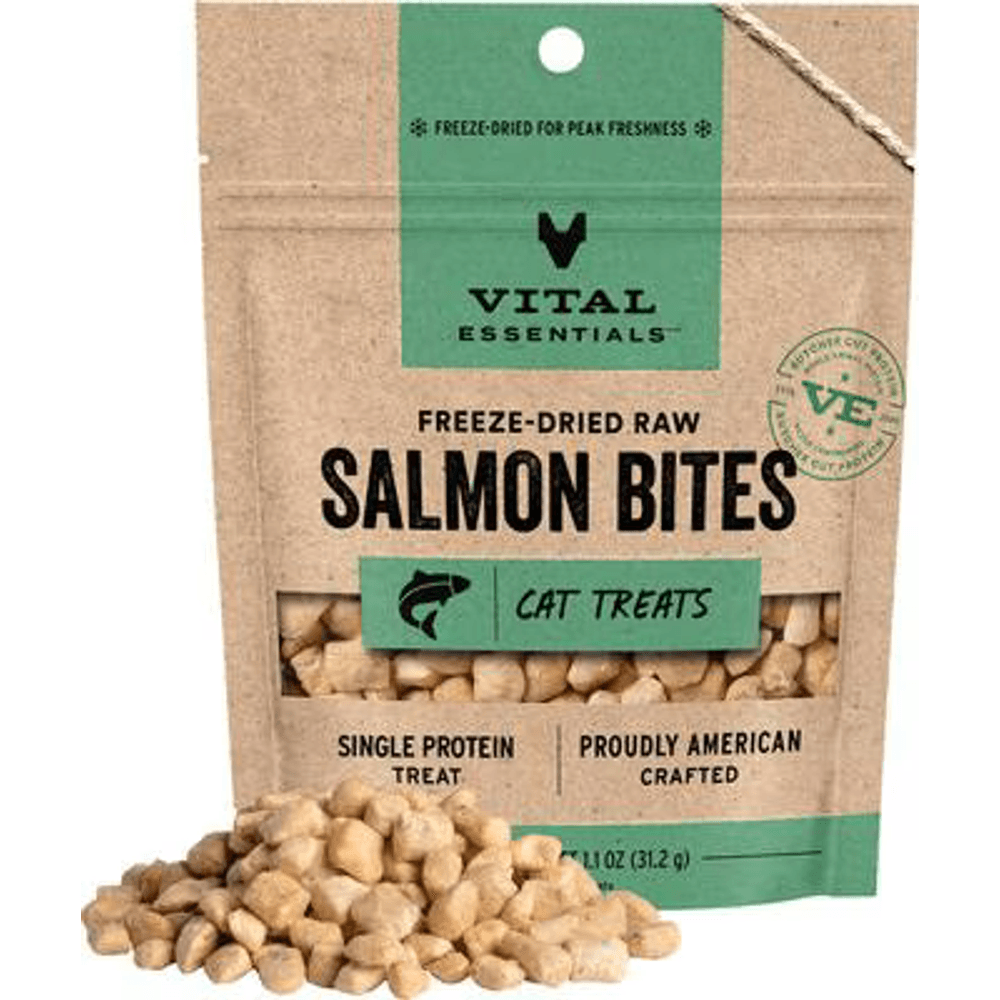
This is an optional cat treat. Review its current label, ingredients, calories, and feeding directions, and count it within the total daily extras.
Webvet may earn a commission when you click through to Chewy, at no extra cost to you.
Frequently Asked Questions
Can cats eat pretzels with salt?
Salted pretzel risk depends on product sodium, amount, cat weight, water access, history, and signs, not body size alone.
Are plain pretzels toxic to cats?
A controlled study in only six healthy cats did not reproduce the canine xylitol syndrome. Identify the sweetener and obtain product-specific advice.
Can kittens eat pretzels?
Chocolate coating requires the chocolate type, amount, cat weight, and signs. Yogurt coating is a different calorie and tolerance question.
What should I do if my cat licked pretzel salt?
A small plain exposure is generally monitored. Maintain fresh water and seek advice for a concerning dose, ingredient, package, or symptom.
What human snacks can cats eat instead of pretzels?
Pretzels are unnecessary, but not because cats cannot digest any starch. Complete cat food should remain primary.
Safe alternatives
More grains & bread for cats
Sources
- Merck Veterinary Manual: Salt Toxicosis in Animals
Salt toxicosis is dose-dependent and strongly influenced by fresh-water access; sodium's presence alone does not establish poisoning.
- Merck Veterinary Manual: Garlic and Onion Toxicosis
Allium risk depends on the actual ingredient, concentration, amount, species, and patient rather than a food category alone.
- Merck Veterinary Manual: Chocolate Toxicosis in Animals
Chocolate risk depends on methylxanthine concentration, product, amount, body weight, species, and individual susceptibility.
- Merck Veterinary Manual: Bread Dough Toxicosis in Animals
Raw yeast-based dough can expand and produce ethanol after ingestion; Merck says any species is susceptible, although dogs are most commonly affected.
- Journal of Veterinary Pharmacology and Therapeutics: Xylitol in Cats
A controlled study in six healthy cats did not reproduce canine hypoglycemia or liver injury, but the small study does not establish unlimited product safety.
- Cornell Feline Health Center: Feeding Your Cat
Cats need complete feline nutrition; treats should remain limited, and dairy tolerance varies because many adult cats are lactose intolerant.
- AAHA: Nutritional Risk Factors
Noncomplete foods above 10 percent of daily calories can dilute essential nutrients; individual medical and life-stage factors require assessment.
Reviewed by Dr. Athena Gaffud, DVM
General guidance based on credible veterinary sources; not a diagnosis or a substitute for your veterinarian. If your pet ate something toxic or is unwell, contact your vet or a pet poison line right away.