
Can dogs eat pretzels?
Not recommendedA plain pretzel is not an intrinsic dog poison, but it adds sodium and calories. Check the label and amount for hazardous co-ingredients.


Medically reviewed by Dr. Athena Gaffud, DVM · Last reviewed
Can Dogs Eat Pretzels?
A plain pretzel is not an intrinsic canine poison. It is a calorie- and sodium-containing human snack, and flavored, coated, filled, homemade, and packaged products can introduce separate ingredient or foreign-body concerns.
- 1A plain pretzel is not an intrinsic canine poison.
- 2Salt toxicosis is dose-dependent and influenced by fresh-water access.
- 3No bowl, handful, bite, or body-size rule replaces the product sodium and amount.
- 4Flavored products require the exact label; they do not all contain alliums, chocolate, or xylitol.
- 5Treat calories and swallowed packaging should be assessed separately from toxic ingredients.

Treats should stay under 10% of your dog's daily calories. JustFoodForDogs makes the rest of it.
- Recipes developed by veterinary nutritionists
- Whole-food ingredients you can recognise
- Fresh meals delivered to your door
Webvet may earn a commission when you click through to JustFoodForDogs, at no extra cost to you.

Are pretzels poisonous to dogs?
Plain baked wheat ingredients are not recognized canine toxins. A pretzel is still optional, calorie-containing food that should not displace a complete diet or be described as nutritionally empty.
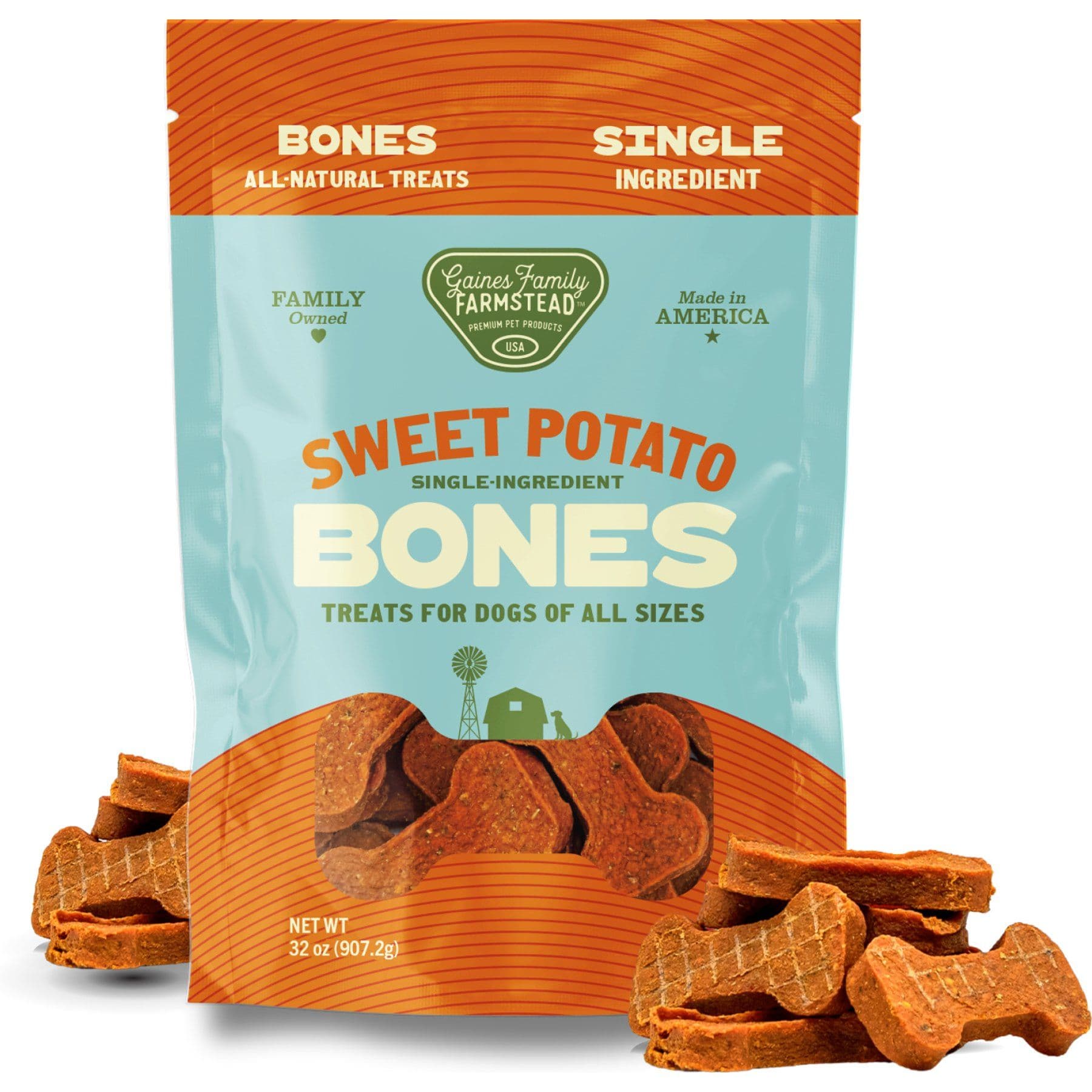
This is an optional dog treat. Review its current label, ingredients, calories, and feeding directions, and count it within the total daily extras.
Webvet may earn a commission when you click through to Chewy, at no extra cost to you.
An exposure can involve salt, seasoning, coating, filling, dough, or packaging. Separate those questions rather than treating every pretzel as the same product.
How sodium risk is assessed
Merck describes salt toxicosis after excessive sodium exposure, especially when fresh water is unavailable. Sodium's presence or a dog's smaller body alone does not establish poisoning. Nutrition labels report sodium per serving, and the bag may contain several servings. Compare the amount missing with the serving size rather than assuming the dog ate one listed portion. Dry mixes, seasoning dust, and a whole party-size bag can create very different exposures. Never restrict water after a salty snack unless a veterinarian gives a specific medical instruction, because water access is central to salt balance.

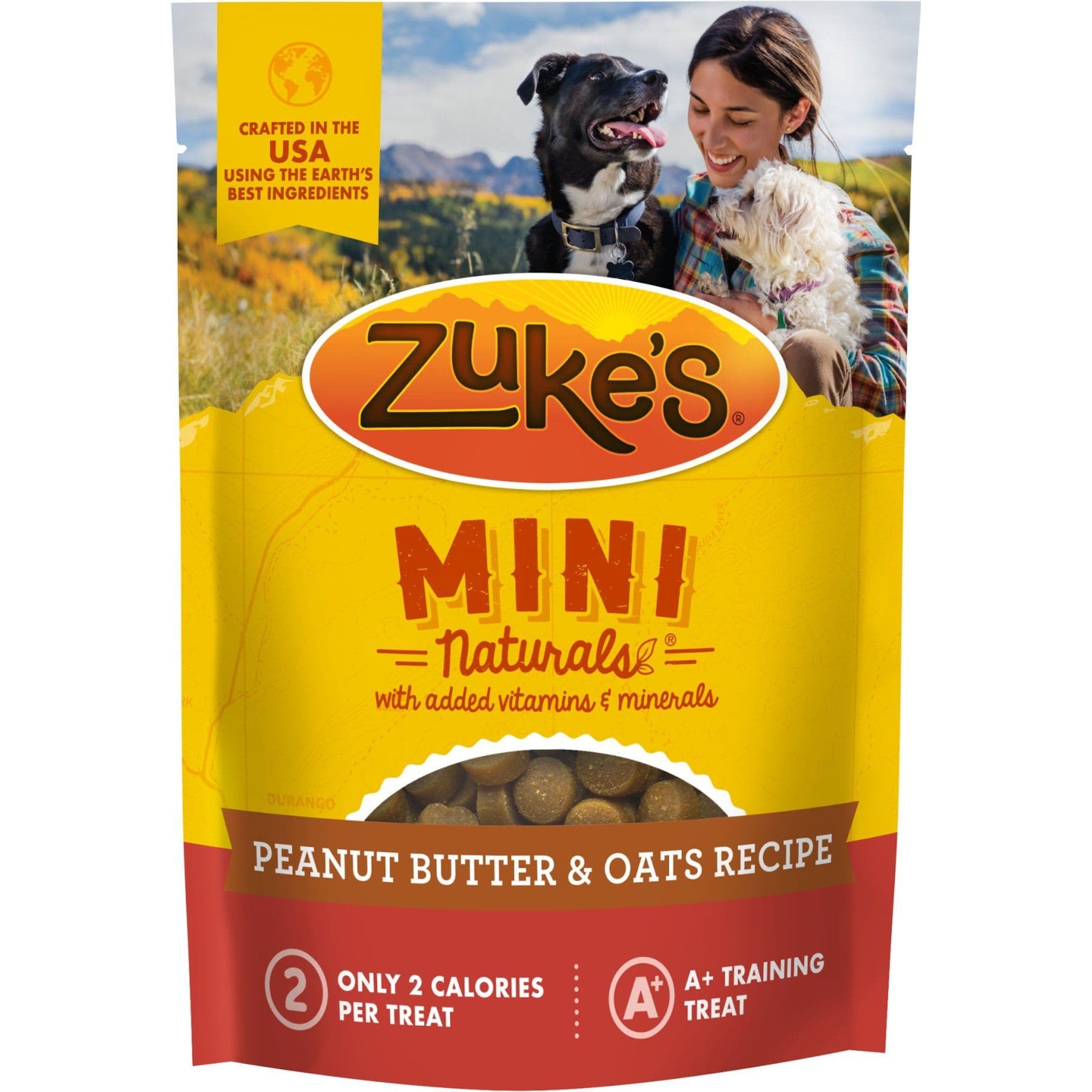
This is an optional dog treat. Review its current label, ingredients, calories, and feeding directions, and count it within the total daily extras.
Webvet may earn a commission when you click through to Chewy, at no extra cost to you.
Increased thirst or vomiting can have many causes and does not prove salt poisoning. Tremors, seizures, marked weakness, incoordination, or another neurologic sign needs prompt veterinary assessment.
Flavored, coated, and filled pretzels
Garlic, onion, chocolate, raisins, and added xylitol require separate dose-based assessment, but a flavor name does not confirm an ingredient. Read the exact label and keep it for the clinician. Names such as everything, ranch, garlic-parmesan, cinnamon-sugar, peanut butter, or yogurt covered describe flavor, not a standardized formula. One brand may contain onion powder while another does not; a sugar-free filling may or may not use xylitol. Ingredient order and concentration still do not reveal the swallowed dose by themselves, so pair the label with a realistic amount estimate and dog weight.
Butter, cheese, yogurt coating, mustard, sugar, and oil can change calories or gastrointestinal tolerance. They are not one toxin category and are not automatically emergencies after a taste. Dips served with pretzels can be the more important exposure. Cheese sauce, mustard, chocolate spread, beer dip, and ranch each have different ingredients, calories, sodium, and packaging. Record them separately rather than treating everything on the plate as pretzel. Pretzel shape alone reveals little about an exposure. Hard twists, soft pretzels, filled bites, yogurt-coated pieces, chocolate-covered rods, seasoned snack mixes, and frozen dough products have different ingredient and physical profiles. Save the package or recipe and note salt crystals, dips, cheese filling, garlic or onion seasoning, chocolate, raisins, sweeteners, and the amount missing. A dog that stole the bag may have swallowed plastic, a desiccant packet, foil, or a clip as well as food. Raw yeast dough is a separate urgent exposure and should be reported specifically rather than grouped with baked pretzels.

Can a plain pretzel be an occasional extra?
If a plain product fits the individual dog's diet, count it within all treats and extras. It offers calories and nutrients, but a treat portion has no established health benefit and is not required. Frequency matters nutritionally. A plain snack repeated every day can displace complete food or undermine weight management even though one accidental piece is not poisonous. Use planned treats with known calories when consistency matters.
How much pretzel is too much?
There is no evidence-based pretzel serving or home action threshold by dog size. For an exposure, use product sodium, total amount, dog weight, water access, health history, packaging, and clinical signs.
| Exposure factor | What it tells you | What to record |
|---|---|---|
| Exact product | Sodium, coating, filling, and hazardous ingredients vary | Package and nutrition label |
| Amount and dog | Dose requires product quantity and body weight | Best estimate and dog weight |
| Water, history, signs | Risk and urgency are patient-specific | Water access, conditions, medicines, and symptoms |
What to do after a pretzel exposure
Remove access, keep normal fresh water available, and save the package. Do not force water, give home remedies, or induce vomiting unless a veterinarian or poison service instructs you.
A small plain exposure in a well dog is generally monitored, while a confirmed hazardous ingredient, large amount, package ingestion, or concerning sign warrants prompt advice. Check the floor and container to learn whether the dog ate crumbs, intact pretzels, seasoning, dip, foil, a plastic bag, or a desiccant packet. Packaging can matter more than the food. Observe breathing, swallowing, behavior, thirst, urination, vomiting, coordination, and neurologic signs, and report changes rather than trying to diagnose salt toxicosis at home. For an accidental pretzel raid, record the dog's weight, medical conditions, water access, product serving mass, sodium per labeled serving, and the greatest plausible quantity eaten. Fresh water should remain normally available unless a clinician directs otherwise; forcing water or using salt, hydrogen peroxide, milk, oil, bread, charcoal, or human medication can complicate care. Repeated vomiting, marked thirst with neurologic changes, tremors, weakness, distention, breathing difficulty, collapse, or suspected package ingestion warrants prompt contact. A few crumbs and a missing family-size flavored bag are not equivalent histories, and the response should follow the actual label and patient.

Choosing another dog treat
Choose treats for calorie fit, sodium, ingredients, chewing behavior, and the dog's complete diet. A vegetable is not automatically better than every plain pretzel without comparing portions and the patient.
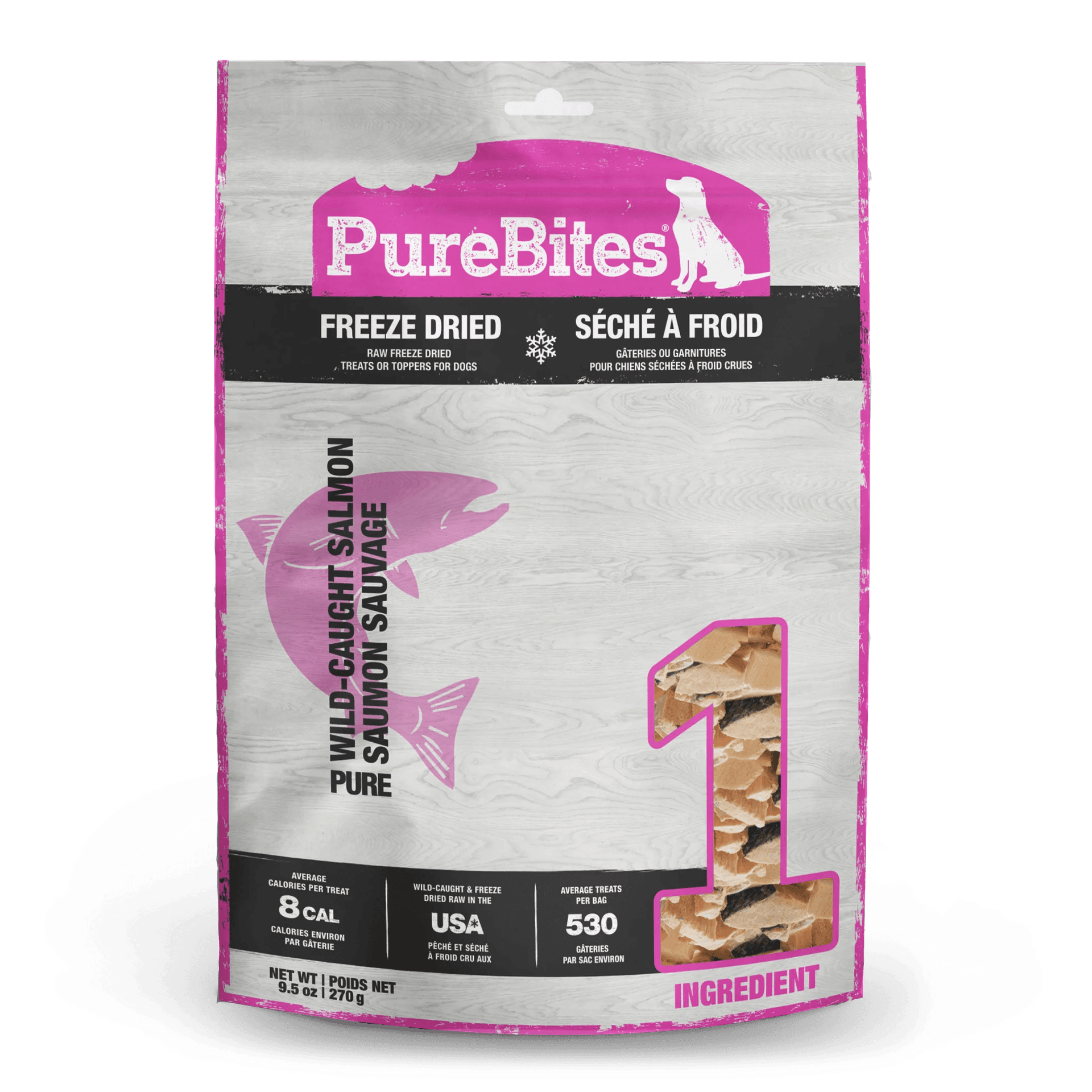
This is an optional dog treat. Review its current label, ingredients, calories, and feeding directions, and count it within the total daily extras.
Webvet may earn a commission when you click through to Chewy, at no extra cost to you.
Dogs with prescription diets, heart or kidney disease, prior pancreatitis, swallowing problems, or calorie restriction need advice tailored to the full diet rather than a universal snack blacklist.
The bottom line
Pretzels are unnecessary but not intrinsically poisonous. Prevention is simple: store snacks and packages securely, and use the exact product, dose, dog, water access, and signs if an exposure occurs. Dogs receiving sodium-restricted, renal, cardiac, gastrointestinal, or weight-management diets may need even ordinary pretzels excluded. During a food trial, flavored coatings and shared dips can also compromise interpretation, so follow the clinic's allowed-food list.
Frequently Asked Questions
Can dogs eat pretzels with no salt?
An unsalted plain pretzel is not a recognized toxin, but it still adds calories and is not required in a complete diet.
How many pretzels can a dog eat?
Salted pretzel risk depends on product sodium, amount, dog weight, water access, history, and signs, not a piece count.
Are chocolate-covered pretzels dangerous for dogs?
Flavor names are not ingredient lists. Confirm onion, garlic, chocolate, raisins, or xylitol on the exact product.
Can dogs eat pretzels with peanut butter?
Soft pretzels vary in sodium, butter, fillings, and size. Assess the actual recipe and amount.
My dog ate a salted pretzel, should I worry?
Maintain fresh water and observe after a small plain exposure. Seek advice for a hazardous ingredient, concerning dose, package, or symptoms.

Safe alternatives
More grains & bread for dogs
Sources
- Merck Veterinary Manual: Salt Toxicosis in Animals
Salt toxicosis is dose-dependent and strongly influenced by fresh-water access; sodium's presence alone does not establish poisoning.
- Merck Veterinary Manual: Garlic and Onion Toxicosis
Allium risk depends on the actual ingredient, concentration, amount, species, and patient rather than a food category alone.
- Merck Veterinary Manual: Xylitol Toxicosis in Dogs
Canine xylitol risk depends on the ingredient, product concentration, amount, and dog weight; hypoglycemia has been associated with exposures above 100 milligrams per kilogram.
- Merck Veterinary Manual: Chocolate Toxicosis in Animals
Chocolate risk depends on methylxanthine concentration, product, amount, body weight, species, and individual susceptibility.
- Merck Veterinary Manual: Bread Dough Toxicosis in Animals
Raw yeast-based dough can expand and produce ethanol after ingestion; Merck says any species is susceptible, although dogs are most commonly affected.
- AAHA: Nutritional Risk Factors
Noncomplete foods above 10 percent of daily calories can dilute essential nutrients; individual medical and life-stage factors require assessment.
- Merck Veterinary Manual: Gastrointestinal Obstruction in Small Animals
Foreign-body and choking concerns depend on object and patient characteristics; a food texture does not guarantee obstruction.
Reviewed by Dr. Athena Gaffud, DVM
General guidance based on credible veterinary sources; not a diagnosis or a substitute for your veterinarian. If your pet ate something toxic or is unwell, contact your vet or a pet poison line right away.