
Can cats eat honeydew?
Safe in moderationASPCA lists honeydew as non-toxic to cats. It is optional; seeds are not established toxins, while rind may be a foreign-body concern.


Medically reviewed by Dr. Athena Gaffud, DVM · Last reviewed
Can Cats Eat Honeydew?
ASPCA lists honeydew melon as non-toxic to cats, so a small identified flesh exposure is usually a low-risk monitoring question. Honeydew remains optional and should not displace complete feline nutrition. Distinguish soft flesh and ordinary seeds from a large rind piece, fruit salad, syrup-packed melon, smoothies, dairy desserts, skewers, and packaging. A rind may become a physical concern depending on its dimensions, chewing, the cat, location, and symptoms; ordinary seeds are not established feline toxins. Record the amount, time, appetite, vomiting, stool, abdominal comfort, activity, and breathing. The fruit's water, sugar, fiber, and micronutrients do not prove hydration, digestive, urinary, or immune benefits from a taste. If the cat repeatedly seeks fruit or refuses normal food, discuss the broader behavior rather than using honeydew as a supplement. Measured complete feline food is easier to count for training or enrichment. Keep rind, plastic wrap, skewers, and fruit-salad containers out of reach. If a rind section is missing, describe its approximate size and whether the cat chewed it; that object history is more useful than labeling every melon exposure the same way.
- 1ASPCA lists honeydew as non-toxic to cats.
- 2Its nutrients are not categorically unusable, but the fruit is unnecessary.
- 3Seeds are not established feline toxins; rind is the practical foreign-body concern.
- 4There is no universal cube serving or blanket disease exclusion.
- 5Interest cannot be inferred from a cat's inability to taste sweetness.

Treats should stay under 10% of your cat's daily calories. Smalls makes the rest, built around the meat an obligate carnivore actually needs.
- Human-grade ingredients, protein first
- Built for obligate carnivores
- Fresh meals delivered to your door
Webvet may earn a commission when you click through to Smalls, at no extra cost to you.
Is honeydew safe for cats?
Honeydew flesh is not a recognized feline toxin. That classification does not create a universal serving or make every processed preparation appropriate.

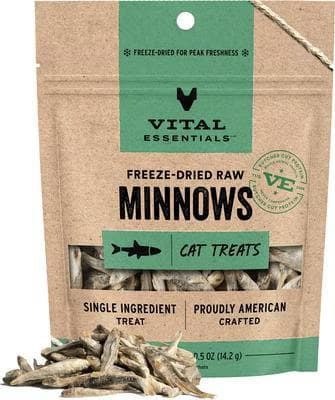
This is an optional cat treat. Review its current label, ingredients, calories, and feeding directions, and count it within the total daily extras.
Webvet may earn a commission when you click through to Chewy, at no extra cost to you.
Cats have species-specific nutrient requirements, but obligate carnivory does not prove zero nutritional value or an inability to metabolize every fruit nutrient. Honeydew remains unnecessary in a complete diet. Cats need a complete diet built around their species-specific requirements, including particular amino acids, fatty acids, and vitamins. That does not prove they extract no energy or nutrients from plant foods. Honeydew is unnecessary because complete feline food already supplies what the cat needs, not because every component of fruit is unusable. Its water, vitamins, and minerals should not be turned into treatment claims for hydration, immunity, digestion, or weight. If a cat likes the texture, an optional taste still has to fit the calorie allowance and any therapeutic diet. If the cat ignores it, there is no nutritional reason to encourage interest.
How much honeydew can a cat eat?
There is no evidence-based one-cube serving. Count any optional taste within the individual calorie and therapeutic-diet plan.
Do not prescribe a lick, shaving, or one-day test. Individual gastrointestinal response varies; persistent or severe signs need veterinary assessment.

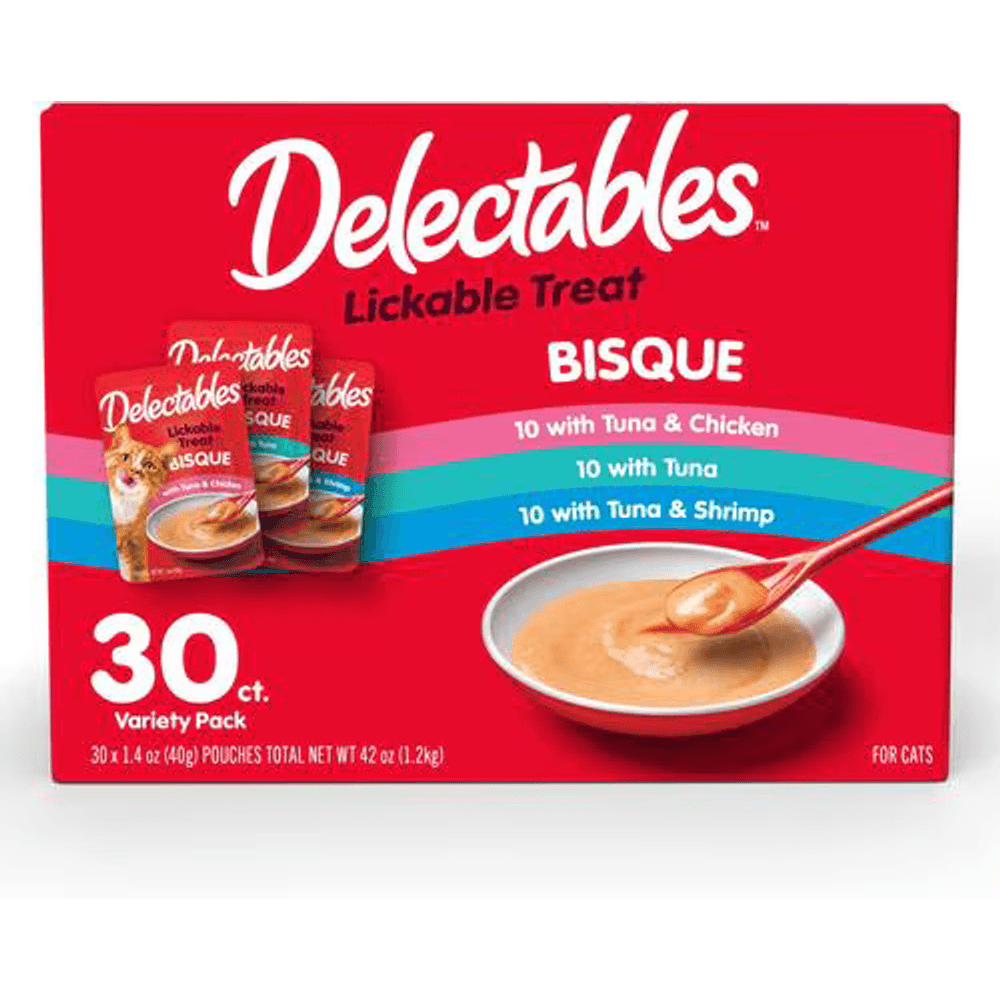
This is an optional cat treat. Review its current label, ingredients, calories, and feeding directions, and count it within the total daily extras.
Webvet may earn a commission when you click through to Chewy, at no extra cost to you.
How to prepare honeydew for your cat
Remove the tough rind because a sufficiently large piece could become a patient-specific foreign body. Seeds are not established feline toxins or routine obstruction hazards. Preparation should focus on the material actually swallowed. The soft flesh is the edible portion. Small honeydew seeds are not established feline toxins and should not be presented as a poisoning hazard that must always be removed. The tough rind can be swallowed in a piece large enough to choke or become a gastrointestinal foreign body, so it is sensible to keep rind scraps out of reach. Cut flesh for the individual cat's chewing behavior and supervise if the cat tends to gulp. No cube dimension or seed-removal ritual guarantees safety, and an accidental rind exposure should be assessed from the object's size, amount, timing, cat, and symptoms.
If offered, use plain flesh and assess any prepared product from its actual ingredients and amount. Sugar and juice do not automatically cause gastrointestinal illness.
The risks of feeding honeydew to cats
An unsuitable amount of any unfamiliar food may cause gastrointestinal signs in an individual cat. Feline physiology does not prove that honeydew sugar predictably causes illness.

Honeydew adds calories and carbohydrates. Cats with diabetes, obesity, or a therapeutic diet need individual guidance rather than a blanket fruit exclusion. A diagnosis such as diabetes, obesity, kidney disease, or gastrointestinal disease changes the whole feeding plan, but it does not automatically prove that one fruit is toxic. Honeydew contributes carbohydrate and calories, and the treating veterinarian may exclude it because it does not fit a particular glucose target, calorie budget, or prescription diet. That is patient-specific guidance. Owners should not use melon juice as a hydration aid or rely on fruit to manage constipation, weight, or urinary disease. A meaningful change in thirst, urination, appetite, weight, or stool deserves evaluation rather than a home treatment based on the fruit's water or fiber content.
Better treats for an obligate carnivore
Compare honeydew with other extras by calories, texture, preparation, and individual tolerance. A complete feline diet remains primary; no animal- or plant-based extra is universally superior. Treats can be chosen without declaring all animal foods superior or all produce nutritionally empty. The practical comparison is between exact products: calories, ingredients, texture, portion, individual tolerance, and whether the food disrupts a complete diet. A plain cooked animal-food bite may fit one cat but conflict with another cat's allergy trial, kidney diet, or calorie target. A commercial treat may be easier to measure but is not automatically complete or low calorie. Honeydew is simply optional. The safest routine is the one the veterinary plan permits and the cat tolerates, with all extras counted together rather than ranked by a meat-versus-plant slogan.
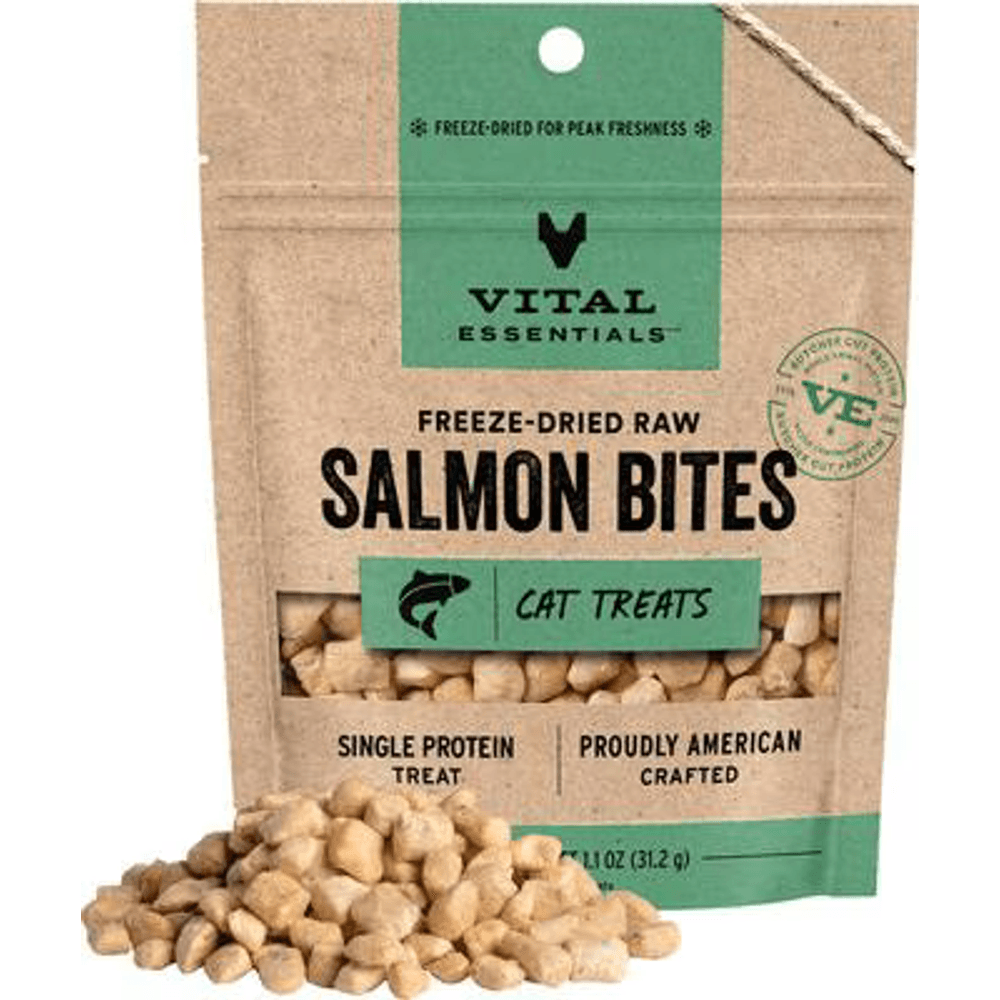
This is an optional cat treat. Review its current label, ingredients, calories, and feeding directions, and count it within the total daily extras.
Webvet may earn a commission when you click through to Chewy, at no extra cost to you.
Fresh water remains the appropriate hydration source. Another melon is not automatically a treatment or equivalent choice; check species, preparation, and diet fit.
Frequently asked questions
Can cats eat honeydew seeds?
Honeydew seeds are not established feline toxins. Assess an unusual exposure from the amount, cat, and signs rather than requiring universal removal as toxicology.
Can cats eat honeydew rind?
Do not intentionally feed the tough rind. A large piece could become a patient-specific foreign body.
Do cats even like honeydew?
Interest cannot be inferred from sweet-taste biology. Individual cats may investigate foods for many unproven reasons.
Can kittens eat honeydew?
Kittens need complete kitten food. Age alone does not define a honeydew dose or blanket prohibition.
Can cats drink honeydew juice?
Honeydew juice is unnecessary and does not replace fresh water. Assess prepared drinks from ingredients, amount, and signs.

ASPCA lists honeydew as non-toxic, but it is optional rather than a required or proven beneficial food. If used, avoid the rind and fit a small plain taste to the individual diet. After an accidental exposure, identify whether the cat ate only flesh or also swallowed rind, packaging, syrup, or another ingredient. Note the amount and time and watch for repeated vomiting, abdominal discomfort, lethargy, reduced appetite, straining, or difficulty swallowing. Those signs change urgency, while a small plain-flesh taste in a normal cat is usually a monitoring question. Do not induce vomiting or prescribe a fixed observation period from a general article. A veterinarian can use the object's size, the cat's history, and current signs to decide whether home monitoring, examination, or imaging is appropriate.
More safe treats
More fruits for cats
Sources
- ASPCA: Honeydew Melon
Lists honeydew melon as non-toxic to dogs and cats.
- WSAVA: Feeding Treats to Your Cat
All treats share an individual calorie allowance and should not displace complete feline nutrition.
- Merck Veterinary Manual: Overview of Nutrition in Small Animals
Complete and balanced feeding and patient-specific calorie planning are the nutritional baseline for dogs and cats.
- Merck Veterinary Manual: Gastrointestinal Obstruction in Small Animals
Foreign-body risk and outcome depend on the object, amount, patient, and clinical signs.
Reviewed by Dr. Athena Gaffud, DVM
General guidance based on credible veterinary sources; not a diagnosis or a substitute for your veterinarian. If your pet ate something toxic or is unwell, contact your vet or a pet poison line right away.