
Can dogs eat honeydew?
SafeASPCA lists honeydew as non-toxic to dogs. Seeds are not established toxins; rind, calories, preparation, and the individual dog matter.


Medically reviewed by Dr. Athena Gaffud, DVM · Last reviewed
Can Dogs Eat Honeydew?
ASPCA lists honeydew melon as non-toxic to dogs, making identified plain flesh an optional treat rather than a treatment. The small pale seeds are not established toxins, while a large rind piece can create a patient-specific physical concern based on its dimensions, the dog's size, chewing, location, and signs. After a stolen melon, locate the rind and packaging, estimate the largest amount, and record retching, vomiting, appetite, abdominal comfort, stool, activity, and breathing. Do not assume a particular cube size eliminates choking or that every rind requires surgery. Canned melon, fruit salad, smoothies, frozen desserts, yogurt, candy, and restaurant dishes need a complete ingredient check for syrup, dairy, alcohol, chocolate, sweeteners, skewers, and wrappers. Honeydew contains water, sugar, fiber, micronutrients, and calories, but a treat portion has no established hydration, digestive, immune, or recovery benefit. Fit repeated fruit calories to the dog's individual diet instead of using a body-size serving chart. For household prevention, discard the rind, skewers, plastic wrap, produce netting, and fruit-salad containers in a secured bin. If a whole rind section is missing, do not wait for a serving chart; report its approximate dimensions and the dog's current behavior so the physical risk can be assessed. Separate plain melon from fruit salad when reconstructing an exposure: syrup, grapes, alcohol, chocolate, sweeteners, skewers, and wrappers each change the call. A dog that gulps food may need a different reward texture or delivery method than one that chews slowly.
- 1ASPCA lists honeydew melon as non-toxic to dogs.
- 2Seeds are not established toxins; rind is the practical foreign-body concern.
- 3Nutrient and water content do not prove immune, hydration, or weight benefits.
- 4There is no universal cube or handful serving by body size.
- 5Diabetes and obesity require an individual calorie and carbohydrate plan.

Treats should stay under 10% of your dog's daily calories. JustFoodForDogs makes the rest of it.
- Recipes developed by veterinary nutritionists
- Whole-food ingredients you can recognise
- Fresh meals delivered to your door
Webvet may earn a commission when you click through to JustFoodForDogs, at no extra cost to you.
Is Honeydew Safe for Dogs?
Honeydew flesh is not a recognized canine toxin. Its water and nutrient content does not make it a hydration treatment, and no food exposure is literally risk-free.

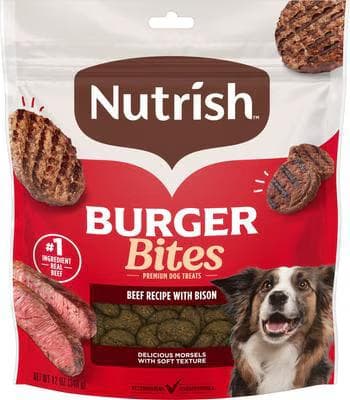
This is an optional dog treat. Review its current label, ingredients, calories, and feeding directions, and count it within the total daily extras.
Webvet may earn a commission when you click through to Chewy, at no extra cost to you.
Honeydew is optional and must not displace complete dog food. Whether it fits as a treat depends on calories, the complete diet, and the individual dog.
What honeydew contains, without treatment promises
Honeydew contains water, vitamins, minerals, and calories. Listing those components does not establish hydration, immune, nervous-system, red-cell, or antioxidant benefits from a treat portion. Honeydew's composition can describe what is in the fruit, but it cannot show that a treat portion improves hydration, immunity, red-blood-cell production, nerve function, or antioxidant status in a dog. A healthy dog receiving complete food already obtains required vitamins and minerals in formulated amounts. Water in food may contribute to total intake, yet melon is not a treatment for dehydration or heat illness. A dog that is overheated, weak, vomiting, or unable to drink needs appropriate cooling and veterinary assessment rather than frozen fruit. Fresh water should remain available, and any melon calories must still be included in the day's treat allowance.
Fiber and calorie density can affect an individual diet, but honeydew is not a digestive or weight-loss treatment. Use the total calorie plan.
How Much Honeydew Can Dogs Eat?
There is no evidence-based honeydew serving table by dog size. Count any optional amount within the individual treat-calorie allowance.

No evidence-based half-serving introduction schedule is established. Assess individual tolerance and stop offering melon if gastrointestinal signs occur.
How to Prepare and Serve Honeydew
Wash the melon and size flesh for the dog's chewing behavior. Removing the tough rind is practical; the small edible seeds are not established poison hazards. The edible flesh, small seeds, and tough outer rind should not be treated as one hazard. ASPCA lists honeydew melon as non-toxic to dogs and cats. The small embedded seeds are not identified as toxic principles and do not require removal for poisoning prevention. The rind is different because it is firm, fibrous, and can be swallowed as a larger object. Removing it is a practical preparation step. Cut the flesh for the individual dog's chewing style, especially for a dog that gulps, but no particular cube size eliminates choking. Supervision remains useful with any food that can be swallowed quickly.
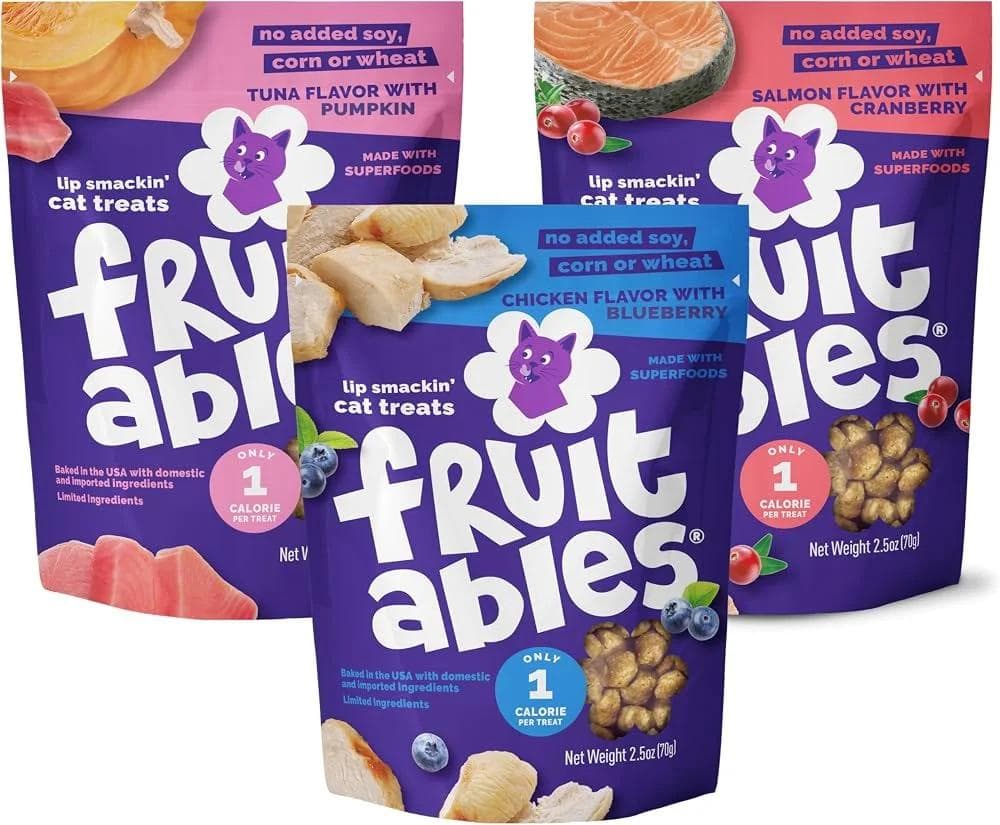
This is an optional dog treat. Review its current label, ingredients, calories, and feeding directions, and count it within the total daily extras.
Webvet may earn a commission when you click through to Chewy, at no extra cost to you.
Serve plain if offered. Frozen cubes, lick mats, and blended drinks are optional presentation choices and do not create hydration or enrichment benefits by themselves.

Risks and What to Watch For
A large rind piece could become a possible patient-specific foreign body. Seeds are not established toxins or routine obstruction hazards; assess the actual object, dog, and signs. For a rind exposure, note whether the dog chewed the material into small fragments or swallowed a large strip. Do not wait at home for a promised obstruction timeline. Repeated vomiting, abdominal distension, pain, reduced appetite, lethargy, or straining may justify examination and imaging, while an asymptomatic dog with a small uncertain exposure may receive different advice. A poison label is not the right tool for this mechanical question.
Honeydew adds sugars and calories. Diabetes or obesity does not create an automatic universal ban; follow the individual veterinary diet and glucose plan. Diabetes and obesity require a calculated feeding plan, not a single-food blacklist copied to every patient. Honeydew contains carbohydrate and calories, so a veterinarian may decide it does not fit one dog's glucose or weight program. Another dog may be allowed a small calorie-counted taste. The answer depends on the complete diet, medications, glucose monitoring, body condition, and daily energy target. Owners should not use melon as a weight-loss food because it contains water or replace complete food with fruit for volume. If a dog is on a prescription diet, confirm any extra with the treating team before making it routine.
Safe Alternatives to Honeydew
If you want to rotate your dog's fruit treats, a few other options are just as safe when served properly. Watermelon is another hydrating melon that is fine for dogs once you remove the seeds and rind, and it is even lower in calories. Blueberries are small, easy to portion, and packed with antioxidants, which makes them a great training reward. Cantaloupe, cucumber slices, and small pieces of apple with the seeds removed are other good choices. Rotating a few safe fruits keeps treats interesting while spreading out the sugar load across different foods.

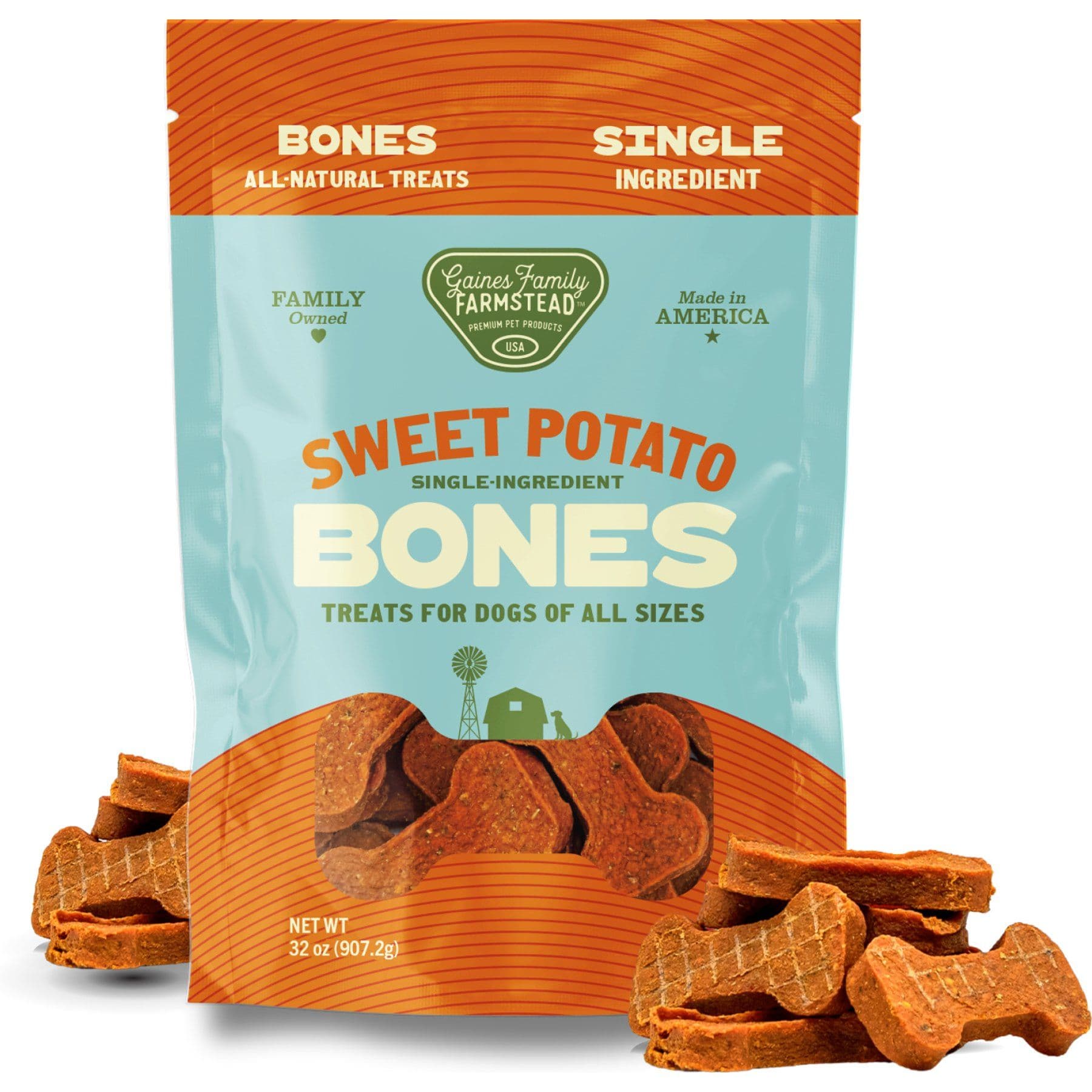
This is an optional dog treat. Review its current label, ingredients, calories, and feeding directions, and count it within the total daily extras.
Webvet may earn a commission when you click through to Chewy, at no extra cost to you.
Frequently Asked Questions
Can dogs eat honeydew skin or rind?
Do not intentionally feed the tough rind. A large piece could become a patient-specific foreign body; assess object size, dog, amount, and signs.
Can dogs eat honeydew seeds?
Honeydew seeds are not established toxins. An unusual seed exposure should be assessed from amount and clinical signs.
Is honeydew safe for diabetic dogs?
Use the individual diabetes diet and glucose plan. Honeydew is not governed by a universal disease-wide serving rule.
Can puppies eat honeydew?
Age alone does not define a serving. Puppies need complete puppy food; ask the veterinary team before adding extras.
What if my dog ate too much honeydew?
Note flesh versus rind, amount, timing, and signs. Seek veterinary advice for a concerning rind exposure or illness.
More safe treats
More fruits for dogs
Sources
- ASPCA: Honeydew Melon
Lists honeydew melon as non-toxic to dogs and cats.
- WSAVA: Feeding Treats to Your Dog
All treats share an individual calorie allowance and should not displace complete nutrition.
- Merck Veterinary Manual: Overview of Nutrition in Small Animals
Complete and balanced feeding and patient-specific calorie planning are the nutritional baseline for dogs and cats.
- Merck Veterinary Manual: Gastrointestinal Obstruction in Small Animals
Foreign-body risk and outcome depend on the object, amount, patient, and clinical signs.
Reviewed by Dr. Athena Gaffud, DVM
General guidance based on credible veterinary sources; not a diagnosis or a substitute for your veterinarian. If your pet ate something toxic or is unwell, contact your vet or a pet poison line right away.