
Can dogs eat cantaloupe?
SafeRipe plain cantaloupe flesh is non-toxic to dogs; remove rind, use a manageable texture, and count it within daily treats.


Medically reviewed by Dr. Athena Gaffud, DVM · Last reviewed
Can Dogs Eat Cantaloupe?
Ripe cantaloupe flesh is listed as non-toxic to dogs when offered plain. It can still add calories and sugar, and an unfamiliar or larger amount may upset an individual dog's stomach. Remove the rind, use a manageable piece, and fit any treat into the dog's full calorie plan instead of using a fixed cube chart.
- 1Assess cantaloupe by its exact form, amount, added ingredients, and the individual dog.
- 2A treat portion of cantaloupe must fit the complete diet and the dog's remaining calorie allowance.
- 3Prepare cantaloupe plainly and choose a size and texture suited to how this dog eats.
- 4Cantaloupe risks depend on product form, amount, texture, and the individual dog.
- 5Call for persistent illness, swallowing trouble, a possible foreign body, or a hazardous co-ingredient.

Treats should stay under 10% of your dog's daily calories. JustFoodForDogs makes the rest of it.
- Recipes developed by veterinary nutritionists
- Whole-food ingredients you can recognise
- Fresh meals delivered to your door
Webvet may earn a commission when you click through to JustFoodForDogs, at no extra cost to you.
Is Cantaloupe Safe for Dogs?

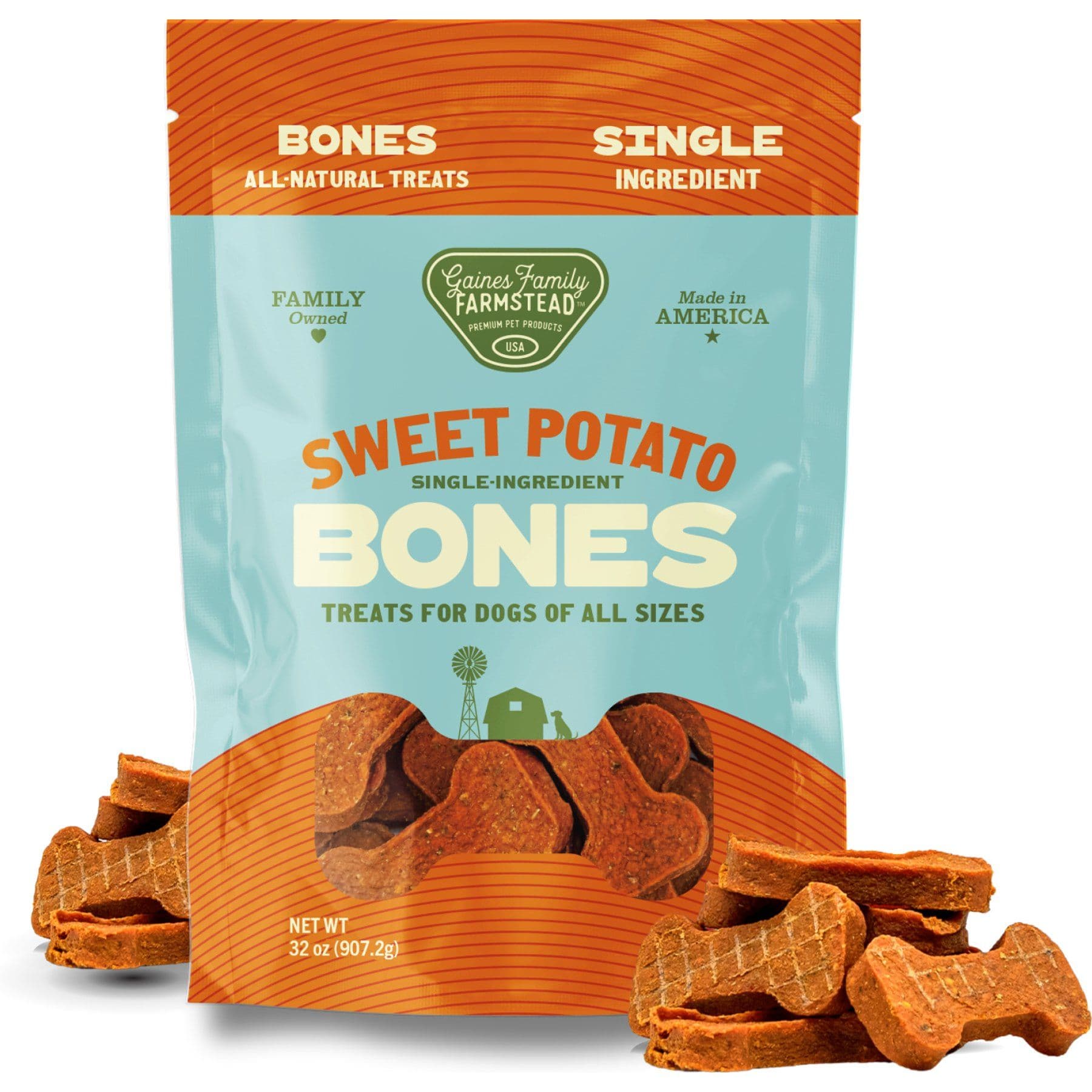
This is an optional dog treat. Review its current label, ingredients, calories, and feeding directions, and count it within the total daily extras.
Webvet may earn a commission when you click through to Chewy, at no extra cost to you.
Plain ripe flesh is generally low risk, while rind and mixed products are different exposures. Fruit salad, smoothies, yogurt, melon wrapped in cured meat, and frozen desserts add ingredients that can change the advice. Check for grapes, raisins, xylitol, alcohol, dairy, and added sugar. Cantaloupe is not a hydration therapy for a dog with unusual thirst, vomiting, or diarrhea; those signs need assessment of the actual cause. A dog that eats a small amount of flesh may show no signs. The amount, product, patient, and symptoms matter more than a universal cube count. For mixed products containing cantaloupe, keep the package and report every ingredient, amount, time, dog's weight, history, and signs.
Cantaloupe contains water, carbohydrate, fiber, vitamins, minerals, and plant pigments. Those properties do not show that a few cubes improve hydration, cooling, eyesight, coat, immunity, antioxidant status, digestion, or weight loss. Water-rich fruit is not a substitute for free access to fresh water.
This food adds optional calories and nutrients, but the complete dog food remains responsible for meeting dietary requirements.
Nutritional Context for Cantaloupe
There is no universal melon-piece allowance. Use the calories in the actual melon and the dog's individual treat budget, including every other extra. Diabetes and obesity require a clinician-directed calorie and carbohydrate plan rather than a claim that any small amount predictably changes blood sugar or weight.
| Decision point | Evidence-based guidance |
|---|---|
| Plain food | Assess plain cantaloupe by form, amount, tolerance, and the individual dog. |
| Portion | Use the individual calorie allowance, not a fixed piece or spoon table |
| Preparation | Serve it plain and choose a manageable size and texture. |
| Mixed product | Read every ingredient and keep the package or recipe for advice. |
| Medical diet | Ask the treating team before adding it to a therapeutic diet. |
Use the calories in cantaloupe and the individual dog's remaining treat allowance; body weight alone is not a serving chart.

How to Portion Cantaloupe
Wash the outside before cutting so the knife does not carry surface material into the flesh. Remove the rind and seeds before an intentional taste and match the flesh's size to the dog's chewing pattern. Rind is a firmer, more fibrous object than the flesh and deserves separate discussion after ingestion. Keep discarded rind out of reach. Dried melon and frozen treats may be more calorie-dense or harder to chew, while spoiled or fermented fruit should be discarded. Remove the rind, scoop out loose seeds for easier handling, and serve only ripe plain flesh in a piece the dog can chew. Refrigerate cut melon promptly and discard spoiled fruit. The rind is tough and poorly suited as a treat. Depending on the piece and dog, it can cause gastrointestinal upset or a foreign-body concern. Rind exposure is not automatically an obstruction emergency; evaluate the actual size, amount, patient, and signs.
| Decision point | Evidence-based guidance |
|---|---|
| Plain food | Assess plain cantaloupe by form, amount, tolerance, and the individual dog. |
| Portion | Use the individual calorie allowance, not a fixed piece or spoon table |
| Preparation | Serve it plain and choose a manageable size and texture. |
| Mixed product | Read every ingredient and keep the package or recipe for advice. |
| Medical diet | Ask the treating team before adding it to a therapeutic diet. |
Seeds are not established as a toxic hazard. For swallowed rind, report the piece's size, chewing behavior, timing, and any gagging or vomiting. Do not induce vomiting or give oil without veterinary direction. Removing them can reduce choking concern and mess, especially for a small or gulping dog, but this is a preparation step rather than poison prevention. Persistent vomiting, pain, appetite loss, or inability to pass stool after rind ingestion needs veterinary assessment.

How to Prepare Cantaloupe
Fruit salad, smoothies, frozen treats, yogurt mixtures, and desserts require a full ingredient review. Added xylitol, grapes or raisins, chocolate, alcohol, and other ingredients can create separate hazards. Added sugar or dairy may affect calories or tolerance without making plain cantaloupe toxic.
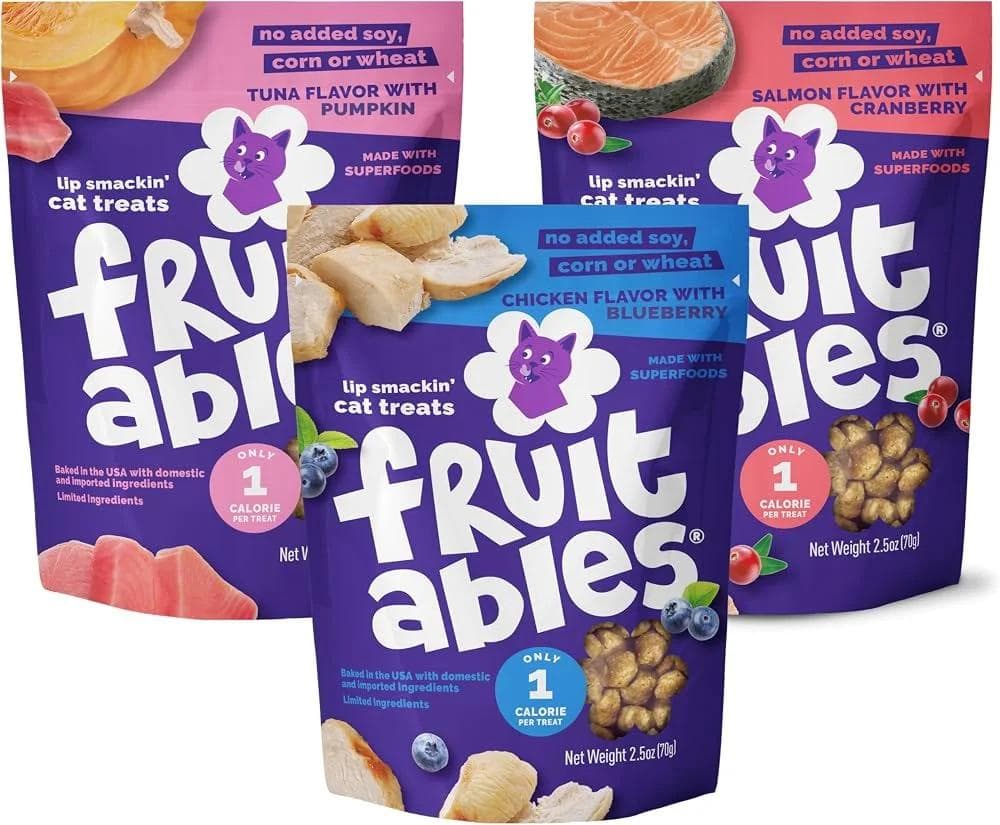
This is an optional dog treat. Review its current label, ingredients, calories, and feeding directions, and count it within the total daily extras.
Webvet may earn a commission when you click through to Chewy, at no extra cost to you.
Dogs with diabetes, obesity, gastrointestinal disease, or a therapeutic diet need individualized advice. Some plans may leave no room for fruit, while others may allow a measured amount. Do not use a blanket exclusion or market cantaloupe as a weight-loss food.
Risks and When to Call
Contact a veterinarian for significant or persistent signs, a substantial rind exposure, suspected choking, or a mixed product with a concerning ingredient. Keep the recipe or label and report the amount, timing, dog weight, medical history, and current signs. Related guidance: vomiting.
Puppies and seniors may have different chewing, calorie, or medical considerations, but age alone does not create a cube allowance or prohibition. Prepare the texture for the individual and protect complete life-stage nutrition.

If this food does not fit the plan, choose another veterinarian-approved treat and count it within the same calorie allowance. Related guidance: restlessness; diarrhea; bloated belly.
Choosing Other Treats
Plain ripe cantaloupe flesh can be an optional treat, not a hydration, cooling, antioxidant, digestive, or weight treatment. Remove the rind, avoid benefit promises, and count the actual calories within the individual diet. The practical decision is individualized: confirm the exact food, use a manageable texture, keep extras within the calorie plan, and watch the actual dog rather than a fixed schedule. Contact a veterinarian for persistent vomiting or diarrhea, marked lethargy, pain, breathing or swallowing trouble, inability to pass stool or urine, neurologic signs, or any ingredient-specific toxicology concern. Related guidance: Watermelon; Blueberries.
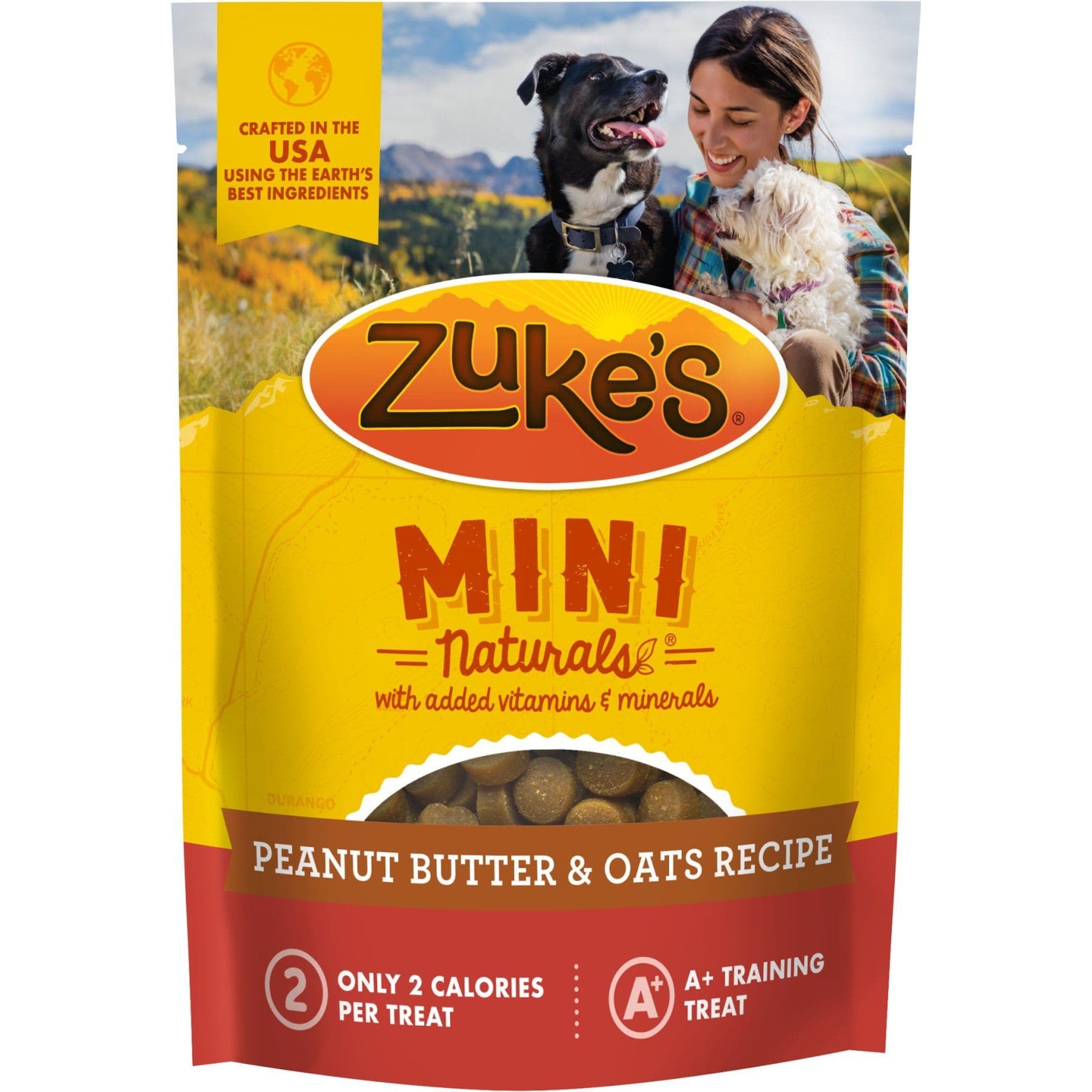
This is an optional dog treat. Review its current label, ingredients, calories, and feeding directions, and count it within the total daily extras.
Webvet may earn a commission when you click through to Chewy, at no extra cost to you.
Frequently Asked Questions
Is plain cantaloupe toxic to dogs?
Ripe plain cantaloupe flesh is non-toxic to dogs; remove rind, use a manageable texture, and count it within daily treats.
How much cantaloupe can a dog have?
There is no universal cantaloupe serving. Use the food's calories and the individual dog's remaining treat allowance.
How should cantaloupe be prepared?
Serve cantaloupe plainly and choose a size, texture, and form suited to how this dog eats.
Does cantaloupe provide a health benefit?
Nutrients in a treat portion of cantaloupe do not establish a clinical benefit; treats remain optional.
When should an owner call a veterinarian?
Call with the exact form of cantaloupe, amount, time, package, medical history, and signs; urgent symptoms need prompt care.

More safe treats
More fruits for dogs
Sources
- ASPCA: Toxic and Non-toxic Plants, True Cantaloupe
Lists true cantaloupe as non-toxic to dogs and cats.
- Merck Veterinary Manual: Overview of Nutrition in Small Animals
Supports complete and balanced feeding and patient-specific nutrition; it does not establish clinical benefit from a treat portion.
- WSAVA: Feeding Treats to Your Dog
Supports keeping dog treats within about 10% of daily calories and calculating portions from individual energy needs.
- Merck Veterinary Manual: Gastrointestinal Obstruction in Small Animals
Supports patient-specific foreign-body assessment and urgent evaluation when obstruction signs develop.
Reviewed by Dr. Athena Gaffud, DVM
General guidance based on credible veterinary sources; not a diagnosis or a substitute for your veterinarian. If your pet ate something toxic or is unwell, contact your vet or a pet poison line right away.