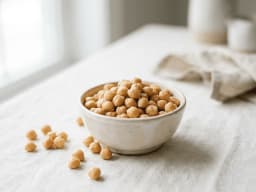
Can cats eat chickpeas?
Safe in moderationPlain soft cooked chickpeas are not recognized cat toxins, but they are optional calories and hummus must be assessed by its recipe.


Medically reviewed by Dr. Athena Gaffud, DVM · Last reviewed
Can Cats Eat Chickpeas?
Plain, soft, fully cooked chickpeas are not recognized as feline toxins. They are optional and should not replace a complete cat food. Cats have species-specific animal-derived nutrient requirements, but that does not mean they lack the enzymes to digest every component of properly processed legumes used in a balanced formulation.
- 1Assess chickpeas by its exact form, amount, added ingredients, and the individual cat.
- 2There is no universal bean count for kittens, adults, seniors, or cats with a diagnosis. If the veterinary team considers a plain taste compatible, use actual calories within the total treat allowance. Cats on food trials or therapeutic diets should follow that plan without unapproved extras.
- 3Prepare chickpeas plainly and choose a size and texture suited to how this cat eats.
- 4The practical concerns are gastrointestinal intolerance, unnecessary calories, unsuitable texture, and ingredients in a prepared product. Salt toxicity is dose-dependent and influenced by water access. A label value and the amount eaten are more informative than a blanket claim that cats are unusually sensitive to any sodium.
- 5Call a veterinarian for breathing or swallowing trouble, persistent vomiting or diarrhea, marked lethargy, pain, a hard-object exposure, or a hummus product with a potentially important Allium amount. Retain the package or recipe and report the amount, timing, cat weight, history, and signs.

Treats should stay under 10% of your cat's daily calories. Smalls makes the rest, built around the meat an obligate carnivore actually needs.
- Human-grade ingredients, protein first
- Built for obligate carnivores
- Fresh meals delivered to your door
Webvet may earn a commission when you click through to Smalls, at no extra cost to you.
Are Chickpeas Safe for Cats?
A small plain exposure may cause no signs, while an unfamiliar or larger amount may cause gas, vomiting, diarrhea, or reduced appetite in an individual cat. There is no evidence-based one- or two-bean limit, weekly schedule, or predictable symptom dose. For mixed products containing chickpeas, keep the package and report every ingredient, amount, time, cat's weight, history, and signs. Chickpeas contain carbohydrate, plant protein, fiber, vitamins, minerals, and energy. Complete feline foods can include properly processed legumes while still meeting feline nutrient requirements. A few beans have no established clinical benefit, but that is different from claiming cats gain nothing or cannot use any of their nutrients. Related guidance: onions; chocolate; grapes.

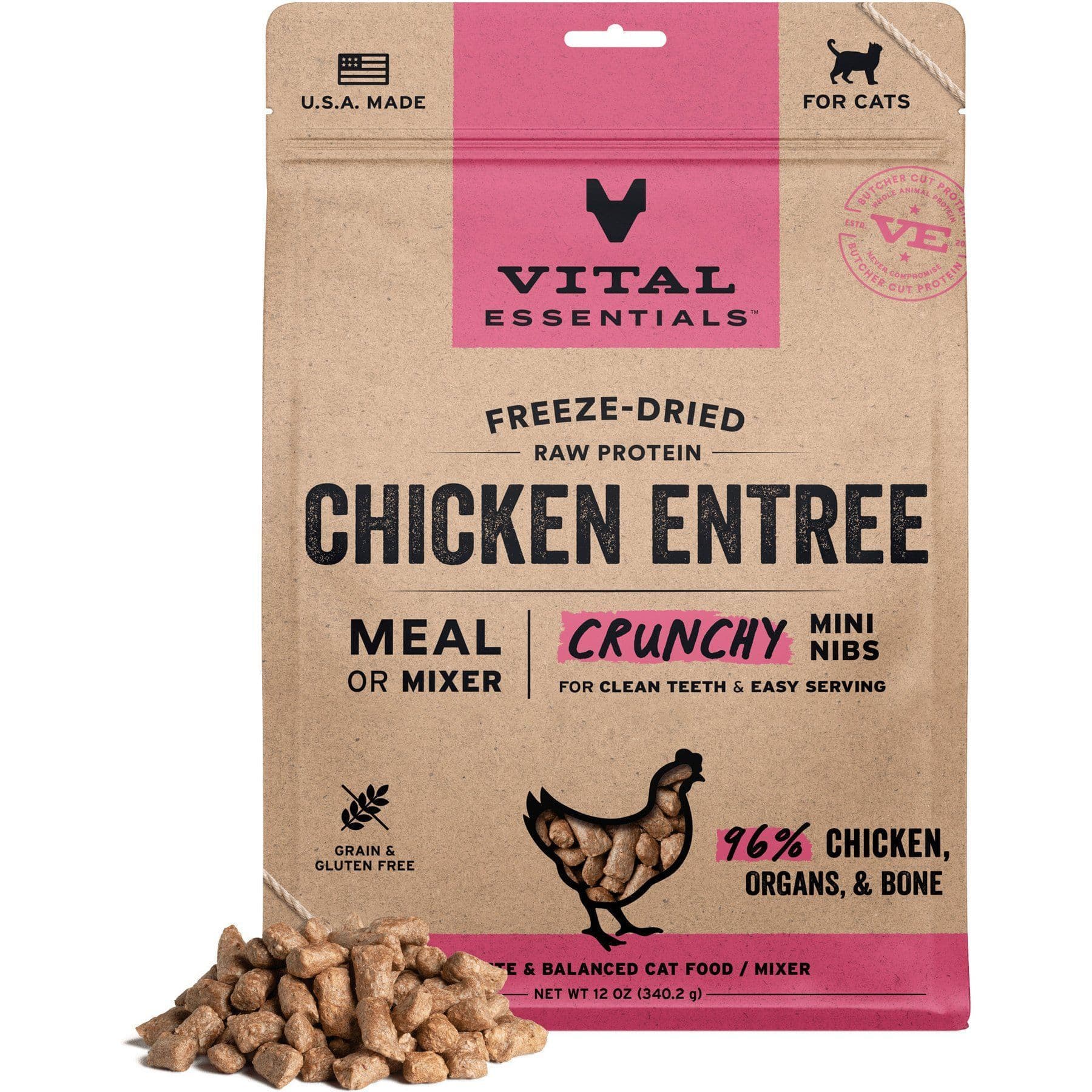
This is an optional cat treat. Review its current label, ingredients, calories, and feeding directions, and count it within the total daily extras.
Webvet may earn a commission when you click through to Chewy, at no extra cost to you.
Nutritional Context for Chickpeas
This food adds optional calories and nutrients, but the complete cat food remains responsible for meeting dietary requirements. Chickpeas should not replace complete cat food or be added as a protein, fiber, or weight-control supplement. Cats on an elimination, urinary, gastrointestinal, or calorie-restricted diet need the treating team's approval before any legume extra is introduced. There is no universal bean count for kittens, adults, seniors, or cats with a diagnosis. If the veterinary team considers a plain taste compatible, use actual calories within the total treat allowance. Cats on food trials or therapeutic diets should follow that plan without unapproved extras.
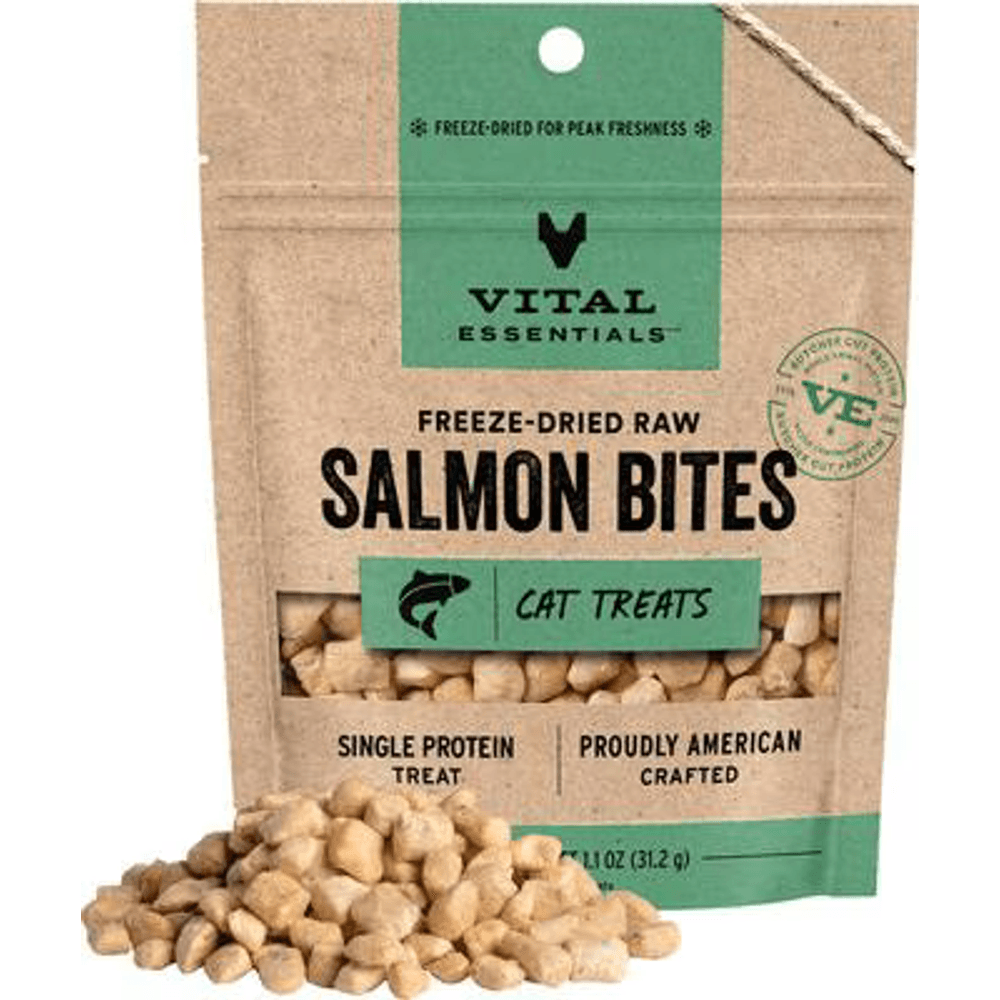
This is an optional cat treat. Review its current label, ingredients, calories, and feeding directions, and count it within the total daily extras.
Webvet may earn a commission when you click through to Chewy, at no extra cost to you.
Use the calories in chickpeas and the individual cat's remaining treat allowance; body weight alone is not a serving chart. Cook chickpeas until soft and serve them plain if they are offered at all. A rinsed canned bean is not categorically unsafe; read its sodium value on the nutrition panel and assess the actual amount. Avoid hard dried beans and discard any product that is spoiled or improperly stored.

How to Portion Chickpeas
Whole soft beans may still be awkward for a cat that gulps or does not chew them. Mashing changes texture but does not create a health benefit. Supervise and use a form the individual cat can manage; breathing or swallowing trouble requires urgent care. Related guidance: vomiting.
| Decision point | Evidence-based guidance |
|---|---|
| Plain food | Assess plain chickpeas by form, amount, tolerance, and the individual cat. |
| Portion | Use the individual calorie allowance, not a fixed piece or spoon table |
| Preparation | Serve it plain and choose a manageable size and texture. |
| Mixed product | Read every ingredient and keep the package or recipe for advice. |
The Forms of Chickpea to Avoid
The practical concerns are gastrointestinal intolerance, unnecessary calories, unsuitable texture, and ingredients in a prepared product. Cooked plain chickpeas, dry uncooked legumes, canned beans, roasted snacks, flour, pasta, and hummus are different products. Canned and roasted forms may add salt; hummus commonly adds garlic, onion, oil, lemon, or sesame. Keep the ingredient list and do not use the name chickpea to clear a mixed food automatically. Salt toxicity is dose-dependent and influenced by water access. A label value and the amount eaten are more informative than a blanket claim that cats are unusually sensitive to any sodium. Hummus is a recipe. Check the exact ingredients, amount, and cat. Onion and garlic can cause dose-dependent red-cell injury; lemon, tahini, oil, and ordinary salt are not equivalent toxins. Do not call every lick life-threatening without quantifying an ingredient-specific exposure.

Choosing Other Treats
Kittens, seniors, and cats with kidney, heart, gastrointestinal, endocrine, or urinary disease need individualized diet decisions. These labels do not create a universal chickpea ban. The treating team can determine whether calories, sodium, texture, or an ingredient conflicts with the therapeutic goal. Call a veterinarian for breathing or swallowing trouble, persistent vomiting or diarrhea, marked lethargy, pain, a hard-object exposure, or a hummus product with a potentially important Allium amount. Retain the package or recipe and report the amount, timing, cat weight, history, and signs. Related guidance: plain cooked chicken; plain cooked egg; plain cooked fish such as salmon.
This is a dental cat treat. Follow the current label and ask your veterinarian how it fits alongside tooth brushing and professional dental care.
Webvet may earn a commission when you click through to Chewy, at no extra cost to you.
What If My Cat Already Ate Chickpeas?
Claims that cats have reduced enzymes for chickpeas or are built only for animal protein confuse nutrient requirements with digestive capacity. The complete diet must meet feline needs, but optional foods should be judged by their actual processing, calories, ingredients, patient fit, and tolerance. If this food does not fit the plan, choose another veterinarian-approved treat and count it within the same calorie allowance.
Frequently Asked Questions
Are plain cooked chickpeas poisonous to cats?
Plain soft cooked chickpeas are not recognized feline toxins, although unfamiliar or excessive amounts may cause gastrointestinal upset.
Can complete cat food contain processed legumes?
Yes. Properly processed legumes can appear in complete foods that are formulated to meet feline nutrient requirements.
How many chickpeas can a cat have?
No universal bean count is evidence-based. If approved, use actual calories and the cat's complete treat allowance rather than a fixed number.
Are rinsed canned chickpeas always unsafe?
No. Read the product's sodium value and assess the amount eaten. Salt effects depend on dose, water access, patient, and signs.
Is every taste of hummus an emergency?
No. Review the recipe and amount. Onion or garlic may require toxicology advice, while the other ingredients need their own dose-aware assessment.

A cat does not need chickpeas, yet plain soft beans are not automatically poisonous. No evidence-based universal bean limit or blanket life-stage exclusion applies; use the canned label when relevant and assess hummus ingredient by ingredient. The practical decision is individualized: confirm the exact food, use a manageable texture, keep extras within the calorie plan, and watch the actual cat rather than a fixed schedule. Contact a veterinarian for persistent vomiting or diarrhea, marked lethargy, pain, breathing or swallowing trouble, inability to pass stool or urine, neurologic signs, or any ingredient-specific toxicology concern.
More safe treats
More vegetables for cats
Sources
- Merck Veterinary Manual: Overview of Nutrition in Small Animals
Supports complete and balanced feeding and patient-specific nutrition; it does not establish clinical benefit from a treat portion.
- Merck Veterinary Manual: Nutritional Requirements of Small Animals
Supports species-specific nutrient requirements, including the feline need for preformed vitamin A and the distinction between digestibility and essential nutrient source.
- WSAVA: Feeding Treats to Your Cat
Supports keeping cat treats within about 10% of daily calories without imposing universal piece, spoon, or frequency tables.
- Merck Veterinary Manual: Garlic and Onion Toxicosis in Animals
Supports dose-dependent oxidative red-cell injury from Allium ingredients and separates that toxicology from ordinary fats, salt, or dairy ingredients.
- Merck Veterinary Manual: Salt Toxicosis in Animals
Supports dose- and hydration-dependent salt toxicosis rather than treating one salted bite as a defined toxic dose.
- Merck Veterinary Manual: Gastrointestinal Obstruction in Small Animals
Supports patient-specific foreign-body assessment and urgent evaluation when obstruction signs develop.
Reviewed by Dr. Athena Gaffud, DVM
General guidance based on credible veterinary sources; not a diagnosis or a substitute for your veterinarian. If your pet ate something toxic or is unwell, contact your vet or a pet poison line right away.