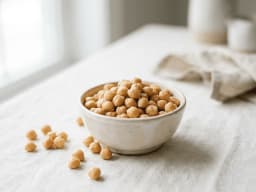
Can dogs eat chickpeas?
Safe in moderationPlain fully cooked chickpeas are generally non-toxic to dogs, but portions should follow the full diet and hummus needs label review.


Medically reviewed by Dr. Athena Gaffud, DVM · Last reviewed
Can Dogs Eat Chickpeas?
Plain, fully cooked chickpeas are generally non-toxic to dogs and may fit as an occasional extra when their calories are counted. Do not add chickpeas to prevent or treat dilated cardiomyopathy, and do not assume one chickpea exposure causes it. FDA describes the diet-associated DCM question as complex and multifactorial. Owners concerned about a dog's main diet should discuss the complete formulation, feeding history, breed, symptoms, and any indicated cardiac evaluation with their veterinarian rather than focusing on one treat ingredient. They are not a treatment, a required fiber source, or a substitute for a complete diet. Form matters: cooked beans, hard dried beans, canned products, flour, and hummus are different exposures.
- 1Assess chickpeas by its exact form, amount, added ingredients, and the individual dog.
- 2A treat portion of chickpeas must fit the complete diet and the dog's remaining calorie allowance.
- 3Prepare chickpeas plainly and choose a size and texture suited to how this dog eats.
- 4Chickpeas risks depend on product form, amount, texture, and the individual dog.
- 5Call for persistent illness, swallowing trouble, a possible foreign body, or a hazardous co-ingredient.

Treats should stay under 10% of your dog's daily calories. JustFoodForDogs makes the rest of it.
- Recipes developed by veterinary nutritionists
- Whole-food ingredients you can recognise
- Fresh meals delivered to your door
Webvet may earn a commission when you click through to JustFoodForDogs, at no extra cost to you.
Are Chickpeas Safe for Dogs?
A small amount of soft cooked chickpea may cause no signs, while a larger unfamiliar amount may cause gas, loose stool, vomiting, or reduced appetite in an individual dog. Veterinary evidence does not establish a body-weight serving table, predictable stomach swelling, or a dose at which every dog develops digestive signs. For mixed products containing chickpeas, keep the package and report every ingredient, amount, time, dog's weight, history, and signs. Related guidance: grapes; onions; macadamia nuts.

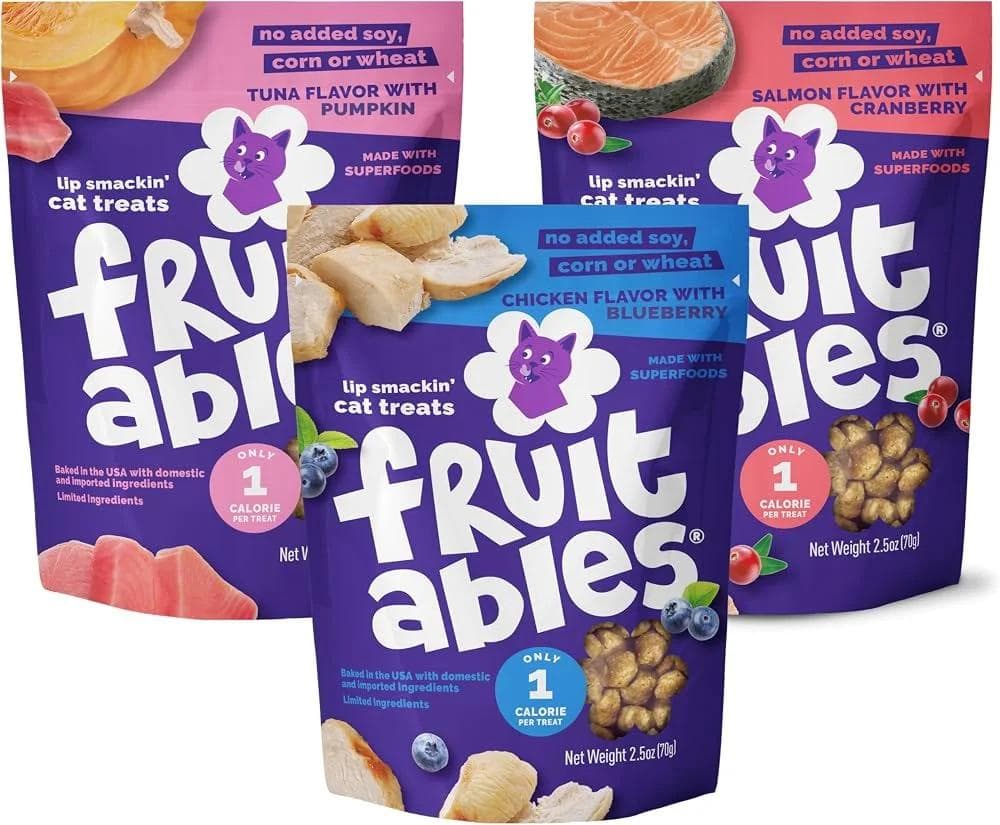
This is an optional dog treat. Review its current label, ingredients, calories, and feeding directions, and count it within the total daily extras.
Webvet may earn a commission when you click through to Chewy, at no extra cost to you.
Chickpeas contain carbohydrate, protein, fiber, vitamins, and minerals. That composition does not demonstrate a clinical digestive, heart, mineral, or weight benefit from treat-level feeding. A complete dog food should supply required nutrients in suitable amounts and proportions; chickpeas are optional calories rather than a corrective supplement. Related guidance: garlic.
Nutritional Context for Chickpeas
This food adds optional calories and nutrients, but the complete dog food remains responsible for meeting dietary requirements.
There is no evidence-based fixed-volume schedule for chickpeas. If the food is compatible with the dog's diet, use the actual product calories and total treat allowance. Count beans added to meals, commercial treats, and training rewards together so extras do not displace the complete food.

How to Portion Chickpeas
Use the calories in chickpeas and the individual dog's remaining treat allowance; body weight alone is not a serving chart.
Serve only plain chickpeas cooked until soft. Drain and rinse a canned product when appropriate, then use the nutrition label to judge sodium rather than declaring every canned bean unsafe. Do not season with onion or garlic, and discard spoiled food according to storage directions.
| Decision point | Evidence-based guidance |
|---|---|
| Plain food | Assess plain chickpeas by form, amount, tolerance, and the individual dog. |
| Portion | Use the individual calorie allowance, not a fixed piece or spoon table |
| Preparation | Serve it plain and choose a manageable size and texture. |
| Mixed product | Read every ingredient and keep the package or recipe for advice. |
How to Prepare Chickpeas
Hard dried chickpeas are not appropriate chews and may be difficult to bite or swallow. Fresh green chickpeas, soaked dried chickpeas, undercooked legumes, and fully cooked beans should not all be called raw chickpeas. Identify the form and use a soft, manageable texture if an approved taste is offered.
Gas or loose stool after unfamiliar legumes is not proof of toxicity or obstruction. Hard pieces may present a patient-specific choking concern, while repeated vomiting, abdominal pain, marked distension, inability to keep water down, or inability to pass stool requires veterinary assessment instead of a home fiber remedy.

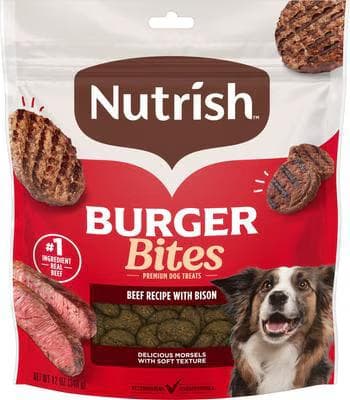
This is an optional dog treat. Review its current label, ingredients, calories, and feeding directions, and count it within the total daily extras.
Webvet may earn a commission when you click through to Chewy, at no extra cost to you.
Risks and When to Call
Hummus is a recipe, not a toxin. Review the actual ingredients and amount. Onion and garlic can cause dose-dependent red-cell injury; lemon juice, tahini, oil, and ordinary salt affect acidity, calories, fat, or sodium but should not be labeled equivalent toxins at any amount.
Do not use pumpkin, green beans, or chickpeas as generic treatment for diarrhea, constipation, weight loss, or other gastrointestinal signs without diagnosis and hydration assessment. Dogs on therapeutic diets or with recurrent digestive disease need guidance that fits the condition and the nutrient design of the prescribed food.
Canned chickpeas, chickpea flour, and other forms
A taste of a salted canned chickpea in a dog acting normally is not automatically a poison-control emergency. Salt toxicity is dose- and hydration-dependent. Call for a substantial salted exposure, neurologic signs, persistent gastrointestinal illness, a hard-object concern, or a hummus ingredient such as meaningful onion or garlic.

FDA reports that many diets submitted in non-hereditary DCM cases included peas or other non-soy pulses high in the ingredient list, but both grain-free and grain-containing diets were represented and the connection remains unknown and multifactorial. An occasional plain chickpea treat is not the diet pattern studied.
Choosing Other Treats
If this food does not fit the plan, choose another veterinarian-approved treat and count it within the same calorie allowance. Related guidance: Green beans; Pumpkin; canned pumpkin.
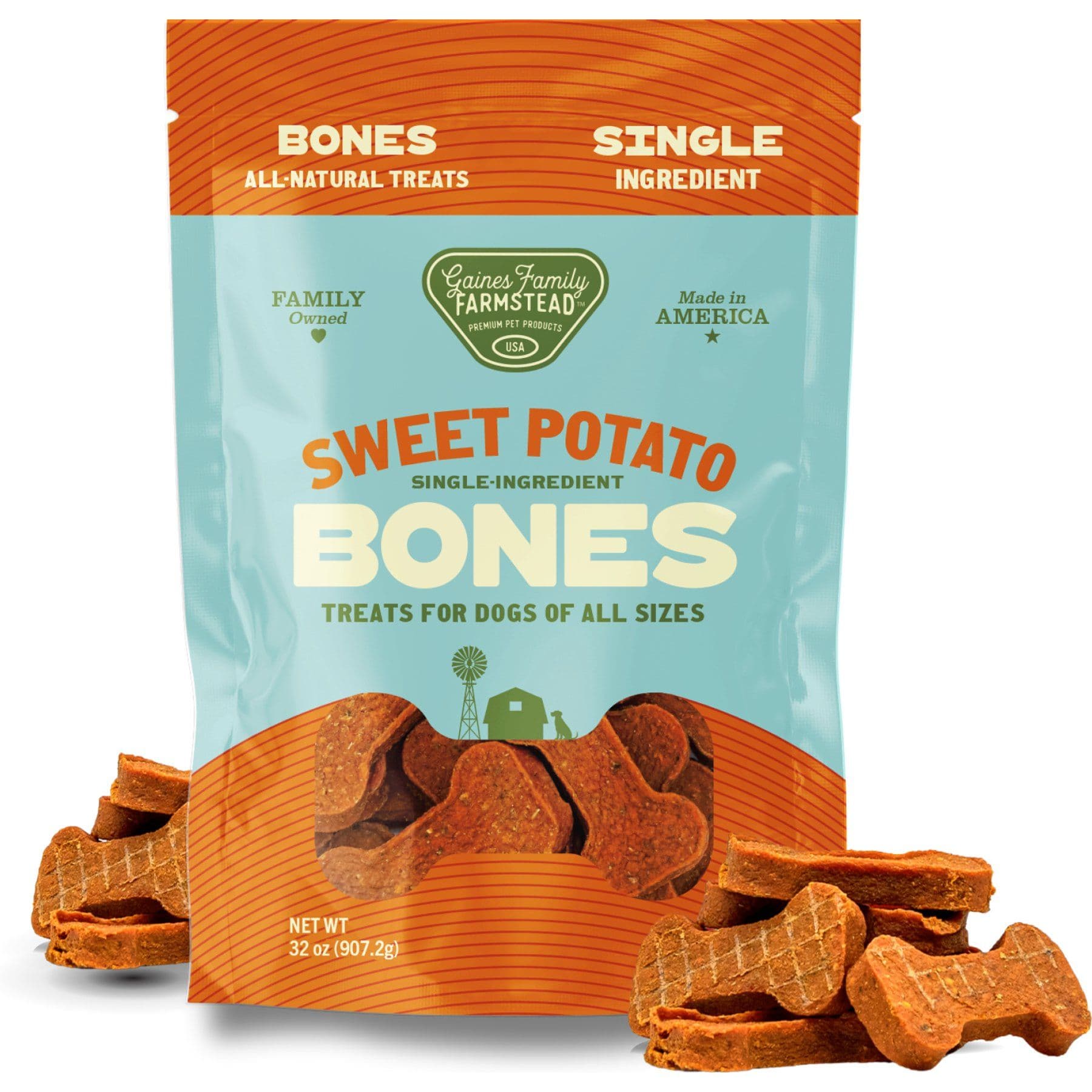
This is an optional dog treat. Review its current label, ingredients, calories, and feeding directions, and count it within the total daily extras.
Webvet may earn a commission when you click through to Chewy, at no extra cost to you.
Soft plain chickpeas can be optional food for some dogs. Plain cooked chickpeas differ from dry legumes, canned beans, roasted snacks, flour, pasta, falafel, and hummus. Rinse canned beans if the veterinary plan permits them, and inspect prepared products for salt, garlic, onion, oil, and other seasonings. Dry uncooked legumes and a missing bag deserve a different texture and amount assessment from a few soft cooked beans. Use an individualized calorie allowance, treat nutrient content as composition rather than a promised benefit, and keep DCM language association-based rather than deterministic. Distinguish the bean form, assess hummus by its recipe, and keep the complete diet and individual calorie plan in charge.
Frequently Asked Questions
Are plain cooked chickpeas poisonous to dogs?
Plain fully cooked chickpeas are generally non-toxic, although unfamiliar or excessive amounts may cause gastrointestinal upset in an individual dog.
How much chickpea can a dog have?
No universal spoon or cup amount is supported. Use actual calories and the dog's total treat allowance if the food fits the full diet.
Is hummus toxic to dogs?
Hummus is a recipe. Check the amount and ingredients, especially onion or garlic, instead of treating lemon, tahini, oil, and salt as equivalent toxins.
Can dry chickpeas swell in a dog's stomach?
Evidence does not support a claim that dried chickpeas predictably swell in the stomach. Hard dried beans remain an unsuitable chew and swallowing concern.
Do chickpeas cause canine DCM?
FDA describes a complex unresolved association involving many diet variables. An occasional chickpea treat is not established as a cause of DCM.

The practical decision is individualized: confirm the exact food, use a manageable texture, keep extras within the calorie plan, and watch the actual dog rather than a fixed schedule. Contact a veterinarian for persistent vomiting or diarrhea, marked lethargy, pain, breathing or swallowing trouble, inability to pass stool or urine, neurologic signs, or any ingredient-specific toxicology concern.
More safe treats
More vegetables for dogs
Sources
- FDA: Questions and Answers on Potential Causes of Non-Hereditary DCM in Dogs
Explains that reported diets often contained pulses high in ingredient lists, included grain-free and grain-containing products, and that the connection remains complex and unresolved.
- Merck Veterinary Manual: Overview of Nutrition in Small Animals
Supports complete and balanced feeding and patient-specific nutrition; it does not establish clinical benefit from a treat portion.
- Merck Veterinary Manual: Garlic and Onion Toxicosis in Animals
Supports dose-dependent oxidative red-cell injury from Allium ingredients and separates that toxicology from ordinary fats, salt, or dairy ingredients.
- Merck Veterinary Manual: Salt Toxicosis in Animals
Supports dose- and hydration-dependent salt toxicosis rather than treating one salted bite as a defined toxic dose.
- Merck Veterinary Manual: Gastrointestinal Obstruction in Small Animals
Supports patient-specific foreign-body assessment and urgent evaluation when obstruction signs develop.
- WSAVA: Feeding Treats to Your Dog
Supports keeping dog treats within about 10% of daily calories and calculating portions from individual energy needs.
Reviewed by Dr. Athena Gaffud, DVM
General guidance based on credible veterinary sources; not a diagnosis or a substitute for your veterinarian. If your pet ate something toxic or is unwell, contact your vet or a pet poison line right away.