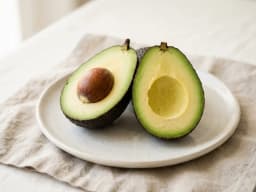
Can cats eat avocado?
Not recommendedA small lick of plain avocado flesh is usually low risk for cats. Call for a swallowed pit, substantial amount, symptoms, or hazardous mix-ins.


Medically reviewed by Dr. Athena Gaffud, DVM · Last reviewed
Can Cats Eat Avocado?
A small lick of plain ripe avocado flesh is unlikely to cause serious harm to a healthy cat. Avocado is calorie-dense and unnecessary in a complete feline diet, but it is not nutritionally empty. Do not make it a routine treat, and keep the pit and mixed products out of reach.
Classic avocado toxicosis is best documented in susceptible birds and livestock, while Merck does not establish a feline persin threshold. A small amount of ripe flesh is generally low concern. The pit can obstruct if swallowed; FDA advises that swallowed pits and other large food objects may lodge in the gastrointestinal tract. Avocado is calorie-dense and not needed in a complete feline diet.
- 1Verdict: not recommended. A small lick of plain ripe flesh is unlikely to cause serious harm, but avocado is calorie-dense, unnecessary, and not nutritionally empty.
- 2Cats require feline-specific nutrients but can metabolize dietary fat and use some plant-derived calories and nutrients.
- 3Do not offer the pit or skin. A swallowed pit may choke or lodge, while the reviewed evidence does not support a skin-above-flesh persin ranking for cats.
- 4Do not intentionally offer guacamole. Check the actual recipe and amount for onion, garlic, alcohol, excess salt, or other ingredients that may change triage.
- 5If your cat swallowed the pit or ate a large amount, call your vet or Pet Poison Helpline at 855-764-7661.


Treats should stay under 10% of your cat's daily calories. Smalls makes the rest, built around the meat an obligate carnivore actually needs.
- Human-grade ingredients, protein first
- Built for obligate carnivores
- Fresh meals delivered to your door
Webvet may earn a commission when you click through to Smalls, at no extra cost to you.
Is avocado safe for cats?
A small lick of plain ripe flesh is unlikely to cause serious harm. Avocado is high in fat and calories, so a substantial amount may cause gastrointestinal illness and can contribute to pancreatitis in a predisposed cat. A modest spoonful is not an established illness threshold, and cats can metabolize dietary fat.
Persin causes serious toxicosis in susceptible birds and livestock. Merck does not establish a feline susceptibility or tolerance threshold. Practical cat guidance focuses on gastrointestinal or pancreatitis concern after enough fat is eaten and on the pit as a foreign body. Feline persin resistance is not established, and avocado still contains nutrients and calories.
Why avocado is a poor fit for an obligate carnivore
Obligate carnivory describes cats' essential nutrient requirements; it does not mean cats cannot digest or metabolize dietary fat, calories, fiber, potassium, folate, or every plant-derived nutrient. Avocado is not complete or necessary for cats and is calorie-dense, which is the relevant practical point.

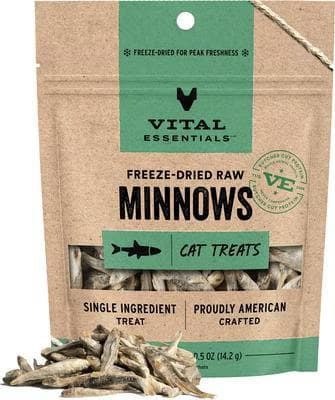
This is an optional cat treat. Review its current label, ingredients, calories, and feeding directions, and count it within the total daily extras.
Webvet may earn a commission when you click through to Chewy, at no extra cost to you.
Avocado is not needed in a complete feline diet and is more calorie-dense than many practical treats. That does not make it nutritionally empty or prove that a small taste causes digestive upset. A plain species-appropriate treat is easier to portion and avoids the pit and mixed-product questions.
Avocado is calorie-dense, so repeated or large servings can displace a complete diet and contribute excess calories. Exact energy needs vary by cat. The food contains fat, energy, fiber, and micronutrients, but it is neither complete nor necessary for feline nutrition.
The real hazards: fat, the pit, and the skin
The pit is a potential foreign body. It may pass, choke, or lodge depending on its dimensions, location, the cat's anatomy, timing, and signs. Keep pits out of reach and call promptly after a known or suspected ingestion so a veterinarian can decide whether monitoring, imaging, endoscopy, or surgery is appropriate.
Do not offer the tough skin. Merck identifies leaves as the most toxic part but does not establish a feline skin-above-flesh persin ranking. A substantial fatty exposure can cause gastrointestinal illness and may contribute to pancreatitis in a predisposed cat. A lick or modest taste should not be described as an expected pancreatitis trigger.

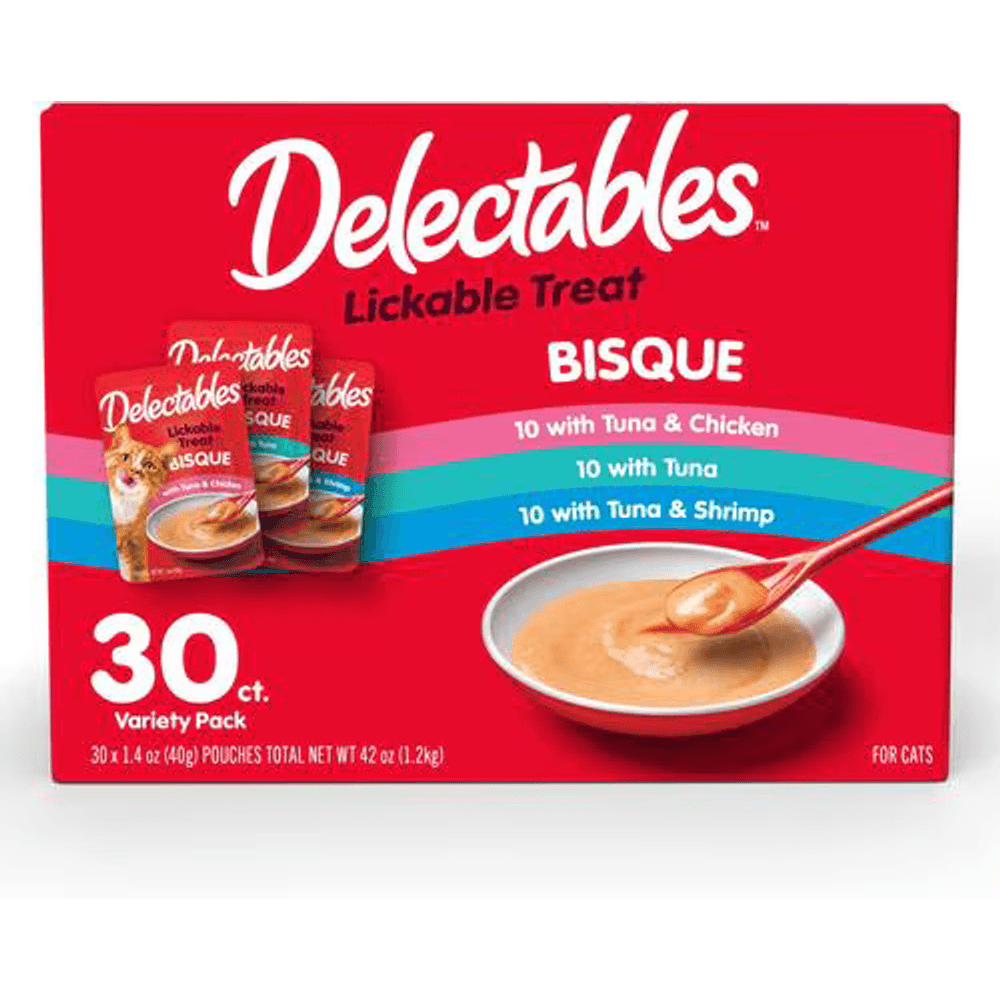
This is an optional cat treat. Review its current label, ingredients, calories, and feeding directions, and count it within the total daily extras.
Webvet may earn a commission when you click through to Chewy, at no extra cost to you.
| Part of the avocado | Risk to cats | Bottom line |
|---|---|---|
| Plain ripe flesh | Fatty, but low toxicity in tiny amounts | A lick is usually fine, but pointless |
| Pit (stone) | Choking and intestinal blockage | Never let a cat near it |
| Skin | Higher persin, tough to digest | Keep away |
| Guacamole | Onion, garlic, and salt are toxic | Dangerous, avoid entirely |
| Avocado oil | Very fatty, no clear benefit | Not worth offering |
What about guacamole, avocado oil, and avocado skin?
Guacamole recipes vary. Check the actual ingredients, amount eaten, cat's weight, symptoms, and health history. Onion or garlic can add dose-dependent Allium risk when present; not every recipe contains them, a few licks do not establish a toxic dose, and sodium risk requires product-specific dose information.
Avocado oil is concentrated fat and unnecessary in a complete feline diet; whether an exposure matters depends on amount, calories, tolerance, and the cat's medical plan. Commercial foods containing avocado-derived ingredients should be judged as finished products by their nutritional-adequacy statement, label, and feeding directions. That is different from a cat licking oil off a kitchen surface. As for the skin, treat it like the pit: not something a cat should ever chew on, both for the persin and for the fibrous, hard-to-pass texture. When in doubt, the simplest rule is that the only part worth even considering is a dab of plain flesh, and even that is optional.
What to do if your cat ate avocado
If your cat only licked or ate a small piece of plain flesh, there is usually no cause for alarm. Take the avocado away, put the pit and skin somewhere the cat cannot reach, and keep an eye on your cat for the next day. A small plain-flesh exposure may cause no signs or mild gastrointestinal upset, but the outcome cannot be guaranteed for an individual cat. Offer fresh water and hold off on any other rich foods while their stomach recovers.

Call your vet promptly if the situation is bigger than a lick. Swallowing the pit is the classic reason to pick up the phone, because of the blockage risk, and so is eating guacamole or a large amount of flesh. Warning signs that need same-day attention include repeated vomiting, refusing food, straining or a swollen, painful belly, unusual lethargy, or pale gums. Kittens, senior cats, and cats with existing digestive or pancreatic problems have less margin for error, so err on the side of calling. Early advice can clarify whether home observation or an examination is appropriate before signs progress.
Better treats for cats than avocado
If an optional animal-food treat fits the cat's complete diet, one possible choice is a few pieces of plain cooked chicken with no salt, oil, or seasoning is a treat almost every cat will love. A little plain cooked egg is another protein-rich option, and small flakes of plain cooked fish make a good occasional reward. A lick of plain, additive-free meat baby food or a proper commercial cat treat works just as well. Any alternative still needs calorie, ingredient, texture, allergy, and medical-diet review.
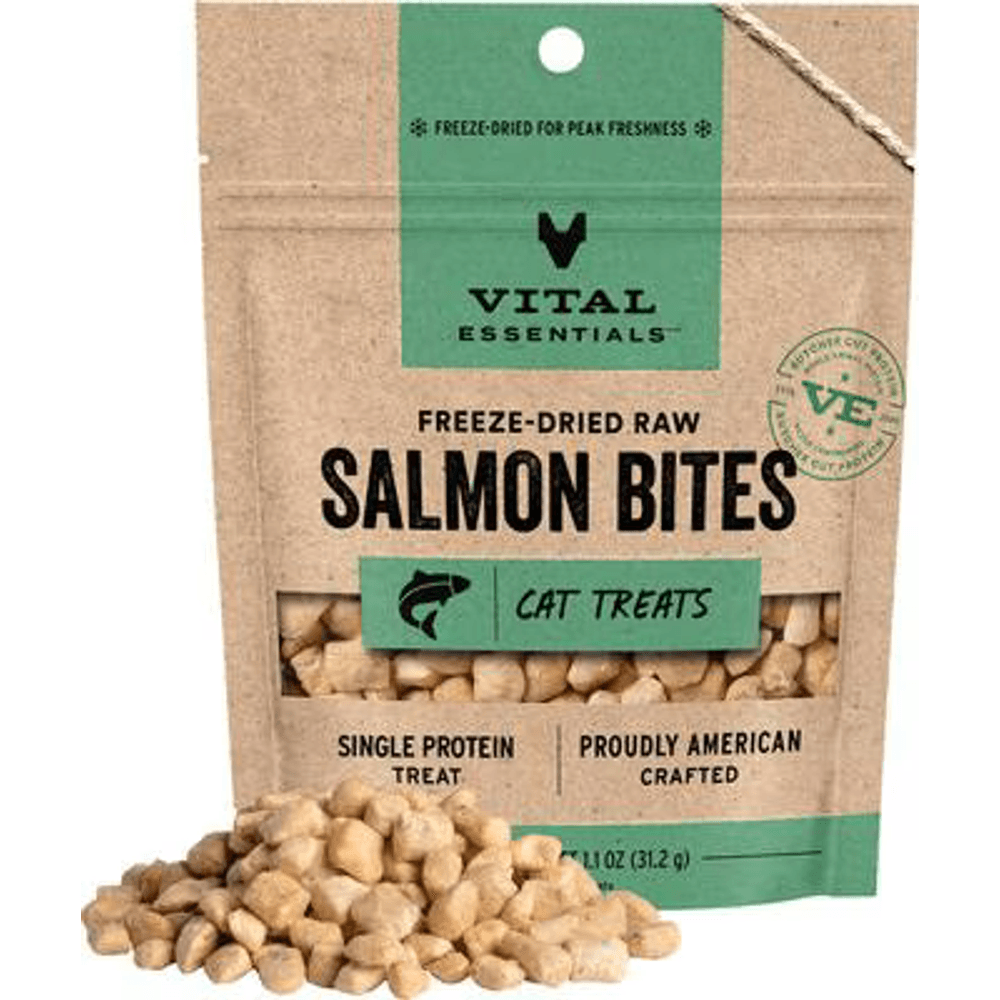
This is an optional cat treat. Review its current label, ingredients, calories, and feeding directions, and count it within the total daily extras.
Webvet may earn a commission when you click through to Chewy, at no extra cost to you.
Keep any treat, meat or otherwise, to no more than about ten percent of your cat's daily calories, with the rest coming from a complete and balanced cat food. Cut protein treats into tiny, bite-sized pieces to avoid choking, and always serve them plain. If your cat is drawn to the fatty richness of avocado, a veterinarian-approved treat may be easier to portion. Choose from the individual cat's complete diet and medical plan rather than from a food-group slogan.
Frequently Asked Questions
Can cats eat a tiny bit of avocado?
A tiny lick of plain ripe avocado flesh is unlikely to cause serious harm to a healthy cat. It is calorie-dense and unnecessary in a complete feline diet, but it is not nutritionally empty. Take it away and seek advice if the exposure is substantial or symptoms develop.
What should I do if my cat licked avocado?
For a lick of plain flesh, remove the avocado, secure the pit and skin, and monitor your cat for a day for any vomiting or loose stool. If your cat swallowed the pit, ate guacamole, or got into a large amount, call your vet or Pet Poison Helpline at 855-764-7661 right away.
Why is my cat obsessed with avocado?
Cats lack the sweet-taste receptor, so interest may reflect odor, texture, novelty, or learned begging rather than a proven nutrient craving. Interest does not show that avocado is beneficial or appropriate as a treat.
Is avocado toxic to cats?
Merck does not establish a feline persin-resistance threshold. A small amount of plain ripe flesh is unlikely to cause serious harm, while a swallowed pit can obstruct and a substantial fatty exposure may cause gastrointestinal illness or contribute to pancreatitis in a predisposed cat.
Can kittens eat avocado?
Kittens need complete growth nutrition and have limited room for extras. Ask the veterinary team before adding avocado or any other optional human food. Skip avocado entirely and stick to their regular diet plus vet-approved kitten treats.

A small lick of plain ripe flesh is unlikely to cause serious harm, but avocado is calorie-dense and unnecessary in a complete feline diet. Keep pits and mixed products out of reach. Call for a swallowed pit, substantial amount, symptoms, or a product containing hazardous ingredients.
Safe alternatives
More fruits for cats
Sources
- Merck Veterinary Manual: Avocado Toxicosis in Animals
Does not list cats among the classic susceptible species and does not establish a feline tolerance threshold or a skin-above-flesh ranking.
- FDA: Potentially Dangerous Items for Your Pet
Supports avocado pits as possible pet gastrointestinal obstruction hazards without claiming they are a common feline foreign body.
- ASPCA: The Scoop on Avocado and Your Pets
Supports possible gastrointestinal illness and pancreatitis if enough avocado fat is ingested, requiring amount and susceptibility qualifiers.
- Merck Veterinary Manual: Garlic and Onion Toxicosis in Animals
Describes dose-dependent oxidative red-cell injury from Allium exposure and greater feline susceptibility, supporting ingredient- and amount-specific guacamole triage.
Reviewed by Dr. Athena Gaffud, DVM
General guidance based on credible veterinary sources; not a diagnosis or a substitute for your veterinarian. If your pet ate something toxic or is unwell, contact your vet or a pet poison line right away.