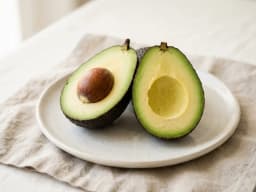
Can dogs eat avocado?
Not recommendedA small bite of plain avocado flesh is usually low risk for dogs. Call for a swallowed pit, substantial amount, symptoms, or hazardous mix-ins.


Medically reviewed by Dr. Athena Gaffud, DVM · Last reviewed
Can Dogs Eat Avocado?
A small bite of plain ripe avocado flesh is unlikely to cause serious harm to a healthy dog, but avocado is not necessary in a complete diet. The pit is a foreign-body hazard, leaves are the most toxic plant part, and a substantial fatty exposure can cause gastrointestinal illness or pancreatitis in a susceptible dog. Lower-risk treats are easier to serve safely.
- 1A small amount of plain ripe flesh is usually low risk, but avocado is unnecessary and should not be a routine treat.
- 2The pit may choke or lodge; object size, dog anatomy, timing, location, and signs determine the concern.
- 3A substantial fatty exposure may cause gastrointestinal illness or contribute to pancreatitis in a susceptible dog.
- 4Persin, the toxin people worry about, is far more dangerous to birds and livestock than to dogs.
- 5Guacamole and avocado dishes vary, so check the recipe for clinically relevant onion, garlic, alcohol, chocolate, excess fat, or other hazards.
- 6If your dog swallowed a pit or ate a large amount, call your vet or a poison-control line.

Treats should stay under 10% of your dog's daily calories. JustFoodForDogs makes the rest of it.
- Recipes developed by veterinary nutritionists
- Whole-food ingredients you can recognise
- Fresh meals delivered to your door
Webvet may earn a commission when you click through to JustFoodForDogs, at no extra cost to you.

Is avocado safe for dogs?
Dogs appear relatively resistant to classic avocado toxicosis, and a small piece of ripe flesh is unlikely to cause a poisoning emergency. Relative resistance is not immunity: Merck notes a rare report of myocardial injury in two dogs. The pit can choke or obstruct, and a substantial fat exposure may cause gastrointestinal illness or pancreatitis in a susceptible dog.
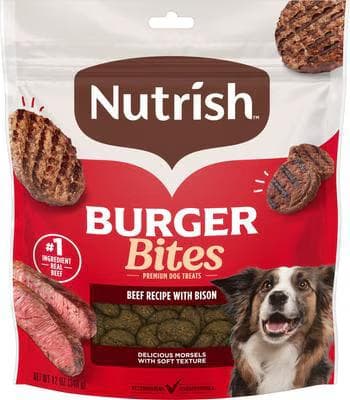
This is an optional dog treat. Review its current label, ingredients, calories, and feeding directions, and count it within the total daily extras.
Webvet may earn a commission when you click through to Chewy, at no extra cost to you.
It also helps to know that reputable sources genuinely disagree on wording, which is why owners get confused. Poison-control resources often label avocado as non-toxic to dogs and cats, while many veterinary and breed-club guides say to avoid it. Both are right in their own way: the flesh is low-risk, but the whole fruit as a package is not something you should hand your dog on purpose.
Why avocado is risky for dogs
Separate the hazards. A substantial flesh exposure can cause gastrointestinal illness or contribute to pancreatitis in a susceptible dog. The pit can choke or obstruct and requires prompt veterinary advice if swallowed. Merck says leaves are the most toxic part and reports toxicosis associated with fruit, leaves, stems, and seeds; it does not support a repeated skin-above-flesh ranking.
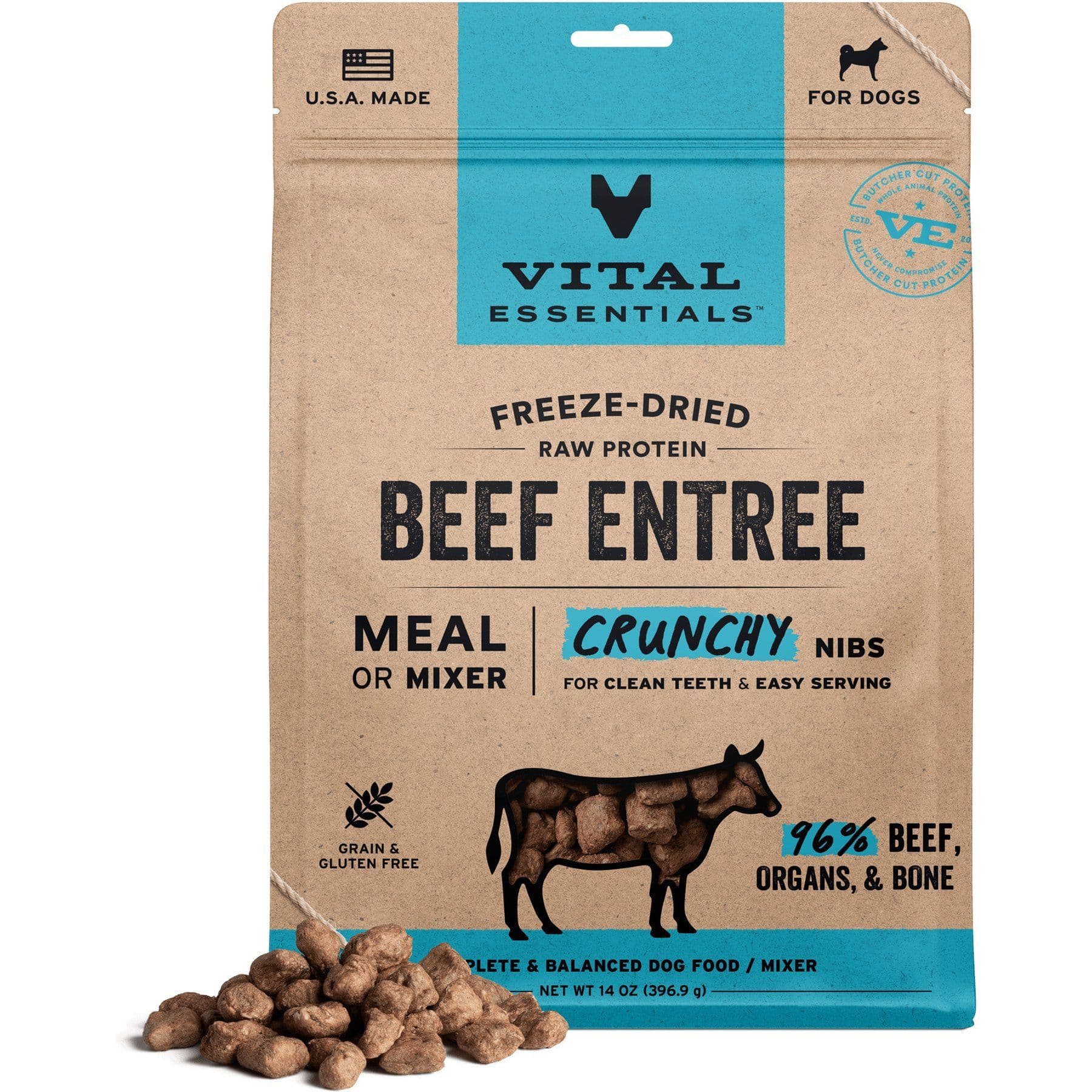
This is an optional dog treat. Review its current label, ingredients, calories, and feeding directions, and count it within the total daily extras.
Webvet may earn a commission when you click through to Chewy, at no extra cost to you.
| Part of the avocado | Main risk to dogs | How worried to be |
|---|---|---|
| Flesh | High fat: GI upset and pancreatitis | Low in a tiny amount, higher in quantity |
| Pit (seed) | Choking and intestinal blockage | High: call your vet if swallowed |
| Skin | Tough, indigestible, more persin | Moderate: keep it away |
| Leaves, bark, plant | Most persin of any part | High: fence off avocado trees |
| Guacamole | Onion and garlic are toxic | High: never share |
The fat problem: upset stomach versus pancreatitis
Avocado flesh is high in fat. A substantial amount may cause gastrointestinal illness and can contribute to pancreatitis, particularly in a predisposed dog. Do not imply that a modest lick or bite is expected to cause pancreatitis. Repeated vomiting, abdominal pain, lethargy, or appetite loss warrants veterinary advice.

What is persin, and does it hurt dogs?
Persin is associated with serious toxicosis in susceptible birds and livestock. Dogs are described as relatively resistant, but Merck reports myocardial injury in two dogs after avocado ingestion. Leaves are the most toxic part, and fruit, leaves, stems, and seeds have been associated with toxicosis. A small accidental nibble of ripe flesh is unlikely to cause serious harm. Dogs are not proven immune, and Merck identifies leaves as the most toxic part without establishing a simple ranking for every other plant part.
The pit: choking and blockage risk
An avocado pit is a potential foreign body. It may pass, choke, or lodge in the esophagus, stomach, or intestine, and size alone does not predict the outcome. Call promptly after a known or suspected ingestion; the veterinarian can use the dog's anatomy, pit size, timing, location, and signs to decide whether monitoring, imaging, endoscopy, or surgery is appropriate.
How much avocado is too much?
Avocado is not necessary in a complete canine diet, but lack of necessity is not evidence of toxicity. A small lick or crumb of plain ripe flesh is unlikely to cause serious harm. Concern rises with a substantial amount, a predisposed patient, a swallowed pit, other plant parts, symptoms, or a mixed product containing hazardous ingredients.

What to do if your dog ate avocado
A small piece of plain ripe flesh is unlikely to cause serious harm; monitor for gastrointestinal signs. Call promptly for a swallowed pit, substantial amount, symptoms, other plant parts, or a mixed product. Check the full recipe or label because guacamole and avocado dishes vary; onion or garlic matters only when actually present and in a clinically relevant amount.
Common myths about dogs and avocado
A small amount of ripe flesh is generally low risk, while a swallowed pit, substantial amount, symptoms, or other plant parts need more attention. Commercial pet food containing avocado-derived ingredients should be evaluated as the finished formulated product; processing alone does not establish a specific persin or fat level; use the finished product's label and formulation. Lower-risk treats remain simpler choices.
Safe alternatives to avocado
If you want to share something wholesome, skip the avocado and reach for a treat that is genuinely dog-friendly. A little plain cooked egg gives your dog protein and healthy fats without the pit or the heavy fat load, and it is easy to scramble plain with no oil, salt, or butter. Fresh blueberries are low in calories, full of antioxidants, and simple to portion out one at a time as a training reward. Both deliver the treat moment your dog is after with none of the trouble avocado brings. As with any treat, keep extras to about ten percent of your dog's daily calories so the balanced diet in the bowl stays the main event.

This is an optional dog treat. Review its current label, ingredients, calories, and feeding directions, and count it within the total daily extras.
Webvet may earn a commission when you click through to Chewy, at no extra cost to you.
Frequently Asked Questions
Will my dog be ok if he ate a little bit of avocado?
A small piece of plain ripe flesh is unlikely to cause serious harm in a healthy dog, but individual tolerance varies. Watch for mild stomach upset over the next day and keep water available. Call your vet if your dog vomits repeatedly, seems uncomfortable, or if you think they swallowed part of the pit or skin.
Can dogs eat avocado skin or the pit?
Do not offer the skin or pit. The pit is a documented choking and obstruction hazard. Merck does not support ranking skin above flesh for persin, so call with the exact plant part, amount, timing, and symptoms rather than relying on that claim.
Can dogs eat guacamole or avocado toast?
Do not offer guacamole or seasoned avocado dishes. Recipes vary, so check the exact ingredients and amount. Onion or garlic can add Allium risk when present, while alcohol, chocolate, excess fat, or other ingredients may also change triage.
Is avocado poisonous to dogs?
Dogs are relatively resistant, not immune, to classic avocado toxicosis. A small amount of ripe flesh is generally low risk, while the pit can obstruct and a substantial fatty exposure may cause illness. Merck also notes a rare report of myocardial injury in two dogs.
My dog ate an avocado pit. What should I do?
Call your veterinarian or an emergency clinic right away, even if your dog seems fine. A pit may lodge even before signs are obvious, so obtain prompt advice. Do not induce vomiting at home, and watch closely for gagging, vomiting, straining, or a painful belly while you get advice.
What fruits are safer for dogs than avocado?
Blueberries, apple slices without the core or seeds, and watermelon without the rind or seeds are all safe, low-fat options. A little plain cooked egg is another good protein-rich treat that carries none of avocado's hazards.
Safe alternatives
More fruits for dogs
Sources
- Merck Veterinary Manual: Avocado Toxicosis in Animals
Supports dogs as relatively resistant rather than immune, a rare report of myocardial injury in two dogs, leaves as the most toxic part, and association of fruit, leaves, stems, and seeds with toxicosis.
- FDA: Potentially Dangerous Items for Your Pet
Specifically lists avocado pits as possible esophageal, stomach, or intestinal obstruction hazards.
- ASPCA: The Scoop on Avocado and Your Pets
Supports possible gastrointestinal illness and pancreatitis if enough high-fat avocado is ingested.
Reviewed by Dr. Athena Gaffud, DVM
General guidance based on credible veterinary sources; not a diagnosis or a substitute for your veterinarian. If your pet ate something toxic or is unwell, contact your vet or a pet poison line right away.