
Are tulips toxic to dogs?
Needs a vetTulips are toxic to dogs, with the highest toxin concentration in the bulbs. Call your veterinarian or a poison service after exposure.
Contact your veterinarian or a pet poison line promptly
Describe the exposure and any signs so they can advise on care. Trouble breathing, collapse, seizures, or severe weakness needs immediate emergency care.


Medically reviewed by Dr. Athena Gaffud, DVM · Last reviewed
What to do right now
- Move your dog away from the tulips and secure loose bulbs, cut flowers, and planting supplies.
- Note which part is missing, the estimated amount, and when it happened. Keep the plant tag or take a clear photo.
- Contact your veterinarian or a pet poison line promptly. Tell them specifically if a bulb was chewed or swallowed.
- Seek immediate emergency care for trouble breathing, collapse, seizures, or severe weakness.
What not to do
- Do not induce vomiting at home or give any home remedy.
- Do not assume leaves or petals are harmless because bulbs contain more toxin.
- Do not wait for symptoms or a fixed monitoring period before asking for advice.
What to tell the vet or poison line
- Whether your dog ate a bulb, leaf, stem, or flower, and about how much is missing.
- The time of exposure and any drooling, vomiting, diarrhea, or lethargy.
- Your dog's weight, age, health conditions, and medications.
- The labels of any fertilizer, pesticide, or bulb treatment involved.
Are tulips toxic to dogs? Yes. All parts of the tulip can cause problems if eaten, and the toxins are most concentrated in the bulb. Call your veterinarian or a pet poison service if your dog chewed a tulip, dug up bulbs, or may have swallowed plant material. An apparently normal dog still needs an exposure assessment.
Keep stored bulbs and planting areas secure
Plan access before opening a bag of bulbs. A MidWest Wire Dog Exercise Pen with Step-Thru Door, Black E-Coat, 36-in can separate a dog from a supervised planting workspace if the height and setup suit that dog. Put it on stable ground and provide a comfortable plant-free space. A dog that climbs, jumps, or pushes the pen needs a different barrier.
Tulips can be kept in a home with dogs only if access is reliably controlled; removing them is a simpler choice for persistent chewers. A vase on a coffee table, a dropped petal, and a box of bulbs on the floor are all reachable opportunities. A closed room gives better separation than assuming a dog will ignore flowers.
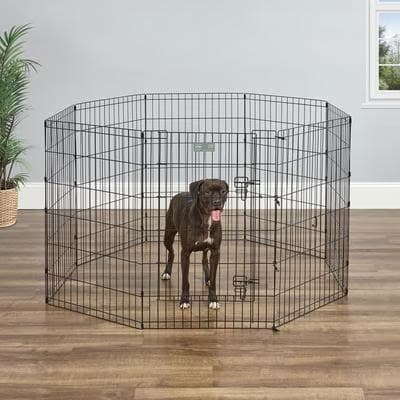
Optional equipment or enrichment for your dog. Check suitability, condition, and directions, and supervise use. This product does not treat a hazardous exposure.
Webvet may earn a commission when you click through to Chewy, at no extra cost to you.

Store loose bulbs and gardening additives behind a secured door. For a suitable double-door cabinet, the Qdos Adhesive Double Door Dog Cabinet Lock, 4 count is one access-control option. Follow its surface preparation and installation directions, then test the closure. Leave fertilizer and other products in their original labeled containers so you can identify any separate exposure.
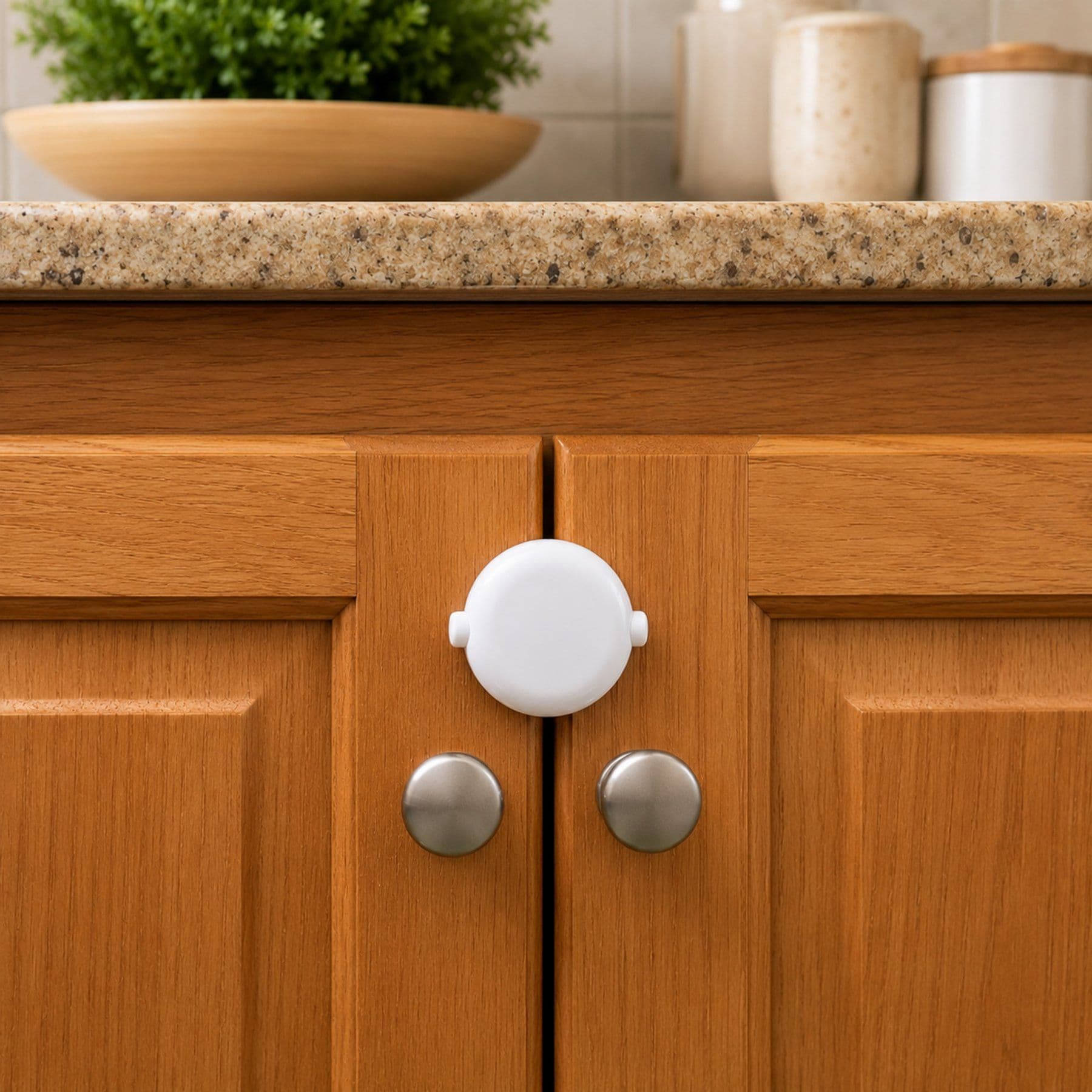
Optional equipment or enrichment for your dog. Check suitability, condition, and directions, and supervise use. This product does not treat a hazardous exposure.
Webvet may earn a commission when you click through to Chewy, at no extra cost to you.
Keep the storage rule consistent through the entire planting day. Do not leave a partly emptied box beside the door while answering the phone, and check work gloves or garden trays for loose bulbs before bringing them inside. Decide who is watching the dog when the planting area must be opened.
Know which part your dog could reach
ASPCA identifies tulipalin A and tulipalin B as tulip toxins, with the highest concentration in the bulbs. This means a freshly planted bed deserves attention even when no flowers are showing. A dog can uncover the part of the plant that an owner walking past the bed cannot see.
Walking and training around spring flowers

During ordinary walks, prevent your dog reaching displays or newly planted beds. A correctly sized EliteField Padded Reflective No Pull Dog Harness, Blue, Small provides a lead attachment while you guide your dog along the path. A harness is not a mouth barrier: keep enough distance that your dog cannot grab a flower. Our dog-friendly yard guide covers planning space around pets.
At someone else's garden, explain that your dog needs to stay out of the tulip bed before taking the lead off. A venue allowing dogs is not a statement that its plants are safe to chew. Choose a clear walking route and keep your dog with you around unfamiliar displays.

Optional equipment or enrichment for your dog. Check suitability, condition, and directions, and supervise use. This product does not treat a hazardous exposure.
Webvet may earn a commission when you click through to Chewy, at no extra cost to you.
After gardening, collect loose bulbs, trimmings, and empty containers before your dog returns. Check again after a storm or another animal disturbs the soil. For indoor risks, read about snake plants and dogs, or use the plant safety guides to find another plant. Each plant needs its own assessment.
Why tulip bulbs are the bigger exposure
Leaves and petals are not safe snacks. Pet Poison Helpline's tulip entry describes gastrointestinal problems after ingestion and more concerning effects after eating bulbs. Do not try to calculate a safe amount from the number of petals or from a dog's size. The clinician needs to assess the actual plant part, possible quantity, and the individual dog.
| Exposure detail | Information for the call |
|---|---|
| Missing bulb | Number planted, fragments, uncertain amount |
| Leaf or flower damage | Chewing witnessed or only suspected |
| Open bulb package | Plant name and quantity remaining |
| Disturbed pot or bed | Fertilizer, mulch, soil, container damage |
Practice everyday skills away from plants
Practice a cheerful turn back toward you around harmless distractions. For a healthy dog that can eat them, Fruitables Skinny Minis Pumpkin & Berry Flavor Dog Treats, 12-oz bag can reward that everyday training. Work at a distance where your dog can succeed, and continue using the lead and barrier. Treats are not an antidote and should not be offered as a response to suspected poisoning.

Optional dog training treats for routine use. Check the label and calories. After suspected ingestion, ask the treating veterinarian before giving food or treats.
Webvet may earn a commission when you click through to Chewy, at no extra cost to you.
Keep identifying the whole exposure
If you find a missing bulb, tell the clinic how you noticed it and what you cannot account for. Finding fragments does not prove that the rest was spat out. Likewise, a torn tulip leaf does not tell you whether your dog ate only a leaf or also reached the bulb. A short, accurate description is more useful than an exact-sounding guess.
Tulips belong to Tulipa. “Tulip tree” names a different plant; do not apply this page's verdict to a tree based on that shared word. Keep the label or ask the seller for its botanical name. The article's photographs illustrate the subject and exposure setting, but they cannot establish a reliable identification for a damaged or unfamiliar plant.

What to do if your dog ate tulips
Move your dog away from the flowers and prevent more digging. Call promptly with the plant name, the time, and what appears missing. In the United States, Pet Poison Helpline is 855-764-7661 and ASPCA Poison Control is 888-426-4435; consultation fees may apply. Elsewhere, contact your local veterinarian or poison service.
Pet Poison Helpline recommends calling before attempting treatment. If your dog ate one tulip bulb, a leaf, or a flower, say which. If you did not witness the event, explain that the amount is uncertain. Bring the nursery label or a photograph; do not delay calling while searching for every missing piece.
Distinguish a witnessed bite from a disturbed flowerbed. Note whether other pets had access and whether you found the plant immediately or after being away. These facts help explain why your estimate may be incomplete. Keep your dog with an adult while another person gathers labels or takes photographs.
Signs of tulip poisoning and veterinary care
Watch for drooling, vomiting, diarrhea, reduced appetite, or unusual lethargy, and report them to the veterinary team. UC Davis notes that large tulip-bulb exposures can also affect heart rate or breathing. The amount eaten is often uncertain, so do not wait for those severe signs before asking for advice.
The plan may differ for a briefly chewed leaf and an unaccounted-for bulb. Your veterinarian may recommend an examination or a specific monitoring plan based on the history and your dog's condition. This guide cannot choose between those options or promise a recovery time.
Useful questions during the call include:
- Does my dog need to be examined now, given the part that is missing?
- What changes should make us leave for an emergency clinic?
- If monitoring is appropriate, what should I record and for how long?
- Are there separate concerns about fertilizer or anything else in the planting area?
Write down the advice and case number. If symptoms change, call back with the update rather than assuming the first assessment still applies.
Frequently Asked Questions
Are tulips toxic to dogs if they smell them?
Smelling tulips is different from eating plant material. A brief sniff alone does not show that your dog swallowed tulip toxins. The practical problem is that sniffing can turn into licking, chewing, or digging when the flowers are accessible. Move your dog away, check for damage, and report any suspected ingestion or symptoms to your veterinarian rather than deciding the exposure was harmless.
What if my dog only licked the tulip?
Tell your veterinarian that your dog licked a tulip and whether you saw any chewing or swallowing. A lick does not establish the same amount of exposure as eating a bulb, but an uncertain exposure cannot be assessed from that word alone. Plant damage, symptoms, and what happened immediately beforehand help the clinician decide what advice fits your dog's situation.
What if my dog drank tulip vase water?
Call with the flower names and any flower-food product used in the vase. Vase water creates an uncertain exposure involving the arrangement and possible additives; it is not possible to calculate the risk from the water's appearance. Save the product label if one is available. Keep the vase away from your dog while you follow the professional's instructions, and mention any vomiting or other change.
More plants and dogs
Sources
- ASPCA tulip
Tulipa; tulipalin A/B; highest concentration bulbs; vomiting depression diarrhea hypersalivation.
- PPH tulip
All tulip parts can cause illness; bulbs are a particular concern. Signs can include stomach upset, appetite changes and lethargy.
- UC Davis spring garden toxicology
Large tulip-bulb exposures can affect heart rate and breathing.
- PPH first aid
Call before home treatment or inducing vomiting; gather the plant/product details and supervise the pet.
Reviewed by Dr. Athena Gaffud, DVM
General guidance based on credible veterinary sources; not a diagnosis or a substitute for your veterinarian. If your pet ate something dangerous or is unwell, contact your vet or a pet poison line right away.