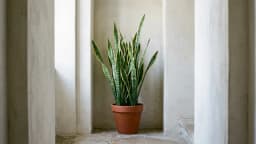
Are snake plants toxic to dogs?
Needs a vetSnake plants contain saponins that can cause nausea, vomiting, and diarrhea in dogs. Call your veterinarian or a poison service after chewing.
Contact your veterinarian or a pet poison line promptly
Describe the exposure and any signs so they can advise on care. Trouble breathing, collapse, seizures, or severe weakness needs immediate emergency care.


Medically reviewed by Dr. Athena Gaffud, DVM · Last reviewed
What to do right now
- Move your dog away from the plant and clear away chewed leaves.
- Note the time, how much leaf material is missing, and any access to fertilizer, soil, or other plants.
- Contact your veterinarian or a pet poison line promptly with the plant label or a clear photo.
- Arrange immediate emergency care for trouble breathing, collapse, seizures, or severe weakness.
What not to do
- Do not induce vomiting at home or give a home remedy.
- Do not wait for repeated vomiting or assume the plant is harmless because it is a common houseplant.
- Do not leave chewed pieces where your dog can return to them.
What to tell the vet or poison line
- The snake plant's name, label, or a photograph of its leaves.
- The estimated amount eaten and the time of exposure.
- Your dog's weight, medical conditions, and any nausea, drooling, vomiting, or diarrhea.
- Any soil, plant-care product, or other plant your dog could also have swallowed.
Are snake plants toxic to dogs? Yes. They contain saponins that can cause nausea, vomiting, and diarrhea if eaten. If your dog chewed a leaf, call your veterinarian or a pet poison service with the plant name and exposure details. Prevent another bite while you get advice; a tidy-looking pot does not establish how much was swallowed.
Make the plant inaccessible before another chew
For routine repotting or watering, move your dog to an established plant-free space first. A MidWest Wire Dog Exercise Pen with Step-Thru Door, Black E-Coat, 36-in can provide temporary separation for a dog that comfortably uses a pen. Choose a height and setup your dog cannot jump, climb, or push aside, and supervise. Keep soil and leaf trimmings on the other side of that boundary.
A closed plant room is often more dependable than a tall shelf. Check the route from your dog's point of view: nearby furniture may provide access, and a heavy pot can be knocked down. If a household member repeatedly leaves the door open, relocate the plant or choose an alternative after checking its exact species. A dog's past indifference is not a permanent safeguard.

Optional equipment or enrichment for your dog. Check suitability, condition, and directions, and supervise use. This product does not treat a hazardous exposure.
Webvet may earn a commission when you click through to Chewy, at no extra cost to you.

Keep fertilizers, pesticides, and spare potting supplies in their labeled containers behind a secured door. A Qdos Adhesive Double Door Dog Cabinet Lock, 4 count can help on a compatible cabinet when installed as directed. Check that its adhesive and closure hold. This is storage for supplies, not a suggestion to hide a living plant in a dark cabinet.
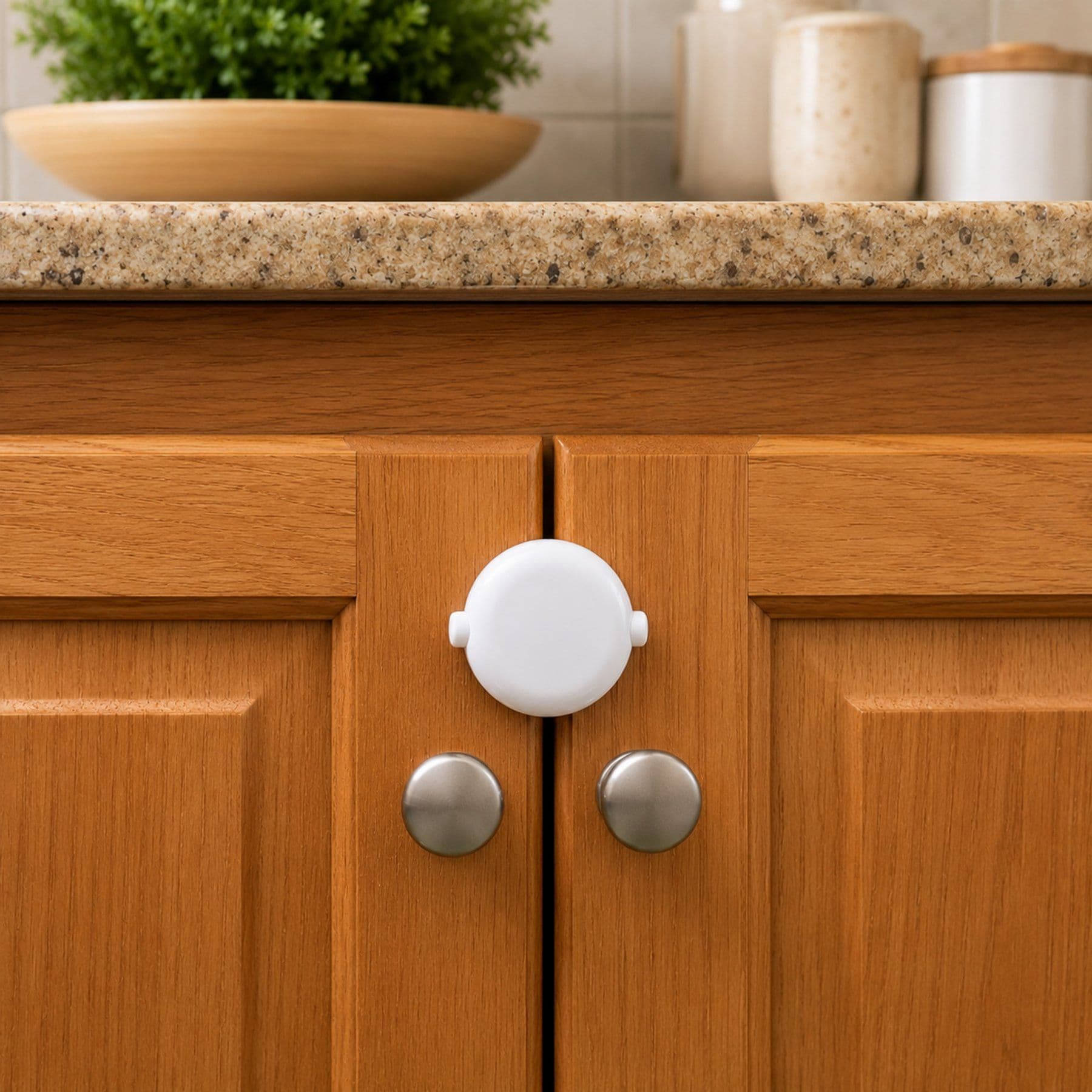
Optional equipment or enrichment for your dog. Check suitability, condition, and directions, and supervise use. This product does not treat a hazardous exposure.
Webvet may earn a commission when you click through to Chewy, at no extra cost to you.
Put the plant-care routine on the household's access plan. Whoever waters or trims the plant should collect detached leaves before letting the dog back into the room. Visitors and pet sitters need to know which door stays closed. Recheck the arrangement after moving furniture, adding a puppy, or bringing pots indoors for the season.
Confirm the snake plant name
The snake plant is commonly labeled Dracaena trifasciata or its older name, Sansevieria trifasciata. Other names include mother-in-law's tongue and golden bird's nest. ASPCA classifies this plant as toxic to dogs and cats and identifies saponins as the toxic compounds. Keep its label rather than relying on a nickname alone.
Prevent chewing during everyday routines

If pots move onto the patio seasonally, check access again. A properly fitted EliteField Padded Reflective No Pull Dog Harness, Blue, Small can provide a lead attachment while you guide your dog along a clear route outside the pot area. Select your dog's correct size. A harness cannot prevent chewing a leaf that remains within reach, so distance and a secure barrier still matter.

Optional equipment or enrichment for your dog. Check suitability, condition, and directions, and supervise use. This product does not treat a hazardous exposure.
Webvet may earn a commission when you click through to Chewy, at no extra cost to you.
Use our dog-friendly yard guide when planning outdoor separation. Tulip bulbs raise a different exposure question, and the plant safety guides help you find other plants. Do not apply a snake plant's expected effects to every pot in your home.
Snake plant names and why chewing matters
Chewing or swallowing plant material is the concern behind that classification. It does not mean that a dog simply sharing a room with the plant has been poisoned. Access still matters: a floor-level pot, a dangling damaged leaf, or a plant moved down for watering gives a curious dog a chance to bite. Removing that opportunity is easier than trying to supervise every approach.
| Part of the whole pot | Separate exposure to report |
|---|---|
| Plant | Leaf damage and missing material |
| Potting mix | Fertilizer or pesticide product labels |
| Container | Broken pieces or disturbed stones |
| Identity | Botanical name, label, whole-plant photograph |
Practice everyday skills away from plants
During ordinary training, reward your dog for turning toward you and settling away from household objects. For a healthy dog that tolerates them, Fruitables Skinny Minis Pumpkin & Berry Flavor Dog Treats, 12-oz bag are one possible reward. Practice with harmless distractions; do not invite a dog close to a toxic plant to test the skill. Treats have no role as a home antidote after plant exposure.

Optional dog training treats for routine use. Check the label and calories. After suspected ingestion, ask the treating veterinarian before giving food or treats.
Webvet may earn a commission when you click through to Chewy, at no extra cost to you.
Keep identifying the whole exposure
Do not use a photograph, this article's images, or an app result as a final identification. Some unrelated houseplants share similar common names. An uncertain botanical name is something to tell the clinic, not something to settle by choosing the closest-looking picture.
What to do if your dog ate a snake plant
Call your veterinarian promptly, even if your dog currently seems well. In the United States, Pet Poison Helpline is 855-764-7661 and ASPCA Poison Control is 888-426-4435; consultation fees may apply. Outside the U.S., contact a local veterinarian or poison service. Describe your dog's weight, the time, and the leaf damage you found.
Pet Poison Helpline advises calling before attempting treatment. Save the plant label and photograph the whole plant and damaged area. Tell the clinic whether you saw swallowing or only found a chewed leaf. Include any potting product, fallen pot, or other material your dog could have reached. “I don't know how much” is more accurate than estimating from one visible bite mark.
Mention whether another pet could have caused the damage and whether the plant was already torn before today. Keep those uncertainties separate from observed symptoms. The aim is a clear account of the event, not a guess that matches the photograph on a plant-identification website.

Symptoms, recovery, and the whole-pot problem
Nausea, vomiting, and diarrhea are recognized snake plant poisoning signs; drooling may also occur. Pet Poison Helpline's Sansevieria entry describes gastrointestinal effects in dogs. Report any new symptom to your veterinarian, including signs that seem different from this list. A dog with severe weakness, trouble breathing or collapse needs emergency care, whatever the suspected cause.
Recovery depends on the exposure and the individual dog. No reliable timetable can be inferred from a single tooth mark. Ask the clinic what to watch for, whether an examination is needed, and when to call back. Do not assume that “usually gastrointestinal” means a symptomatic dog can safely wait without advice.
If the whole pot was disturbed, report each concern separately:
- A leaf with missing pieces suggests plant material may have been swallowed.
- Scattered treated soil raises questions about the specific additive or product.
- A cracked container or missing decorative stones creates another possible ingestion problem.
Photograph the scene before tidying it, if you can do so without delaying care. Keep the dog away from all remaining debris. A plant-toxicity assessment cannot clear an unidentified chemical or missing container fragment.
If monitoring is recommended, write down the return precautions and make sure another caregiver can follow them. Keep the clinic's number and any poison-service case number together so a changed situation can be reassessed without reconstructing the entire call.
Frequently Asked Questions
Can I have a snake plant in the same room as my dog?
Sharing the same room does not by itself establish poisoning. The practical question is physical access: can your dog reach a leaf, knock over the pot, or collect trimmings after you prune it? A closed boundary is more dependable than hoping the dog ignores it. If you cannot maintain that separation, choose a different location or an appropriately identified alternative plant.
What if my dog chewed a leaf and spat it out?
Finding a piece that your dog spat out does not account for all missing material. Tell the veterinarian what you saw, what remains, and whether any symptoms have appeared. This may be a different exposure from swallowing several leaves, but it cannot be assigned a safe dose from a photograph. Keep the remaining plant inaccessible while you follow the clinic's advice.
Is a rattlesnake plant the same as a snake plant?
No. A shared word in a common name is not a reliable botanical match. This guide concerns Dracaena trifasciata, also called Sansevieria trifasciata. If a label says “rattlesnake plant,” obtain its botanical name and check that exact plant instead of transferring this toxicity verdict. Save the label and contact a veterinarian if your dog has already eaten an unidentified plant.
Do snake plants clean the air?
Do not keep an accessible snake plant for an assumed air-cleaning benefit. A review of houseplant air-quality studies found that results from small, sealed chambers do not translate into useful removal of airborne volatile organic compounds by ordinary numbers of potted plants in rooms. That evidence does not justify overlooking a dog's access to a toxic plant.
More plants and dogs
Sources
- ASPCA snake plant
Sansevieria trifasciata; saponins; nausea vomiting diarrhea in dogs/cats.
- PPH Sansevieria
Snake plants contain saponins and can cause digestive signs in dogs; symptoms differ between dogs and cats.
- Drexel air-quality review
Chamber VOC-removal studies do not establish useful air cleaning by ordinary numbers of houseplants in occupied rooms.
- PPH first aid
Call before home treatment or inducing vomiting; gather the plant/product details and supervise the pet.
Reviewed by Dr. Athena Gaffud, DVM
General guidance based on credible veterinary sources; not a diagnosis or a substitute for your veterinarian. If your pet ate something dangerous or is unwell, contact your vet or a pet poison line right away.