How to Clean House After Cat Ringworm: A Full Guide
Learn what actually kills ringworm spores, how long they survive, and a room-by-room, laundry, and re-test plan to fully decontaminate your home after cat ringworm.

BVMS MRCVS
Medically reviewed by Dr. Pippa Elliott, BVMS MRCVS · Last reviewed

This article contains affiliate links. Webvet may earn a commission when you buy through them, at no extra cost to you.
Knowing how to clean house after cat ringworm comes down to two things most cleaning tips skip: mechanically removing infected hair first, then disinfecting with an agent that genuinely kills fungal spores.
Ringworm is caused by Microsporum canis, a fungus that sheds tough spores onto everything your cat touches, and those spores are the reason the infection keeps coming back if you only treat the cat.
A proper decontamination combines thorough physical removal of hair and dust, the right sporicidal disinfectant used with enough contact time, hot-water laundering, and HEPA vacuuming, repeated until your cat is cleared by culture.
This guide covers what actually kills spores and at what contact time, how long spores survive in a home, a room-by-room sequence, a safe laundry routine, and when it is safe to stop.
It pairs with treating your cat: for how the infection is diagnosed and managed on the animal side, see our overview of ringworm in cats.
- 1Remove hair and debris mechanically first: disinfectants cannot reach spores buried under fur and dust.
- 2Properly diluted bleach (about 1:10) and accelerated hydrogen peroxide are the reliable sporicidal disinfectants; both need roughly 10 minutes of contact time.
- 3Ringworm spores can stay infectious in a home for up to about 18 months if they are not cleaned away.
- 4Hot-wash fabrics and dry on high heat; HEPA vacuum daily and discard the bag or empty the canister outside.
- 5Keep decontaminating until your cat passes negative fungal cultures. Enzymatic stain and odor cleaners do not kill spores.
 Sponsored
Have a health question about your cat?
Talk to a licensed vet at Dutch over video or message, including nights and weekends.
Use code Pets60
Plans start at $12/month · covers up to 5 pets
- Licensed vets in most states
- Rx for 150+ conditions
- 4.7 on Trustpilot
What actually kills ringworm spores
What actually kills ringworm spores is a short list: properly diluted bleach, accelerated hydrogen peroxide, and mechanical removal backed by hot-water laundering and HEPA vacuuming. The single most important step comes before any disinfectant.
Confine your cat to one easy-to-clean room, then physically remove hair and dust from surfaces, because spores hide in fur and debris where liquid disinfectant cannot penetrate. Vacuum, wipe, and lint-roll first; disinfect second.
It helps to understand why ringworm is harder to clean than an ordinary mess. The infectious spores, called arthrospores, are built to survive: they resist drying out and shrug off many everyday cleaners that would kill bacteria.
That durability is exactly why generic sprays, plain detergent, and enzymatic products fall short, and why the agents that do work need real contact time on a physically clean surface.
Once you accept that spores are tough and patient, the rest of the plan, clean thoroughly then disinfect properly and repeat, makes sense.
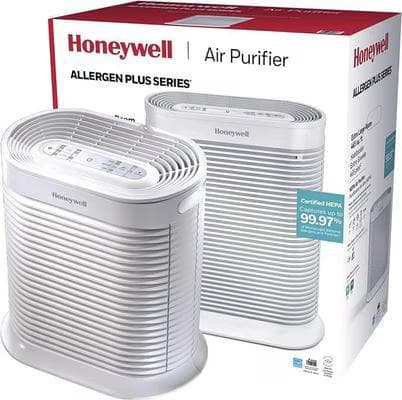
Certified True HEPA air purifier that captures 99.97% of airborne dust, dander, pollen, and smoke, reducing the airborne triggers behind feline asthma and respiratory irritation.
Webvet may earn a commission when you click through to Chewy, at no extra cost to you.

For hard, non-porous surfaces, a bleach solution diluted roughly one part household bleach to ten parts water is a proven ringworm disinfectant. Apply it to a pre-cleaned surface and leave it wet for about ten minutes before rinsing; contact time is what does the killing, not scrubbing.
Accelerated hydrogen peroxide products (used in many veterinary and shelter settings) are an excellent, less-corrosive alternative on surfaces bleach would damage. Always follow the product label dilution and contact time.
| Agent | Kills spores? | How to use it |
|---|---|---|
| Diluted bleach (about 1:10) | Yes | On pre-cleaned hard surfaces; keep wet about 10 minutes, then rinse |
| Accelerated hydrogen peroxide | Yes | Per label dilution and contact time; gentler on bleach-sensitive surfaces |
| Hot-water wash + high-heat dry | Yes | For all washable fabrics; wash twice for heavily contaminated items |
| HEPA vacuuming | Removes spores | Daily on floors and soft furnishings; discard bag or empty canister outside |
| Plain detergent or general spray | Not reliably | Cleans dirt but should not be relied on to kill spores alone |
| Enzymatic stain/odor cleaner | No | Not sporicidal; do not use it as your ringworm disinfectant |
Does a Lysol wipe kill ringworm fungus? Some disinfectants carry label claims against dermatophytes like Trichophyton, but coverage varies by product and requires the surface to stay wet for the full labeled contact time, so a quick wipe-and-go is not enough.
For dependable results, stick to properly diluted bleach or accelerated hydrogen peroxide on surfaces that have already been physically cleaned. Does vinegar kill ringworm on surfaces? No. Vinegar is not a proven sporicide against Microsporum canis and should not be your disinfectant.
Mechanical removal deserves its own emphasis because it is the step people skip. Spores travel on shed hairs and skin flakes, and a disinfectant poured over a hairy, dusty surface never reaches them.
So the sequence is always the same: vacuum and wipe away all visible hair and debris first, dispose of it in a sealed bag, and only then apply your sporicidal solution to a clean surface.
On a truly clean surface, bleach at 1:10 or accelerated hydrogen peroxide does the rest, provided you honor the contact time. Mix bleach solutions fresh each cleaning day, since diluted bleach loses potency as it sits, and ventilate the room while you work.
A quick word of caution on bleach itself: never mix it with ammonia or with other cleaners, keep it off fabrics and metals it can damage, and test a hidden spot on any finished surface first.
Where bleach is too harsh, accelerated hydrogen peroxide is the workhorse, which is why it is favored in shelters cleaning around live animals. Whatever you choose, wear gloves, protect your skin, and let contact time, not scrubbing force, do the killing.
The three-step method that works
Boil the whole approach down to three steps you repeat: confine, clean, disinfect. Confining the cat limits how much of the house gets contaminated. Cleaning physically strips away the hair and dust that shield spores. Disinfecting then kills what remains on hard surfaces. Skip any step and the other two lose most of their value.
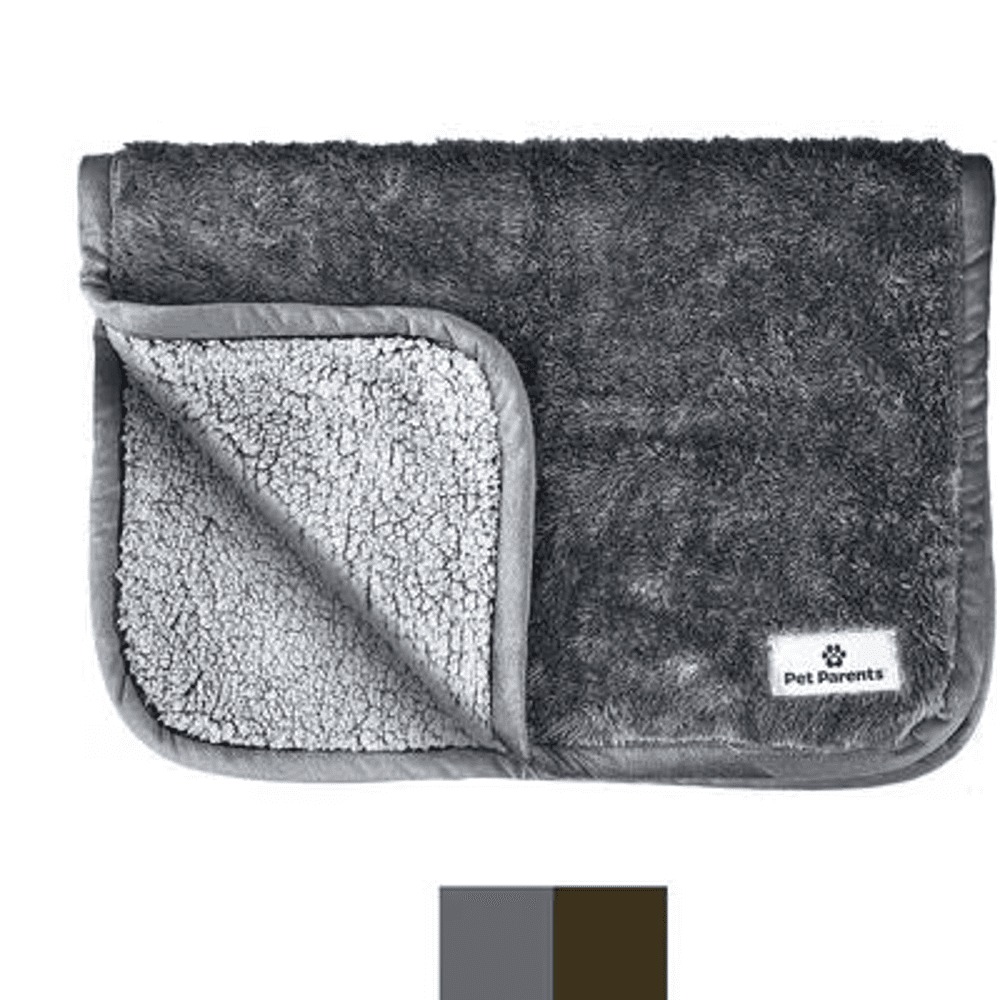
A plush, waterproof sherpa blanket that gives a cold or shivering dog a warm, cozy layer to curl into. The hidden waterproof lining protects the bed, couch, or car seat, and the whole thing is machine washable.
Webvet may earn a commission when you click through to Chewy, at no extra cost to you.
Contact time is the detail people get wrong. Both diluted bleach and accelerated hydrogen peroxide need the surface to stay visibly wet for roughly ten minutes to kill spores. Wiping a surface and immediately drying it does almost nothing.
Apply generously, let it dwell the full time, then rinse surfaces that food or paws will touch.
Work top to bottom and clean to dirty so you are not redepositing spores. Do vertical surfaces before floors, finish with the floor, and change or launder your cloths often. A pump sprayer or a fresh cloth per zone keeps you from dragging a spore-loaded rag across areas you have just cleaned.
SponsoredVet care that's always there
Unlimited video calls and messaging with licensed vets for less than a typical vet visit. One membership covers up to five pets.
Use code Pets60
Plans start at $12/month · covers up to 5 pets
- Licensed vets in most states
- Rx for 150+ conditions
- 4.7 on Trustpilot
How long ringworm spores survive in your home
How long does cat ringworm live on surfaces? Ringworm spores are remarkably durable and can remain infectious in a home for up to about 18 months if they are not physically removed and disinfected.
They survive by going dormant on shed hairs and skin flakes that settle into carpet, upholstery, vents, and baseboards, then re-infect a pet or person when disturbed. This longevity is exactly why cleaning cannot be a one-time event.
Do I have to disinfect my house if my cat has ringworm? Yes. Because spores linger and re-infect, environmental decontamination is part of the cure, not an optional extra. Homes with children, seniors, or immunocompromised members, or with multiple pets, should be especially diligent.
The practical approach is daily light cleaning of the confinement room plus periodic deeper decontamination, sustained until your cat is confirmed clear.
Do not forget the air and the parts of the house you cannot wipe.
Spore-laden hair and dust drift into heating and cooling systems, so change or clean your furnace and vent filters during and after an outbreak, and consider running a HEPA air purifier in the confinement room. Wipe vent covers and ceiling-fan blades, which quietly collect and redistribute spores.
Thinking about airflow, not just surfaces, is one of the differences between a clean that holds and one that keeps re-seeding itself.
Which surfaces hold spores longest
Not all surfaces are equal. Hard, non-porous materials like tile, sealed floors, glass, and metal are easy to wipe and disinfect, so spores do not last long once you clean them properly. These should be your daily priority because they respond quickly to the confine-clean-disinfect routine.
Porous and fibrous materials are the stubborn ones. Carpet, upholstery, curtains, pet beds, and cracked grout trap spores deep where liquid disinfectant cannot reach, and these are where an infection quietly persists. Plan to launder, steam, or repeatedly HEPA vacuum them, and remove or replace items too damaged to clean.
Do not overlook the small, high-contact objects either: collars, toys, brushes, food bowls, and carrier interiors. Non-porous ones can be soaked in diluted bleach; porous ones are often cheapest to simply replace. These little items move around the house constantly, so an uncleaned brush can undo a whole room's worth of work.
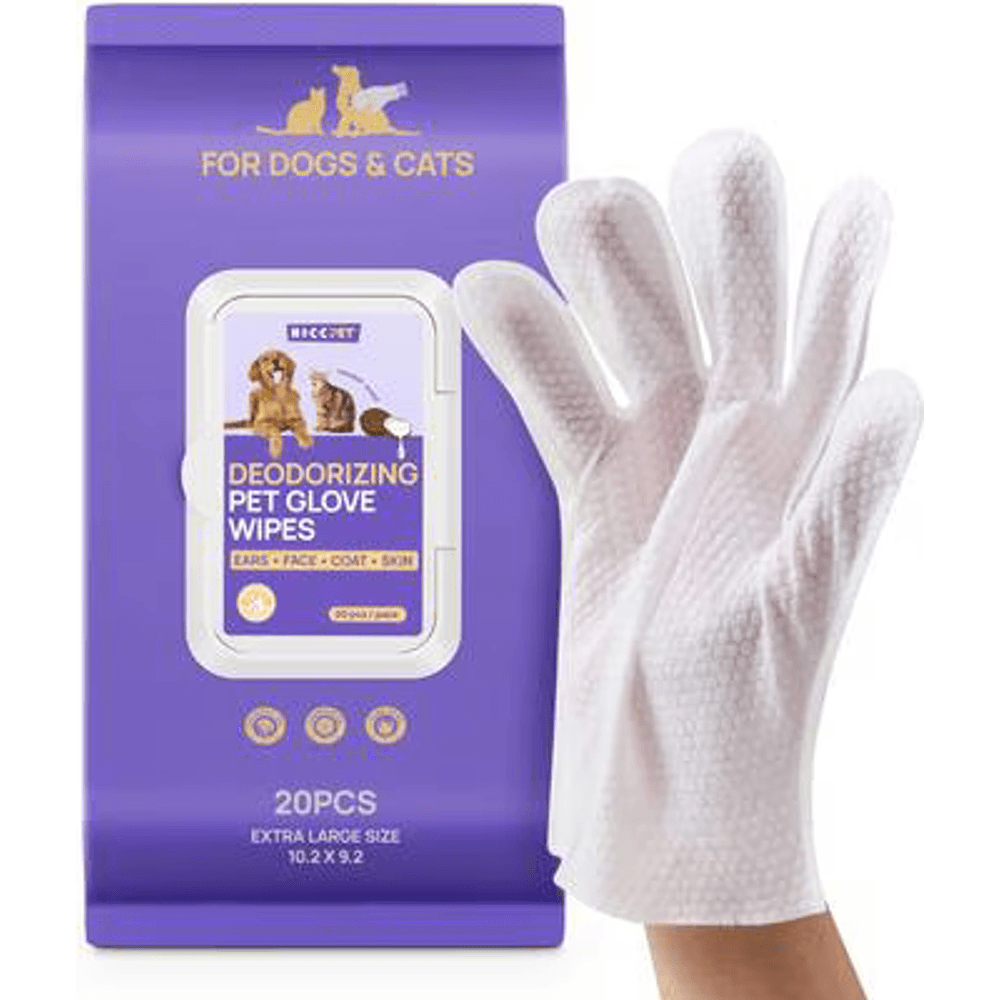
Wearable glove wipes that let you freshen and wipe down a dog's or cat's coat and skin without a full bath, while a fabric layer stays between your hand and the pet.
Webvet may earn a commission when you click through to Chewy, at no extra cost to you.
Room-by-room decontamination
The easiest way to sanitize a house after ringworm is to shrink the problem first: confine your cat to one hard-floored room, ideally one without carpet or heavy upholstery, so you are decontaminating a small area intensely rather than the whole house loosely. Then work outward, room by room, cleaning before disinfecting every time.
Confinement is not a punishment for the cat; it is what makes the whole job achievable. Trying to decontaminate an entire house every day while a cat roams and re-contaminates it is exhausting and rarely works.
A single easy-clean room means you can do a thorough daily wipe-and-vacuum in minutes and a deeper disinfection weekly, while the rest of the house needs only routine HEPA vacuuming to catch any spores that escaped on your clothes.
Set the room up with washable bedding, keep supplies at the door, and change into a dedicated over-shirt when you go in.
A sensible daily rhythm looks like this: pick up and bag loose hair, HEPA vacuum floors and any soft surfaces, damp-wipe hard surfaces, and disinfect the highest-contact spots.
Then do a deeper pass on a set day each week, hitting walls at cat height, baseboards, door frames, and anything the cat rubs against. Steady, repeatable habits beat one heroic scrub, because spores are shed continuously until the cat is cured.

Working through the house in order
Start each session in the confinement room, since that is where spore levels are highest, then move to the spaces the cat used before it was isolated. Doing the dirtiest area first, with fresh supplies, means you are not tracking its spores into cleaner rooms later in your route.
In each room, pick up loose hair, HEPA vacuum every surface including soft furnishings, then damp-wipe and disinfect the hard surfaces with your chosen sporicide at full contact time. Pay attention to the low zones a cat brushes against: chair legs, sofa skirts, baseboards, and the bottom foot of the walls.
Finish with the shared pathways that connect rooms: hallways, stairs, and doorways the cat traveled. Vacuum these daily even after the obvious areas look clean, because foot traffic and airflow keep nudging stray spores along them. A consistent route, repeated, is what turns scattered cleaning into real decontamination.
- Confinement room: damp-wipe and vacuum daily, then disinfect hard floors and surfaces with 1:10 bleach or accelerated hydrogen peroxide at full contact time.
- Living areas: HEPA vacuum floors, rugs, and vents; wipe hard surfaces with a sporicidal disinfectant; launder or steam soft furnishings where possible.
- How to clean a couch if a cat has ringworm: vacuum thoroughly with a HEPA vacuum, launder removable covers on hot heat, steam-clean the upholstery, and keep the recovering cat off it entirely.
- Bedrooms: keep the cat off beds during treatment, hot-wash all bedding, and HEPA vacuum mattresses and floors.
- Bathrooms and hard-floor rooms: these are easiest to disinfect; wipe all surfaces and floors with a sporicidal solution and rinse as directed.
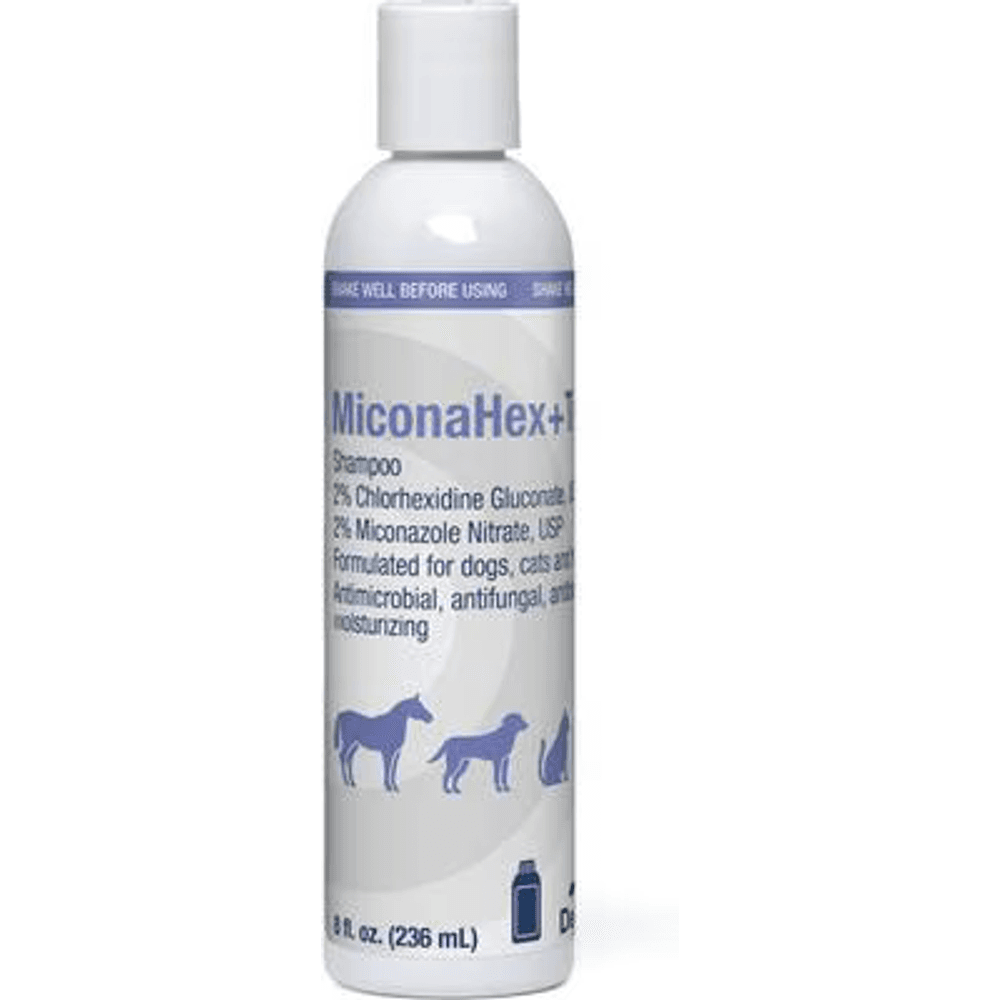
A vet-strength medicated shampoo pairing 2% chlorhexidine and 2% miconazole, a potent antifungal and antibacterial combination widely used to help clear ringworm and yeast or bacterial skin infections.
Webvet may earn a commission when you click through to Chewy, at no extra cost to you.
- Grooming tools, carriers, and litter boxes: soak or wipe non-porous items in diluted bleach; discard cheap porous items that cannot be reliably cleaned.
- The car: if your cat rode to the vet, HEPA vacuum the seats and footwells and wipe hard interior surfaces, since carriers and upholstery carry spores too.
- Shared high-touch spots: door handles, light switches, and stair rails near the confinement room should be wiped with a disinfectant on your daily pass.
For soft furnishings you cannot launder, your best tools are thorough HEPA vacuuming and steam cleaning, repeated over time, plus keeping the recovering cat away from them entirely.
Rugs, mattresses, and heavy sofas will not tolerate bleach, so removal of spores by suction and heat, done repeatedly, is the realistic goal until the cat is cured and the risk falls on its own.
Cleaning only holds if the source is being cured at the same time. Environmental decontamination works alongside, not instead of, treating your cat, so keep the veterinary treatment plan going in parallel. For the antifungal side, see our guide to treating ringworm in cats.
A realistic expectation helps here: you are aiming to dramatically reduce the spore load, not to sterilize your home to a laboratory standard.
That is achievable and it is enough, because as your cat is cured under veterinary care the source of new spores dries up, and your repeated cleaning steadily clears what is left.
If you are unsure whether your cat's infection is under control, revisit the diagnosis and treatment picture in our ringworm in cats overview, since a well-treated cat is what makes a well-cleaned home stay clean.
Laundry: washing fabrics safely
Fabrics are a major spore reservoir, so laundry is central to decontamination. Does laundry detergent kill ringworm spores? Detergent alone is not a reliable spore-killer; it is the combination of hot water, mechanical agitation, and high-heat drying that clears fabrics.
Wash affected items on the hottest cycle the fabric allows, and dry on high heat, which further reduces viable spores.

- Wash the cat's bedding, towels, and any fabric it contacts separately from the family's laundry.
- Use the hottest water setting the fabric tolerates; run heavily contaminated loads through two wash cycles.
- Dry on high heat, and wipe down the washer drum and lint trap after contaminated loads.
- Discard cheap, heavily contaminated soft items that are not worth repeated washing rather than risk re-seeding your home.
Does ringworm live on bed sheets? Yes, spores survive on sheets, blankets, and towels, so keep the recovering cat off beds and launder bedding on hot heat frequently through the treatment period.
For clothes you wear while handling the cat, keep a dedicated set near the confinement room and wash them separately on hot heat after each session rather than mixing them with the family wash.
Do not tumble contaminated and clean laundry together, and resist the urge to shake out dirty bedding, which just launches spores into the air.
When in doubt about a delicate item that will not survive a hot wash, weigh its value against the risk of it re-seeding your home, and dispose of it if the two do not balance.
Getting fabrics genuinely spore-free
Heat and agitation, not detergent chemistry, are what clear fabrics, so lean on the hottest wash the material allows and a full high-heat dry. For heavily contaminated bedding, a second wash cycle mechanically removes more spores than a single long one. When in doubt, wash it twice and dry it hot.
Handle dirty fabrics gently to avoid launching spores into the air. Carry contaminated bedding in a sealed bag rather than an open armful, load it straight into the machine without shaking, and wash the cat's items in their own loads. Wipe the washer drum and clear the lint trap after each contaminated batch.
Some fabrics are not worth saving. Cheap, heavily infested pet beds, worn blankets, and porous toys are usually easier and safer to discard than to launder over and over. Spend your effort on the items you truly want to keep, and let the rest go rather than gambling on re-seeding your home.
When it is safe to stop: re-culture timing
The stopping point for household cleaning is tied to your cat, not the calendar. Keep up decontamination until your veterinarian confirms the cat is cured, which is generally when it passes two consecutive negative fungal cultures roughly one to two weeks apart.
Cleaning and treatment run on the same clock: as the cat sheds fewer spores, your home gets easier to keep clear, and once the cat is culture-negative the environmental risk drops sharply too.
Environmental cultures or a fresh look after a deep clean can help confirm the home is clear in stubborn cases. For general disinfection and prevention guidance, the CDC's ringworm resource is a reliable reference.
Ease off only once the cat is confirmed clear and your deep cleaning is done.
Confirming your home is clear
The most reliable signal that your home is safe again is your cat's culture results, because the cat is the spore factory. Once your vet reports two consecutive negative cultures, new spores stop arriving and your accumulated cleaning finally gets ahead of the problem for good.
If you want direct reassurance about the environment, ask your vet about environmental fungal cultures, where a sterile cloth is wiped over surfaces and cultured. They are most useful in stubborn cases or homes with high-risk people, and a negative result after a thorough clean is convincing confirmation.
Even then, ease off gradually rather than stopping overnight. Keep hard surfaces wiped and fabrics laundered for a little while past the all-clear, since a few overlooked spores are far easier to mop up now than to fight as a fresh outbreak a few months from now.
A short, careful wind-down protects all the work you have already put in.
Cleaning up after dog ringworm too
The same fungus and the same spores turn up when a dog has ringworm, so the decontamination playbook is identical. If a dog in your home is affected, our companion guide on cleaning your house after dog ringworm walks through the same sporicidal, room-by-room, and laundry steps for canine households.
Frequently Asked Questions
Does a Lysol wipe kill ringworm fungus?
Only some disinfectants carry proven claims against the dermatophytes that cause ringworm, and even then the surface has to stay wet for the full labeled contact time. A quick wipe usually does not meet that. For dependable results, use properly diluted bleach or accelerated hydrogen peroxide on a surface you have already cleaned of hair and debris.
How do I sanitize a whole house after ringworm without missing spots?
Confine the cat to one hard-floored room, then clean before you disinfect in every space, working room by room. Physically remove hair with a HEPA vacuum and lint roller, disinfect hard surfaces with a sporicidal agent at full contact time, hot-wash all fabrics, and repeat regularly until your cat is cleared by culture.
Does laundry detergent kill ringworm spores on its own?
No. Detergent alone is not a reliable sporicide. What clears fabrics is the combination of the hottest water the fabric tolerates, mechanical agitation, and high-heat drying, ideally with a second wash cycle for heavily contaminated items.
Cleaning your house after cat ringworm is a marathon of small, consistent steps: confine, physically remove hair, disinfect with a real sporicide at proper contact time, hot-wash fabrics, HEPA vacuum, and keep going until your cat is cleared by culture.
Skip the enzymatic shortcuts, respect the contact times, and stay the course. Pair a well-treated cat with a well-cleaned home, keep at it a little longer than feels necessary, and you will break the cycle of re-infection for good rather than fighting the same outbreak twice.

Editor
The Webvet Editorial Team is the in-house group of pet-care editors and writers behind Webvet, operated by Smart Pet Collective. The team researches, writes, and maintains Webvet's pet health, behavior, and medication content. Every article follows a defined editorial process: research from reputable veterinary and scientific sources, careful drafting, mandatory review of medical content by a credentialed veterinarian, and dated publication. Health and medication articles are medically reviewed by a licensed veterinary professional before they go live and are kept current over time.
Veterinarian · BVMS MRCVS
Dr. Pippa Elliott, BVMS, MRCVS, is a veterinarian with nearly 30 years of experience in companion animal practice. Dr. Elliott earned her Bachelor of Veterinary Medicine and Surgery from the University of Glasgow. She was also designated a Member of the Royal College of Veterinary Surgeons. Married with 2 grown-up kids, Dr. Elliott has a naughty Puggle named Poggle, 3 cats and a bearded dragon.
Related reading

Cat Cremation Cost: Private, Communal, and Additional Charges

Cat Euthanasia Cost: Clinic, At-Home Care, and Aftercare

Dog Microchip Cost: Implantation, Registration, and Ongoing Fees
