Cat Hairball Vomit or Something Else? How to Tell
Hairball, vomit, regurgitation, or cough? A vet-reviewed differential that decodes what your cat leaves behind and the sound it makes, so you know whether to clean up, monitor, or call your veterinarian.

BVMS MRCVS
Medically reviewed by Dr. Pippa Elliott, BVMS MRCVS · Last reviewed

This article contains affiliate links. Webvet may earn a commission when you buy through them, at no extra cost to you.
Cat hairball vomit is the easiest of the look-alikes to confirm: if what you find is a slim, damp tube of matted fur, that was a hairball. If the puddle is food, foam, liquid, or bile with little or no fur, your cat vomited or regurgitated.
And if you heard the classic hacking but found nothing at all, you may have witnessed a cough.
Those four events (hairball, vomit, regurgitation, cough) sound alarmingly similar from the next room, and owners mix them up constantly. They mean very different things, from routine to see-a-vet-today.
This guide decodes both kinds of evidence: what your cat leaves behind, and the sound and posture you observed. By the end you will know which of the four just happened, and what each one means.
- 1A hairball is technically a type of vomiting, but the product is unmistakable: a damp tube of matted fur, not a puddle.
- 2Vomiting is active (abdominal heaving, drooling first); regurgitation is passive and sudden, often minutes after eating.
- 3A cough happens in a low crouch with the neck extended, and produces nothing: repeated coughing fits are a vet visit, not a hairball.
- 4Once or twice a month is a normal hairball rhythm; repeated retching with no hairball produced is a red flag for blockage.
- 5Fresh blood, repeated vomiting in a day, lethargy, or refusing food mean call your veterinarian, whatever the event was.
 Sponsored
Have a health question about your cat?
Talk to a licensed vet at Dutch over video or message, including nights and weekends.
Use code Pets30
Plans start at $11/month · covers up to 5 pets
- Licensed vets in most states
- Rx for 150+ conditions
- 4.7 on Trustpilot
Hairball vs Vomit: What You Find on the Floor
Strictly speaking, a hairball is vomit: the cat's stomach ejects it using the same muscular machinery. What makes it a special case is the payload. A hairball is swallowed fur that matted in the stomach and came back up as a compact tube. Ordinary vomit is stomach contents: food, fluid, foam, or yellow bile.
That overlap is exactly why the hairball-versus-vomit question comes up so often, and why it deserves a real answer rather than a shrug. The two share machinery but split on cause, so the same reflex can be trivial or serious depending only on what came up and how often.
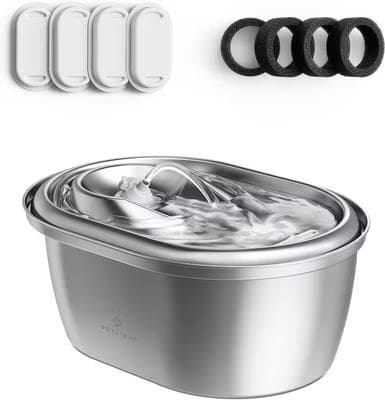
304 food-grade stainless steel pet water fountain, 101 oz. The circulating, filtered water encourages cats to drink more, which supports urinary tract and kidney health.
Webvet may earn a commission when you click through to Chewy, at no extra cost to you.

How often is it normal for a cat to vomit a hairball? About once or twice a month or less in a healthy cat, a little more for long-haired breeds during shedding season.
A cat producing hairballs weekly, or whose frequency is clearly climbing, needs a vet visit even if each individual hairball looks normal. Our pillar guide to why cats get hairballs covers the mechanism and the normal-frequency question in depth.
Two clues do most of the work: what you find, and what you saw and heard. The product on the floor is the faster filter, so start there whenever there is something to inspect. When the episode leaves nothing behind, the posture and sound become the diagnosis instead.
Here is the full four-way differential in one place: what you find, what you heard, what the posture looked like, and what to do about each. No single ranking page puts all four side by side, so save this table.
| Event | What you find | What you heard and saw | What it means / action |
|---|---|---|---|
| Hairball | Slim, damp tube of matted fur, sometimes with a little fluid or food | Rhythmic retching and gagging, hunched posture, ends when the tube comes up | Normal up to about once or twice a month; rising frequency deserves a vet conversation |
| Vomiting | Food, fluid, foam, or yellow bile; little or no fur | Drooling or lip-licking first, then heaving abdominal contractions before anything comes up | One isolated episode in a normal cat can be watched; repeated or ongoing vomiting needs a vet |
| Regurgitation | Undigested food, often tube-shaped, barely changed from the bowl | Sudden and quiet, no warning and no heaving, usually soon after eating | Occasional speed-eating regurgitation is common; frequent regurgitation points to an esophageal problem, see a vet |
| Coughing | Nothing produced | Low crouch, neck stretched forward, dry hacking that can end in a swallow or gag | Repeated coughing fits are never hairball-related; think airway (asthma and more), book a vet visit |
Why telling them apart matters
It is tempting to file every episode under just another hairball, especially in a cat that has produced them before. But the four events point to four different body systems: skin and gut for hairballs, the stomach for vomiting, the esophagus for regurgitation, and the airway for coughing.
That is why the same-looking mess can mean anything from wipe it up to call the vet now. The habit worth building is a three-second look at the product, plus a moment of thought about the posture, before you reach for the paper towel.
Decoding the Evidence: Fur Tube, Food, Foam, or Bile
The puddle tells you most of what you need to know. Before you clean it up, give it three seconds of honest inspection: fur or no fur, food or fluid, digested or untouched.

- Fur tube: a hairball. Slim, dense, felted fur, usually one to a few inches long. Owners sometimes mistake one for feces; the texture and lack of stool smell give it away.

A soupy, lickable bisque treat that tempts a cat who has gone off solid food. The high-moisture, aromatic texture is easy to lap up and hard for a picky or recovering cat to resist, and it sneaks in extra hydration.
Webvet may earn a commission when you click through to Chewy, at no extra cost to you.
- Undigested food, barely changed: likely regurgitation, especially right after a meal. Food that is partly digested and smells sour came from the stomach: that is vomiting.
- White foam or clear fluid: vomiting on an empty stomach. An occasional episode happens; repeated foam vomiting deserves a workup.
- Yellow or green bile: vomiting from a stomach that has been empty a while, often early morning. Now and then is minor; a pattern is not.
One caution on mixed evidence: a little fur in a puddle of vomit does not make it a hairball. Most cats always have some swallowed fur in the stomach, so strands show up in ordinary vomit too.
If the fur is loose strands in liquid rather than a compacted tube, treat the event as vomiting and read our guide to why cats throw up for the cause list.
Comparing your find against types of cat vomit pictures in veterinary guides can help you calibrate, but a single picture rarely settles it. Remember that hairballs can also leave the other way, as fur-threaded poop, and that a felted tube looks matte and dry while true vomit looks wet.
Color, smell, and texture
Once you have sorted fur from fluid, three details refine the read. Texture separates a hairball, which is felted and holds its cylinder shape, from vomit, which spreads. A hairball also lacks the sour smell of stomach contents, since its fur never truly digested.
Color is the detail that overrides everything else. Pink or red streaks mean fresh blood, and dark brown flecks that look like coffee grounds mean digested blood. Either one warrants a prompt veterinary call, whatever else is in the puddle and however normal your cat seems.
When the evidence is ambiguous
Real messes are rarely tidy. A cat can bring up a hairball wrapped in a little food, or vomit that happens to carry loose strands. Judge by the dominant feature: a compact fur cylinder is a hairball, while a puddle with a few hairs floating in it is vomiting.
Frequency is the other half of the read. A single, isolated event in a bright, hungry cat rarely means much on its own. The same product appearing several times in a day, or day after day, is the pattern that turns an ordinary mess into a reason to book a visit.
SponsoredVet care that's always there
Unlimited video calls and messaging with licensed vets for less than a typical vet visit. One membership covers up to five pets.
Use code Pets30
Plans start at $11/month · covers up to 5 pets
- Licensed vets in most states
- Rx for 150+ conditions
- 4.7 on Trustpilot
The Sound Test: Cough vs Retch vs Gag
The sound test matters most when there is nothing on the floor to inspect. Cough, retch, and gag are distinct events with distinct postures, and the posture is easier to read than the noise.
Owners often describe these episodes as my cat sounds like it has a hairball, and much of the time no hairball is involved at all. The body gives away which event it is, if you know the postures to watch for and remember to look at the belly.

A coughing cat crouches low with elbows out and stretches its neck straight forward, then produces a dry, honking hack from the chest. The fit often ends with a swallow or a small gag, which is exactly why owners assume it is a failed hairball.
Nothing comes up because a cough is an airway event: the lungs and windpipe, not the stomach.
A retching or vomiting cat looks different: the belly visibly heaves in waves as abdominal contractions build, often after drooling, lip-licking, or restless pacing. The sound is deeper and wetter, and it usually ends with something on the floor.
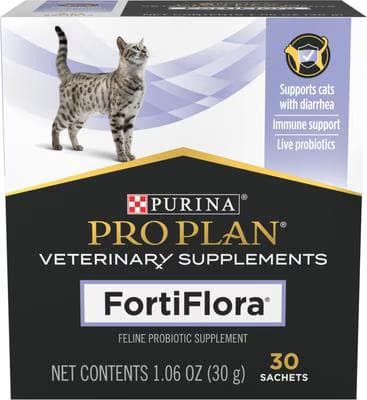
The #1 vet-recommended probiotic for cats. Daily powder sachets support healthy digestion and firmer stools, and can help cats coping with diarrhea or GI upset.
Webvet may earn a commission when you click through to Chewy, at no extra cost to you.
A gag is the short, single throat-clear in between: a brief mouth-open spasm, sometimes from a tickle or a taste, over in a second or two. Isolated gags are rarely meaningful. Repeated gagging that goes nowhere is where the red flags start.
Why the cough fools everyone
The reason a cough gets mistaken for a hairball is the ending. A coughing cat often finishes the fit with a swallow or a small gag, exactly the motion you would expect just before a hairball appears. Then nothing does, and the owner assumes the hairball is stuck.
The tell is where the effort comes from. A cough drives from the chest, with the body low and the neck stretched forward and down. Retching drives from the belly, with the abdomen visibly pumping. If the belly is not heaving, you are almost certainly watching an airway event, not a stomach one.
Filming the episode settles it. A short phone video lets you, and later your vet, replay the posture in slow motion and count how often it happens. That single clip often does more to sort a cough from a hairball than any description an owner can give from memory.
Regurgitation vs Vomiting: The Passive-Active Difference
The cleanest way to separate these two is effort. Vomiting is active: the brain triggers nausea first (drooling, lip-licking, swallowing hard), then forceful abdominal contractions eject stomach contents.
Regurgitation is passive: food that never reached the stomach simply slides back up the esophagus, with no warning and no heaving. The Merck Veterinary Manual's owner chapter on vomiting in cats draws this same line, because the two symptoms point to entirely different organ systems.
Timing is your second clue. Regurgitation usually happens within minutes of eating, and the product looks like the meal: undigested kibble, often molded into a tube by the esophagus. Vomiting can happen any time, and the product looks processed: sour-smelling, partly digested, or pure fluid and bile.
The most common benign cause of regurgitation is speed-eating: a cat that inhales its meal and deposits it back moments later, perfectly cheerful. Frequent regurgitation is another matter, because it can signal esophageal disease.
If undigested food keeps reappearing, our guide to a cat throwing up undigested food walks through the causes and when each needs a vet.
Reading it in the moment
In practice, timing settles most cases. Food that reappears within a minute or two of eating, still shaped and smelling like the meal, is almost always regurgitation. Anything that comes up after real heaving, or well after eating, is vomiting.
The shape of the mess is a second cue. Regurgitated food often arrives in a neat tube, molded by the esophagus, because it never reached the churning of the stomach. Vomited food looks broken down and mixed with fluid, the mark of a stomach that had started its work.

A palatable tuna-flavored oral gel that gently lubricates the digestive tract to ease hairballs and mild constipation in cats.
Webvet may earn a commission when you click through to Chewy, at no extra cost to you.
Getting this right changes the next step. Regurgitation points your vet toward the esophagus and the swallowing mechanism, while vomiting opens the far broader list of stomach and whole-body causes. Telling them which one you saw narrows the search before a single test is run.
When Vomiting Means More Than a Hairball
What if your cat is throwing up but shows no other symptoms? A single vomit in a cat that then eats, drinks, and behaves normally can usually be watched at home for 24 hours.
More than one episode in a day, vomiting that recurs across several days, or any vomiting plus lethargy, appetite loss, or diarrhea moves the answer to call your veterinarian.
True vomiting has a long cause list: diet indiscretion, food intolerance, parasites, toxins, kidney and thyroid disease, pancreatitis, inflammatory bowel disease, and more. Working through those causes is its own topic, and our complete guide to why cats throw up and when to worry owns that depth.
This article's job is the differential: once you know it was vomit and not a hairball, that guide is your next stop.
Signs that turn watch into call
The practical line to remember is simple: the product tells you what happened, but the company it keeps tells you how urgent it is. A single vomit from a bright, playful cat is a watch. The same vomit from a flat, off-food cat is a call.
Track four companion signs alongside any vomiting: appetite, energy, litter-box output, and hydration. A change in any of them, or vomiting that repeats within a day, moves a cat off the watch list and toward the vet. The causes behind those signs live in the vomiting guide linked above.
When the Hairball Will Not Come Up: Blockage Warning Signs
The most dangerous answer to the hairball-or-vomit question is neither: a cat retching over and over and producing nothing.
As the Cornell Feline Health Center explains in its overview of the danger of hairballs, a hairball too large to vomit up or pass can obstruct the digestive tract, and an obstruction can be life-threatening.
Unproductive retching plus refusing food, lethargy, or little to no stool is a same-day veterinary emergency. Know the full picture in our guide to hairball blockage symptoms.
What to Do After Your Cat Brings One Up
Should you feed your cat after it vomits a hairball? Yes, if your cat seems normal afterward there is no need to withhold food. Offer water first, then a small, ordinary meal an hour or two later. Most cats shake off a hairball instantly and ask for dinner on schedule.
There is one exception to the feed-normally rule. If your cat brought up food along with the hairball, give the stomach an hour or two of rest before offering a small, plain meal, then watch whether it stays down. A second episode changes the plan from feed to observe.
Use the moment for a quick check instead: Is this the first hairball this month, or the third? Any recent gagging fits, appetite dips, or extra grooming? A quick note on your phone builds the frequency history your veterinarian will actually want.
What to tell your vet (and what to bring)
If any pattern earns a vet visit, the differential you just worked through becomes the most useful thing you can hand over. Describe the posture (crouched neck-extended versus belly heaving), the timing relative to meals, and what was produced. A ten-second phone video of the episode is worth more than any description.
Photograph what you find before cleaning it up, note the date, and keep a simple running log: how many events this month, hairball versus vomit versus nothing produced, and any appetite or energy changes alongside. Vets separate these four events with exactly this history, and a clear log can spare your cat unnecessary testing.
A pattern on paper protects your cat from over-testing too. When you can show that the episodes are monthly fur tubes rather than daily food vomit, your vet can reassure rather than investigate. The same log that flags a worrying trend also clears the harmless ones quickly.
Frequently Asked Questions
Why does my cat cough but never produce a hairball?
Because it is probably a true cough, not a hairball attempt. Coughing is an airway event; hairballs come from the stomach. A cat that hacks in a low, neck-extended crouch and never brings anything up should be checked for airway disease such as feline asthma. Hairball remedies will not help a cough.
My cat makes hairball sounds but no hairball comes up. Is that an emergency?
It can be. One brief failed attempt followed by a normal cat can be watched closely. Repeated retching with nothing produced, especially alongside appetite loss, lethargy, or no stool, is a red flag for an obstruction and warrants a same-day call to your veterinarian.
Is a hairball the same thing as vomiting?
Mechanically yes: the cat vomits the hairball up using the same abdominal contractions. Practically, veterinarians treat them differently because the causes differ. A hairball reflects swallowed fur and gut transit; ordinary vomiting has a much broader cause list, from diet to systemic disease.
Why did my cat's hairball look like poop?
A hairball is a dense, dark tube shaped by the esophagus on its way up, so at a glance it can pass for feces. Look closer: a hairball is felted fur, damp rather than greasy, and lacks stool odor. Finding one outside the litter box is normal hairball behavior, not a litter box problem.
Can a cat cough up a hairball, or do they always vomit them?
Hairballs are always vomited, never coughed. The fur sits in the stomach, so it can only leave through vomiting's abdominal contractions. Cough up a hairball is everyday phrasing, not anatomy. That distinction is practical: a genuinely coughing cat has an airway problem, and no amount of hairball remedy, brushing, or diet change will touch it.
What color of cat vomit should worry me?
Red streaks (fresh blood) or dark material that looks like coffee grounds (digested blood) always warrant a prompt veterinary call. Repeated yellow bile or white foam vomiting also deserves a workup. A one-off puddle of any color in an otherwise normal cat is usually less urgent, but track it.
The Bottom Line
Read the evidence, then the posture. A fur tube is a hairball, and an occasional one is normal. A puddle of food, foam, or bile is vomiting or regurgitation, each with its own cause list. A dry, crouched hack that produces nothing is a cough, and coughs are never about hairballs.
Most single episodes in a happy, eating cat can be watched. Patterns cannot: rising hairball frequency, repeated vomiting, chronic regurgitation, recurring cough, and above all unproductive retching all earn a veterinary visit.
When you are unsure which event you just witnessed, describe the posture and the product to your vet: those two details usually settle it.
Keep the framing simple in the moment. Look first, then listen. What you find on the floor names the event, and what the body did while producing it tells you how worried to be. Do that quick read every time, and you will rarely misjudge a hairball for something worse, or the reverse.

Editor
The Webvet Editorial Team is the in-house group of pet-care editors and writers behind Webvet, operated by Smart Pet Collective. The team researches, writes, and maintains Webvet's pet health, behavior, and medication content. Every article follows a defined editorial process: research from reputable veterinary and scientific sources, careful drafting, mandatory review of medical content by a credentialed veterinarian, and dated publication. Health and medication articles are medically reviewed by a licensed veterinary professional before they go live and are kept current over time.
Veterinarian · BVMS MRCVS
Dr. Pippa Elliott, BVMS, MRCVS, is a veterinarian with nearly 30 years of experience in companion animal practice. Dr. Elliott earned her Bachelor of Veterinary Medicine and Surgery from the University of Glasgow. She was also designated a Member of the Royal College of Veterinary Surgeons. Married with 2 grown-up kids, Dr. Elliott has a naughty Puggle named Poggle, 3 cats and a bearded dragon.
Related reading

Cat Cremation Cost: Private, Communal, and Additional Charges

Cat Euthanasia Cost: Clinic, At-Home Care, and Aftercare

Dog Microchip Cost: Implantation, Registration, and Ongoing Fees
