Ear Mites in Dogs: Treatment, Spread and Household Care
Understand ear-mite diagnosis, product-specific treatment, transmission between pets and a practical household care record that keeps cleaning separate from parasite control.

BVMS MRCVS
Medically reviewed by Dr. Pippa Elliott, BVMS MRCVS · Last reviewed

This article contains affiliate links. Webvet may earn a commission when you buy through them, at no extra cost to you.
Ear mites in dogs are contagious parasites that need an appropriate mite-killing treatment. Cleaning away dark wax may make an ear look better, but cleaning alone does not cure mites. The useful first step is an ear examination: infection, allergy and foreign material can produce similar signs, and a dog can have mites and a secondary infection together.
Once mites are confirmed, the plan extends beyond the itchy dog. Your veterinarian should advise which other pets need treatment, which product is suitable for each animal, whether ear cleaning is appropriate now, and when to check the result. Keep those instructions together so a household problem does not become several disconnected courses of medicine.
- 1Mites require parasite treatment; cleaning alone does not remove the whole problem.
- 2Ask about all household pets when one dog or cat has confirmed ear mites.
- 3Use the exact species, age and weight presentation prescribed for each animal.
- 4Severe pain, loss of balance or a rapidly worsening dog needs prompt veterinary assessment.

 Sponsored
Need flea, tick, or parasite care for your dog?
A licensed vet at Dutch can recommend the right preventive and prescribe it when it's appropriate. Annual members get 20% off their first flea and tick order.
Use code Pets30
Plans start at $11/month · covers up to 5 pets
- Licensed vets in most states
- Rx for 150+ conditions
- 4.7 on Trustpilot
What ear mites are
Otodectes cynotis is the ear mite most often discussed in dogs and cats.
It is a tiny surface parasite, rather than a worm or a louse. It usually lives in the external ear canal and can irritate that sensitive tissue. The term otodectic mange refers to this infestation; it does not mean every type of mange is caused by the same mite.

Photograph and attribution source; CC BY-SA 3.0 licence. The original image is reproduced without changes.
Puppies and adult dogs can be affected. Neither an indoor Shih Tzu nor an outdoor golden retriever can be diagnosed from breed alone. Exposure history matters, and upright ears do not by themselves protect a dog from mites. Conversely, a floppy-eared dog with itching does not automatically have mites. Treat the confirmed parasite rather than choosing a diagnosis from the breed or the amount of wax.
The life cycle explains why follow-through matters
The Companion Animal Parasite Council describes an egg, larval stage, two nymph stages and an adult, with the cycle taking roughly 18–28 days. It normally occurs on the animal. This is useful treatment context, not a calendar you can read from the ear’s appearance: a dark ear does not reveal which stages are present or how long the infestation has lasted.
Do not shorten or repeat a course based on that general life-cycle range. Products differ in how they work and how long they act. Use the schedule supplied for the exact medicine, then keep the planned reassessment. A single application may be part of one product’s instructions while another preparation requires repeated applications; neither schedule can be transferred to a different bottle.
How dogs get ear mites
Dogs most often acquire ear mites through close contact with an affected animal.
A dog can catch them from another dog or from a cat; a newly adopted puppy or kitten may be an important part of the history. Contact can happen in a household, boarding environment or other setting where animals spend time together. This is not proof that a particular location caused your dog’s problem.
Tell the clinic about every dog and cat at home, recent additions, shared sleeping areas and any other pet with itchy ears. Include animals whose ears seem normal. The parasite-council guidance recommends treating all dogs and cats in a household when one has mites; the veterinarian selects an appropriate plan for each rather than assuming one medicine fits everyone.
- Reduce close contact with unfamiliar affected animals while obtaining advice.
- Ask whether the current parasite preventive covers ear mites; flea protection alone is not an answer.
- Keep follow-up and dosing records so an incomplete course is not mistaken for a new exposure.
- Have returning ear irritation checked rather than repeatedly treating presumed mites.
Can people catch them?
Human problems from these pet ear mites are unusual, but they are not impossible. VCA describes a rare temporary itchy rash in susceptible people around affected pets. If you develop skin or ear symptoms, contact your own clinician and mention the pet’s diagnosis. Do not put veterinary ear drops into a person’s ear or assume that every household rash has the same cause.
Recognizing a possible mite problem
Head shaking, scratching, irritation and dark debris may raise suspicion. For a closer explanation of appearance, photographs and lookalikes, see dog ear mite symptoms. A picture of coffee-ground material cannot separate mites from wax, yeast or a mixed problem, and mild-looking ears can still need assessment. An early-stage label based only on a photograph is unreliable.
Ear mites versus an ear infection is also not always an either-or choice.
Secondary bacteria or yeast may need treatment alongside the parasites. Mention smell, discharge, hair loss, sores and whether one or both ears changed; these observations guide the examination without asking you to identify organisms yourself. The symptoms guide includes an actual microscope photograph to show the distinction between the parasite and visible debris.
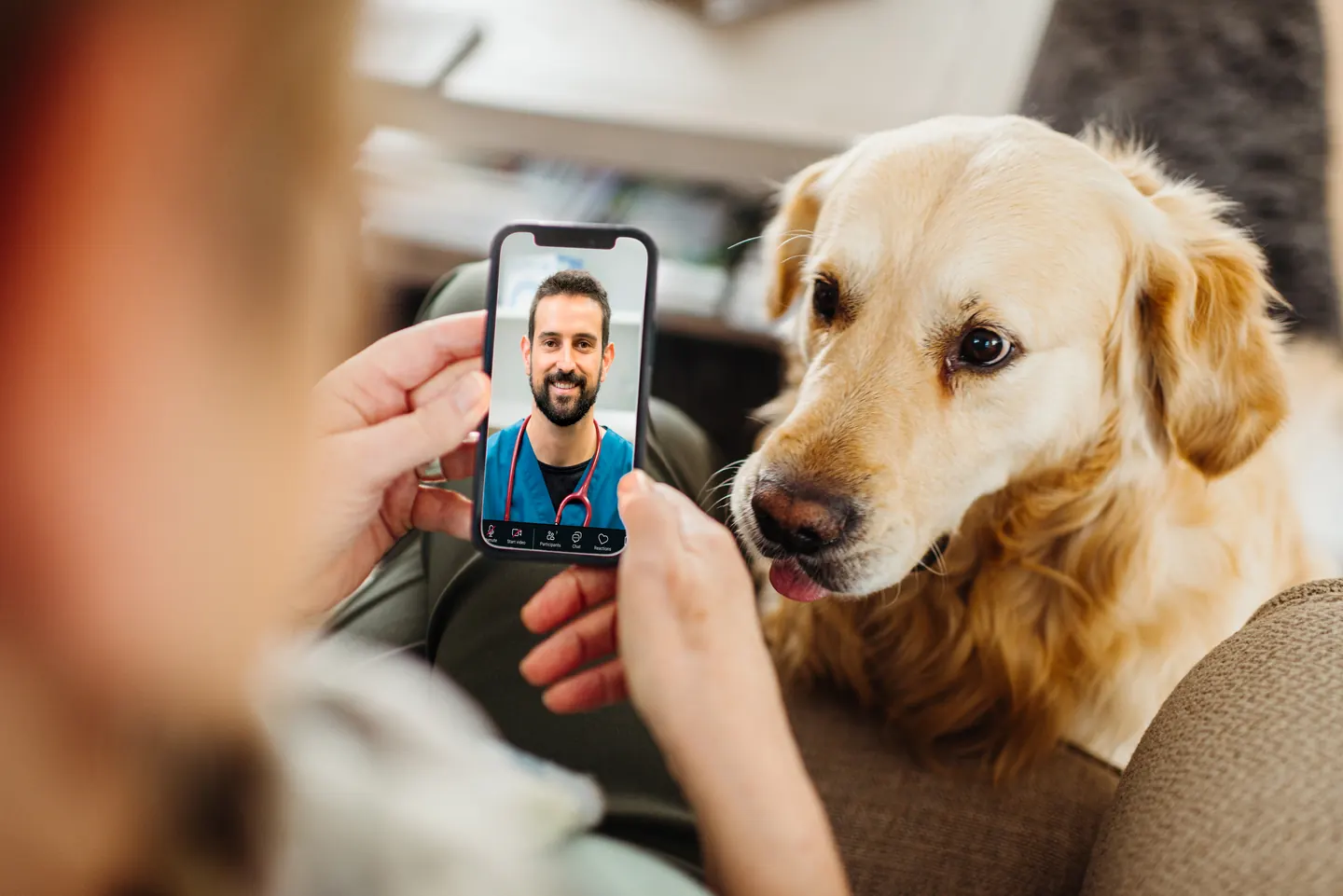 Sponsored
Vet care that's always there
Unlimited video calls and messaging with licensed vets for less than a typical vet visit. One membership covers up to five pets.
Use code Pets30
Plans start at $11/month · covers up to 5 pets
- Licensed vets in most states
- Rx for 150+ conditions
- 4.7 on Trustpilot
Confirming mites before choosing treatment
The vet can look into the ear with an otoscope and examine a sample under a microscope to identify mites. They also assess the canal, pain and possible secondary infection. VCA’s veterinary guide explains that a very sore ear may need sedation for a useful examination and treatment. A negative look with a phone torch at home is not a reliable test.
- Describe when signs began and contact with other pets.
- Bring the names of preventives, cleaners and ear medicines already used.
- Ask whether mites were seen and whether yeast or bacteria were found as well.
- Confirm whether the eardrum could be assessed and whether cleaning is allowed.
An examination is especially useful after an unsuccessful over-the-counter treatment. The original problem might not be mites, medication may not have reached the intended area, or another pet may need care.
Do not escalate to stronger drops on your own. Ask which finding explains the next treatment choice and what will be checked at follow-up.
Treatment that kills the parasite
Effective treatment uses an appropriate parasiticide. The best ear mite medicine is the one that fits the confirmed diagnosis, the dog’s age, weight and health, other medicines, and any secondary infection.
There is no useful promise that a product will instantly stop every symptom: killing parasites and allowing an inflamed ear to recover are different parts of care.
| Part of the plan | Its job | Question to confirm |
|---|---|---|
| Parasite medicine | Treat the confirmed mites. | Where is it applied and when is another dose needed? |
| Secondary infection treatment | Address bacteria or yeast found in the ear. | What did the sample show and what medicine targets it? |
| Ear cleaner | Remove suitable debris as directed. | Can this ear be cleaned now, and when relative to medication? |
| Follow-up examination | Check resolution and any remaining inflammation. | When should the ear be examined again? |
Revolution for dogs contains selamectin and is a prescription option with a canine ear-mite indication. It is applied to the skin as directed, not poured into the ear. Zoetis’ product information specifies dogs six weeks and older and discusses heartworm testing before use. The linked presentation is for dogs weighing 40.1–85 pounds; the clinic must choose the correct presentation for your dog. Revolution Plus is a different, cat-only product.
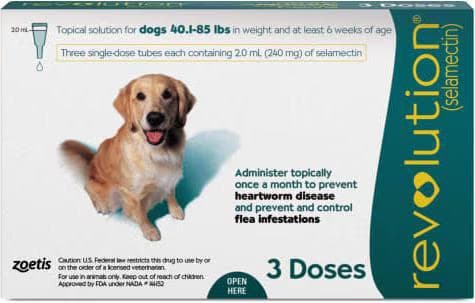
A monthly topical (selamectin) that prevents heartworm and controls fleas, and is well tolerated in herding breeds at the label dose. A prescription pick for dogs who need a non-isoxazoline option.
Webvet may earn a commission when you click through to Chewy, at no extra cost to you.
The route matters as much as the name. A skin spot-on, an oral medicine and an ear-canal preparation are not interchangeable. Ask where to apply the treatment, whether another dose is needed, what to do if an application is missed, and which signs should prompt a call. Do not divide a large-dog tube or reuse a prescription selected for another animal.
Over-the-counter ear preparations
Bio-Groom Ear Mite Treatment is an example of an ear preparation, rather than a routine wax cleaner. Its manufacturer directions exclude puppies younger than 12 weeks and advise veterinary consultation for certain vulnerable animals. Confirm that mites are the problem and that the ear is suitable for the product before using it. Availability without a prescription does not establish that an unexamined painful ear is safe to medicate.
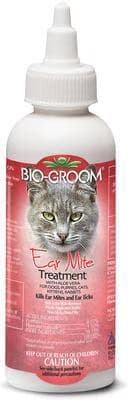
An aloe-enriched medicated treatment that kills ear mites and ear ticks while calming the itch and irritation they cause. For dogs, cats, and rabbits.
Webvet may earn a commission when you click through to Chewy, at no extra cost to you.
Follow the exact label and veterinary instructions, including course length. More drops, more frequent treatment or several mite products together are not a reliable shortcut. If your dog cries, resists or seems worse during an application, stop that attempt and call the practice. Ask for a demonstration or an alternative plan when home dosing is difficult; that information affects the choice of treatment.
Other medicines are a veterinary decision
You may see discussions of Bravecto, NexGard, Simparica, Frontline, ivermectin or Ivomec online. Evidence that an ingredient affects mites does not make every branded formulation, route or dose appropriate for canine ears. The CAPC treatment discussion distinguishes labeled treatments from other uses. Let the veterinarian check the exact product and current label rather than adapting livestock ivermectin or another pet’s prescription.
Antibiotics address susceptible bacteria, not the mite itself. An antifungal or a combination ear medicine may be needed for a secondary infection, but that is a separate decision. A product such as Zymox is not proof that mites have been eradicated, and a prescription name such as Tresaderm does not tell an owner whether it is suitable for this dog. Ask what each medicine is intended to treat.
Cleaning is part of a specific plan
For suitable accessible outer-ear care, Pet MD Aloe and Eucalyptus Ear Wipes are one format to discuss. The wipes are not a mite-killing treatment and should not be pushed into the canal. Their manufacturer specifies dogs over 12 weeks. A wipe that is convenient for routine debris is not a reason to scrub a raw or painful ear.
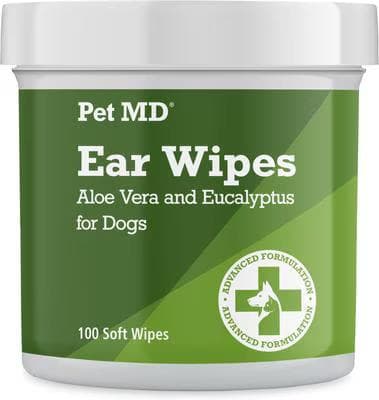
Webvet may earn a commission when you click through to Chewy, at no extra cost to you.
A liquid cleanser such as Epi-Otic Advanced has a different job from parasite medicine. Use it only when the clinic has confirmed the ear can be cleaned and specified the timing. Cornell’s ear-cleaning guidance cautions against alcohol, hydrogen peroxide and probing with cotton swabs. Stop if handling hurts rather than assuming discomfort means you must clean more thoroughly.
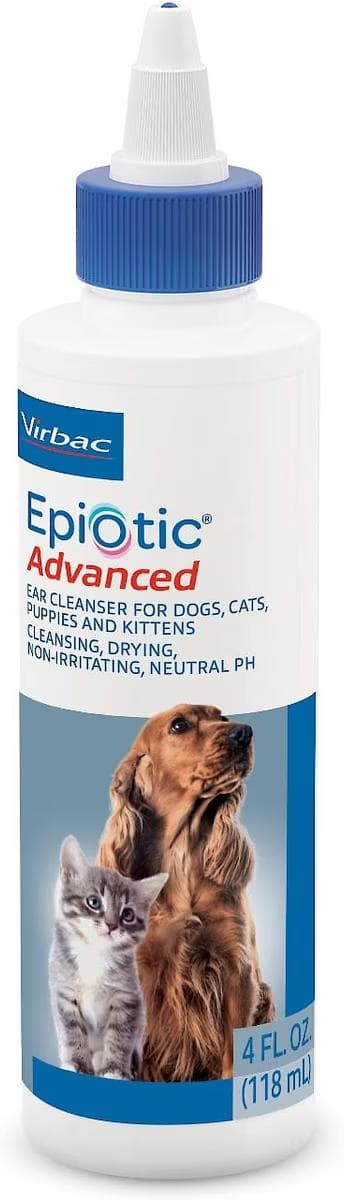
Webvet may earn a commission when you click through to Chewy, at no extra cost to you.
A household plan for dogs and cats
Use one row for each pet in a shared note or calendar.
The goal is to make the prescribed plan easy to carry out, not to decide doses yourself. A puppy, an adult dog and a cat may need different products or schedules even though the household is managing the same parasite. Name one person to check that each application is recorded.
| Record with the clinic | What to write for each animal |
|---|---|
| Which pets need treatment | Name, species, current age and weight, including pets without obvious ear signs. |
| Exact parasite medicine | Full product name, presentation, application site and next date if prescribed. |
| Cleaning instructions for each ear | Whether to clean now, product, timing and when to stop and call. |
| Other ear treatment | Record any medicine for yeast, bacteria, inflammation or pain separately. |
| Follow-up examination | Date and the question to be checked: mites, inflammation, secondary infection or all three. |

Wash washable bedding and maintain ordinary cleaning of shared resting areas while following the clinic’s advice. If your dog sleeps in your bed, ask about temporary arrangements during treatment and launder the bedding normally. Avoid spraying household insecticide into an ear or turning a parasite diagnosis into unsupervised whole-home pesticide treatment.
What about natural and home remedies?
Vinegar, hydrogen peroxide, mineral or cooking oils, essential oils and other recipes are not dependable substitutes for a confirmed diagnosis and a complete mite treatment. Some can irritate tissue or obscure what is happening in the canal. The dog ear mite home-remedy guide examines those ingredients and the safe boundary while arranging care. “Natural” does not establish ear safety.
A veterinary plan can include treatment given at home; that is different from a homemade cure.
If access or cost is the obstacle, tell the clinic before buying several products. Ask what examination and treatment are essential, which pets need to be included, and whether a staged payment or lower-cost service is available. Keep the details of anything already used for the appointment.
Recovery and the follow-up examination
How long it takes for ear mites to go away depends on the medicine, follow-through and any coexisting ear disease.
Scratching and discharge should be discussed at follow-up rather than used as the only test of cure. Persistent signs can reflect surviving mites, another exposed animal, inflammation, secondary infection or a different original diagnosis. The next step is reassessment, not automatically repeating the same bottle. Write down whether improvement lasted and when symptoms returned.
Ear mites can contribute to secondary ear infection. A severe inner-ear infection can rarely become life-threatening if it spreads to the brain, as VCA explains. This is a complication of ear disease, not a reason to assume every mite infestation is fatal. The Merck guide also describes canal damage and scratching injuries that can cause hair loss. Hearing changes, marked pain, head tilt, poor balance, seizures or a generally sick dog need prompt veterinary advice. Do not wait for a home remedy to work.
Questions owners ask
Frequently Asked Questions
Can I treat ear mites without going to the vet?
An over-the-counter product is not automatically the right treatment. An examination can distinguish mites from infection, foreign material and other causes and assess whether the ear can safely receive drops. Once the cause is confirmed, the veterinarian may give you a practical home-treatment plan. Ask what care the other pets need and when the result should be checked.
Can ear mites infest your house?
Ear mites primarily live on animals and spread by close contact. They can survive off the host for a limited time, but CAPC does not consider environmental survival a major transmission factor. Treating the pets appropriately is central. Launder bedding and follow the clinic’s household advice; spraying the home cannot substitute for treating affected animals.
Will ear mites ever go away?
Do not wait for a confirmed infestation to disappear without treatment. Mites can persist, reproduce and affect contact animals. Follow the prescribed course and keep the follow-up examination even if scratching improves. If signs return, the veterinarian can check for remaining parasites or another ear problem instead of assuming that every recurrence is the same infestation.

Editor
The Webvet Editorial Team is the in-house group of pet-care editors and writers behind Webvet, operated by Smart Pet Collective. The team researches, writes, and maintains Webvet's pet health, behavior, and medication content. Every article follows a defined editorial process: research from reputable veterinary and scientific sources, careful drafting, mandatory review of medical content by a credentialed veterinarian, and dated publication. Health and medication articles are medically reviewed by a licensed veterinary professional before they go live and are kept current over time.
Veterinarian · BVMS MRCVS
Dr. Pippa Elliott, BVMS, MRCVS, is a veterinarian with nearly 30 years of experience in companion animal practice. Dr. Elliott earned her Bachelor of Veterinary Medicine and Surgery from the University of Glasgow. She was also designated a Member of the Royal College of Veterinary Surgeons. Married with 2 grown-up kids, Dr. Elliott has a naughty Puggle named Poggle, 3 cats and a bearded dragon.


