Dog Ear Mite Treatment: Medicines, Timing, and Recovery
Dog ear mite treatment begins with confirming Otodectes cynotis and checking for secondary infection. Learn how veterinary medicines are selected, given, and monitored while exposed pets are treated to prevent reinfestation.

BVMS MRCVS
Medically reviewed by Dr. Pippa Elliott, BVMS MRCVS · Last reviewed

This article contains affiliate links. Webvet may earn a commission when you buy through them, at no extra cost to you.
Dog ear mite treatment requires more than choosing ear drops from a shelf. The veterinarian first confirms Otodectes cynotis, checks the ear canal and eardrum, and looks for secondary otitis. The plan may include a prescription parasiticide applied to the skin, an ear-directed product, appropriate cleaning, and separate therapy for yeast, bacteria, pain, or inflammation.
The fastest safe path is an accurate diagnosis and a product that is labeled or specifically prescribed for that dog. An otoscope helps assess the canal and eardrum before medicine is chosen. Age, weight, health, contact pets, severity, and the owner's ability to give treatment all matter.
Treating every exposed dog and cat on a coordinated schedule is essential because an untreated carrier can restart the infestation.
- 1Dark ear debris does not prove mites; otoscopy and microscopy help confirm them.
- 2Selamectin is one FDA-labeled treatment and control option for Otodectes in dogs.
- 3A skin-applied product is placed where its label directs, not automatically inside the ear.
- 4Secondary yeast or bacterial otitis needs its own treatment.
- 5All exposed dogs and cats should be evaluated for coordinated treatment.

 Sponsored
Need flea, tick, or parasite care for your dog?
A licensed vet at Dutch can recommend the right preventive and prescribe it when it's appropriate. Annual members get 20% off their first flea and tick order.
Use code Pets30
Plans start at $11/month · covers up to 5 pets
- Licensed vets in most states
- Rx for 150+ conditions
- 4.7 on Trustpilot
Dog Ear Mite Treatment Options

This label-led medicine comparison table supports the dog ear mite treatment decision without turning evidence into a universal dosing list. Research on ear mites in dogs treatment can identify effective ingredients, but the current label, route, species, weight range, and veterinary diagnosis determine what is safe for one dog.
Veterinary treatment has four possible jobs: eliminate mites, remove obstructive debris when safe, treat secondary infection, and stop transmission between animal hosts. Not every dog needs every component, but leaving out a necessary component is a common reason signs persist.
CAPC recommends selecting treatment according to age, disease severity, secondary infections, the number of affected animals, mites outside the ear, and owner compliance. Its otodectic mite guideline identifies selamectin as labeled for dogs and notes that several other active ingredients have evidence but may not carry the same label approval.
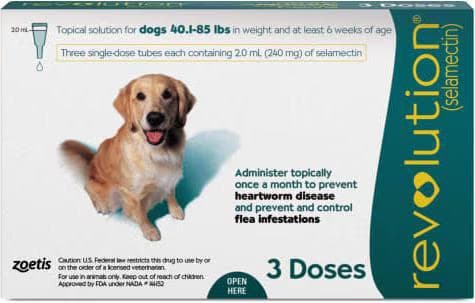
A monthly topical (selamectin) that prevents heartworm and controls fleas, and is well tolerated in herding breeds at the label dose. A prescription pick for dogs who need a non-isoxazoline option.
Webvet may earn a commission when you click through to Chewy, at no extra cost to you.
Systemic or skin-applied parasiticides
A spot-on or systemic medicine can reach mites without filling an inflamed canal with liquid. Selamectin is a macrocyclic lactone applied topically to the skin. FDA labeling for Revolution includes treatment and control of ear mite infestation in dogs six weeks of age and older.
It is a prescription product, and the label says not to use it in sick, debilitated, or underweight animals.
The FDA client sheet explains that the veterinarian selects the dose from body weight and directs owners to discuss the dog's health history. It also says dogs should be tested for heartworm disease before selamectin is given.
Do not translate a product name into a home-calculated dose. Concentrations and package sizes differ, and a combination parasite preventive can have other indications, precautions, or minimum ages. The correct tube, route, interval, and contact-pet plan come from the specific label and prescription.
Ear-directed products
Some acaricidal products are placed in the ear canal. Their safety depends on the active ingredient, product formulation, intact eardrum, and species. An ear labeled for dogs can still be unsafe when the canal is ulcerated or the tympanum cannot be evaluated.
Follow the exact volume, frequency, and duration rather than assuming more liquid works faster.
CAPC lists pyrethrin products among options with demonstrated efficacy. It also distinguishes labeled products from ingredients that have supporting studies but are not label approved for that exact use. That distinction matters because a veterinarian's off-label decision includes dose, safety, and follow-up judgment that a product list cannot provide.
Cleaning and debris removal
Cleaning can improve visualization, remove wax that shelters mites, and help ear medication contact the canal lining. CAPC recommends cleansing before treatment, but that does not mean every owner should perform deep cleaning at home. A narrowed, painful, or heavily obstructed canal may require veterinary cleaning.
The veterinarian chooses a cleaner based on the ear's condition and eardrum status. Use only the recommended amount. Massage the base gently if instructed, let the dog shake, and wipe material that reaches the visible outer ear. Do not insert cotton swabs or tools into the canal.
Treatment for secondary otitis
Merck Veterinary Manual explains that mite infestation can be a primary cause of otitis externa, while yeast and bacteria can become secondary causes once the ear environment changes. Ear cytology guides whether antimicrobial or antifungal therapy is needed.
A dog with mites plus Malassezia or bacteria may receive a separate ear medication and anti-inflammatory or pain relief. The recheck assesses both parasite control and resolution of infection. A parasiticide can succeed while the ear remains inflamed from another untreated process.
| Treatment component | Main purpose | Key safety question | Follow-up |
|---|---|---|---|
| Skin-applied prescription parasiticide | Kill mites on the animal | Correct species, age, weight, health, and label | Repeat only on the labeled or prescribed schedule |
| Ear-directed acaricide | Expose mites in the canal to medication | Is the eardrum intact and the formulation appropriate? | Complete the full course and recheck if debris persists |
| Ear cleaning | Remove wax and improve contact or visualization | Is the canal too painful, narrowed, or obstructed for home care? | Stop for pain, bleeding, dizziness, or distress |
| Antimicrobial ear medicine | Treat confirmed secondary yeast or bacteria | What did cytology show? | Recheck infection rather than judging by odor alone |
| Contact-pet treatment | Prevent reinfestation | Which product is safe for each dog or cat? | Coordinate timing across the household |
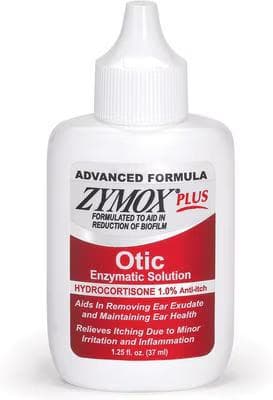
Webvet may earn a commission when you click through to Chewy, at no extra cost to you.
How Dog Ear Mite Medicine Is Used

If you are learning how to treat ear mites in dogs, begin by separating skin-applied parasite medicine from ear drops for ear mites in dogs. A spot-on tube belongs on the label-directed skin site. An ear-directed product belongs in the canal only when the veterinarian has selected that formulation and assessed the eardrum.
Start by reading the dispensed label every time. Confirm the pet's name, product, dose, route, and date. If the plan includes more than one medicine, write down which product goes on the skin and which, if any, goes into the ear. Confusing those routes can cause treatment failure or injury.
Applying a spot-on medicine
Part the hair at the label-directed location until the skin is visible. Place the full prescribed contents on the skin, not on top of the hair, and do not massage unless the label says to do so. Keep other pets from licking the application site while it dries. Wash your hands afterward.
The FDA Revolution instructions specify application at the base of the neck in front of the shoulder blades. Other products may use different directions. Do not divide a large-dog tube among smaller pets or use a dog package on a cat unless that exact action is directed by a veterinarian and supported by the label.
Giving ear medication
- Warm the container in your hands if your veterinarian says the product may be brought to room temperature.
- Lift the ear flap without pulling on a painful pinna.
- Place the prescribed amount at the canal opening without touching the applicator tip to the skin.
- Massage the ear base only when instructed and only as firmly as the dog tolerates.
- Allow shaking, then wipe the visible outer ear with clean gauze or cotton.
- Stop and call the clinic for severe pain, bleeding, loss of balance, vomiting, or an unexpected neurologic sign.
A muzzle, restraint battle, or repeated missed dose means the plan is not workable. Tell the clinic. A different route or professional administration may be safer and more effective than escalating force at home.
Home mixtures do not replace an acaricide. The dog ear mite home remedies guide separates limited interim comfort steps from peroxide, vinegar, essential oils, and other risky DIY practices.
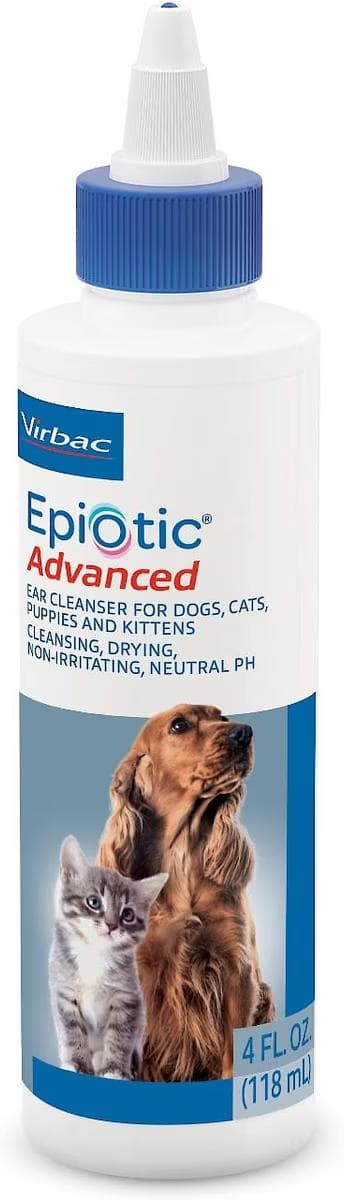
Webvet may earn a commission when you click through to Chewy, at no extra cost to you.
Treatment Timeline and Reinfection Prevention
How long do ear mites last in dogs depends on the medicine, mite burden, secondary disease, and whether every host is covered. The practical rule is to treat contact pets for ear mites on the coordinated veterinary schedule, then use the planned recheck rather than stopping when the visible wax improves.
Improvement in scratching can begin before the ear is fully recovered. Mite death, removal of debris, healing of inflamed skin, and resolution of secondary infection happen on different timelines. Do not use symptom relief as permission to stop early.
Some labeled products are given once for ear mites, while other regimens require repeated administration. In the FDA effectiveness work supporting selamectin, treatment protocols evaluated one or two topical doses at a one-month interval against natural infestations. That study supports the labeled product, not a universal schedule for every medicine.
The FDA Freedom of Information summary documents the controlled efficacy work behind selamectin's ear-mite indication. It is useful evidence for the product's approved use, while the current package label remains the dosing authority.
A randomized, controlled series published in Veterinary Parasitology evaluated naturally acquired Otodectes infestations in dogs and cats and reported complete reductions in geometric mean mite counts with the studied selamectin regimen. The study supports efficacy, while the current FDA label and veterinarian remain the dosing authority.
A veterinarian may recommend a recheck when the initial burden was high, secondary infection was present, the eardrum could not be seen, signs continue, or multiple pets are involved. At the recheck, otoscopy and repeat sampling can separate residual debris from living mites or ongoing infection.
Why treatment appears to fail
- The original problem was yeast, bacteria, allergy, a foreign body, or another mite rather than Otodectes.
- A contact dog or cat was not treated and reintroduced mites.
- The dose, product, route, or interval did not match the prescription or label.
- Ear debris prevented an ear-directed medicine from reaching the canal lining.
- Secondary otitis or self-trauma remained after mites were controlled.
- A stale or damaged product, missed application, or grooming exposure reduced effective delivery.
Do not respond to suspected failure by combining products. Bring the packaging and dose record to the recheck. The clinic can verify technique, repeat microscopy or cytology, and adjust one variable at a time.
A route-by-route administration audit
For a skin-applied dose, confirm that the applicator touched skin rather than resting on the coat. Check that the dog did not immediately rub the wet site on furniture and that another pet did not lick it.
A damp patch or temporarily clumped hair may be expected with some products, but the label defines normal application-site effects.
For an ear-directed dose, confirm the bottle was shaken if required, the correct number of drops or measured volume was given, and the applicator tip stayed clean. If the dog pulled away before a full dose, do not automatically repeat it. Call the clinic, describe what was delivered, and avoid accidental double dosing.
For cleaning, record whether the canal was cleared professionally or at home and whether pain prevented completion. Cleaner is not a substitute for acaricide. Conversely, an ear medication can have poor contact when a plug of wax remains. The recheck should evaluate both delivery and response.
For contact pets, record each animal separately. Product names, package colors, and concentrations can differ even when the household starts on the same day. A coordinated schedule is not permission to interchange tubes, split doses, or use a dog product on a cat.
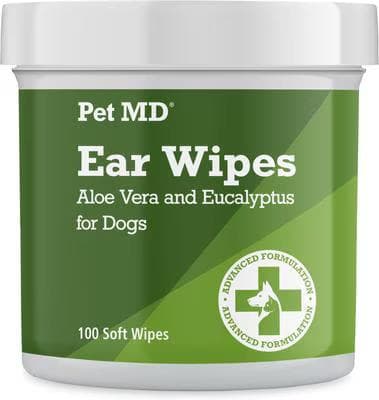
Webvet may earn a commission when you click through to Chewy, at no extra cost to you.
Cleaning the home
Otodectes depends mainly on animal hosts. Launder pet bedding, vacuum upholstered sleeping places and rugs, and clean carriers and grooming tools. The goal is to reduce stray mites and contaminated debris while the animal treatments break transmission. Routine cleaning is preferable to indiscriminate indoor insecticide use.
CAPC states that all dogs and cats in an affected household should be treated. This is stronger than simply watching contact pets for symptoms, because a lightly affected carrier may not scratch enough to attract attention.
The ear mites in dogs pillar explains transmission, diagnosis, and prevention in the broader disease context. Use it when the main question is how the infestation began rather than how to administer treatment.
If cytology confirms yeast or bacteria instead of, or in addition to, mites, follow the dog ear infection treatment pathway rather than extending mite medicine on your own.
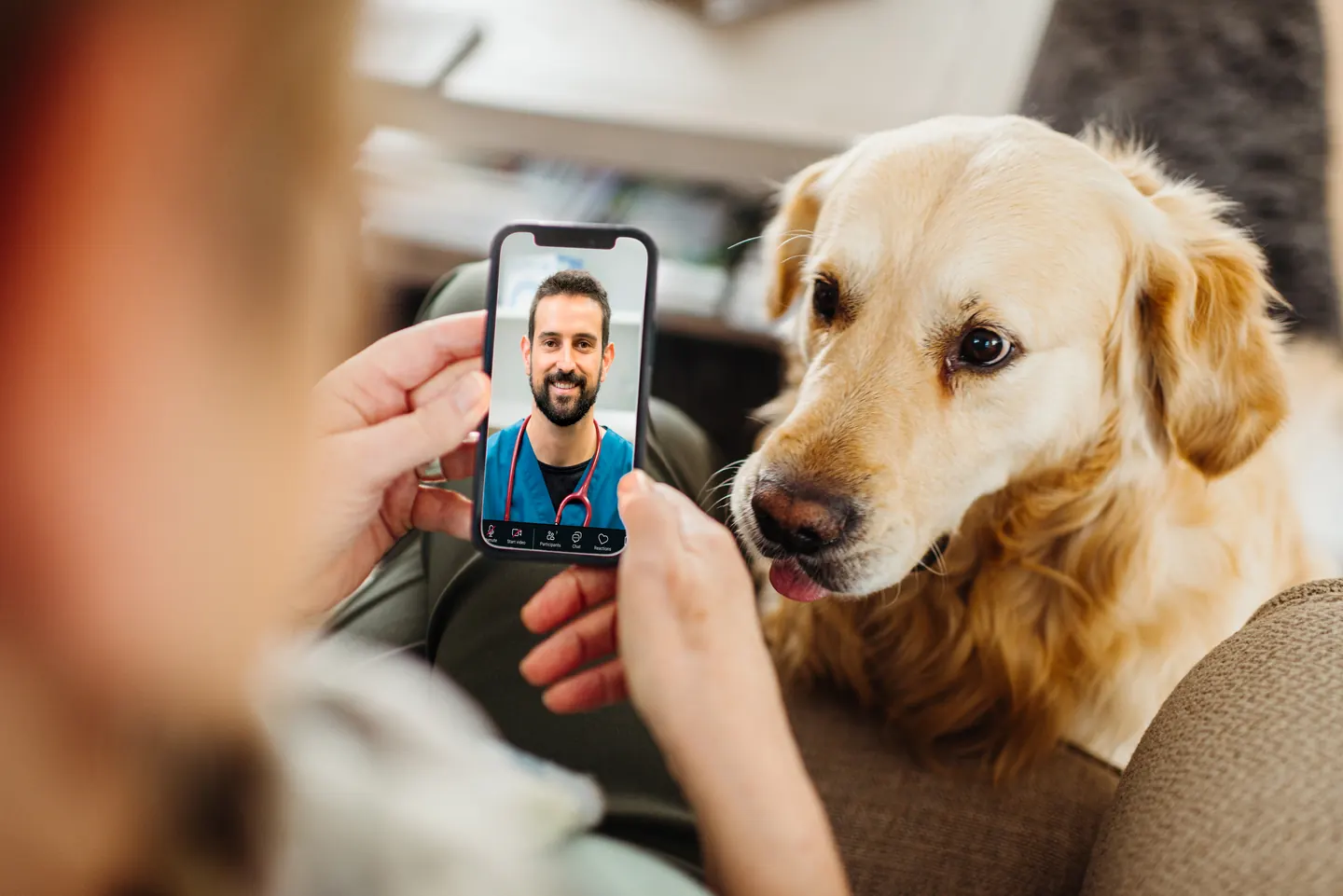 Sponsored
Vet care that's always there
Unlimited video calls and messaging with licensed vets for less than a typical vet visit. One membership covers up to five pets.
Use code Pets30
Plans start at $11/month · covers up to 5 pets
- Licensed vets in most states
- Rx for 150+ conditions
- 4.7 on Trustpilot
When to Contact the Veterinarian
Call promptly if the dog develops severe pain, swelling of the ear flap, bleeding, pus, a head tilt, stumbling, circling, rapid eye movements, sudden hearing change, vomiting with balance problems, facial weakness, or marked lethargy. Those signs can indicate self-trauma, eardrum damage, middle-ear disease, or a significant adverse problem.
Also call if medicine was swallowed, placed by the wrong route, given to the wrong pet, or dosed from the wrong weight range. Keep the product carton available. For a suspected drug reaction, the veterinarian can advise immediate care and report the event through the appropriate manufacturer or FDA pathway.
How to Prepare for the Recheck
Bring a written dose record with dates, product names, routes, and any missed or partial applications. Note when itching began to improve and whether debris, odor, or pain returned between doses. This timeline helps distinguish a delivery problem from reinfestation or secondary otitis.
Do not clean the ears immediately before the appointment unless the clinic asks you to. A fresh sample may be needed for mite examination and cytology. Bring the boxes or photographs of labels for every preventive, cleaner, and ear medication used during the episode.
Ask whether the eardrum is now visible, whether repeat cytology is needed, and whether contact pets completed compatible treatment. If the ear is clear but the dog still scratches, the next question may be allergy, skin disease, pain memory, or another body site rather than another mite dose.
Frequently Asked Questions About Dog Ear Mite Treatment
Frequently Asked Questions
What is the fastest way to get rid of ear mites in dogs?
The fastest safe route is veterinary confirmation followed by a correctly selected parasiticide and coordinated treatment of exposed pets. Adding unverified cleaners or extra doses can injure the ear or obscure the diagnosis.
What kills ear mites in dogs fast?
FDA-labeled selamectin is one veterinary option for dogs. The right product depends on age, weight, health, eardrum status, secondary infection, and the products used for contact pets.
Do I need to clean my house if my dog has ear mites?
Use routine environmental control: wash pet bedding, vacuum shared resting areas, and clean carriers and grooming tools. Treating every exposed dog and cat is the central reinfection-control step.
Will ear mites ever go away?
Yes. A confirmed infestation usually responds to an effective parasiticide when the schedule is completed and contacts are treated. Persistent signs need a recheck for reinfestation, secondary infection, or a different diagnosis.
Can I treat ear mites without going to the vet?
It is not safe to choose treatment from debris alone because infection, a foreign body, or eardrum damage can look similar. The home-care sibling explains interim steps, but medicine selection belongs with a veterinarian.
Can humans catch ear mites from dogs?
Sustained human infestation is unusual. Treat affected pets, use hand hygiene, clean shared bedding, and seek medical advice for persistent human skin or ear symptoms.
The Bottom Line
Successful dog ear mite treatment is label-led and diagnosis-led. Confirm Otodectes, inspect the eardrum, use the veterinarian-selected parasiticide by the correct route, treat secondary otitis, coordinate every contact pet, and recheck when signs continue. That sequence is safer and more reliable than trying multiple ear products until one seems to help.
Questions to answer before the first dose
Confirm the dog's current weight, minimum product age, last parasite preventive, heartworm-testing status when relevant, and whether the dog is sick, underweight, pregnant, nursing, or taking other medicine. Identify which pets share bedding or groom one another. Ask whether cats or ferrets need a different product.
Clarify whether the canal should be cleaned first and whether the clinic could see an intact eardrum. If a separate antimicrobial ear medication is prescribed, write down its order relative to cleaning and the parasiticide. A simple calendar prevents accidental double dosing and makes missed treatment visible.
Know the stop signs: worsening pain, active bleeding, pus, head tilt, imbalance, vomiting associated with dizziness, facial weakness, or an unexpected reaction at the application site. Have the clinic number and product packaging available rather than searching for instructions after a problem develops.
How contact-pet treatment differs from copying a prescription
Coordinated treatment does not mean giving every animal the same tube. Each dog or cat needs a species-appropriate, weight-appropriate product. The veterinarian may choose different medicines that cover the same household window. Never divide applicators by eye or use a dog-only formulation on a cat.
If a pet cannot be treated on the same day because of illness, age, or product access, tell the veterinarian before the first animal starts. Temporary separation may reduce close contact, but it does not replace a safe plan for the untreated host.
Record every animal's treatment date so the household schedule can be audited at the recheck.
Continue ordinary observation between doses. A contact pet that begins scratching, shaking, or accumulating debris should be reported rather than treated from another animal's leftovers.
Keep treated pets from grooming one another until skin-applied products are dry according to label directions. Note any unexpected drooling, vomiting, tremor, weakness, or marked skin reaction and contact the veterinarian promptly with the package in hand.

Editor
The Webvet Editorial Team is the in-house group of pet-care editors and writers behind Webvet, operated by Smart Pet Collective. The team researches, writes, and maintains Webvet's pet health, behavior, and medication content. Every article follows a defined editorial process: research from reputable veterinary and scientific sources, careful drafting, mandatory review of medical content by a credentialed veterinarian, and dated publication. Health and medication articles are medically reviewed by a licensed veterinary professional before they go live and are kept current over time.
Veterinarian · BVMS MRCVS
Dr. Pippa Elliott, BVMS, MRCVS, is a veterinarian with nearly 30 years of experience in companion animal practice. Dr. Elliott earned her Bachelor of Veterinary Medicine and Surgery from the University of Glasgow. She was also designated a Member of the Royal College of Veterinary Surgeons. Married with 2 grown-up kids, Dr. Elliott has a naughty Puggle named Poggle, 3 cats and a bearded dragon.


