Dog Diapers for Poop: Managing Fecal Incontinence
Learn when full-coverage dog diapers may contain stool, why tail openings often fail, which signs need a veterinarian, and how to protect skin, bedding, mobility, and quality of life.

BVMS MRCVS
Medically reviewed by Dr. Pippa Elliott, BVMS MRCVS · Last reviewed

This article contains affiliate links. Webvet may earn a commission when you buy through them, at no extra cost to you.
Dog diapers for poop can reduce some messes, but they do not reliably contain every bowel movement. A full-coverage diaper may hold small or soft accidents for a short time. Many standard designs have a tail opening that lets formed stool pass out, while diarrhea can spread against the skin and coat.
Treat new fecal incontinence as a medical sign before treating it as a product problem. Sudden bowel-control loss, blood, repeated straining, abdominal pain, weakness, vomiting, severe diarrhea, constipation, or a change in hind-leg function deserves prompt veterinary care. This sequence prevents a diaper purchase from delaying care for sudden bowel-control loss or serious gastrointestinal signs. A diaper manages the surface while the cause is diagnosed and treated.
Do dog diapers work for poop?
- 1Full coverage offers the best chance of stool containment, but a tail opening may still release formed stool.
- 2Loose stool and diarrhea quickly contaminate skin, so a diaper must be removed immediately after an accident.
- 3New or worsening fecal incontinence needs veterinary evaluation before a long-term diaper routine.
- 4Fit, frequent checks, washable surface protection, and a fast cleanup station matter as much as the diaper.
- 5Quality of life depends on comfort, mobility, appetite, sleep, connection, and treatable causes, not continence alone.
Do doggy diapers work for poop? Yes, with limits. A full rear-coverage garment can catch some stool, especially a small soft accident noticed immediately. However, the normal tail opening creates a direct exit path for formed stool. Dog posture, tail carriage, stool consistency, diaper rise, and how quickly the dog is checked all affect the result.
Are there dog diapers for poop? Products are sold for fecal incontinence, but the phrase should not be read as a guarantee. The best dog diapers for poop are full-coverage garments that fit the individual dog, keep fasteners off skin, and can be removed quickly. Even a good design is backup containment, not a sealed bowel-management system.
- Formed stool may pass cleanly through the tail opening, leaving the diaper mostly empty.
- Soft stool may stay partly inside but spread across the coat and perineal skin.
- Watery diarrhea can leak through leg openings and saturate absorbent material rapidly.
- A very small tail opening may improve containment but can pull, rub, trap stool, or restrict tail movement.
- A diaper that is too large can gap; one that is too small can compress the abdomen and chafe.
For general selection, urine uses, changing, and alternatives, see the complete dog diaper guide. This article stays focused on fecal incontinence and realistic stool containment.
Webvet may earn a commission when you click through to Chewy, at no extra cost to you.
Yes, dog diapers for poop can help with some formed stool accidents, but no diaper guarantees fecal containment. Tail openings, loose stool, body shape, movement, saturation, and delayed changes create escape and skin-contact risks. Choose full rear coverage, test the fit, protect nearby surfaces, and treat diarrhea, constipation, pain, or sudden fecal incontinence as a veterinary problem.
Fit, tail openings, sex, and body shape
The best diaper starts with waist and rise, then tail position, thigh openings, coat, and movement. You should be able to slide two fingers under the waistband without a large gap. The diaper should stay centered when the dog walks, sits, lies down, and assumes a defecation posture.

Why the tail opening is the central tradeoff
A tail opening must be large enough to avoid pulling the tail, rubbing the base, or restricting normal carriage. That same opening may sit directly behind the anus, allowing formed stool out. Moving the opening higher or lower can twist the diaper and shift absorbency away from where it is needed.
Do not cut a new opening while the diaper is on the dog. Cut edges can expose absorbent filling, rub skin, and create chewable material. If the product permits alteration, remove it, follow the manufacturer directions, cover rough edges safely, and supervise the next trial.
Female dogs
The best diapers for female dogs with fecal incontinence provide full rear coverage, adequate rise, free leg movement, and a tail opening aligned to that dog's anatomy. Dog diapers female for poop also need urinary absorbency positioned beneath the vulva if urine leakage occurs. A wide gap around the thighs can leak both urine and loose stool.
Male dogs
Male dog diapers for poop must be full diapers. A belly band covers the prepuce for urine or marking but leaves the anus exposed. Male dog diapers for poop and pee need enough forward coverage for the prepuce and enough rear coverage for stool, which makes rise and body length especially important.
The male dog diaper versus belly band guide helps separate urine-only needs from full-coverage needs. Disposable male dog diapers for poop should still be checked for leg gaps, tail alignment, and forward absorbent placement rather than selected by a male label alone.
Large, long-bodied, and short-tailed dogs
Large dog diapers for poop need strong fasteners and enough fabric to cover the rear without sagging when soiled. Long-bodied dogs may fit the waist but lack rise. Dogs with docked or very short tails may need a no-tail-hole design, but the anus must still be covered without rough pressure.
If a correctly measured diaper slides, consider a compatible bodysuit or suspender system only after confirming that the accessory does not cross the neck, pinch the armpits, or change gait. Retention never justifies leaving a soiled diaper on longer.
Why fecal incontinence happens and when it is urgent
Fecal incontinence means a dog cannot consistently control bowel movements or recognize the need in time. Possible contributors include diarrhea, severe constipation with overflow, rectal or anal disease, spinal or nerve problems, hind-end weakness, cognitive change, medication effects, pain, and reduced mobility. A veterinarian must connect the pattern to an actual diagnosis.
Start by describing onset and stool consistency. Note whether accidents happen during sleep, while walking, after straining, or before the dog can reach an exit. Record blood or mucus, appetite, vomiting, abdominal discomfort, weight change, thirst, medication changes, tail tone, hind-leg strength, and the dog's awareness of the accident.
The Merck Veterinary Manual digestive-system reference outlines the wide range of gastrointestinal disorders that can change stool and defecation. A photo and fresh stool sample may help your veterinarian, but ask the clinic how they want samples collected and stored.
Diarrhea and constipation are not opposite diaper problems
Diarrhea can overwhelm a diaper and cause rapid skin contamination. Constipation may cause repeated straining, painful small stools, or liquid material leaking around retained feces. Both patterns can look like loss of control, and both need cause-specific care rather than simply a more absorbent garment.
Do not give human anti-diarrheal drugs, laxatives, enemas, mineral oil, or pain medicine unless a veterinarian gives product-specific instructions for this dog. Some common human products can be dangerous, and an enema can injure the rectum or worsen an obstruction.
Prepare useful evidence for the veterinary visit
Before the appointment, write down when control changed, how often accidents occur, and whether the dog seems aware before or after passing stool. Photograph the stool when practical, keep a list of foods, supplements, and medicines, and note recent boarding, scavenging, falls, surgery, or mobility changes. Do not delay urgent care to finish the record.
Ask whether the clinic wants a fresh stool sample and how it should be stored. Bring the diaper or its product details if fit, skin irritation, or possible ingestion is relevant. A clear timeline helps the veterinarian decide whether the next step is a fecal test, rectal or neurological examination, imaging, blood work, medication review, or a different evaluation.
When a diaper is management, not treatment
Do vets recommend dog diapers? They may recommend them to protect surfaces and dignity while a diagnosed condition is treated or when recovery is incomplete. The diaper is one layer in a plan that may also include diet changes, medication, rehabilitation, bowel scheduling, mobility support, grooming, and environmental adaptation.
A successful management plan makes the dog cleaner and more included without hiding symptoms. Keep a daily log of stool consistency, accident timing, meals, medicines, skin condition, mobility, and sleep. If the pattern changes, the log gives the veterinarian better evidence than a general report that the diaper stopped working.
- Continue regular outdoor or toileting opportunities whenever the dog can participate.
- Remove the diaper for supervised bowel movements when timing is predictable.
- Never restrict food or water simply to reduce accidents.
- Recheck the diagnosis if accidents become more frequent, painful, bloody, or harder to clean.
- Use washable floor and bedding protection so the dog can have diaper-free time.
Build a bowel-pattern plan with the veterinarian
Many dogs have a recognizable rhythm after waking, eating, exercise, or a medication dose. Track that timing for one to two weeks and use it to offer calm, supported toilet trips before the usual accident window. The goal is not to force defecation on schedule, but to create more chances for an intentional bowel movement outside the diaper.
Ask whether meal timing, diet composition, fiber, stool-softening treatment, antidiarrheal treatment, probiotics, or medication timing should change. Do not make several changes at once without guidance, because the resulting stool pattern becomes difficult to interpret. A consistent plan also helps distinguish true anal-sphincter loss from urgency, slow mobility, or an inaccessible exit.
Record successes as well as accidents. Note whether the dog signaled, reached the chosen area, maintained posture, passed a comfortable stool, and remained clean afterward. Improvement may mean fewer accidents, more predictable timing, or easier cleanup rather than perfect continence. Share the trend at rechecks so treatment is adjusted from evidence rather than a single difficult day.
 $65 · no membership
Have a health question about your dog?
A licensed vet can assess your dog over video and prescribe online when it's appropriate.
 Talk to a vet
- Licensed vets
- All 50 states
- same-day Rx
Webvet may earn a commission if you book.
Which designs can contain stool?
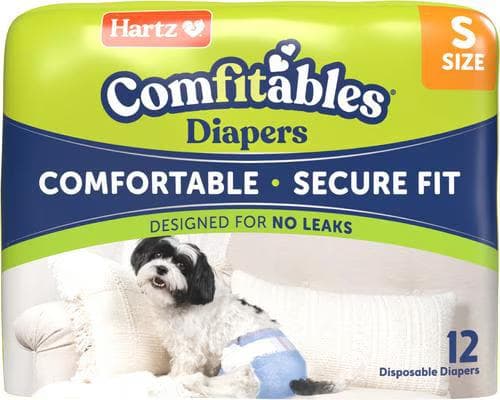
The strongest starting point for stool is a full-coverage dog diaper, not a urine-only belly band. The garment must cover the anus while still allowing the tail to move and the dog to walk and lie down. Disposable dog diapers for poop simplify immediate disposal, while washable designs can lower recurring cost when accidents are frequent. Neither material solves a bad cut. As one disposable full-coverage comparison, check the tail opening and current size chart for Hartz Comfitables Male & Female Dog Diapers; no product label guarantees stool containment for every dog.
Dog diapers for poop and pee need absorbency positioned over both urinary anatomy and the rear, plus enough rise to remain centered. Added absorbency can increase bulk and push the diaper away from the thighs. Use compatible liners only when the garment label allows them and the dog can still move normally.
| Stool consistency or situation | Best starting system | Likely benefit | Containment limit |
|---|---|---|---|
| Small formed accident | Full diaper with close rear coverage | May catch stool briefly | Tail opening may let it escape |
| Soft stool | Full diaper plus immediate monitoring | May reduce surface spread | High skin-contamination risk |
| Watery diarrhea | Veterinary care plus washable protected area | Pad setup supports fast cleanup | Diaper leakage and skin exposure are likely |
| Urine and stool | Full absorbent diaper | Covers both accident types | Bulk can worsen fit and leg gaps |
| Male urine only | Belly band may be enough | Less rear coverage and heat | Cannot contain stool |
| Mobility-limited senior | Full diaper plus pads and scheduled checks | Protects resting areas | Pressure and prolonged contact need close attention |
| Long or thick coat | Close-fitting full diaper with grooming plan | May reduce spread to surfaces | Coat can hide gaps and contamination |
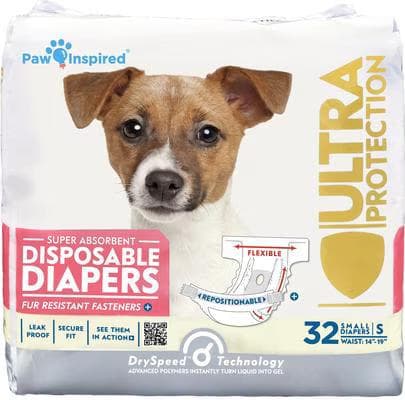
A product such as Paw Inspired Ultra Protection Disposable Female Dog Diapers or Hartz Comfitables Male & Female Dog Diapers can be evaluated as a full-coverage disposable option. Confirm the current label, species, sex, measurement range, tail opening, and intended use. A product name does not prove it will contain stool for a particular dog.
Troubleshoot escapes before changing products
If formed stool repeatedly lands outside an otherwise clean diaper, observe whether it exits through the tail opening during a normal squat. A different opening position or no-tail-hole design may help some dogs, but only if the anus remains covered and the tail is comfortable. If stool smears inside, the problem is more likely delayed detection, soft consistency, or excessive space around the rear.
Leaks at one thigh suggest an uneven closure, twisting garment, or mismatch between the leg cut and body shape. A diaper sliding backward points toward a loose waist or short rise. Sagging after an accident means the garment cannot support that amount of material safely. Suspenders may hold the waistband but cannot close a thigh gap or change stool consistency.
Change only one variable at a time during supervised trials: size, cut, liner, tail opening, or retention accessory. Photograph the clean fit from the side and rear, then compare after walking and lying down. Stop the trial immediately for pressure marks, restricted gait, tail pulling, panting, chewing, or distress.
Webvet may earn a commission when you click through to Chewy, at no extra cost to you.
Change and cleanup routine
A stool accident calls for immediate removal. Put on gloves, support the dog's body as needed, open the diaper away from the coat, and contain the waste without dragging it across skin. Clean the perineal area gently according to veterinary guidance, then dry skin and coat completely before another garment is applied. For limited outer-coat cleanup only, HICC PET Deodorizing Cat & Dog Glove Wipes may be considered as labeled; they do not replace full washing, drying, or veterinary care for irritated skin.

Set up the station before an accident
- Disposable gloves and veterinarian-approved cleaning materials.
- Soft cloths or towels reserved for the dog's care.
- Fresh correctly sized diapers and a backup pad-based setup.
- Sealed waste bags and a lidded container kept away from pets and children.
- A washable nonslip mat so the dog can stand safely during changes.
- A laundry container that keeps soiled reusable items separate until label-directed washing.
Wash reusable diapers exactly as the current care label directs. Remove solid waste first when appropriate, close fasteners, use the listed detergent and water temperature, and dry completely. Do not assume bleach, disinfectant, fragrance, fabric softener, or high heat is safe for the fabric or the dog's skin.
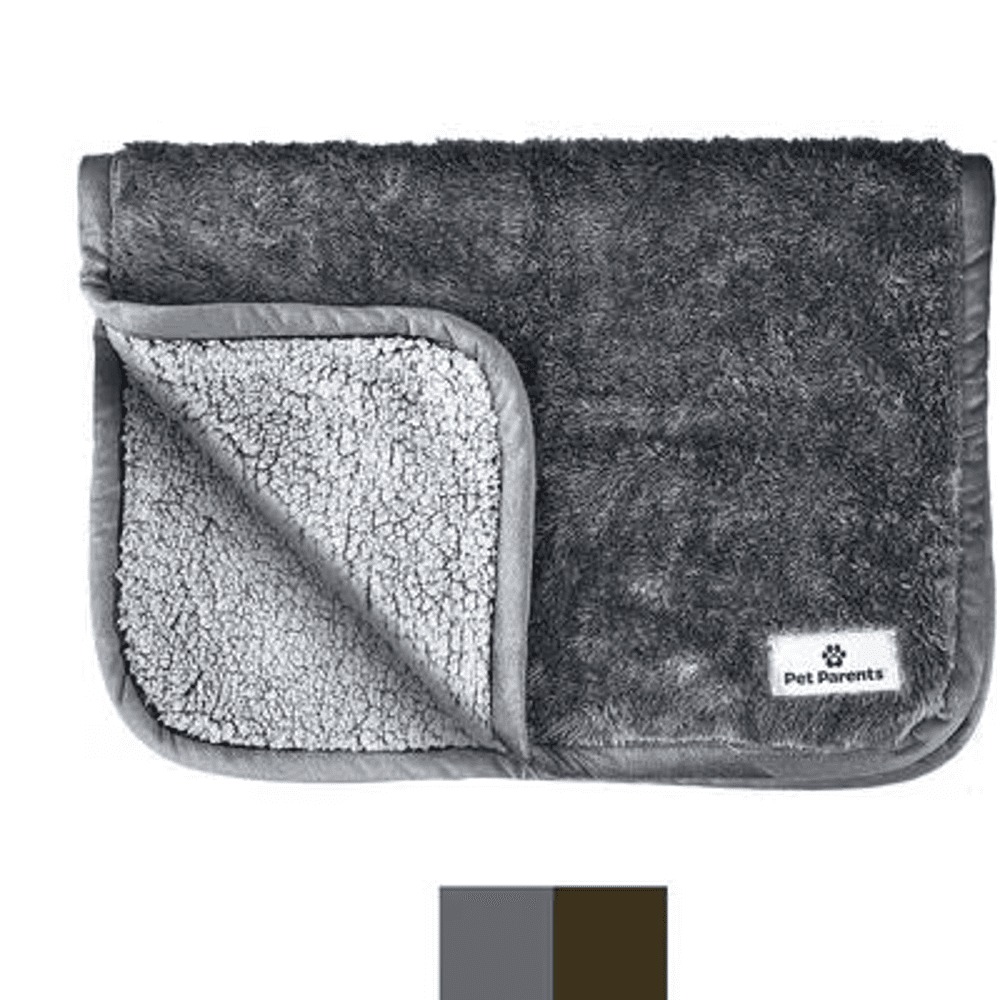
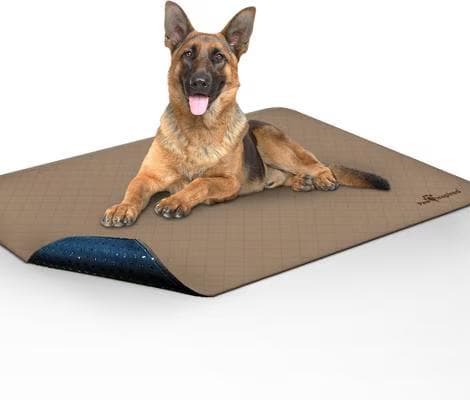
A plush, waterproof sherpa blanket that gives a cold or shivering dog a warm, cozy layer to curl into. The hidden waterproof lining protects the bed, couch, or car seat, and the whole thing is machine washable.
Webvet may earn a commission when you click through to Chewy, at no extra cost to you.
Prevent moisture and pressure injuries
Stool contains moisture and digestive material that can inflame skin quickly. Urine scald is an added risk when urinary leakage and fecal incontinence occur together. Dogs with thin coats, allergies, paralysis, obesity, deep skin folds, or limited ability to reposition may be especially vulnerable. Inspect before and after every wear, including areas that did not visibly contact stool, because waistband and leg pressure can cause separate injuries.
Do not apply human diaper cream, zinc oxide, essential oils, powder, antibiotic ointment, or barrier paste unless the veterinarian approves the exact product. Dogs may lick the area, and a thick cream can hide worsening redness. If a prescribed barrier is used, apply only the directed amount and prevent ingestion with the approved care plan.
Allow generous diaper-free periods on a protected surface whenever feasible. Airflow, complete drying, clean bedding, and repositioning reduce contact time and give the caregiver a clear view of the skin. Persistent redness, odor, swelling, discharge, open sores, or pain requires veterinary attention rather than a tighter diaper or stronger cleaning product.
Surface protection options
Paw Inspired Washable Dog Pee Pads and the Pet Parents Pawtect Waterproof Dog Blanket are surface-protection options to compare for dimensions, care instructions, grip, and placement. Pads and blankets often reduce how many hours a mobility-limited dog needs to spend in a diaper.
Layer protection according to where the dog rests instead of covering every room. Put a waterproof barrier beneath a washable absorbent pad, keep one clean replacement within reach, and use nonslip backing on hard floors. Check that the edges do not bunch under a weak hind leg or interfere with a mobility aid. A predictable resting area also makes bowel timing easier to observe. Replace soiled layers promptly, wash them according to the manufacturer’s instructions, and allow them to dry completely before reuse. This approach can reduce diaper wear time while keeping bedding and flooring easier to sanitize.
Webvet may earn a commission when you click through to Chewy, at no extra cost to you.
Protect the dog from contact and the household from cross-contamination
Wash hands after every change, clean hard surfaces with a pet-safe product used as directed, and keep diaper supplies separate from food preparation. Prevent other pets from accessing stool, used diapers, wipes, or laundry. If the dog eats feces, that is a separate coprophagia problem; see why dogs eat poop for behavior and prevention guidance.
HICC PET Deodorizing Cat & Dog Glove Wipes may help with outer-coat cleanup only as the label directs. Stool on irritated skin still calls for gentle cleaning, complete drying, and veterinary guidance; a wipe does not disinfect the environment or make extended diaper contact safe.
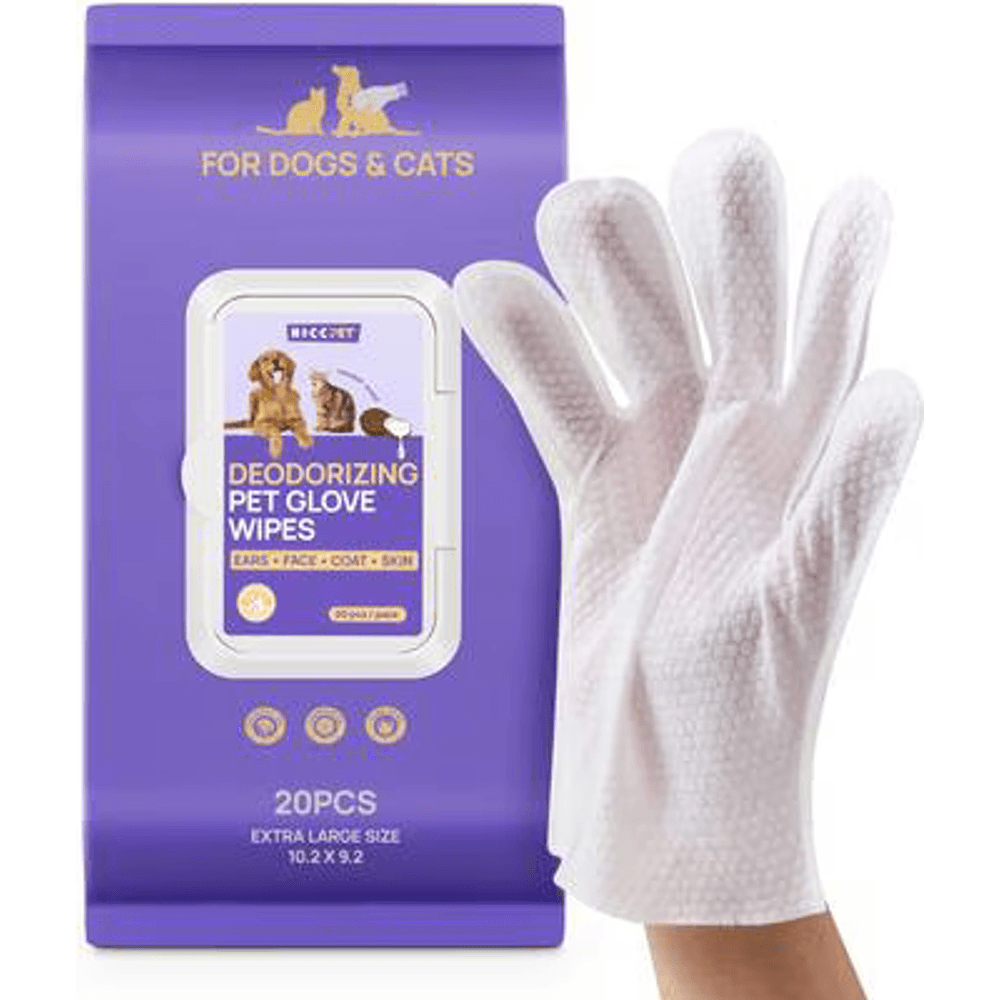
Wearable glove wipes that let you freshen and wipe down a dog's or cat's coat and skin without a full bath, while a fabric layer stays between your hand and the pet.
Webvet may earn a commission when you click through to Chewy, at no extra cost to you.
Supporting a senior or mobility-limited dog
What can you do for a senior dog with fecal incontinence? Begin with veterinary evaluation, then build a predictable routine around the dog's strength and bowel pattern. Senior dog diapers for poop may protect resting spaces, but scheduled outdoor trips, rehabilitation, nonslip paths, grooming, pads, and easy-clean beds often do more for daily comfort. For a washable rest-area layer, compare the Pet Parents Pawtect Waterproof Dog Blanket dimensions against the dog's full sleeping and repositioning area.
A dog with weak hind legs may be unable to hold a standing position during changes. Use a supportive harness or sling only as a veterinarian or rehabilitation professional shows you. Keep movements slow, support the hips, and avoid lifting by the tail or diaper.

- Place washable pads under favorite beds and along the path to the door.
- Offer more frequent toilet trips after meals, waking, activity, and medication times.
- Keep water accessible and never dehydrate a dog to reduce accidents.
- Trim or groom the rear coat with professional guidance to simplify cleaning.
- Check pressure points more often in thin dogs or dogs that lie in one position.
- Track good and difficult days, including sleep, appetite, movement, engagement, pain, and hygiene.
The broader guide to diapers for old dogs covers senior urinary leakage, nighttime setups, mobility, and dignity. For fecal accidents, the same principle applies: combine the least restrictive garment with an environment that expects accidents and supports fast cleanup.
Overnight management
Nighttime containment should minimize prolonged stool contact, not simply hold the diaper on until morning. Offer a final toilet trip, use a clean dry full-coverage diaper only if the dog tolerates it, layer washable protection under the bed, and check any dog whose bowel pattern suggests an overnight accident is likely.
A dog with diarrhea, frequent stool, active skin disease, chewing behavior, or poor ability to reposition may be safer in a comfortable easy-clean pen with pads and a waterproof layer. If an overnight accident is discovered, clean the dog promptly even if bedding appears protected.
Create a resilient nighttime setup
Layer the sleep area so one accident does not require moving a painful or anxious dog through a complete bed change. Put a waterproof protector under a fitted washable cover, then add a replaceable absorbent pad where the hips usually rest. Keep a second clean cover and pad within reach, along with gloves, cloths, bags, and a dim light for calm handling. One replaceable washable layer to compare is the Paw Inspired Washable Dog Pee Pad, positioned where the dog's hips usually rest.
Make sure the dog can reach water without crossing a slippery floor. If the dog can walk outside, create the shortest nonslip route and use a harness recommended for the mobility problem. If the dog cannot rise safely, agree with the veterinarian on repositioning, supported toilet trips, and how often someone must check overnight.
Review the nighttime plan after every accident. Note whether stool escaped through the tail opening, leaked at a thigh, remained unnoticed too long, or occurred at a predictable hour. The answer may be a fit correction, an earlier toilet trip, a scheduled check, or a pad-only setup. It is rarely just a request for more absorbency.
Quality of life and compassionate decision-making
Can you put a dog down for fecal incontinence? Euthanasia decisions should not be based on incontinence alone. Many causes are treatable or manageable. The decision becomes appropriate to discuss when the dog's overall suffering cannot be relieved and good days no longer outweigh difficult ones, despite veterinary treatment and reasonable support.
Ask the veterinarian to review comfort, pain, mobility, appetite, hydration, sleep, breathing, anxiety, social connection, favorite activities, hygiene, skin injury, and the likelihood of a treatable cause. A practical cleanup sequence plus compassionate quality-of-life checkpoints keeps this from becoming a product-only answer. Also discuss the family's ability to provide safe care. Caregiver limits are real, but the conversation should be compassionate and informed rather than driven by shame.
A daily quality-of-life calendar helps reveal trends that memory can miss. Record whether the dog ate willingly, rested, moved with tolerable assistance, sought contact, enjoyed an activity, and stayed reasonably clean. Fecal incontinence is one line in that record, not a complete forecast of death.
Include caregiver capacity in the plan
A safe fecal-incontinence routine requires time, lifting ability, sleep, laundry access, supplies, and sometimes help from another person. Tell the veterinarian honestly when the current schedule is causing injury, exhaustion, missed work, or conflict in the home. That information can change the treatment, product, toileting schedule, rehabilitation plan, or level of home support.
Ask whether a veterinary technician can demonstrate changes, rear-end cleaning, coat clipping, sling use, and skin checks. Consider a dog walker, mobile groomer, rehabilitation professional, respite caregiver, or boarding facility only after confirming that the person can follow the medical plan and respond promptly to soiling. Written instructions and a stocked change station reduce errors when care is shared.
If care remains unsafe or the dog's suffering cannot be controlled, request a dedicated quality-of-life appointment. That conversation can include palliative care, hospice support, realistic management options, and euthanasia. Ask what changes would mean the plan is no longer protecting comfort, and write those thresholds down for everyone who helps with care. Revisit the list when treatment, mobility, appetite, or sleep changes. Seeking help before a crisis is compassionate. It gives the family time to make a decision around the dog's comfort instead of around one overwhelming accident.
Questions about fecal incontinence and dog diapers
Frequently Asked Questions
Do doggy diapers work for poop?
Doggy diapers can contain some formed stool, but performance depends on stool consistency, tail opening, body shape, movement, and how quickly a caregiver changes the garment. Loose stool can spread against the skin and escape gaps, while constipation needs medical attention rather than more absorbency. Treat the diaper as temporary management, not a guaranteed seal or treatment.
Can you put a dog down for fecal incontinence?
Fecal incontinence alone does not answer an end-of-life decision. A veterinarian can help assess pain, mobility, appetite, interaction, sleep, hygiene, treatability, distress, caregiver capacity, and the dog's good versus difficult days. Many dogs can remain comfortable with treatment and a workable routine; humane euthanasia is considered only through a broader quality-of-life assessment.
What can you do for a senior dog with fecal incontinence?
Start with veterinary evaluation because senior fecal incontinence can involve gastrointestinal, neurologic, spinal, mobility, medication, or cognitive factors. Build a scheduled toileting and feeding routine, protect resting areas, support mobility, keep the coat trimmed and clean, and use a full-coverage diaper only when it can be changed promptly without causing moisture, pressure, or distress.
What are the best diapers for female dogs with fecal incontinence?
A female dog with fecal incontinence needs full rear coverage, not a belly band. The best design keeps the absorbent panel centered, fits the waist and rise, and uses a tail opening that does not create a large escape gap. No product can reliably contain every stool consistency, so test a small quantity and pair the garment with prompt cleanup and surface protection.
$65 · no membershipHave a health question about your dog?
A licensed vet can assess your dog over video and prescribe online when it's appropriate.
Talk to a vet- Licensed vets
- All 50 states
- same-day Rx
Webvet may earn a commission if you book.

Editor
The Webvet Editorial Team is the in-house group of pet-care editors and writers behind Webvet, operated by Smart Pet Collective. The team researches, writes, and maintains Webvet's pet health, behavior, and medication content. Every article follows a defined editorial process: research from reputable veterinary and scientific sources, careful drafting, mandatory review of medical content by a credentialed veterinarian, and dated publication. Health and medication articles are medically reviewed by a licensed veterinary professional before they go live and are kept current over time.
Veterinarian · BVMS MRCVS
Dr. Pippa Elliott, BVMS, MRCVS, is a veterinarian with nearly 30 years of experience in companion animal practice. Dr. Elliott earned her Bachelor of Veterinary Medicine and Surgery from the University of Glasgow. She was also designated a Member of the Royal College of Veterinary Surgeons. Married with 2 grown-up kids, Dr. Elliott has a naughty Puggle named Poggle, 3 cats and a bearded dragon.


