Dog Diapers for Heat: Fit, Changes, and Safe Use
Dog diapers for heat can collect discharge and protect household surfaces, but they cannot prevent mating. Learn how to choose, fit, change, and use them safely.

BVMS MRCVS
Medically reviewed by Dr. Pippa Elliott, BVMS MRCVS · Last reviewed

This article contains affiliate links. Webvet may earn a commission when you buy through them, at no extra cost to you.
Dog diapers for heat can collect normal heat-cycle discharge and protect furniture, floors, and bedding. They do not prevent mating or pregnancy. A female dog in heat still needs direct supervision and secure physical separation from intact males, even when her diaper fits perfectly.
Choose a full-coverage diaper made for female anatomy, measure the waist, confirm the vulvar area is covered, and change the garment immediately when it becomes damp or soiled. Give regular diaper-free breaks in a secure area, keep the skin dry, and call a veterinarian for abnormal discharge, illness, pain, or an unexpectedly long or unusual cycle.
- 1A heat diaper can contain discharge, but it does not prevent mating or pregnancy.
- 2The best fit covers the vulva while the waist, leg cuffs, and tail opening stay smooth and comfortable.
- 3Change immediately when damp or soiled, then dry the skin fully before refitting.
Should you use dog diapers for heat?
Yes, you may use a full dog diaper during a heat cycle if your dog tolerates it and you can inspect and change it often. It is optional housekeeping equipment, not a medical requirement. Some dogs have light discharge that is manageable with washable bedding, while others leave more spots and benefit from a garment during supervised indoor time.
Normal heat-cycle discharge is reproductive-tract fluid associated with estrus. It is not the same as urinary incontinence. If the absorbent panel smells strongly of urine, your dog leaves large clear puddles, strains, urinates often, or suddenly drinks much more, contact a veterinarian instead of assuming every wet spot comes from heat.
If you are unsure whether your dog is in heat, review the stages of a dog’s heat cycle and contact your veterinarian. Cycle timing varies between dogs, so a calendar estimate is not enough to declare that pregnancy risk has ended. The general dog diaper guide explains when veterinarians may recommend diaper management for heat, incontinence, and recovery.
Webvet may earn a commission when you click through to Chewy, at no extra cost to you.
Should you put diapers on a dog in heat? Use one only when it collects discharge without restricting movement and when a caregiver can provide frequent changes, toilet breaks, and skin checks. A heat diaper never substitutes for closed-door separation from intact males and never prevents pregnancy, even when visible spotting becomes lighter.
A heat-cycle diaper routine by stage
A heat-stage routine should follow what you observe rather than a rigid day count. Proestrus often brings vulvar swelling and bloody discharge and attracts males. During estrus, discharge may change and the female may become receptive. Timing and appearance vary, so continue discharge and change checks and maintain separation until your veterinarian says the risk period has passed.
| Visible phase | Diaper and cleaning priority | Supervision priority |
|---|---|---|
| Early visible heat changes | Confirm that spots are reproductive discharge and establish frequent checks | Begin secure separation before male interest increases |
| Active bloody or colored discharge | Change when damp or soiled, then clean only as needed and dry fully | Leash outdoors and use closed doors plus sturdy barriers indoors |
| Discharge becomes lighter or changes | Do not reduce checks based on color alone | Pregnancy risk may still be present even when spotting decreases |
| Discharge appears to end | Use a diaper only if spots continue and the skin remains healthy | Ask the veterinarian when normal contact can resume if timing is uncertain |
The diaper plan can change within one cycle. A dog with light spotting may need protection only on upholstered furniture. A more active dog may shift a garment during play and need more frequent fit checks. If the dog becomes distressed by dressing, use protected surfaces in a secure room rather than forcing continuous wear.
How to choose dog diapers for heat
What is the best diaper for a female dog in heat? It is a full-coverage female diaper that fits her measured waist and rise, keeps the absorbent area over the vulva, allows normal movement, and can be changed as often as her discharge requires. No single brand or absorbency level is best for every dog. The best dog diapers for heat are therefore full-coverage products chosen by measured fit, movement, and a realistic change routine, not by the largest absorbency claim.
- Coverage: use a full diaper, not a male belly band, because the absorbent panel must sit beneath the vulva.
- Fit: compare a current brand chart with waist and body-shape measurements rather than choosing by weight alone.
- Material: choose disposable, reusable, or a practical rotation based on laundry access and changes per day.
- Fasteners: look for secure closure without exposed rough edges that can catch fur or rub the skin.
- Tail opening: confirm that it is centered and does not pull the garment away from the absorbent zone.
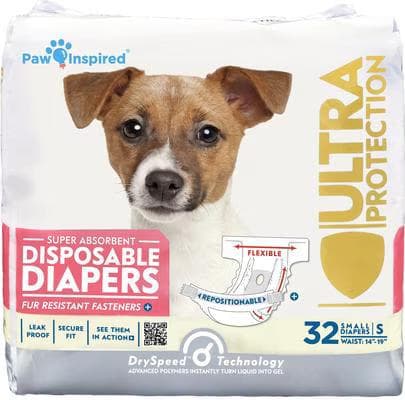
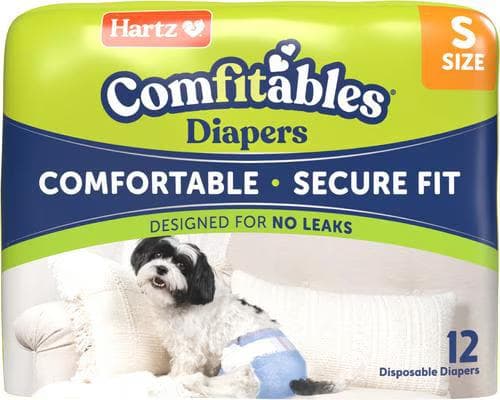
For female full coverage during supervised indoor time, Paw Inspired Ultra Protection Disposable Female Dog Diapers and Hartz Comfitables Male & Female Dog Diapers are disposable options to compare by current waist range, tail opening, seam placement, and package count. A heat diaper is never contraception and must not be trusted to prevent mating.
A liner may add a removable absorbent layer to a compatible washable shell. PAWPANG Disposable Dog Diaper Liners, Medium, 100 count are one option when the liner can lie flat without bunching. Do not use a pad to compensate for a shell that is too loose, and do not let extra bulk push the absorbent area away from the body.
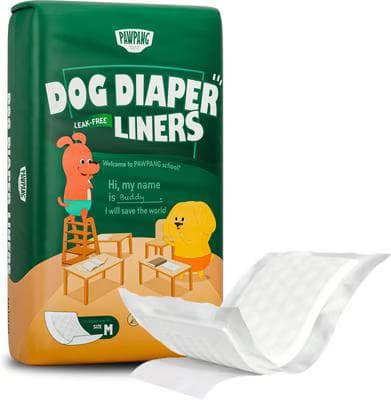
A convenient 100-count liner option for adding absorbency to a correctly fitted washable dog diaper or belly band.
Webvet may earn a commission when you click through to Chewy, at no extra cost to you.
Before committing to a large supply, test one size during standing, walking, sitting, and lying down. Note whether the diaper rotates, whether discharge reaches the absorbent panel, and whether any edge leaves redness. The broader guide to choosing female dog diapers covers non-heat use cases as well.
Disposable vs. reusable dog diapers for heat
Disposable dog diapers for heat are convenient for travel, quick changes, and households without immediate laundry access. A fresh unit has a clean absorbent core each time, but ongoing cycles create recurring cost and waste. Check the size chart each time packaging or a product line changes. For a female disposable comparison, check the current fit chart and package count for Paw Inspired Ultra Protection Disposable Female Dog Diapers before stocking a full cycle.
Reusable dog diapers for heat can reduce trash and may cost less over repeated cycles when there are enough units for a rotation. They require prompt rinsing or laundering according to the label, complete drying, and storage away from used garments. A damp reusable shell is not ready to go back on the dog.
Webvet may earn a commission when you click through to Chewy, at no extra cost to you.
- Choose disposables when convenience and reliable clean stock matter most.
- Choose washables when you can maintain enough clean, fully dry units between changes.
- Use a hybrid system when washables work at home but disposables are easier for travel, boarding, or laundry delays.
- Change the plan if either material causes rubbing, leaks despite correct fit, or encourages prolonged wear.
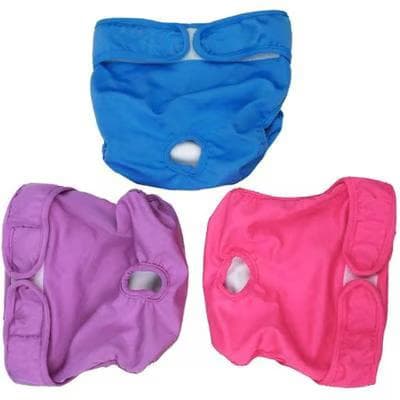
For a washable full-coverage heat-cycle option, compare SunGrow Reusable Female Cat & Dog Diapers for Heat Cycle, 9-in to 15-in Waist, 3 count with the dog's measured waist and rise. The product can collect discharge, but it cannot prevent mating or pregnancy.
Webvet may earn a commission when you click through to Chewy, at no extra cost to you.
Estimate need from observed changes, not marketing claims. If a dog needs six changes during an active day and laundry takes a full day to wash and dry, a two-diaper rotation is not workable. Add clean units or keep a disposable backup so skin safety never depends on stretching a garment’s wear time.
Compare disposable dog diapers for heat with reusable or washable dog diapers for heat by real change frequency, fit, drying time, laundry access, absorbent-core placement, travel needs, and the dog's skin response. A neutral hybrid plan can use washable protection at home and disposable backup away from home without claiming that one material prevents urine scald or allows longer wear.
| Decision | Disposable heat diaper | Washable heat diaper |
|---|---|---|
| Frequent changes | Fast single-use replacement; keep enough of the exact fitted size | Requires a clean rotation plus complete wash and drying time |
| Fit and absorbency | Product-specific cut and core; test movement before buying a large pack | Fabric and seams vary; fit still matters more than the reusable label |
| Best routine fit | Travel, occasional use, or limited laundry access | Predictable home use with reliable laundry and spare garments |
| Safety boundary | Change promptly and provide diaper-free skin checks | Change promptly; never extend wear because it is washable |
How a heat diaper should fit
A heat diaper should cover the vulvar area while allowing the dog to walk, sit, and lie down normally. Run two fingers beneath the waistband. Smooth the leg cuffs outward, center the tail opening, and confirm that the absorbent panel stays beneath the source of discharge instead of sliding to one side.

- Too loose: the waist rotates, a leg gap opens, or the absorbent panel shifts away from the vulva.
- Too tight: the dog cannot sit comfortably, deep marks remain, or the tail opening pulls.
- Wrong rise: the waist fits but the panel sits too far forward or the rear edge gaps.
- Bunched liner: extra material forms a ridge, blocks the absorbent surface, or creates pressure.
Measure for dog diaper size again after weight, coat, or body-condition changes. Large female dog diapers for a heat cycle are not simply scaled-up small diapers. A large dog’s rise, hindquarter shape, and activity can change the cut that stays aligned.
Troubleshoot leaks before adding absorbency
Look at where discharge escaped and whether the absorbent panel was actually saturated. A leak at one leg often points to a folded cuff or shape mismatch. A leak at the waist can follow rotation or an incorrect rise. A mostly dry panel with wet fur suggests that coverage moved away from the vulva.
- One-sided leak: smooth the leg cuff, center the panel, and watch the dog walk again.
- Waist leak: check whether the garment rotated while sitting or sleeping.
- Tail-opening leak: confirm that the opening is centered and not pulling the rear panel upward.
- Saturated panel: change sooner and reassess observed discharge rather than tightening the waist.
- Repeated leak with correct fit: try a different cut and contact the veterinarian if the amount or character changed.
Do not stack loose pads until the garment becomes bulky. Extra layers can bunch, create pressure, or push the built-in absorbent zone away from the body. If a compatible liner is used, it should lie flat inside the shell and remain fully contained at every edge.
If a correctly sized garment still slides during ordinary movement, review supervised dog diaper suspenders and other retention options. An accessory should support a comfortable fit, not force a saturated or anatomically wrong diaper to stay on.
A sudden increase in fluid, foul odor, pus-like material, obvious pain, fever, lethargy, vomiting, or excessive thirst is not an ordinary fit failure. Remove the garment, observe the dog, and call the veterinarian rather than attempting to hide the change with a higher-capacity product.
 $65 · no membership
Have a health question about your dog?
A licensed vet can assess your dog over video and prescribe online when it's appropriate.
 Talk to a vet
- Licensed vets
- All 50 states
- same-day Rx
Webvet may earn a commission if you book.
How to put on and use a heat diaper
How do dog diapers work for heat? The absorbent panel collects discharge after it leaves the vulva, while the waterproof outer layer helps keep it off surfaces. The diaper does not stop the heat cycle, reduce fertility, or seal the dog away from a male.
- Let the dog sniff the clean diaper and reward calm interest before trying to fasten it.
- Guide the tail gently through the opening without pulling hair or forcing a stiff tail.
- Bring the absorbent panel between the hind legs and center it beneath the vulva.
- Fasten the waist evenly, use the two-finger check, and unfold both leg cuffs.
- Ask the dog to walk and sit, then recheck alignment before leaving the room together.
Keep early sessions short and positive. Remove the diaper before it becomes a struggle, offer a small reward for calm standing, and build duration gradually. Chewing is a supervision problem, not a cue to tighten the garment.
Webvet may earn a commission when you click through to Chewy, at no extra cost to you.
How often to change a heat diaper
How long should you keep a diaper on a dog in heat? There is no universal clock interval. Inspect it frequently and change immediately when damp or soiled. Also change if you notice odor, shifting, a folded cuff, trapped moisture, redness, increased licking, or discomfort.
Checks should be more frequent during heavier discharge, active play, warm weather, and the first day with a new product. A diaper that looks dry from the outside may be damp against the coat. Touch the inner absorbent area during a supervised check rather than relying only on appearance.

- Move the dog to a secure, easy-to-clean space away from male dogs.
- Remove the used garment and inspect the discharge, coat, vulva, inner thighs, waist, and leg-contact areas.
- Clean only where needed, pat completely dry, and allow a short diaper-free break under direct supervision.
- Fit a clean, dry diaper and record unusual odor, color, amount, or skin findings for the veterinarian.
Do not reduce changing because discharge seems lighter near the end of heat. A partially wet garment still traps moisture, and pregnancy risk may continue after visible spotting changes. Use skin condition and actual wetness as the diaper-change triggers.
Make a practical heat-cycle supply plan
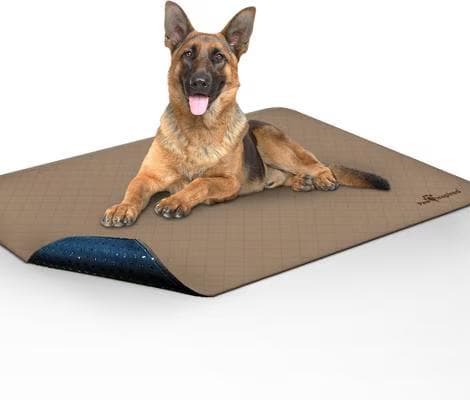
Count actual changes for several typical days, including a more active day and an overnight period. Multiply the highest safe daily number by the time required to wash and fully dry reusable units. Add clean backup stock for a leak, travel, or delayed laundry. The goal is to make a prompt change easy, not to stretch a product to the end of its advertised capacity. A Paw Inspired Washable Dog Pee Pad can add a reusable surface layer during laundry or diaper-free breaks when its dimensions fit the area.
- Keep clean diapers separate from used garments and laundry containers.
- Store a soft cloth, warm water, and a dry towel at the normal change location.
- Pack extra changes, sealable disposal or laundry bags, and a washable surface cover for travel.
- Write the veterinarian’s phone number and the dog’s cycle observations where every caregiver can find them.
If more than one person cares for the dog, agree on who checks, changes, exercises, and maintains barriers. Record the last change time and skin finding. Shared routines reduce the chance that each caregiver assumes someone else has already checked the garment.
For diaper-free breaks and protected resting areas, Paw Inspired Washable Dog Pee Pads and the Pet Parents Pawtect Waterproof Dog Blanket offer reusable surface layers. Use them to support frequent skin checks, not to postpone changing a wet or soiled diaper.
Skin care during a dog's heat cycle

Gently wipe visible discharge with a soft cloth dampened with warm water, then pat the vulvar and inner-thigh area dry. Avoid aggressive scrubbing, scented wipes, douches, and repeated washing that irritates normal tissue. Ask a veterinarian before applying any cream because the dog may lick it.
Provide supervised diaper-free time in a room separated from intact males. Use a washable pad or towel on the floor, allow air to reach the contact area, and watch for persistent licking. A brief period of normal self-grooming can be expected, but continuous licking plus redness, swelling, pain, or odor needs veterinary advice.
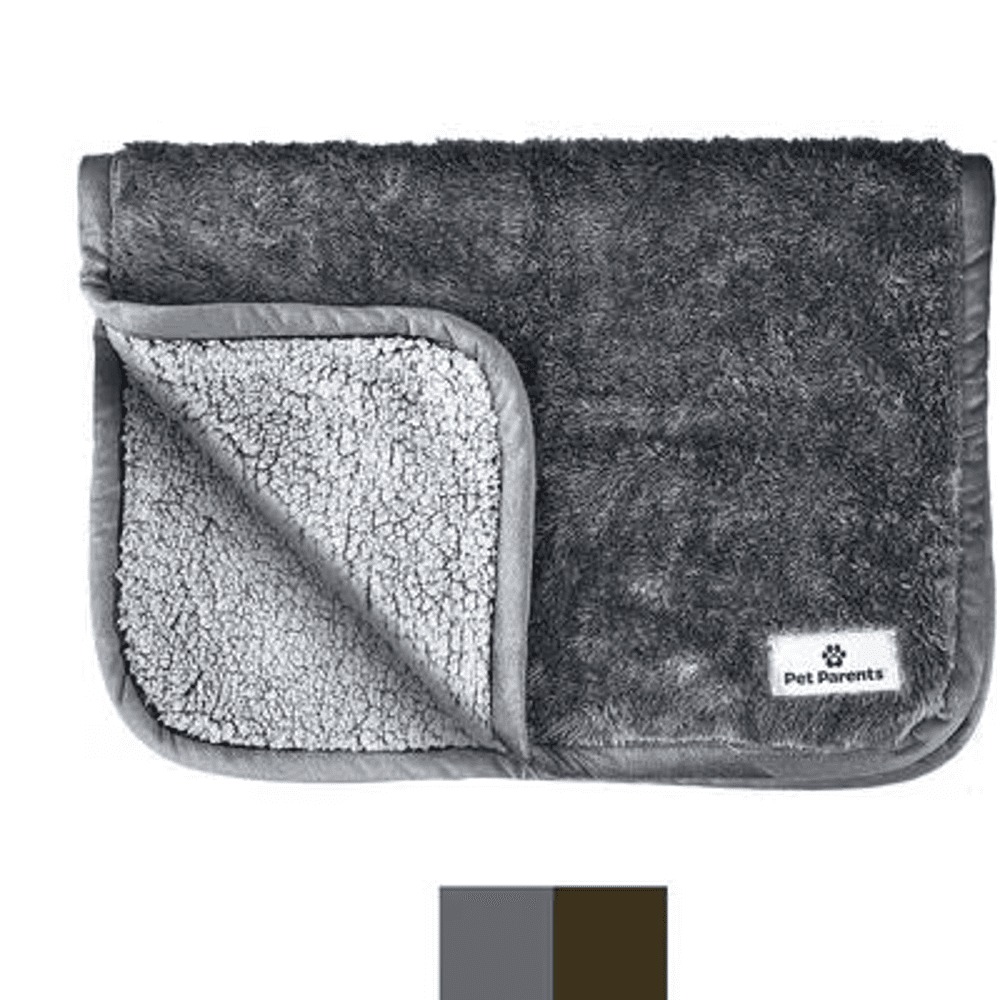
A plush, waterproof sherpa blanket that gives a cold or shivering dog a warm, cozy layer to curl into. The hidden waterproof lining protects the bed, couch, or car seat, and the whole thing is machine washable.
Webvet may earn a commission when you click through to Chewy, at no extra cost to you.
Stop using the current product and contact the clinic if skin becomes raw, develops sores, or remains damp despite frequent changes. A different cut may reduce friction, but illness, abnormal discharge, or dermatitis should not be treated by buying a more absorbent diaper.
HICC PET Deodorizing Cat & Dog Glove Wipes can be considered for outer-coat cleanup only as the label directs. Do not use fragranced wipes on raw skin or sensitive tissue, and do not let a wipe replace warm water, full drying, frequent diaper changes, or veterinary care for abnormal discharge.
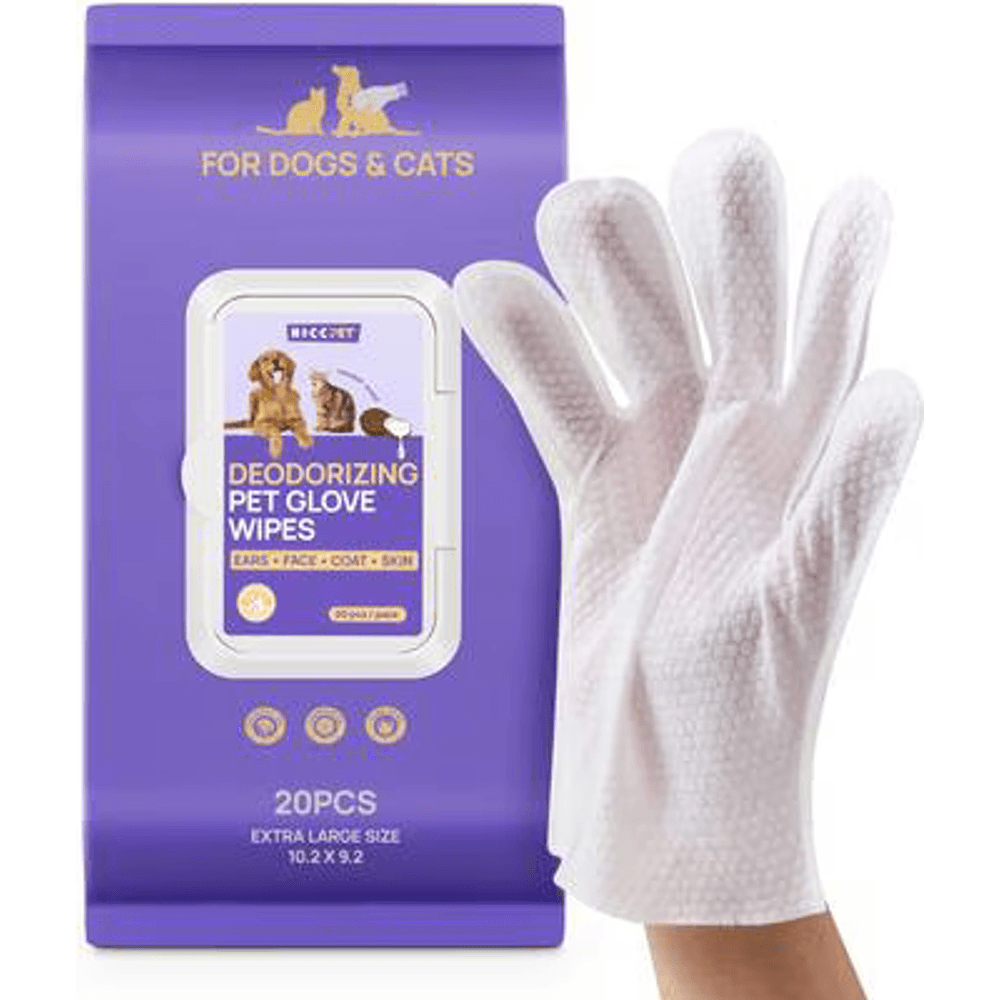
Wearable glove wipes that let you freshen and wipe down a dog's or cat's coat and skin without a full bath, while a fabric layer stays between your hand and the pet.
Webvet may earn a commission when you click through to Chewy, at no extra cost to you.
Can a dog wear a heat diaper overnight?
Overnight use may be possible for a healthy dog who tolerates the garment, has light enough discharge, and can be checked promptly. Put on a fresh diaper immediately before bed, protect the bedding as backup, and perform a morning skin and moisture check as soon as the dog wakes. If the diaper saturates before morning, overnight wear is not safe without additional checks. For washable bedding backup, compare the Pet Parents Pawtect Waterproof Dog Blanket dimensions and care instructions before overnight use.
A young, anxious, chewing, heavily discharging, or skin-sensitive dog may be safer in a secure easy-to-clean room with washable bedding instead. Never leave a dog wearing a diaper where an intact male can reach her.
Licking and hygiene during heat
Should you let a dog lick herself during heat? Brief normal self-grooming is usually different from persistent, frantic, or painful licking. Redirect prolonged licking, remove a damp diaper, inspect the skin, and call the veterinarian if licking accompanies redness, swelling, strong odor, pus-like discharge, pain, or illness.
Do not use a tight diaper as a physical licking barrier. It can trap the very moisture or irritation that prompted the behavior. If the veterinarian recommends a recovery collar or another barrier, use the prescribed device and continue skin checks.
Exercise, travel, and visitors during heat
A dog in heat still needs movement and enrichment, but the plan must prevent escape and contact with intact males. Use a well-fitted leash and harness for outdoor breaks, choose quiet routes, and avoid dog parks, daycare, shared off-leash areas, and greetings with unfamiliar dogs. A diaper does not make those settings safe. For supervised indoor or travel cleanup, compare the current full-coverage fit chart for Hartz Comfitables Male & Female Dog Diapers; the garment still provides no pregnancy prevention or access control.
For car travel, place a waterproof layer beneath a washable blanket and carry more clean diapers than the expected number of changes. Stop in a secure location for toileting and a skin check. Never open a vehicle door until the leash is attached, and do not leave the dog unattended in a vehicle.
- Tell visitors not to open exterior doors, gates, or the dog’s secure room.
- Keep an intact male dog behind a separate closed door and sturdy barrier, not merely across the same room.
- Schedule calm indoor enrichment such as food puzzles and short training sessions away from the male dog.
- Remove the diaper for outdoor toileting, then clean and dry the dog before fitting a fresh one.
Stress, restlessness, appetite changes, or increased attention-seeking can occur during heat, but severe lethargy, collapse, pain, vomiting, or refusal to eat is not a diaper-management issue. Contact the veterinarian when behavior changes suggest illness.
When to call the veterinarian during a heat cycle
Call the veterinarian whenever the dog’s condition does not look like her usual heat cycle. Describe the first day of visible signs, the current discharge color and odor, appetite, drinking, urination, temperature if safely measured, energy, and possible contact with a male. Those observations are more useful than saying only that the diaper filled quickly.
- Urgent urinary signs: straining, repeated attempts with little urine, blood in urine, pain, or inability to urinate.
- Systemic illness: fever, marked lethargy, collapse, vomiting, abdominal pain, or refusal to eat.
- Abnormal discharge: pus-like material, foul odor, unexpectedly heavy flow, or discharge continuing outside the expected cycle.
- Possible pregnancy exposure: any unsupervised contact or mating with an intact male.
Remove the diaper for examination unless the clinic asks you to bring the used garment or a photo of the discharge. Do not insert anything into the vulva, use a douche, or give leftover medication. A diaper can obscure volume and odor, so direct observation during changes helps the clinician understand what has changed.
After visible heat signs end
Continue secure separation for the timeframe your veterinarian recommends because visible discharge is not a reliable pregnancy-risk endpoint. Wash reusable diapers according to their labels, dry them completely, and store them clean. Discard damaged disposables and replace any reusable garment with stretched closures, rough seams, or absorbency that no longer performs as expected.
Review what worked before the next cycle: best-fitting size, changes on light and heavy days, skin-sensitive areas, escape attempts, and the number of clean units actually used. If future breeding is not planned, discuss spaying timing and benefits with the veterinarian rather than treating repeated diaper management as pregnancy prevention.
An example daily heat-diaper routine
A routine should flex with discharge and the individual dog, but a written sequence helps caregivers avoid missed checks. After waking, remove the overnight protection, offer a secure leashed toilet break, inspect and dry the skin, and fit a clean diaper only if indoor spotting still needs management.
- Morning: observe discharge, appetite, urination, energy, and the vulvar and inner-thigh skin.
- After meals, drinking, exercise, or rest: inspect the diaper and replace it at the first sign of dampness or shifting.
- Midday diaper-free break: use a secure easy-to-clean room and maintain separation from intact males.
- Evening: wash reusable units, prepare overnight surface protection, and record any change from the dog’s baseline.
This is a sequence of triggers, not permission to wait from morning until midday with a damp garment. Check sooner whenever the dog is active, licking, restless, warm, or producing heavier discharge. A dog with abnormal signs follows a veterinary plan, not a household schedule. Every caregiver should know where clean supplies are stored and which observations require an immediate call.
Keep outdoor toileting separate from diaper use. Remove the garment before the dog squats, prevent contact with male dogs, and fit a fresh diaper only after the vulvar area and coat are clean and dry. Reusing a diaper that touched wet grass or urine can trap new moisture against the skin.
What not to do with a dog in heat
- Do not treat a diaper as pregnancy prevention or allow contact with intact males because she is covered.
- Do not leave her unattended outdoors, rely on a fence alone, or use off-leash exercise in an unsecured area.
- Do not leave a damp or soiled diaper in place to save products or laundry.
- Do not punish spotting, licking, restlessness, or changes in attention-seeking behavior.
- Do not mask foul odor, pain, fever, lethargy, vomiting, or abnormal discharge with a scented product.
Seek veterinary care for foul-smelling, pus-like, unusually heavy, or persistent discharge, marked lethargy, poor appetite, vomiting, abdominal pain, fever, excessive thirst, or symptoms after the expected cycle. Those findings can signal disease rather than routine heat.
Alternatives to heat diapers
An alternative to diapers for dogs in heat is a secure, easy-to-clean room with washable pads, waterproof furniture covers, and frequently changed bedding. For some dogs, this reduces rubbing and gives the skin more air while still protecting the home.
- Use washable pads on the dog’s usual resting areas and replace them when spotted.
- Cover upholstery with a waterproof layer beneath a washable blanket.
- Limit access to carpeted rooms with a secure gate while maintaining companionship and exercise.
- Use close leash supervision outdoors and keep the female physically separated from intact males.
If you need an emergency garment until a commercial fit arrives, the DIY dog diaper guide covers temporary construction and safety checks. Avoid pins, tight elastic, tape on fur, and any design the dog can tear apart and swallow.
The bottom line
Dog diapers for heat are useful for discharge management when they fit, stay dry, and are paired with secure supervision. They do not alter the cycle, prevent mating, or replace veterinary care. Measure carefully, observe the dog in motion, change at the first sign of dampness or soiling, and provide regular diaper-free skin checks.
If discharge looks or smells abnormal, the dog seems ill or painful, or heat timing is uncertain, call the veterinarian. If the only problem is household spotting, choose the simplest safe system that keeps the dog comfortable, the skin dry, and intact males completely separated.
Heat-diaper questions dog owners ask
Frequently Asked Questions
Should I put diapers on my dog in heat?
A dog in heat may wear a correctly fitted diaper to collect discharge indoors when she tolerates it and someone can supervise frequent changes. The diaper is a cleanliness tool only: it does not prevent pregnancy, replace secure separation from intact males, or justify delaying care for foul-smelling discharge, fever, pain, weakness, or other abnormal signs.
What is the best diaper for a female dog in heat?
The best heat diaper provides full rear coverage, stays centered during normal movement, and can be changed often without rubbing the waist, legs, or tail opening. Compare current brand size charts rather than relying on small, medium, or large labels. Choose disposable or washable based on discharge, laundry access, travel, and the number of clean changes available.
Can a dog wear a diaper overnight?
A dog can wear a heat diaper overnight only with a fresh, dry garment, correct fit, a late toilet break, and a plan for prompt checks and changes. Overnight use is not an all-night guarantee. Remove the diaper immediately if it becomes wet, twisted, tight, or irritating, and provide diaper-free time and a skin check in the morning.
Should I let my dog lick herself during heat?
Brief normal grooming can be expected during heat, but persistent licking may signal moisture, friction, skin irritation, urinary discomfort, or abnormal discharge. Do not use the diaper simply to block all grooming. Remove it for supervised cleaning and skin checks, dry the coat fully, and call the veterinarian if licking is intense or accompanied by odor, swelling, pain, or illness.
How long should you keep a diaper on a dog in heat?
Keep a heat diaper on only until the next scheduled inspection or until it becomes damp, soiled, displaced, or uncomfortable, whichever comes first. Discharge amount, activity, temperature, and fit change the safe interval, so a fixed number of hours is unreliable. Use frequent inspection, prompt changes, normal toilet breaks, and daily diaper-free skin time throughout the heat cycle.
$65 · no membershipHave a health question about your dog?
A licensed vet can assess your dog over video and prescribe online when it's appropriate.
Talk to a vet- Licensed vets
- All 50 states
- same-day Rx
Webvet may earn a commission if you book.

Editor
The Webvet Editorial Team is the in-house group of pet-care editors and writers behind Webvet, operated by Smart Pet Collective. The team researches, writes, and maintains Webvet's pet health, behavior, and medication content. Every article follows a defined editorial process: research from reputable veterinary and scientific sources, careful drafting, mandatory review of medical content by a credentialed veterinarian, and dated publication. Health and medication articles are medically reviewed by a licensed veterinary professional before they go live and are kept current over time.
Veterinarian · BVMS MRCVS
Dr. Pippa Elliott, BVMS, MRCVS, is a veterinarian with nearly 30 years of experience in companion animal practice. Dr. Elliott earned her Bachelor of Veterinary Medicine and Surgery from the University of Glasgow. She was also designated a Member of the Royal College of Veterinary Surgeons. Married with 2 grown-up kids, Dr. Elliott has a naughty Puggle named Poggle, 3 cats and a bearded dragon.


