DIY Dog Diaper: Safer Homemade Options and Limits
A DIY dog diaper can provide short supervised protection while you obtain a proper product. Learn a no-sew method, safer materials, fit checks, and when homemade coverage is not enough.

BVMS MRCVS
Medically reviewed by Dr. Pippa Elliott, BVMS MRCVS · Last reviewed

This article contains affiliate links. Webvet may earn a commission when you buy through them, at no extra cost to you.
A DIY dog diaper can provide short, supervised protection while you obtain a properly fitted product, but it should not become an unsupervised long-term solution. Use soft clean material, keep fasteners and loose threads away from the dog, place absorbency over the correct anatomy, and remove the diaper as soon as it is wet or soiled.
The safest simple method uses a soft cotton infant garment or small T-shirt as a temporary shell with a removable absorbent insert. The dog must be able to walk, sit, breathe, and toilet normally when the diaper is off. Sudden urine or stool leakage still needs veterinary attention because a homemade garment manages mess, not the cause.
Temporary dog diaper materials you can use
What can you use if you do not have dog diapers? Begin with a clean, breathable fabric that is large enough to wrap without stretching tightly. A cotton infant bodysuit, soft T-shirt, or simple cloth shell is easier to inspect than a narrow sock or bulky towel. Use a separate unscented absorbent insert so the wet layer can be removed promptly.

- Soft cotton infant bodysuit or T-shirt: useful as a washable temporary shell.
- Unfragranced absorbent pad or liner: trim only if the product allows safe trimming and no absorbent material escapes.
- Blunt fabric scissors: used away from the dog to create a smooth tail opening.
- Flexible measuring tape: confirms waist, rise, and tail position before fitting.
- Washable waterproof bedding: protects the resting surface during diaper-free time.
Avoid safety pins, staples, rubber bands, string, tape against fur, tight socks, rough seams, loose buttons, and anything the dog can swallow. Do not put adhesive directly on skin or coat. If a material smells strongly of detergent, fragrance, solvent, or another chemical, wash and rinse it before use or choose something else.
Webvet may earn a commission when you click through to Chewy, at no extra cost to you.
A DIY dog diaper with a sock, towel, shirt, or pad is only a supervised stopgap. Avoid loose threads, pins, tight elastic, adhesive on fur, plastic without ventilation, and any material the dog may chew. Use the lowest-contact option that contains the observed leak while allowing normal breathing, movement, and toilet breaks.
How to make a no-sew shirt dog diaper
A no-sew DIY dog diaper works best as a supervised cotton shell. Choose a clean garment with enough fabric to cover the rump and overlap comfortably at the waist. Measure the waist immediately in front of the hind legs and check the rise from that point under the belly to the same point on the opposite side.
- 1Shirt placement: center soft fabric over the rump without twisting or pulling across the abdomen.
- 2Absorbent insert: position a removable pad over the urine source, not simply in the middle of the garment.
- 3Fit check: confirm the tail opening, leg clearance, two-finger waist space, and normal movement.
- Lay the garment flat and identify the section that will cover the dog's rump. Keep seams and thick hems away from pressure points.
- Mark the tail base while the garment is held loosely against the standing dog, then remove the garment before cutting.
- Cut a small opening and smooth every edge. Start smaller than the final opening because an oversized hole can gape or tear.

- Place the absorbent insert inside the fabric where it covers the urethral opening. Keep it flat and fully contained.
- Wrap the garment around the dog without pins or constricting ties. Use only the garment's original safe closures when they sit beyond chewing reach.
- Perform the movement and skin check. Remove the diaper immediately if it twists, drags, restricts a leg, pulls the tail, or invites chewing.

How do you make a homemade doggy diaper safely? The important work is not the cut itself. The useful result is smooth, removable, correctly placed, and easy to inspect. If the garment needs tight knots, improvised pins, or repeated tugging to remain on, stop and use surface protection until a safer option is available.
Webvet may earn a commission when you click through to Chewy, at no extra cost to you.
Use the dog diaper sizes guide to confirm waist, rise, tail opening, and movement. A homemade shell still needs the same basic fit checkpoints as a purpose-built product.
 $65 · no membership
Have a health question about your dog?
A licensed vet can assess your dog over video and prescribe online when it's appropriate.
 Talk to a vet
- Licensed vets
- All 50 states
- same-day Rx
Webvet may earn a commission if you book.
Adjust the temporary diaper for sex and body shape
A DIY female dog diaper needs absorbency beneath the vulva and enough rear coverage for heat discharge or urine leakage. A DIY male dog diaper or wrap must extend far enough forward to cover the penis. A garment centered only over the rump may look like a diaper while missing the source of urine entirely.

Female dogs and dogs in heat
For a female dog, keep the insert flat beneath the rear absorbent zone and align the tail opening without pulling. A DIY dog diaper for heat only manages discharge. It does not prevent mating or pregnancy, so physical separation from intact male dogs remains essential.
Male dogs
For a male dog, a soft temporary belly wrap may be more anatomically appropriate than a full rear diaper when the need is urine only. It must cover the penis while staying clear of the hind legs. Do not cinch a sock, elastic band, or narrow strip around the abdomen.
Large, long, or tapered dogs
A DIY big dog diaper needs more fabric and a longer rise, not tighter fastening. Long-backed dogs may pull a short shell forward, while a tapered waist can let loose fabric slide backward. If the garment cannot stay aligned during a calm indoor walk, use pads and washable bedding instead of adding unsafe tension.
Webvet may earn a commission when you click through to Chewy, at no extra cost to you.
Sock, pad, towel, and baby-diaper options
Common homemade materials have different limits. A sock may suit a tiny temporary male wrap only when opened into a broad, nonconstricting panel; an intact sock can tighten dangerously. A pee-pad dog diaper can bunch, shed absorbent material, or place adhesive against the skin, so a pee pad is usually safer as an insert or surface layer. A towel is usually too bulky for a wearable diaper. A baby-diaper dog conversion needs a tail opening cut before the product goes near the dog, with loose filling and sharp edges fully covered. Never cut any material while it is on the dog, and use these options only as short, supervised bridges.
| Material | Best temporary use | Main limitation |
|---|---|---|
| Cotton infant garment or T-shirt | Soft supervised shell with removable insert | May stretch, twist, or lack reliable absorbent placement |
| Pee pad or diaper liner | Flat insert inside a secure shell or surface protection | Can bunch, expose filling, or be chewed if left loose |
| Baby diaper | Very short supervised emergency bridge | Human shape, no dog tail opening, and exposed layers if cut |
| Sock | Generally avoid as a wearable diaper | Narrow elastic can constrict and placement is unreliable |
| Towel | Washable bedding or surface layer | Too bulky and unstable for most wearable uses |
How to use a pee pad as a temporary insert
To make a diaper for a dog out of a pee pad, use the pad as a flat insert inside a secure cloth shell rather than wrapping the entire pad around the dog. Fold it only along intact edges and place the absorbent area over the urine source. Do not cut a pad if cutting exposes loose absorbent fibers or gel. For surface protection instead of a cut insert, compare the intact Paw Inspired Washable Dog Pee Pad with the dog's resting area. For a purpose-built disposable insert instead of cutting a pee pad, PAWPANG Disposable Dog Diaper Liners, Medium, 100 count is one option for a compatible reusable shell; do not trim it or use it if the medium size bunches.
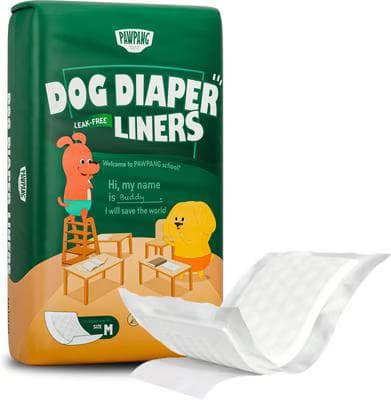
A convenient 100-count liner option for adding absorbency to a correctly fitted washable dog diaper or belly band.
Webvet may earn a commission when you click through to Chewy, at no extra cost to you.
The insert must not extend into the leg openings, curl against the skin, or protrude where the dog can chew it. Replace it promptly when damp. A washable pee pad is often better used beneath the dog, especially during sleep or when a wearable shell will not stay safely aligned.
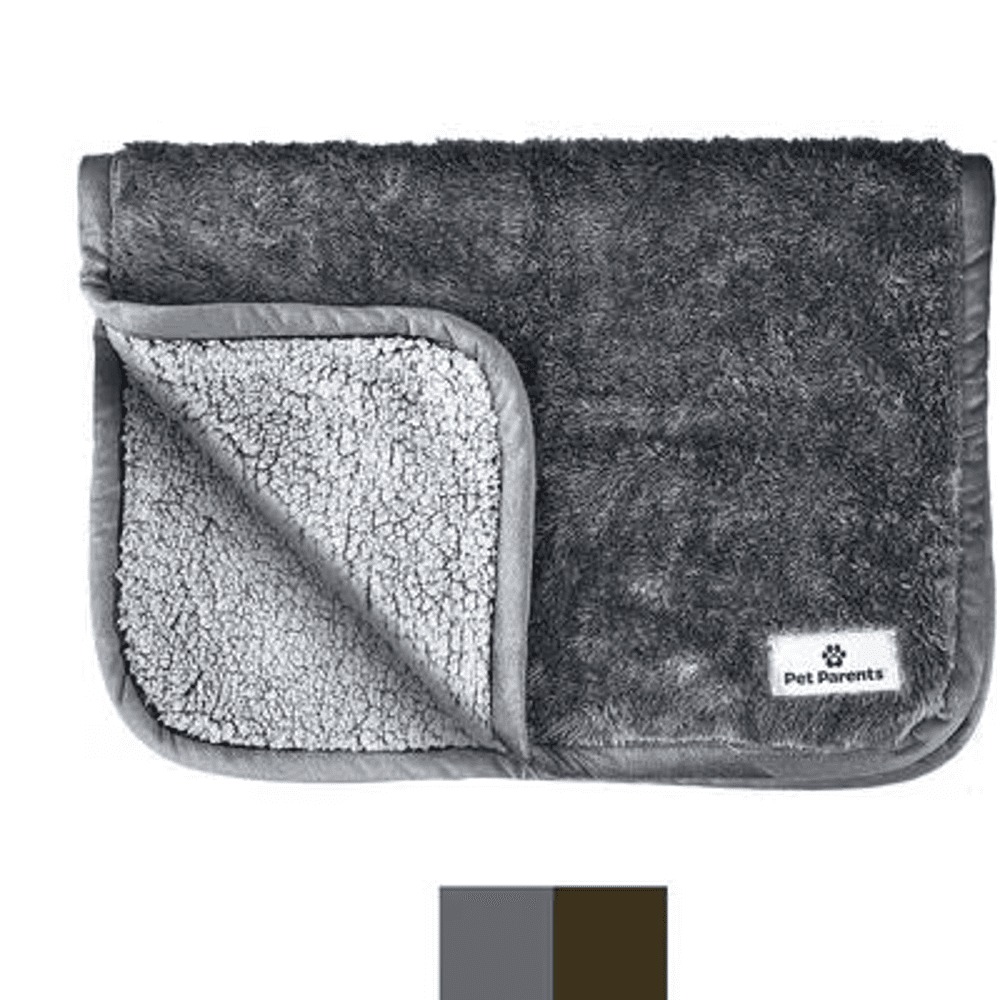
A plush, waterproof sherpa blanket that gives a cold or shivering dog a warm, cozy layer to curl into. The hidden waterproof lining protects the bed, couch, or car seat, and the whole thing is machine washable.
Webvet may earn a commission when you click through to Chewy, at no extra cost to you.
For DIY dog diaper with pad variations, keep the absorbent layer flat and fully inside a soft shell. Do not wrap a towel or pad tightly around the abdomen or expose cut absorbent material. Replace the insert when damp, and inspect the tail hole, leg openings, and skin barrier at every change.
How to adapt a baby diaper temporarily
Can you use baby diapers for a dog? Only as a short supervised improvisation, because the human shape and weight label do not translate cleanly. Hold the diaper against the dog to mark the tail base, remove it, and cut the smallest smooth opening that allows the tail through without pulling.
Cover or discard any diaper with exposed filling, rough plastic edges, torn elastic, or weakened seams. Never choose by infant weight alone. If the absorbent core does not align with the dog's anatomy, a larger tail hole or tighter tabs will not correct the design mismatch.
Fit, supervision, and skin-safety limits
Can you make a dog wear diapers? A dog can be gradually conditioned to tolerate a comfortable garment, but the diaper should not be forced onto a frightened, painful, or struggling dog. Begin with a brief dry fit, reward calm behavior, and remove it before the dog becomes distressed.

- Two fingers slide under the waist without force and the fabric does not compress the abdomen.
- The dog walks, sits, turns, and lies down without shortening the stride or freezing.
- The tail opening surrounds the tail base without pulling, gaping, or rubbing.
- The absorbent insert stays flat over the correct anatomy and does not enter the leg openings.
- Skin and coat are clean and dry at every change, with regular diaper-free time.
- The dog cannot chew or swallow fabric, liner material, fasteners, or loose threads.
Persistent wetness can contribute to skin irritation and urine scald. The dog diapers safety guide explains hygiene and reasons to contact a veterinarian. Seek care for raw skin, odor, discharge, pain, straining, blood, weakness, or sudden incontinence.
Use a two-finger fit at the waistband, center any tail hole, and verify that the absorbent panel covers the leak without bunching. Change the homemade garment promptly, dry the coat completely, and stop at redness, urine scald, pressure, chewing, or distress. Sex-specific anatomy determines where absorbency belongs; one pattern cannot fit every dog.
If the homemade diaper keeps slipping off
First recheck waist, rise, and anatomy-specific coverage. A slipping diaper is often too large, too short, twisted, or shaped poorly for the dog. Do not solve that problem by tightening string, elastic, or a harness across the abdomen.
Retention systems need their own fit and movement checks. The dog diaper suspenders guide covers purpose-built suspenders and harness-style retention. If a temporary shell requires an escape-proof DIY rig to function, switch to surface protection until a proper garment is available.
When pads and washable bedding work better
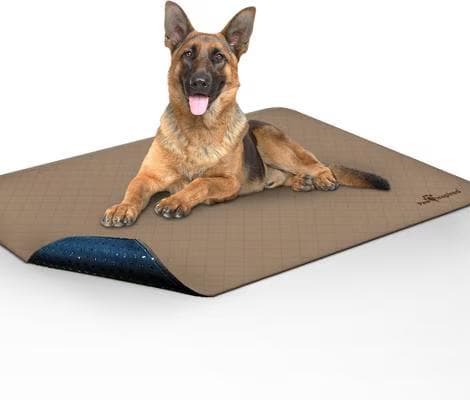
What can you use instead of a dog diaper? A washable pee pad, waterproof blanket, layered towel, or easy-clean resting area may protect the home without keeping moisture against the body. Surface protection is often the safer choice during sleep, for a dog who chews clothing, or when mobility makes garment changes painful. One washable bedding layer to compare is the Pet Parents Pawtect Waterproof Dog Blanket, sized so it lies flat without loose tripping edges.
Take the dog outside on the normal schedule and preserve opportunities to eliminate without a diaper. For a dog with new accidents, increased thirst, straining, pain, weakness, diarrhea, or loss of bowel control, arrange veterinary evaluation rather than expanding the homemade system.
When a homemade reusable diaper is not enough
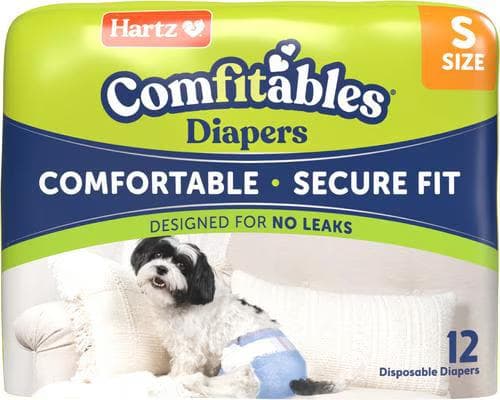
A DIY cloth dog diaper may be washable, but washable does not mean suitable for repeated wear. Fabric without a stable waterproof layer can soak through, while a waterproof layer without breathability can trap warmth and moisture. Uneven seams and improvised closures also become more irritating over time. If a purpose-built disposable full diaper is the safer next step, compare the current fit chart for Hartz Comfitables Male & Female Dog Diapers before buying a larger supply.
Homemade diaper tradeoffs
Pros
- Can bridge a short gap while a proper size is obtained
- Uses familiar washable materials
- Can be adjusted for a brief supervised fit test
Cons
- Absorbency and leak control are unpredictable
- Loose fabric can twist, chafe, or become a chewing hazard
- Frequent use can hold moisture against the skin
- It cannot treat the cause of urine or stool leakage

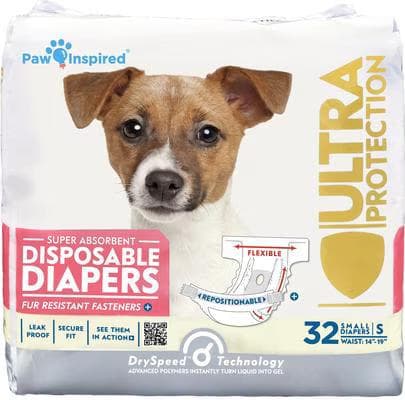
For a lower-contact backup, Paw Inspired Washable Dog Pee Pads and the Pet Parents Pawtect Waterproof Dog Blanket protect a rest area without improvised elastic or pins. A compatible washable shell may also use PawPang Dog Diaper Liners, but any liner must stay flat and fully inside the garment.
Compare recurring laundry, fit, travel, and disposal needs in the reusable versus disposable dog diapers guide. Replace the homemade option when it leaks repeatedly, shifts during movement, causes rubbing, requires unsafe fasteners, or will be used without direct supervision.
Purpose-built alternatives to compare with a temporary DIY garment include Hartz Comfitables Male & Female Dog Diapers and Paw Inspired Ultra Protection Disposable Female Dog Diapers. Check anatomy, the current size chart, tail opening, and fastener placement rather than assuming either will fit every dog.
DIY dog diaper questions
Frequently Asked Questions
How to turn a tshirt into a dog diaper?
Use a clean soft shirt only as a short supervised wrap, position absorbent material where the leak occurs, and tie or fold the fabric without pins, tight elastic, cords, or pressure on the abdomen. Confirm a two-finger fit and normal walking, sitting, breathing, and toileting. Change it promptly and replace the temporary shirt diaper with a safer fitted system.
What can I use if I don't have dog diapers?
For temporary management, use a washable pad, waterproof bedding, an easy-clean rest area, frequent toilet trips, or a carefully fitted soft garment when body-worn coverage is truly necessary. Choose the lowest-contact option that contains the observed accident. New incontinence, pain, blood, weakness, diarrhea, or increased thirst still needs veterinary evaluation rather than a homemade product alone.
How to make a diaper for a dog out of a pee pad?
A pee pad is safer as a flat temporary insert inside a secure soft shell than as a tightly taped garment. Keep every absorbent edge fully contained, avoid adhesive on fur or skin, and confirm that the pad does not bunch, shift, or block normal movement. Supervise continuously, change it when damp, and stop if the dog chews or resists.
Can I use baby diapers for my dog?
A baby diaper can be a short-term supervised stopgap, but human proportions do not match canine anatomy. The waist, rise, leg openings, absorbent panel, and any cut tail hole may sit incorrectly or expose filling. Never use pins or tight elastic. Check movement and skin often, change promptly, and switch to a purpose-built product or surface protection as soon as possible.
$65 · no membershipHave a health question about your dog?
A licensed vet can assess your dog over video and prescribe online when it's appropriate.
Talk to a vet- Licensed vets
- All 50 states
- same-day Rx
Webvet may earn a commission if you book.

Editor
The Webvet Editorial Team is the in-house group of pet-care editors and writers behind Webvet, operated by Smart Pet Collective. The team researches, writes, and maintains Webvet's pet health, behavior, and medication content. Every article follows a defined editorial process: research from reputable veterinary and scientific sources, careful drafting, mandatory review of medical content by a credentialed veterinarian, and dated publication. Health and medication articles are medically reviewed by a licensed veterinary professional before they go live and are kept current over time.
Veterinarian · BVMS MRCVS
Dr. Pippa Elliott, BVMS, MRCVS, is a veterinarian with nearly 30 years of experience in companion animal practice. Dr. Elliott earned her Bachelor of Veterinary Medicine and Surgery from the University of Glasgow. She was also designated a Member of the Royal College of Veterinary Surgeons. Married with 2 grown-up kids, Dr. Elliott has a naughty Puggle named Poggle, 3 cats and a bearded dragon.


