Do Cats Fart? What's Normal and What's Not
Cats do fart, although noticeable gas is usually infrequent. Learn what affects sound and smell, when flatulence points to a digestive problem, and what to record before calling your veterinarian.

BVMS MRCVS
Medically reviewed by Dr. Pippa Elliott, BVMS MRCVS · Last reviewed

This article contains affiliate links. Webvet may earn a commission when you buy through them, at no extra cost to you.
Do cats fart? Yes. Cats pass intestinal gas just as other mammals do, but most owners notice it only occasionally. A brief, isolated episode in a comfortable cat may be normal. Frequent gas, a sudden change, very foul odor, or flatulence with digestive or whole-body symptoms deserves attention.
Sound and smell cannot diagnose the cause. The safest way to judge cat farting is to look at frequency, food changes, stool, appetite, weight, pain, bloating, vomiting, and behavior together.
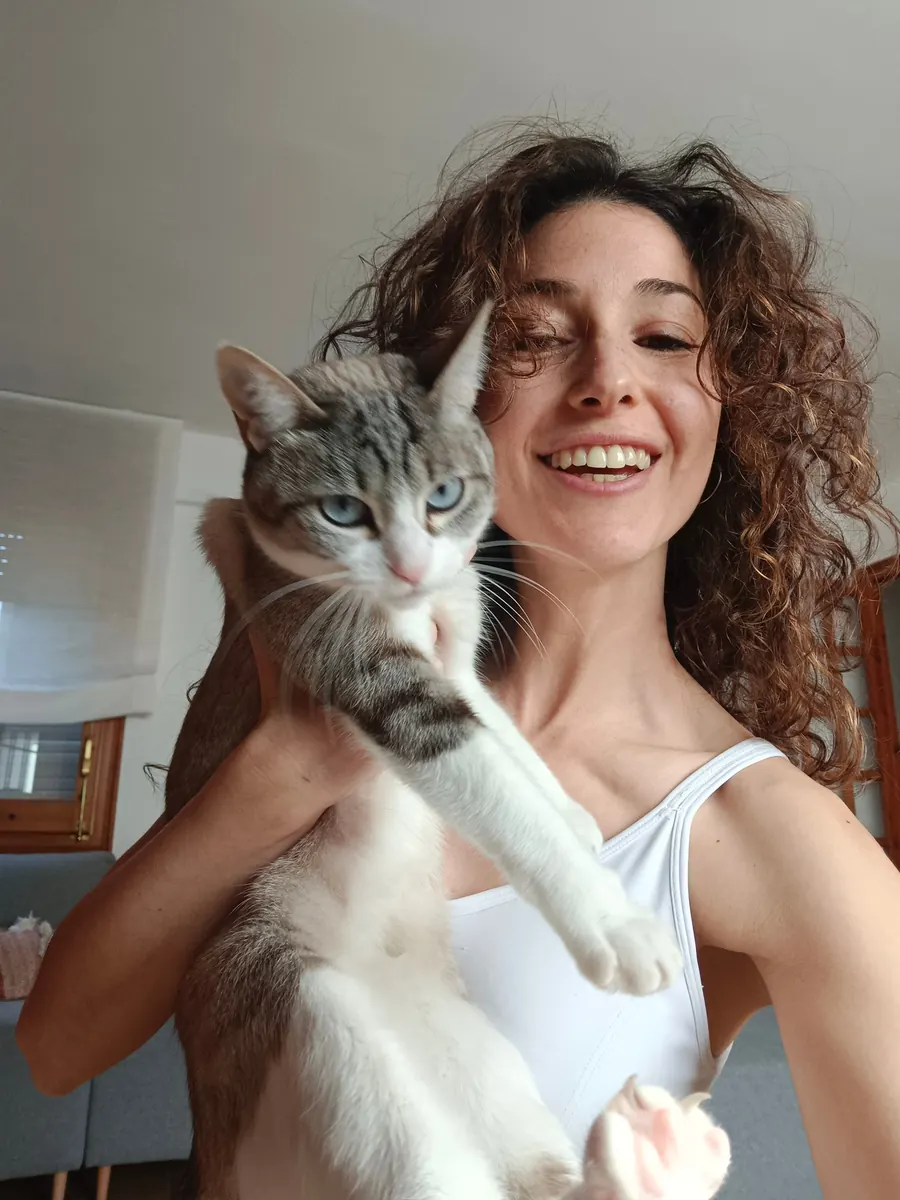
 Sponsored
Want a vet's take on your cat's upset stomach?
Talk to a licensed vet at Dutch over video, often the same day. They can recommend treatment and prescribe it when it's appropriate.
Use code Pets60
Plans start at $12/month · covers up to 5 pets
- Licensed vets in most states
- Rx for 150+ conditions
- 4.7 on Trustpilot
Do cats fart?
Cats fart, but frequent noticeable flatulence is uncommon. Track changes from your cat's usual pattern and call your veterinarian when gas persists or appears with diarrhea, vomiting, appetite loss, pain, bloating, weight loss, or lethargy. Owners should track food changes, stool, frequency, odor, appetite, and other symptoms. A dated record is more useful than odor alone.
Feline flatulence is gas leaving the intestinal tract through the rectum. Gas can enter when a cat swallows air, and it can form as intestinal microbes break down food. In plain language, cats pass intestinal gas, and noticeable flatulence is usually infrequent. Cat farting and cat flatulence describe the same basic process, but a new or persistent pattern needs clinical context rather than a joke or a smell-based diagnosis. Sound and odor can describe what happened, while frequency and accompanying signs determine whether monitoring or veterinary assessment is more appropriate.
The direct answer applies to kittens and adult cats. It also explains why some owners believe cats never fart: a small amount of gas may pass quietly and go unnoticed. Cats do not need to produce a dramatic sound for flatulence to occur.
If a veterinarian recommends microbiome support, a dog-and-cat probiotic is one option to discuss.
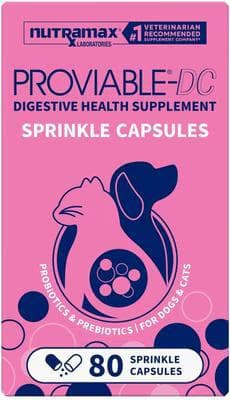
Multi-strain probiotic plus prebiotic sprinkle capsules for dogs and cats; supports digestive balance during diarrhea, diet changes, and antibiotic courses.
Webvet may earn a commission when you click through to Chewy, at no extra cost to you.
The PetMD veterinary guide to feline flatulence notes that cats can pass gas, although frequent gas is not considered typical. Diet changes, food intolerance, intestinal parasites, infection, inflammatory bowel disease, and problems absorbing nutrients are among the possible contributors. Those possibilities overlap, so odor or frequency alone cannot identify which one is present.

Occasional gas is more reassuring when the cat is otherwise acting normally, eating and drinking, maintaining weight, passing normal stool, and showing no sign of abdominal pain. Even then, a clear new pattern is worth recording.
How often do cats fart, and can you hear it?
There is no reliable universal number of normal cat farts per day. Owners usually cannot count every episode, and published veterinary guidance does not set a daily quota. A change from the individual cat's baseline is more useful than an exact number.
How often does a cat fart?
An occasional episode may happen after a diet change, faster eating, or a minor digestive disruption. Repeated gas every day, gas that wakes the household, or a clear increase over several days is different. Ask whether the change coincided with:
- a new food or treats
- scavenging or table scraps
- a new medication or supplement
- diarrhea or constipation
- reduced appetite
There is no universal daily count for how often a cat should fart. A healthy baseline can be so quiet that an owner never notices it. Record the number of noticeable episodes only as a trend, then compare it with stool, appetite, comfort, and any recent diet change. That combined record is more useful than deciding that one particular count is normal.
Can cats fart out loud?
Yes, a cat fart can make noise. Sound depends on how much gas is present, how quickly it passes, body position, and the tissues it moves through. Loudness does not automatically mean the problem is severe. A silent episode can still smell, and an audible episode can still be isolated and harmless.
Can cats fart out loud enough for a person to hear? They can, but sound alone does not separate normal gas from disease. A newly frequent pattern, a painful posture, diarrhea, vomiting, reduced appetite, or weight loss matters more than volume. Note what the cat was doing and whether the event repeats before drawing a conclusion.
A cat-specific probiotic supplement or a slow feeder bowl may fit a veterinarian-guided feeding plan.
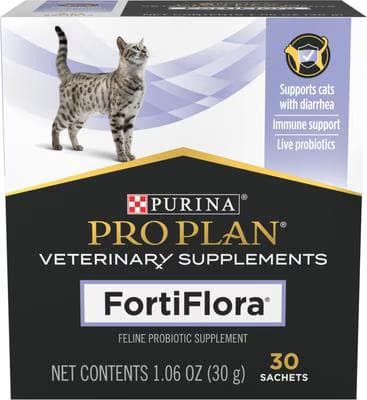
The #1 vet-recommended probiotic for cats. Daily powder sachets support healthy digestion and firmer stools, and can help cats coping with diarrhea or GI upset.
Webvet may earn a commission when you click through to Chewy, at no extra cost to you.
Why do cats fart silently?
Cats often fart silently because a small amount of gas can pass slowly without making an audible sound. Silence also explains why owners may first notice odor and assume it came from stool, anal glands, soiled bedding, or another source.
Silent feline gas still follows the same digestive pathway as audible gas. The absence of noise does not make it more dangerous or more harmless. Use frequency and accompanying symptoms to judge the pattern. If the odor appears without an observed fart, also check whether the source could be stool, soiled fur, anal-area disease, or the environment.
Gas may pass during ordinary moments, including:
- being picked up or petted
- sleeping or feeling scared
- using the litter box
Pressure and body position may make already-present gas move, so do not assume the behavior is intentional. Cats do not use flatulence as a proven social message or reliable defense mechanism.
Gas can also pass while a cat is pooping because both processes involve the lower digestive tract. A cat may fart more as it gets older, but age alone is not an explanation for a new pattern. Compare the change with stool, diet, appetite, comfort, and health.
SponsoredVet care that's always there
Unlimited video calls and messaging with licensed vets for less than a typical vet visit. One membership covers up to five pets.
Use code Pets60
Plans start at $12/month · covers up to 5 pets
- Licensed vets in most states
- Rx for 150+ conditions
- 4.7 on Trustpilot
Why do cat farts smell?
Odor comes from small amounts of sulfur-containing and other compounds mixed with intestinal gas. A strong smell may reflect what was eaten and how material was digested, but it does not name a disease. Rotten-egg odor can sound distinctive without being diagnostically specific.

Can cats fart smelly?
Yes. Cat farts can smell bad. One smelly episode in an otherwise comfortable cat is less concerning than a persistent change paired with loose stool, vomiting, appetite loss, weight change, or pain. What matters is the pattern and the accompanying signs.
A cat fart that smells like eggs or a rotten-egg odor can reflect sulfur-containing compounds, but it does not establish a cause. Feline gas can be silent or audible, and occasional odor alone does not establish a diagnosis. Persistent odor should be assessed with the cat's diet, stool, appetite, weight, medications, and comfort.

Webvet may earn a commission when you click through to Chewy, at no extra cost to you.
Kittens can pass smelly gas too, but a really terrible odor or a smell that seems like poop still cannot identify the cause. Record when it happens and whether stool, appetite, comfort, or activity changed. Potential contributors include:
- a rapid switch to a new diet
- a food ingredient the cat does not tolerate well
- eating spoiled food or unfamiliar table scraps
- intestinal parasites
- bacterial or viral digestive infection
- inflammatory bowel disease or another chronic intestinal disorder
- impaired digestion or malabsorption
The list is not a remote diagnostic tool. A veterinarian may need diet history, a physical examination, fecal testing, blood work, imaging, or a structured food trial to determine why a cat has bad gas.
Dietary intolerance is one possible contributor, not a conclusion that can be reached from odor. The term means a food or ingredient may not be handled comfortably by that individual cat, but gas alone cannot identify the ingredient or mechanism. A veterinarian may recommend a structured diet trial only after reviewing the cat's complete history, other symptoms, life stage, and nutritional needs.
When is cat gas a health concern?
Persistent or increasing gas is more important when it travels with another sign. The Merck Veterinary Manual overview of feline digestive disorders places gas and bloating within a larger digestive assessment that can include vomiting, diarrhea, appetite changes, pain, dehydration, and weight loss.
If you are asking "Why is my cat farting so much?" or "Why does my kitten fart so much?", compare the change across the clues that matter together:
- how often the gas occurs and whether frequency is increasing
- stool consistency, diarrhea, or constipation
- appetite, weight, and hydration
- vomiting, pain, bloating, activity, or lethargy
Gas in cats becomes more concerning when it is persistent or paired with other signs. If a cat farts a lot, record how the pattern differs from normal instead of stopping at the observation, "My cat farts a lot." What causes gas in cats cannot be determined from frequency or odor alone. Persistent gas with diarrhea, vomiting, appetite loss, pain, bloating, weight loss, or lethargy needs veterinary assessment. The combination and timeline help a veterinarian decide what needs examination or testing.
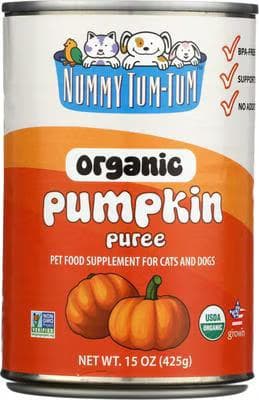
Pure USDA-organic pumpkin puree, no fillers or additives. Adds gentle soluble fiber to firm up loose stool and settle a mildly upset stomach. A simple vet-favorite topper.
Webvet may earn a commission when you click through to Chewy, at no extra cost to you.

| What you observe | What it may mean | Suggested next step |
|---|---|---|
| One occasional episode, normal stool, appetite, comfort, and activity | Brief normal variation or a minor food-related change | Monitor and note any recurrence |
| Repeated gas after a new food or treat | Diet transition, ingredient intolerance, or another digestive response | Stop unplanned extras and ask your veterinarian how to transition safely |
| Very foul gas with diarrhea or vomiting | Parasites, infection, inflammation, intolerance, or another digestive disorder | Arrange a veterinary appointment and bring a fresh stool sample if requested |
| Gas with reduced appetite, weight loss, or poor kitten growth | Ongoing disease or impaired digestion or absorption | Seek prompt veterinary assessment |
| Painful or swollen abdomen, repeated retching, collapse, severe weakness, or breathing trouble | Potential emergency that cannot be assessed at home | Seek urgent veterinary care now |

Before the appointment, record:
- when the gas began and how often you notice it
- whether it is silent, audible, odorless, or foul
- stool frequency, color, consistency, and any blood or mucus
- vomiting, appetite, water intake, and activity
- the exact food, treats, supplements, table scraps, and recent changes
- current medications and parasite prevention
- weight changes, belly swelling, and signs of pain
This observation log is more useful than trying to identify a diagnosis by smell. If the cat also has vomiting or diarrhea, review WebVet's guide to a cat throwing up and having diarrhea and contact a veterinarian based on the severity and duration of the signs.
Use dates and the observation details above so the veterinarian can compare food, stool, gas, comfort, and whole-body changes over time. A veterinary fecal examination may be appropriate when parasites or intestinal infection are possible, but the veterinarian decides which test fits the history and whether other laboratory work or imaging is more useful.
The normal-versus-concerning matrix connects frequency, odor, stool changes, appetite, and behavior to a clear next step. The observation log gives owners a useful record before calling the veterinarian instead of guessing from smell alone. A dated photo reference for posture and comfort can add context but cannot diagnose the cause. A firm medication boundary answers Gas-X searches without endorsing self-treatment. Together, the clues create a safer decision than any one observation.
What to do if your cat is gassy
Start with observation and a call to the veterinary team if the change is persistent. Do not repeatedly switch foods at random. Rapid diet changes can create more digestive upset and make the original pattern harder to interpret.
Review food and feeding history
Write down the exact diet and how much the cat receives. Include treats, dental products, supplements, flavored medications, food stolen from another pet, and table scraps. Tell the veterinarian whether the problem started after opening a new bag or can, changing flavor, or introducing a new protein.

Searches for cat food for gassy cats or food for gassy cats do not have one universal product answer. The right plan depends on the cause, life stage, medical history, and whether the veterinarian suspects intolerance, parasites, inflammation, or malabsorption. A prescription gastrointestinal diet should be used only for the cat and condition for which it was recommended.
Avoid unapproved medication
Do not give Gas-X, simethicone, an antacid, a probiotic, an herbal product, or another human remedy unless the veterinarian treating your cat directs it. Even when an ingredient has veterinary uses, dose, formulation, other ingredients, and the underlying cause matter. Medication can also delay care for a painful or obstructive problem.
This firm medication boundary answers Gas-X searches without endorsing self-treatment. Never give Gas-X or another human medication unless the veterinarian treating the cat directs it.
Veterinarian-guided digestive support
Probiotics are not interchangeable, and a product card is not a treatment recommendation. If the veterinarian decides a probiotic fits the cat's evaluated digestive plan and diet, ask which strain, formulation, dose, and trial length to use. Also ask what change should count as improvement, which adverse effects should stop the trial, and when persistent gas or stool changes require testing instead of another supplement.
One veterinarian-directed option may be a feline product such as FortiFlora for cats, while another case may call for a different veterinary formulation or no probiotic at all. The choice depends on the cat's age, health, medications, diet, and suspected cause. Keep the rest of the plan stable enough to judge the response, and contact the clinician if appetite, stool, pain, or energy worsens.
Make measured changes
If the veterinarian recommends a diet transition, follow the specific schedule and portion. Keep the rest of the diet stable during the observation period unless the clinician says otherwise. A fiber food such as plain pumpkin belongs in the plan only when the veterinarian approves the product and amount; it is not a universal gas remedy. Use a measured bowl or gram scale, monitor stool and appetite, and return for testing if the gas does not improve.
Kittens deserve extra attention because persistent digestive trouble can affect hydration and weight gain. For general age context, see when kittens finish growing, but use your veterinarian's repeated weights and body-condition assessments for the individual kitten.
Why odor alone is not a diagnosis
People often search why do cats fart smell so bad because odor is the most noticeable clue. A report that the gas stinks still describes an observation, not a cause. The same smell can occur after different foods or with unrelated intestinal conditions, and an important digestive disease may produce little noticeable gas.
Use a combined decision rule:
- frequency tells you whether the pattern is changing
- odor tells you what you noticed, not the cause
- stool and vomiting show whether the intestinal tract is otherwise affected
- appetite and weight show whether nutrition and health are being compromised
- posture, pain, and activity show how the cat feels
That full picture helps the veterinary team decide whether simple monitoring, fecal testing, diet evaluation, imaging, or another step is appropriate.
Together, frequency, odor, stool, appetite, pain, and behavior turn a joke-prone symptom into a concrete veterinary decision. No single clue carries that decision by itself.
Frequently Asked Questions
Do cats realize when they fart?
Cats may realize that a fart created a body sensation, sound, or smell, but behavior cannot prove understanding of flatulence as humans define it. Passing gas is a body process, not evidence of embarrassment, revenge, affection, or intent. A cat that looks back, startles, or walks away may simply be responding to a sensation or sound. Focus on frequency, diet, stool, appetite, pain, and other health signs rather than interpreting the reaction as a social message.
Why is my cat farting so much?
Frequent cat gas can follow a sudden diet change, eating too quickly, food intolerance, parasites, infection, inflammatory bowel disease, or poor nutrient absorption. The pattern matters more than one episode. Record food, treats, stool, appetite, vomiting, weight, and timing. If the gas is new, persistent, painful, or paired with digestive or whole-body signs, arrange a veterinary evaluation instead of changing several foods or adding medication at once.
Why do my cat's farts smell so bad?
Strong odor comes from sulfur-containing compounds and other substances mixed with intestinal gas. Food and digestion can change the smell, but odor alone cannot identify the cause. One foul episode in a comfortable cat is less concerning than a persistent change with diarrhea, vomiting, appetite loss, weight change, bloating, or pain. Track the complete pattern and contact a veterinarian when odor is frequent or occurs with other symptoms.
Why does my kitten fart so much?
Kittens can pass gas, especially around diet changes or when they swallow air, but repeated flatulence is not a kitten habit to dismiss. Parasites, infection, food intolerance, or digestive disease can also cause gas. Track diet, stool, appetite, growth, and comfort. Call a veterinarian if gas persists or appears with diarrhea, vomiting, a swollen abdomen, poor growth, pain, or low energy.
When should cat gas worry you?
Cat gas deserves veterinary attention when it is new and persistent or increasing, or when it occurs with vomiting, diarrhea, pain, a swollen abdomen, reduced appetite, low energy, fever, blood in stool, poor growth, or weight loss. Seek urgent care for repeated unproductive retching, collapse, severe weakness, breathing trouble, or a rapidly enlarging abdomen. Do not give human gas medicine unless a veterinarian specifically directs it.

Editor
The Webvet Editorial Team is the in-house group of pet-care editors and writers behind Webvet, operated by Smart Pet Collective. The team researches, writes, and maintains Webvet's pet health, behavior, and medication content. Every article follows a defined editorial process: research from reputable veterinary and scientific sources, careful drafting, mandatory review of medical content by a credentialed veterinarian, and dated publication. Health and medication articles are medically reviewed by a licensed veterinary professional before they go live and are kept current over time.
Veterinarian · BVMS MRCVS
Dr. Pippa Elliott, BVMS, MRCVS, is a veterinarian with nearly 30 years of experience in companion animal practice. Dr. Elliott earned her Bachelor of Veterinary Medicine and Surgery from the University of Glasgow. She was also designated a Member of the Royal College of Veterinary Surgeons. Married with 2 grown-up kids, Dr. Elliott has a naughty Puggle named Poggle, 3 cats and a bearded dragon.
Related reading

Gastroenteritis in Cats: Symptoms, Causes, Treatment, and When to See a Vet

Gastroenteritis in Dogs: Symptoms, Causes, Treatment, and Recovery Time

Hemorrhagic Gastroenteritis in Dogs (HGE): Symptoms, Causes, Treatment, and Survival
