Black Dog Poop: Dark Stool or a Warning Sign?
Black dog poop may be melena, or digested blood. Learn how it differs from dark brown stool, urgent warning signs and what to tell your veterinarian.

BVMS MRCVS
Medically reviewed by Dr. Pippa Elliott, BVMS MRCVS · Last reviewed

This article contains affiliate links. Webvet may earn a commission when you buy through them, at no extra cost to you.
Black dog poop that is sticky or tarry can be melena: stool containing digested blood. Contact your veterinarian promptly if you see it, even if your dog still seems normal. Some foods and medicines can darken stool, but you cannot safely rule out bleeding from color, texture or behavior alone.
Seek emergency care if black stool occurs with weakness, collapse, pale gums, breathing difficulty, repeated vomiting, significant abdominal pain or suspected poisoning. Do not wait for another bowel movement or try a home remedy first. A photograph and a medication list can help the clinic, but collecting them should not delay an ill dog's care.
 Sponsored
Want a vet's take on your dog's upset stomach?
Talk to a licensed vet at Dutch over video, often the same day. They can recommend treatment and prescribe it when it's appropriate.
Use code Pets30
Plans start at $11/month · covers up to 5 pets
- Licensed vets in most states
- Rx for 150+ conditions
- 4.7 on Trustpilot
Black dog poop versus dark brown stool
A stool that is black outside but brown inside still needs the same assessment of freshness, texture, medicines and accompanying illness. Breaking it apart cannot reliably rule out bleeding. Normal dog stool varies within a range of browns. Very dark brown stool may look black in dim light, especially after it has sat outdoors. Check a fresh stool in neutral daylight if you can do so safely. Note whether it is formed and brown or unusually black, glossy and sticky. These observations help describe the concern; they are not a home diagnostic test.

Unscented waste bags for prompt pickup while tracking stool changes. Ask the clinic about a separate container for diagnostic samples.
Webvet may earn a commission when you click through to Chewy, at no extra cost to you.
Waste bags make hygienic pickup easier once you have documented the appearance. Keep bare hands away from the stool and wash after cleanup. If your veterinarian wants a diagnostic sample, ask for collection instructions rather than assuming a bag of old yard waste will be useful. A fresh sample from the correct time can answer different questions from a photograph.

| Observation | What to tell the clinic | Important limit |
|---|---|---|
| Dark brown formed stool | Whether it is a change from the dog's usual stool | Brown color does not assess overall health |
| Black and tarry stool | Sticky texture, shine and when it started | Suspected melena needs prompt advice |
| Black loose or watery stool | Frequency, volume and any vomiting | Diarrhea adds concern about fluid loss |
| Dark stool after a medicine | Exact product, amount and last dose | A medication history does not exclude bleeding |
| Black stool with weakness or pale gums | The associated signs and speed of change | Emergency care should not wait for sampling |
Melena is often associated with bleeding higher in the digestive tract, where blood has time to be altered before it passes. It is different from a fresh red streak on the outside of a stool. However, stool appearance does not precisely locate the source or establish how much bleeding has occurred.
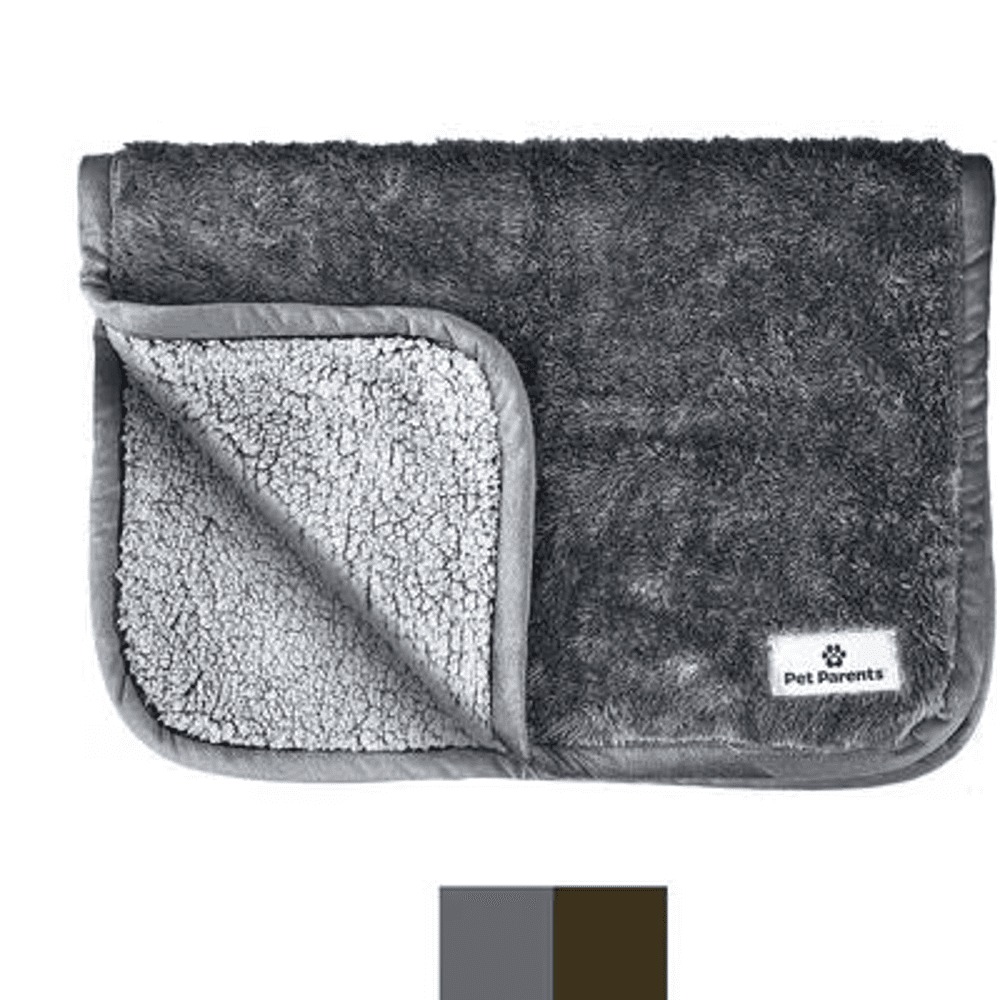
A washable waterproof blanket for a suitable resting or transport surface. Choose the size that fits your setup.
Webvet may earn a commission when you click through to Chewy, at no extra cost to you.
A dog with black poop but normal behavior still needs a call. Dogs do not always look dramatically ill at the first sign of a problem. Likewise, the absence of a distinctive smell does not rule out melena. Do not delay because an online picture looks glossier, darker or looser than the stool you found.
Why digested blood can make stool black
As blood passes through the digestive tract, it can change the stool's appearance. Melena is a sign, not a single disease. Possible explanations include gastrointestinal ulceration, injury, parasites and disorders affecting clotting. The veterinarian considers these possibilities using the history, examination and appropriate tests rather than selecting one from stool color.
Ulcers can be associated with certain drugs or underlying illness. Human pain medicines such as ibuprofen and naproxen are particularly important exposures to report. Prescription veterinary medicines also belong on the medication list, along with steroids and supplements. Do not give an additional pain reliever while trying to manage suspected gastrointestinal bleeding at home.
For a dog having accidents, a waterproof washable blanket can protect an appropriate resting or transport surface. Keep it secure and replace it if soiled so your dog is not lying in waste. This is a comfort and cleanup measure while obtaining care, not a treatment for the cause of black stool.
Parasites, injury and clotting problems
Some parasites can contribute to blood loss, especially in vulnerable dogs. A fecal test may be part of the workup, but black stool does not identify a particular worm. Do not assume an overdue deworming dose explains the whole problem or that an over-the-counter product is the correct response for an unwell dog.
A swallowed object or another gastrointestinal injury is also possible. Tell the clinic about missing toys, chewed material, bones, garbage access or a recent episode of vomiting. Do not induce vomiting or feed a large meal in an attempt to push something through. The appropriate action depends on the material and clinical situation.
Clotting problems can cause bleeding at different sites. Suspected rodenticide or medication exposure needs immediate veterinary or poison-service advice, whether or not black stool has appeared. Rodenticides differ in their active ingredients and effects; the exact product information matters. Keep packaging available if it can be obtained safely.
Blood swallowed from another site
Swallowed blood can sometimes contribute to dark stool, for example after bleeding in the mouth or nose. Report that history too, but do not use it to conclude that the stool is harmless. The reason for the original bleeding and the dog's condition may still require investigation.
 Sponsored
Vet care that's always there
Unlimited video calls and messaging with licensed vets for less than a typical vet visit. One membership covers up to five pets.
Use code Pets30
Plans start at $11/month · covers up to 5 pets
- Licensed vets in most states
- Rx for 150+ conditions
- 4.7 on Trustpilot
Food, medicines and other color changes
Diet can influence how dark stool appears. Iron-containing products, activated charcoal and bismuth-containing medicines may also darken it. These are explanations to discuss with the veterinarian, not reasons to start those products. In particular, charcoal should not be given at home simply because poisoning or bleeding is suspected.
Bismuth subsalicylate is an ingredient in some human stomach remedies. It can alter stool appearance and is not an all-purpose treatment for canine diarrhea. Tell the clinic if it has been given, including the formulation and dose. A dark stool afterward still needs interpretation in the context of the illness and other medicines.
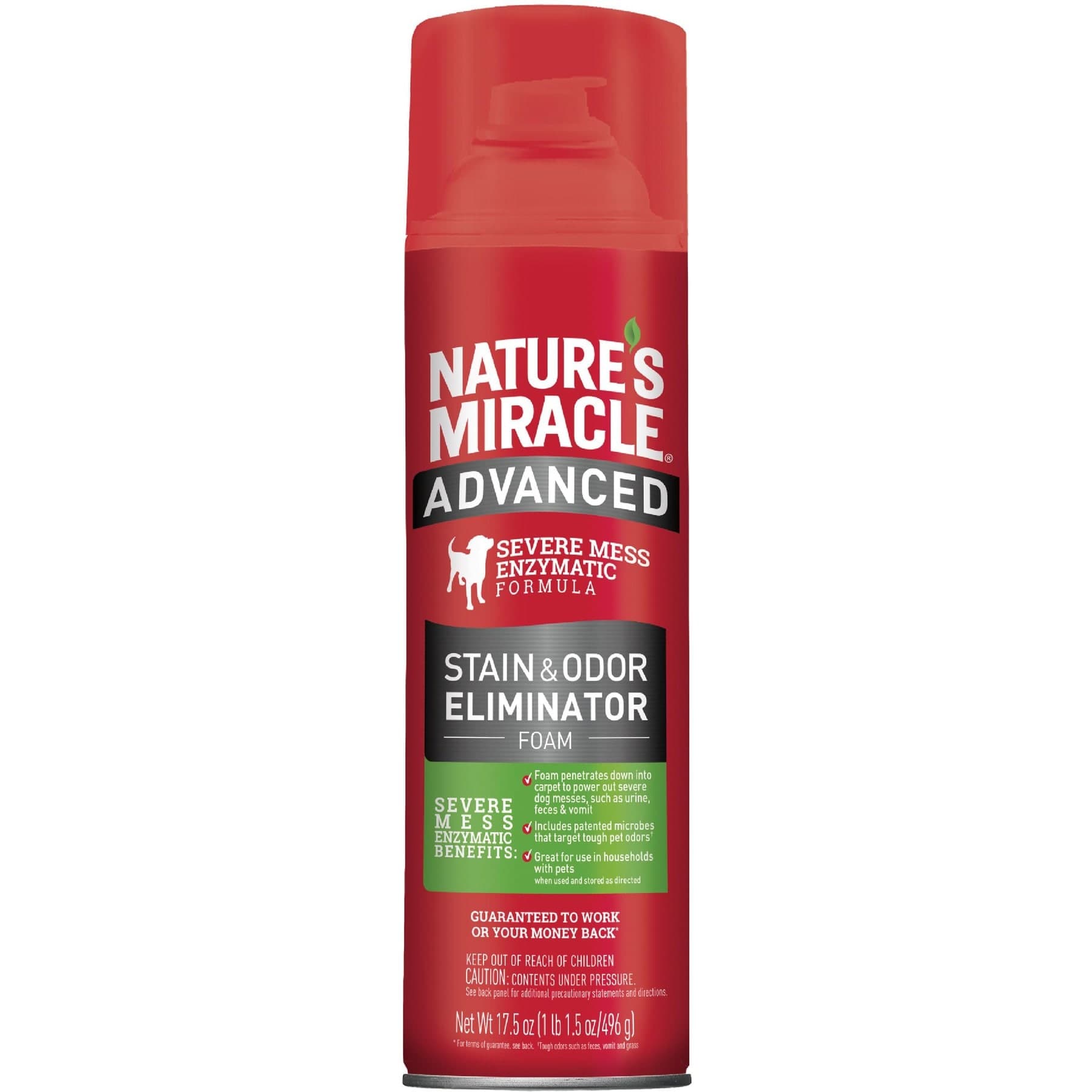
An enzymatic dog-accident cleaner for compatible surfaces. Follow the label; odor removal is not parasite disinfection.
Webvet may earn a commission when you click through to Chewy, at no extra cost to you.

An enzymatic pet cleaner can help remove stool stains and odor from compatible household surfaces after solid waste is removed. Follow the label and keep your dog away during application. Cleanup should make the environment usable again; it should not take priority over arranging care or become a way to judge whether the medical problem has resolved.
Dark foods do not exclude bleeding
Feeding liver, other dark foods or a new diet may be relevant history, but food and bleeding are not mutually exclusive possibilities. Do not reassure yourself solely because the dog ate something dark. Record the meal and timing, then ask the veterinarian how to interpret the new stool.
Black stool does not specifically diagnose liver disease. Nor is there a distinctive pancreatitis stool color that can settle that diagnosis. Those conditions are assessed from the full clinical picture and tests. Searching for an organ-specific color can distract from the more immediate question of whether the dog needs care for possible bleeding.
The broader dog diarrhea guide explains changes in stool form and frequency. If the stool is truly black and tarry, however, use the more urgent approach here rather than a generic wait-and-see plan for a mild digestive upset.
What to tell the veterinarian
Details to record for the stool assessment
Give the time of the first unusual stool and describe its freshness, color and consistency. Explain whether it has happened more than once and whether your dog is eating, drinking, vomiting or behaving differently. Mention age, existing illness and possible exposure to medicines, toxins or foreign material. A concise sequence of events is more useful than a diagnosis guessed from a photo.
- Fresh stool: the time passed, color, consistency, amount, mucus or blood, and how often your pet tries to pass stool.
- Other signs: appetite, vomiting, energy and weight changes, including any difficulty keeping water down.
- Recent changes: meals, treats, supplements, medicines, possible exposures and relevant previous illness or test results.
A secure, correctly sized carrier can help transport a small dog safely if that is the appropriate option for its size and condition. Larger dogs need a suitable restraint or a transport plan from the clinic. Do not force a weak or painful dog into an undersized carrier. Ask for help if moving your dog may worsen distress.

A travel carrier for cats or suitably sized small dogs. Check fit and secure it according to its instructions.
Webvet may earn a commission when you click through to Chewy, at no extra cost to you.
Bring the actual medication list, including doses and timing, not just “a pain tablet” or “something for diarrhea.” If you are unsure of a product, bring the container or a clear label photograph. The veterinarian needs to know whether a prescribed medicine, a human product or an accidental ingestion might be involved.
Testing, treatment and the next meal
The workup may include blood tests to assess anemia and other abnormalities, tests of clotting, fecal testing and imaging. Endoscopy or other investigation may be considered in selected cases. The choice depends on the examination and suspected source. Not every dog needs every test, but apparent improvement in stool color does not automatically remove the need to investigate.
Treatment depends on the cause and severity. Some dogs need supportive care and specific medication; severe blood loss or another serious problem can require hospitalization and more intensive treatment. There is no safe universal home cure for melena. Acid-reducing products, probiotics and bland food should not be used to postpone assessment.
Ask what to do about food, water and the next scheduled medication dose while traveling or waiting. Do not apply a blanket fasting rule, particularly for puppies or dogs with medical conditions. A dog that is repeatedly vomiting, weak or unable to drink needs direct clinical advice rather than a standard home-feeding recipe.
Suspected black tarry stool warrants prompt veterinary contact. Normal behavior, a recent diet change or a possible medication explanation does not establish that bleeding is absent.
Stool collection, cleanup and follow-up
If the clinic requests a sample, collect a small fresh portion in the container it recommends. Avoid adding water, cleaner, soil or several days of mixed yard waste. Record when it was passed and follow the clinic's storage instructions. Wash your hands afterward, even if you wore gloves or used a bag.
Remove waste promptly from the yard and keep other pets from contacting it. For indoor accidents, clean the compatible surface according to the product label. An odor-removing product is not automatically effective against every infectious organism. If testing identifies an infection, ask whether the household needs a specific cleaning or prevention plan.

After treatment begins, record stool appearance alongside energy, appetite, vomiting and prescribed medication. The veterinarian may want rechecks or blood tests even if the stool becomes browner. The visible color can change before the underlying problem has been fully assessed or resolved.
When black stool persists or returns
Vinegar and baking soda are not treatments for black stool or suspected gastrointestinal bleeding. Do not give these home remedies to try to change stool color. There is no set safe period for black stool to continue. How long it lasts depends on the cause, what has been ingested and the response to treatment. Do not wait several days to see whether suspected melena clears on its own. Ask the veterinarian what changes should trigger an immediate return and when the planned reassessment will occur.
If black stool returns, contact the clinic and report the timing relative to medicines and meals. Do not simply repeat an old treatment. A new episode may require reconsideration of the original cause, a medication plan or another exposure. The goal is to explain and address the change, not merely to hide it with a product that alters stool color.
Sources
Sources: Merck Veterinary Manual: gastrointestinal ulcers and Petfolk: black dog stool and melena.
Frequently asked questions
What food causes black stool in dogs?
Dark foods such as liver, a new diet, iron-containing products, activated charcoal and bismuth-containing medicines can all make stool look darker. Still, a dark meal does not rule out bleeding, because both can be true at once. Write down what your dog ate and when, then call your veterinarian to interpret the stool. Do not give charcoal or similar products at home to test the idea.
Does black stool mean bad liver?
Not specifically. Black, tarry stool points to possible digested blood, and it does not diagnose liver disease or any other single organ problem. Liver trouble is judged from the whole clinical picture and tests, not from stool color. The more pressing question is whether bleeding is happening, so contact your veterinarian promptly rather than searching for an organ-specific color.
How do I treat black poop in my dog?
There is no safe universal home cure for suspected melena. Acid-reducing products, probiotics and bland food should not be used to postpone assessment, and you should not add any pain reliever. Treatment depends on the cause and severity, and some dogs need hospital care. Call your veterinarian promptly, and seek emergency care if your dog is weak, collapses or has pale gums.
Veterinarian · BVMS MRCVS
Dr. Pippa Elliott, BVMS, MRCVS, is a veterinarian with nearly 30 years of experience in companion animal practice. Dr. Elliott earned her Bachelor of Veterinary Medicine and Surgery from the University of Glasgow. She was also designated a Member of the Royal College of Veterinary Surgeons. Married with 2 grown-up kids, Dr. Elliott has a naughty Puggle named Poggle, 3 cats and a bearded dragon.


