Best Bark Collar? Compare Nonshock Options and Risks
A research-based comparison of four nonshock bark collars explains mechanisms, fit questions and evidence limits for small and large dogs, without inventing hands-on tests or veterinary endorsement.

This article contains affiliate links. Webvet may earn a commission when you buy through them, at no extra cost to you.
The best bark collar is not a universal product we can responsibly name for every small or large dog. Nonshock models differ in detection, vibration, sound and spray, but those features do not establish that the experience is humane for an individual dog or that the cause of barking improves.
This comparison explains four currently listed nonshock products and the decisions their descriptions leave unresolved. It is research-based analysis, not hands-on testing. None earns an unconditional veterinary recommendation; the evidence-based starting point is a reward-based plan that addresses the trigger.
Before choosing a bark collar
- 1Compare manufacturer specifications versus welfare evidence as separate questions.
- 2Small dog fit is a physical requirement, not proof that automatic correction is appropriate.
- 3This is a research-based comparison, not a hands-on product test.
Identify the barking cause before comparing devices. New vocalization, discomfort, confusion or a change in sleep or normal behavior calls for veterinary assessment. Distress when alone needs a tailored plan rather than an automatic consequence for barking.
The AVSAB training position recommends reward-based methods. A product can lack electrical stimulation and still operate by delivering something the dog wants to avoid. The absence of shock therefore answers one specification question, not the whole welfare question.
What this comparison can support
Retail ratings do not establish a top-rated bark collar as the best choice for your dog. In particular, this comparison does not recommend a shock collar for either small or large dogs. The reason is the method’s welfare implications, not a claim that changing receiver size removes them.
We can compare the outputs and features described for an exact model, identify uncertainties and explain how those details affect a buying decision. We cannot infer long-term welfare from a retail rating, a waterproof label or an account of one dog becoming quiet.
For the underlying mechanisms, see bark collars explained. If you are comparing a collar with an outdoor sound box, the anti-bark device guide addresses that separate exposure problem.
Nonshock bark-collar comparison
The products below are included to help shoppers read competing claims, not as a ranked list of proven humane winners. Descriptions reflect the identified product listing; confirm the exact model and instructions before making any decision. Similar brand names may cover devices with very different modes.
| Product | Listed mechanism | Useful comparison point | Main unresolved issue |
|---|---|---|---|
| PATPET No Shock Smart Bark Control | Beep, vibration or a combination | Separate sensitivity and mode controls | Detection claims do not establish reduced distress |
| Pet Life Bark-Myst | Citronella spray | Spray intensity and refill requirements | Nonshock spray can still be aversive |
| Luckypets Deterrent Spray Rechargeable | Citronella or unscented spray | Adjustable spray and detection settings | Unscented does not mean neutral to the dog |
| Pet Life Evolution | Sound and vibration | Multiple output levels and adjustable strap | Size range does not establish individual suitability |

How to use the table
Read the mechanism column first. If your goal is to avoid an aversive method, changing from shock to an unpleasant vibration or spray does not necessarily meet that goal. Then check whether the remaining features answer an actual need or simply make the same mechanism more convenient to operate.
Do not rank a model as “best for puppies” merely because the strap fits a small neck. A puppy may be vocalizing because of toileting needs, separation, fear or incomplete learning. Those situations require care and gradual teaching, not a smaller automatic correction device.
The same applies to large dogs and high bark volume. A loud bark does not establish a need for greater output. Evaluate the trigger and the dog’s ability to cope, rather than matching stimulus strength to body size.
Four products: what each claim really means
PATPET No Shock Smart Bark Control
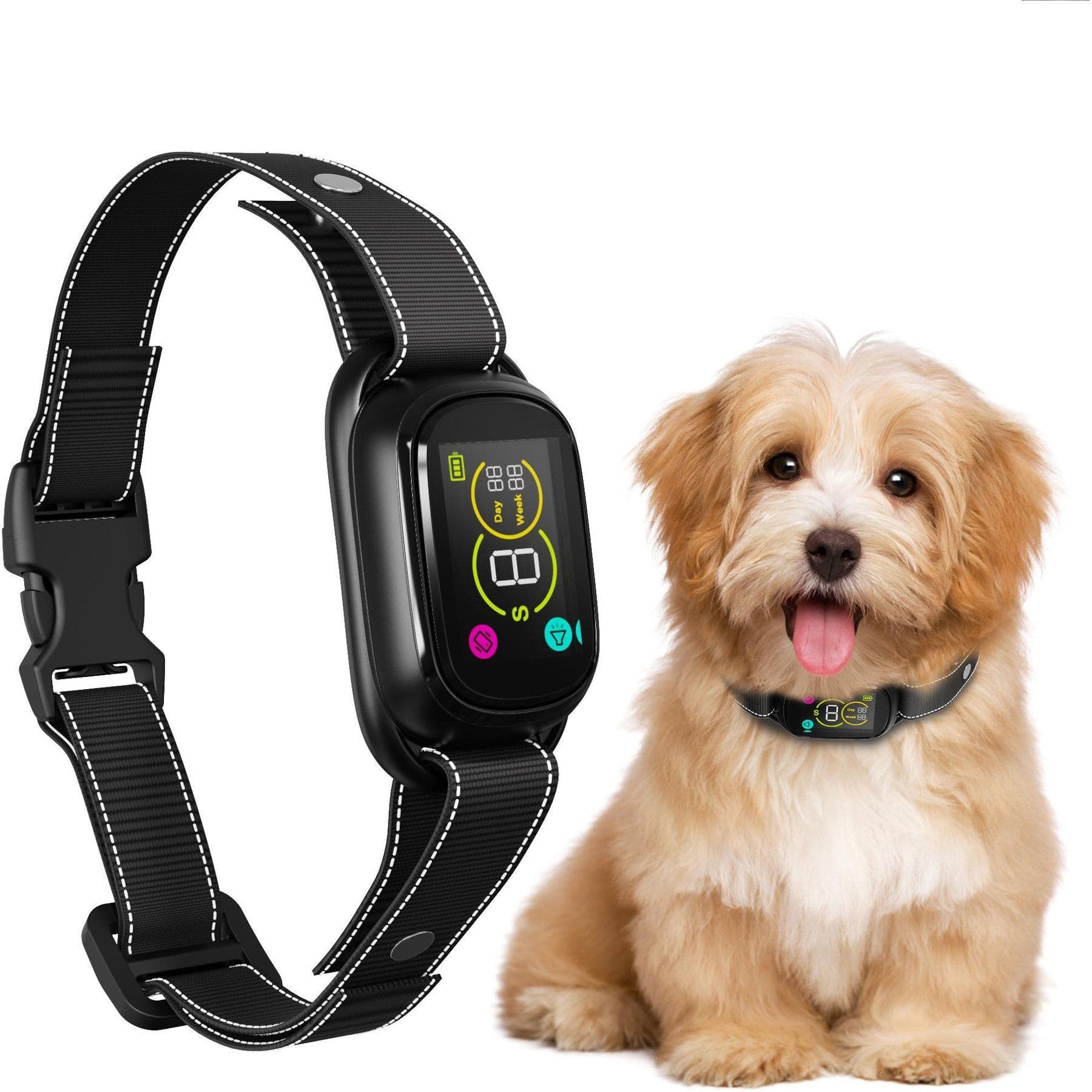
Beep and vibration modes with adjustable sensitivity; compare the exact settings before choosing.
Webvet may earn a commission when you click through to Chewy, at no extra cost to you.
The PATPET No Shock Smart Bark Control listing describes beep, vibration and combined beep/vibration modes, with adjustable sensitivity. This makes it distinct from other PATPET products that also include electric-stimulus modes. The brand name alone is not enough to identify what the device does.
The useful buying question is whether the exact model’s detection and controls are clearly documented. A label such as “AI” describes a marketing claim about the detection system; it does not tell you that the device recognizes fear, pain or separation distress.
If a dog becomes silent but avoids the doorway, freezes or stops normal activity, the outcome is not established as beneficial. Do not equate a successful activation or fewer audible barks with a resolved behavior problem.
Pet Life Bark-Myst
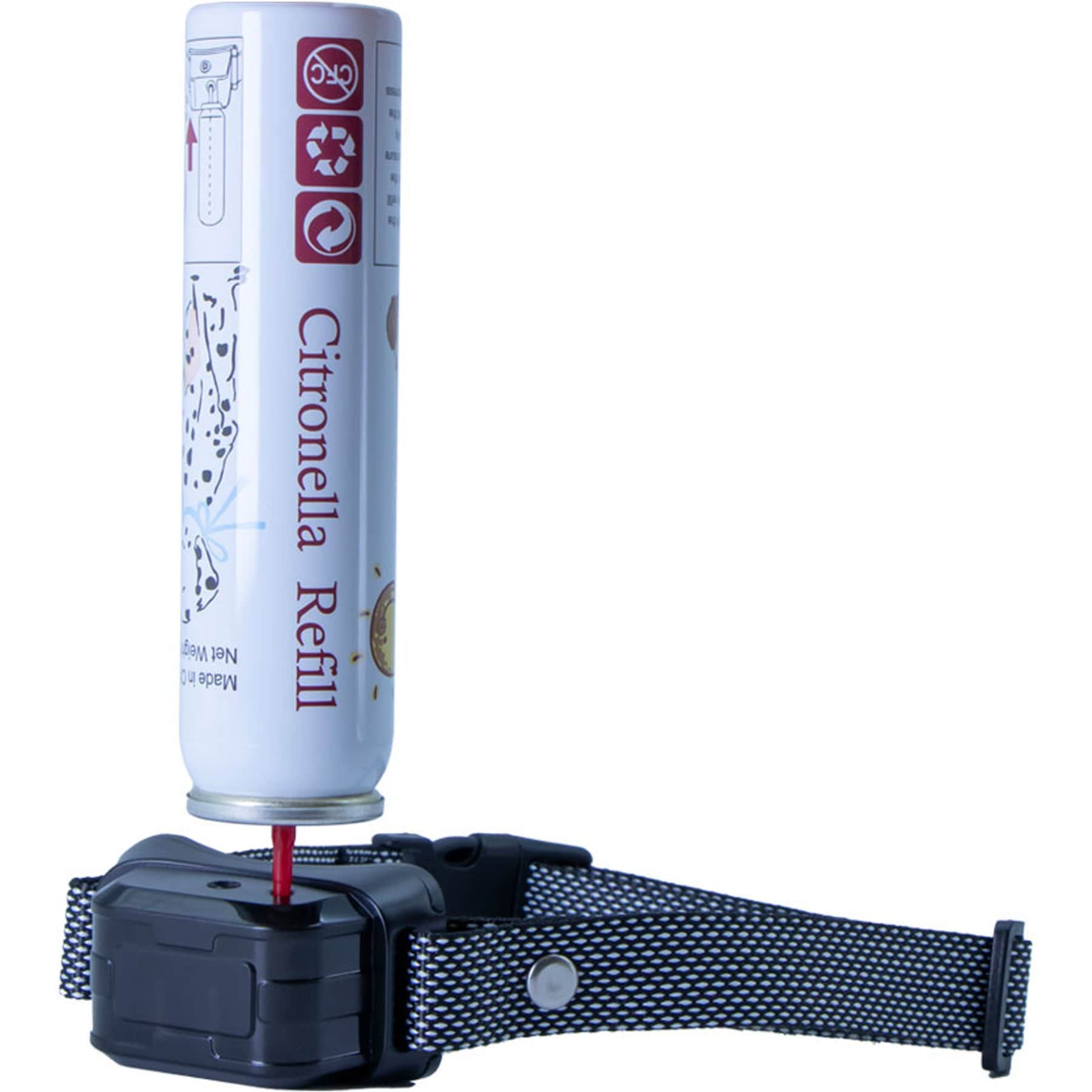
Citronella-spray model with adjustable intensity and refill requirements.
Webvet may earn a commission when you click through to Chewy, at no extra cost to you.
The Pet Life Bark-Myst listing describes a citronella spray mechanism with adjustable intensity and refill requirements. This separates it mechanically from collars that use vibration or electrical output. It does not establish that the spray is pleasant or harmless to every dog.
For a shopper comparing ongoing maintenance, a spray product requires attention to compatible refills and the exact operating instructions. Those practical costs should be considered alongside the mechanism rather than hidden behind an initial purchase price.
A spray intended to interrupt barking can become associated with something occurring nearby. The product description alone cannot tell you how a particular dog will interpret that experience. This comparison therefore does not name Bark-Myst a first-line treatment for fearful or anxious barking.
Luckypets Deterrent Spray Rechargeable
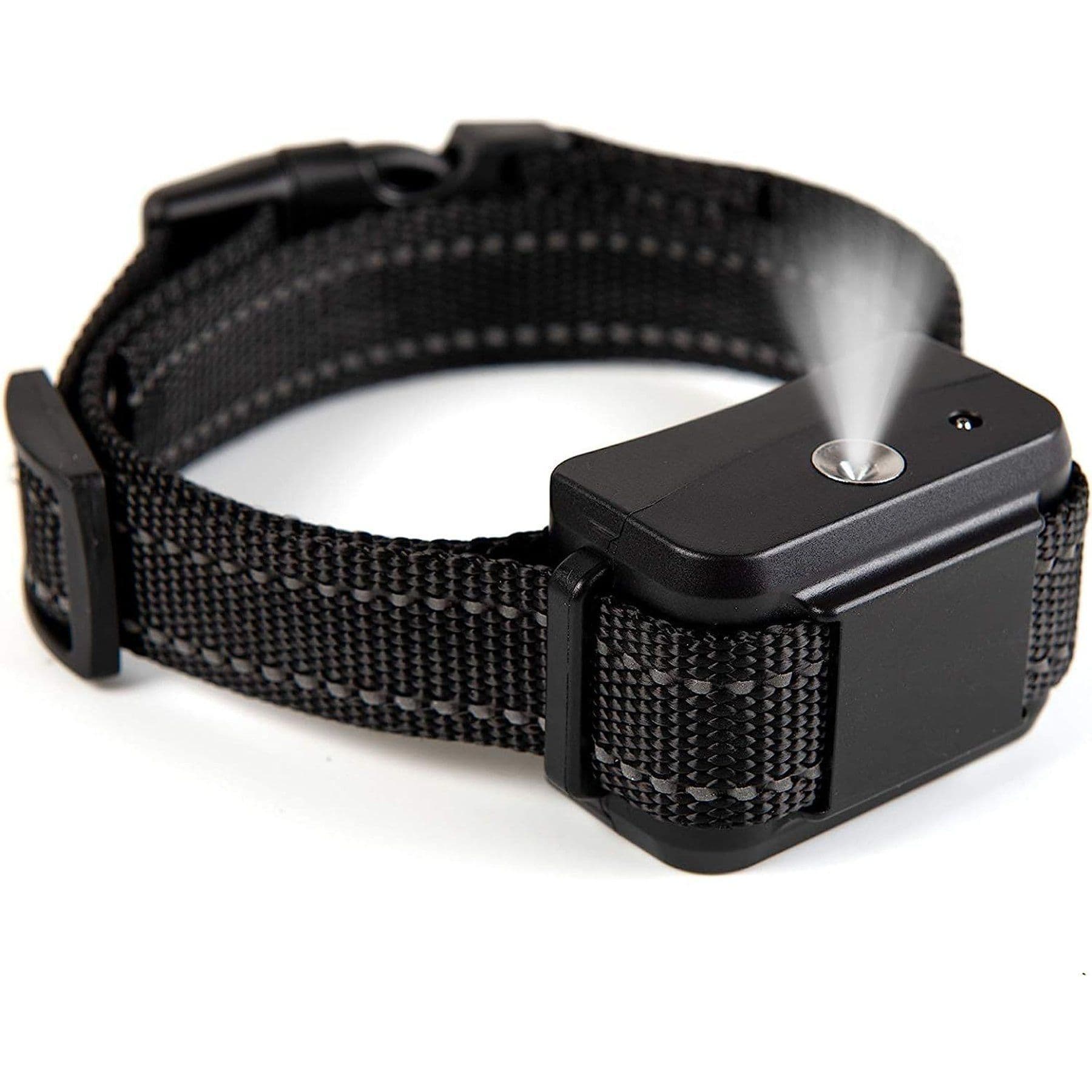
Rechargeable spray model with scented or unscented refill options and adjustable sensitivity.
Webvet may earn a commission when you click through to Chewy, at no extra cost to you.
The Luckypets Deterrent Spray Rechargeable listing describes citronella or unscented spray and adjustable spray volume and sensitivity. The distinction between scented and unscented refills may matter to a shopper, but removing a scent does not remove the sensation or surprise of a spray.
Check the exact device identity and refill compatibility before comparing it with another spray collar. A photograph or a broad “rechargeable” label does not establish identical operation. Avoid transferring instructions from a different manufacturer or model.
The central limitation remains the same: a reduction in barking while the device is present does not demonstrate a durable, comfortable response to the original trigger. A useful behavior plan measures what the dog does afterward and when the equipment is absent, not only the noise during use.
Pet Life Evolution
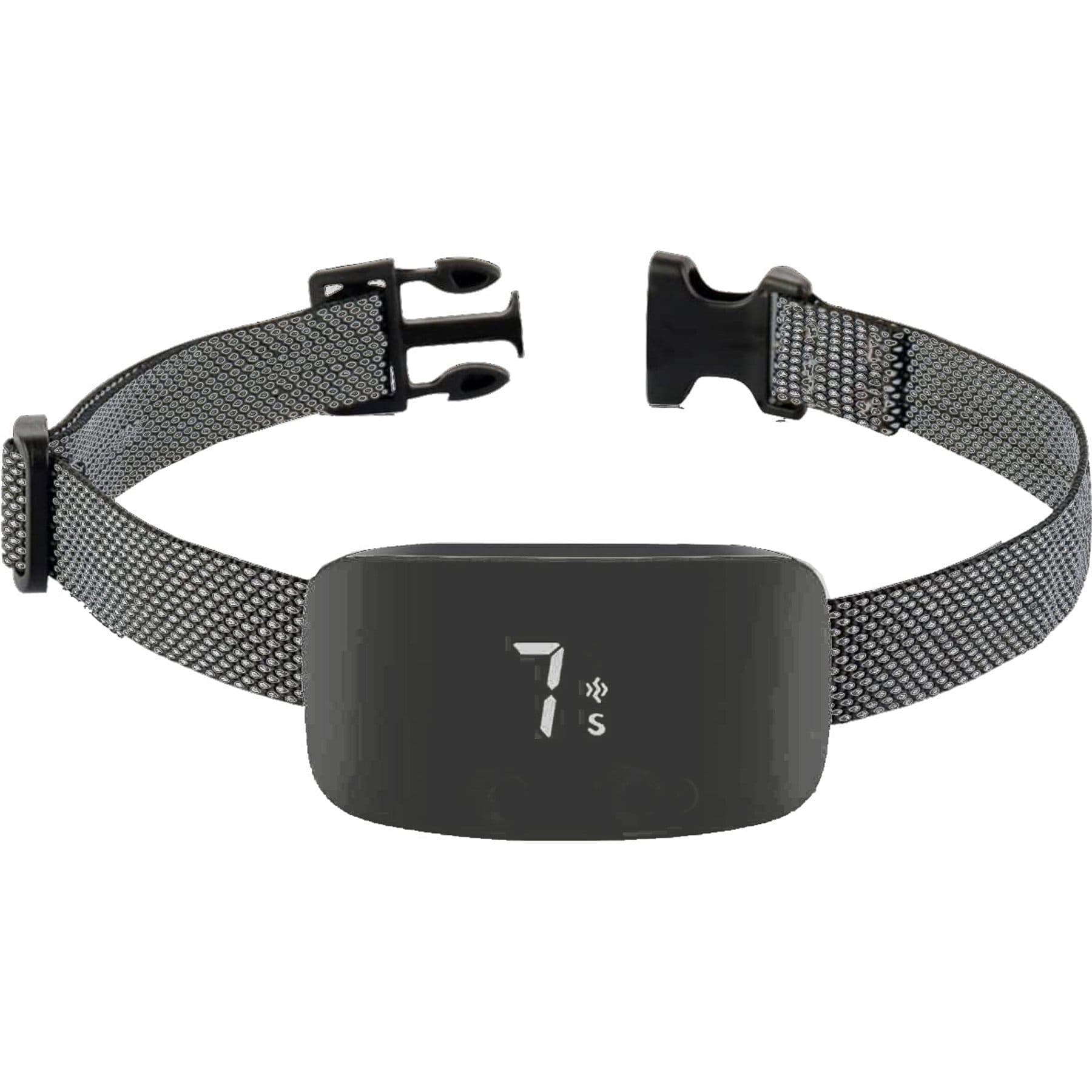
Sound-and-vibration model; review its operating modes and fit requirements.
Webvet may earn a commission when you click through to Chewy, at no extra cost to you.
The Pet Life Evolution is described by Pet Life as a sound-and-vibration device. That is different from similarly named products in the same general category that include an electrical mode, so exact product identification remains essential.
An adjustable strap and multiple output settings provide operating choices. They do not establish that a given setting is emotionally neutral or that the collar addresses the reason for barking. Nor does an advertised size range show how the receiver sits on the individual dog.
For someone comparing this with a spray device, the meaningful distinction is the type of consequence and the maintenance requirements. Neither category becomes a universal humane winner simply by avoiding the other’s mechanism.
Compare the practical differences between these models
| Selected product | Distinct practical comparison | Check before purchase |
|---|---|---|
| PATPET No Shock Smart Bark Control | Selected model uses nonshock modes; the brand also sells other configurations | Match the exact No Shock model and manual, not only the PATPET name |
| Pet Life Bark-Myst | Three spray-intensity settings and a refill requirement | Compatible refill supply and the complete charging instructions |
| Luckypets Deterrent Spray Rechargeable | A separate spray product from other Luckypets listings | Exact model, refill compatibility and its own water-resistance specification |
| Pet Life Evolution | Seven sound levels, seven vibration levels and a combined option | The selected mode and neck-fit range; these are not receiver-weight measurements |
Pet Life’s Bark-Myst product page describes three spray intensities. That creates a recurring refill decision that the sound-and-vibration Evolution does not have.
Pet Life’s Evolution specifications list a 6.5–24-inch neck range and a claimed ten days between charges. Neck circumference does not establish that the receiver is a comfortable size or weight for a particular small dog.
For a comparison you can verify, save the exact product name and manual with the listing. A different model from the same brand may add electrical stimulation or use different refills. Do not transfer features, fit limits or water-resistance ratings between similarly named collars.
How to assess fit, triggers and stop conditions
The safest buying decision may be not to buy an automatic bark collar. That is particularly important when the cause is unclear or the dog is already distressed. A professional assessment can prevent spending money on a tool that does not match the problem.
If you already own a device, read its exact manual and discuss the behavior with your veterinarian. Skin irritation, changes in normal movement, avoidance or increased distress are reasons to stop and seek advice, not to increase the setting.

Small and large dog checks
- Use the exact model’s dimensions and instructions rather than a generic breed label.
- Consider receiver bulk and placement, not only strap length.
- Do not treat a lower weight threshold as a training recommendation for a puppy.
- Do not assume a large dog needs stronger correction.
- Separate physical fit from the question of whether the method is appropriate at all.
For a small dog, measure neck circumference at the position specified by the exact manufacturer and compare it with that model’s minimum and maximum strap range. Check the receiver’s size and weight as well as the strap. If the model’s instructions or dimensions are unavailable, do not guess from the product photograph.
Correct measurement still does not establish that automatic correction is an appropriate behavior choice.
Ask what evidence is missing
An exact claim of effectiveness should identify what was measured, in which dogs and for how long. A product page may describe features and customer experiences without providing controlled evidence on welfare or durable behavior change. Keep those categories separate.
The comparison above does not claim that every listed model has the same effect, nor that a specific harm has been demonstrated for each one. It says that specifications alone are insufficient to award a humane “best” label. That is an important distinction when shopping in a category full of confident language.
What to use when a collar is the wrong answer
Begin with the reward-based barking plan. A short trigger record can reveal whether visual barriers, greater distance, predictable routines or a taught alternative should come first.
A camera can help identify what happens during an absence. A mat gives a trained settling response a clear location. Rewards help teach checking in or moving away. These tools have specific jobs; none should be presented as a universal replacement that magically fixes every barking cause.
Compare the total decision, not only the purchase price
A collar’s initial cost leaves out time spent checking fit, charging, obtaining compatible refills and observing the dog. Those practical requirements do not establish that the method is appropriate, but they matter when someone is already comparing products. A low price is not a reason to skip the cause assessment.
Keep the product identity precise. A manufacturer may sell both a no-shock model and a similar-looking device with an electrical mode. A listing may also use a retailer-specific name. Match the model, mode description and manual rather than assuming a familiar brand label answers every question.
Avoid treating a “small dog” filter as the full selection process. Receiver bulk, the actual dog’s proportions and the intended mechanism remain separate issues. A dog at the bottom of an advertised weight range may still have a different physical fit from another dog of the same weight.
What would justify a stronger recommendation?
Useful evidence would describe the population studied, the barking problem, the comparison method and outcomes beyond a short reduction in noise. It would also explain follow-up and welfare observations. Without those details, a confident “best overall” badge risks telling readers more than the evidence supports.
This does not mean every manufacturer feature is meaningless. Clear controls, exact instructions and transparent product identity help shoppers understand an item. They simply belong in the specifications column rather than being converted into proof that the dog’s underlying problem will improve.
If a professional recommends a particular plan for your dog, ask how it addresses the identified cause and how progress will be measured. The answer should remain useful even when the brand name is removed. That keeps the decision focused on the dog instead of the most persuasive product description.
Choose support by the problem
For ordinary learned requests, a qualified reward-based trainer can help the household respond consistently. For suspected pain or a sudden change, start with the veterinarian. Severe fear, anxiety or complex behavior may require veterinary behavior expertise. See the trainer versus behaviorist guide to distinguish those roles.
Measure useful progress: the dog can notice a trigger, disengage, eat or rest normally and recover more easily. A silent but withdrawn dog is not the same result. That standard should guide the purchase as much as price, battery life or a product’s number of modes.
Keep a comparison record you can check later
Save the exact model name, listed mechanism, manual and unresolved questions before purchasing. Product names and retailer descriptions can be similar enough to confuse separate devices. A short record makes it easier to notice if the delivered item differs from the one you researched.
Keep your behavior goal in the same note. “Dog settles comfortably after a visitor arrives” is more informative than “less noise.” If a purchase cannot be connected to a clear, welfare-aware plan for that goal, pause and seek advice rather than treating the shopping decision as the treatment itself.
Questions owners ask
Frequently Asked Questions
Which bark collar is most effective?
There is no supported universal winner here. Effectiveness depends on what is measured, and reducing sound does not establish reduced distress or durable learning. Identify the cause and compare evidence, not just output settings or customer ratings.
Do vets recommend bark collars?
AVSAB recommends reward-based training and rejects aversive methods. Nonshock does not automatically mean nonaversive. Discuss the actual behavior with your veterinarian rather than treating a retail safety claim as a veterinary endorsement.
What do vets recommend to stop barking?
A cause-based assessment and a plan suited to the dog, including environmental management and reward-based learning. Medical concerns and serious distress may need treatment or specialist input. The appropriate plan is broader than choosing a collar.
Are bark collars effective?
Some can interrupt or suppress barking, but that does not prove the underlying problem has improved. Evaluate normal behavior, comfort and recovery as well as sound. Manufacturer specifications alone cannot establish a humane outcome for an individual dog.
What is the best bark deterrent for dogs?
There is no single best deterrent for every cause. For window alerting, block the triggering view and teach a mat response; for dogs barking at close encounters on walks, increase distance and practice checking in. Distress when alone needs a tailored assessment.
These specific changes address the situation instead of relying on an automatic unpleasant consequence.

Editor
The Webvet Editorial Team is the in-house group of pet-care editors and writers behind Webvet, operated by Smart Pet Collective. The team researches, writes, and maintains Webvet's pet health, behavior, and medication content. Every article follows a defined editorial process: research from reputable veterinary and scientific sources, careful drafting, mandatory review of medical content by a credentialed veterinarian, and dated publication. Health and medication articles are medically reviewed by a licensed veterinary professional before they go live and are kept current over time.


