Dog symptom
Limping or stiffness in dogs
Reviewed by the Webvet Veterinarian Team · Last reviewed June 22, 2026
Favoring a leg or moving stiffly. Causes range from a minor strain to a fracture — sudden, severe, or non-weight-bearing lameness needs prompt care.
Common causes of limping or stiffness in dogs
- Soft-tissue strain, sprain, or a paw injury (cut, thorn, broken nail)
- Arthritis (common in older and large-breed pets)
- Ligament injury (e.g. cruciate tear in dogs)
- Insect sting, bite wound, or abscess (common in cats)
Who's most at risk
- Large and giant breeds, and very active dogs
- Senior pets (arthritis)
- Overweight pets — extra load on the joints
- Breeds prone to cruciate, hip, or kneecap problems
What you can do at home
- Rest and restrict activity (no running, jumping, or stairs)
- Check the paw and pads for cuts, swelling, or something stuck
- Never give human pain relievers — many are toxic to pets
When to see a vet
- They won't put any weight on the leg, or the limb looks deformed
- Obvious swelling, a wound, or severe pain
- Limping that lasts more than a day or two, or keeps coming back
When it's more serious
- Dragging or sudden weakness can be a spinal or neurologic emergency — seek care now.
- A non-weight-bearing or deformed limb can mean a fracture or dislocation — see a vet today.
- Swelling, a wound, or severe pain needs prompt care (risk of infection or abscess).
What your vet may do
- Orthopedic and paw exam to localize the pain
- X-rays to check for fractures, arthritis, or joint disease
- Pain relief and rest, or referral for ligament/joint injuries
- Joint supplements and a weight plan for arthritis
Questions to ask your vet
- Where is the pain coming from?
- Do we need X-rays?
- What pain relief is safe — and what should I never give at home?
- How much rest, and what activity limits?

Frequently asked questions
What causes limping or stiffness in dogs?
Favoring a leg or moving stiffly. Causes range from a minor strain to a fracture — sudden, severe, or non-weight-bearing lameness needs prompt care. Common causes include: Soft-tissue strain, sprain, or a paw injury (cut, thorn, broken nail); Arthritis (common in older and large-breed pets); Ligament injury (e.g. cruciate tear in dogs); Insect sting, bite wound, or abscess (common in cats).
Is limping or stiffness in dogs an emergency?
Book a veterinary visit soon. See a vet right away if: They won't put any weight on the leg, or the limb looks deformed; Obvious swelling, a wound, or severe pain; Limping that lasts more than a day or two, or keeps coming back.
What can I do at home for a dog with limping or stiffness?
Rest and restrict activity (no running, jumping, or stairs). Check the paw and pads for cuts, swelling, or something stuck. Never give human pain relievers — many are toxic to pets.
A closer look at limping and stiffness in dogs
A dog limps for one simple reason: something hurts, and shifting weight off the sore leg is how a dog protects itself. Most limps trace back to a minor strain, a sore paw, or aging joints and settle with rest, but a few point to something that needs a vet the same day. The single most useful thing you can do is watch how the limp behaves, because whether it came on suddenly or crept in slowly, whether your dog will bear any weight at all, and whether the leg looks or feels wrong tells you far more than the limp itself.
- 1Limping means pain somewhere in the leg, paw, joint, or spine, even if your dog is not crying.
- 2A limp that came on gradually usually means arthritis or a slow joint problem; a sudden limp usually means an injury.
- 3Rest and restrict activity for 24 to 48 hours for a mild limp, then have it checked if it has not clearly improved.
- 4Never give human pain relievers such as ibuprofen, naproxen, or acetaminophen, which are toxic to dogs.
- 5A dragging or wobbly limb, a leg your dog will not touch to the ground, or an oddly angled leg needs a vet right away.
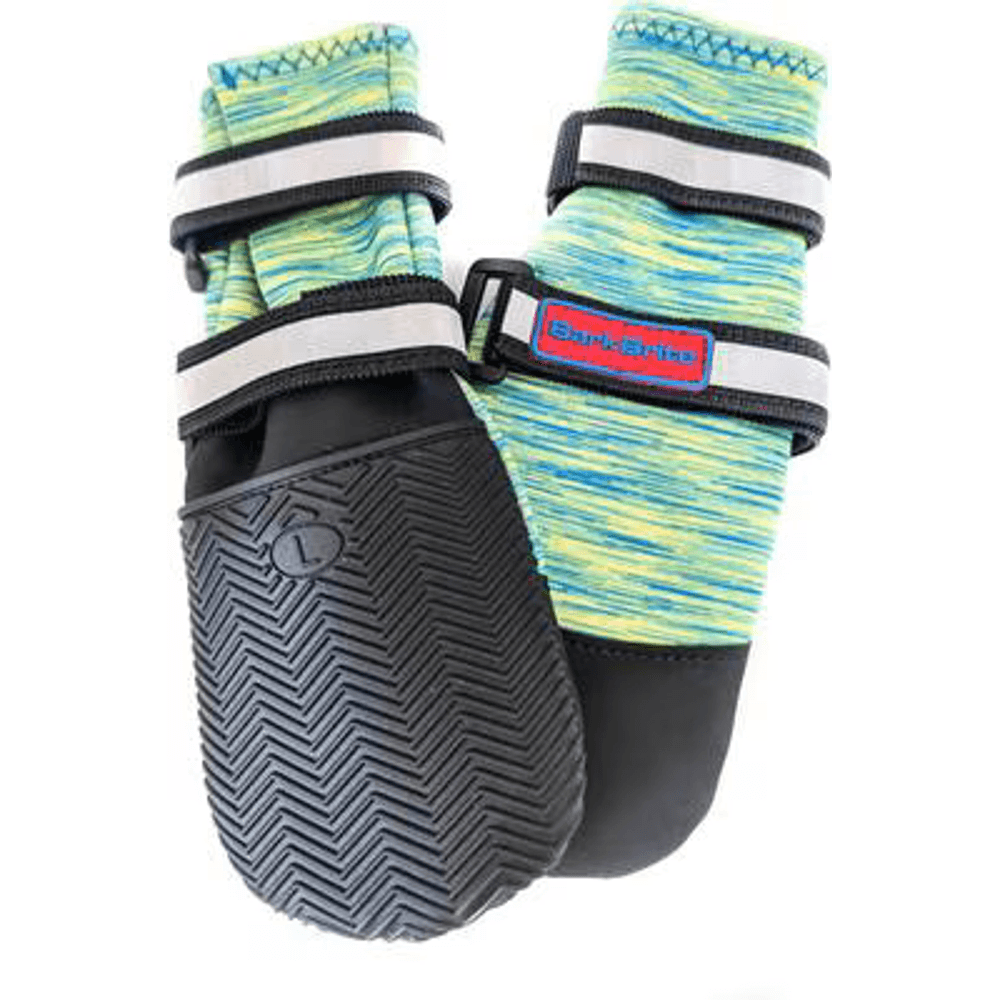
Grippy boots add traction on slick floors and protect sore paws outdoors, small help that keeps a stiff dog steadier.
Webvet may earn a commission when you click through to Chewy, at no extra cost to you.
What is really happening when your dog limps
A limp, which your vet calls lameness, is your dog unconsciously adjusting its gait to keep pressure off a part that hurts. The leg is a chain of moving parts: paw pads and nails, the bones, the joints, and the muscles, tendons, and ligaments that hold everything together and let it move. Pain or damage anywhere along that chain changes how the leg lands and pushes off, and you see the result as a hitch, a bob of the head, or a leg that barely touches down. Because the whole limb works as a unit, the spot your dog is protecting is not always the spot that hurts.
This is why the causes span such a wide range. At the mild end are the everyday mishaps: a torn nail, a cut pad, a thorn or grass seed wedged between the toes, or a muscle strain from an overenthusiastic sprint. In the middle sit the joint and soft-tissue problems that build over time, above all arthritis, which quietly stiffens older and larger dogs. At the serious end are fractures, dislocations, ligament tears such as the cranial cruciate rupture that is one of the most common orthopedic injuries in dogs, and, occasionally, infections such as an abscess or tick-borne Lyme disease. Two dogs can limp on the same leg for reasons that could not be more different, which is exactly why a lasting or severe limp earns a proper exam.

Sudden versus gradual: two very different stories
One of the first things a vet wants to know is how the limp started, because the timeline sorts the likely causes better than almost anything else. A limp that appears all at once, right after a jump, a hard run, or a rough landing, points toward an acute injury: a strain, a sprain, a torn nail, or a ligament that gave way. These dogs often hold the leg up at first, then start touching it down as the initial soreness eases. A limp that has crept in over weeks or months, that is worse first thing in the morning or after a nap and loosens up once your dog gets moving, has the fingerprints of arthritis or a developing joint problem instead.
There is also the frustrating middle case: the intermittent limp that comes and goes, fine one day and hitching the next. Owners often report a dog that limps after rest but runs it off, or one that only shows it on cold mornings. That pattern is common with early arthritis and with partial ligament tears, where the joint is unstable but not fully torn. It is easy to talk yourself out of a vet visit when the limp keeps disappearing, but a stop-start limp that recurs over a week or two is worth investigating rather than waiting for it to become constant.
| Likely cause | Other signs you might notice | How urgent |
|---|---|---|
| Paw or nail injury (thorn, cut pad, torn nail) | Licking the paw, a spot of blood, holding one paw up | Routine; check and clean, see a vet if swollen or not improving |
| Muscle or ligament strain | Limp after activity, eases with rest, mild | Routine; rest 24 to 48 hours, then recheck if no better |
| Arthritis or chronic joint disease | Stiff after resting, slow on stairs, worse in cold, older dog | Routine but ongoing; book a non-urgent exam and pain plan |
| Cruciate ligament tear | Sudden back-leg limp, toe-touching, swelling at the knee | Soon; see your vet within a day or two |
| Fracture or dislocation | Will not bear weight, leg looks deformed, severe pain | Urgent; see a vet today |
| Dragging or wobbly limb | Uncoordinated, weak, scuffed nails, sudden collapse | Emergency; seek care now (possible spinal or nerve problem) |
Front leg or back leg: what the location hints at
Which leg is affected offers another clue. Front-leg lameness often traces to the shoulder, elbow, wrist, or paw, and in some larger breeds to elbow dysplasia or growth-related conditions in young, fast-growing dogs. A classic sign of front-leg pain is a head bob: dogs lift the head as the sore front leg hits the ground and drop it onto the good one. Back-leg limps more often involve the hip, knee, or the cruciate ligament, and in small breeds a slipping kneecap, called a luxating patella, is a frequent culprit. Hip dysplasia tends to show up as a swaying, bunny-hopping gait in the rear, especially in large and giant breeds. You do not need to diagnose which structure is involved, but noting the leg and roughly where the discomfort seems to sit helps your vet zero in faster.
Limping but acting normal? Why it still matters
One of the most common worries owners search for is a dog that is limping but otherwise happy, eating, wagging, and even running around. It is reassuring, and often the limp really is minor, but a wagging tail is not proof that nothing is wrong. Dogs are stoic by nature and frequently mask pain, so a dog can have a partial ligament tear or early arthritis and still greet you at the door. The absence of crying or obvious distress is not a green light to ignore a limp that lasts, and it is certainly not a reason to push through with normal exercise. If the limp is paired with other changes, such as unusual tiredness or low energy, reduced appetite, or a warm, swollen joint, that combination raises the stakes and moves the visit up your list.

How your vet pinpoints the cause
A good lameness workup is methodical. Your vet usually starts by watching your dog walk and trot, because the gait reveals which leg is affected and how severely in a way that is hard to see standing still. Then comes the hands-on part: feeling and flexing each joint, pressing along the bones and muscles, and checking the paws and nails, watching all the while for the flinch, pull-away, or muscle tension that says here is the sore spot. This orthopedic exam is often enough to localize the problem to a region even before any imaging. It is also the reason vets discourage owners from manipulating or range-of-motion testing a painful leg at home, since untrained handling can worsen an injury or earn you a defensive bite from a hurting dog.
When the exam alone does not give a clear answer, or when the injury looks significant, X-rays are the usual next step to check for fractures, arthritis, hip and elbow changes, or joint disease. For some knee and ligament problems the vet may sedate your dog to feel for instability that a tense, painful patient will not allow while awake. Depending on the picture, blood work or a tick-borne disease test may be added, and complex or surgical cases can be referred to an orthopedic specialist. None of this is a foregone conclusion for a mild limp; it is the toolkit your vet draws from as the situation warrants.
What to expect: treatment, recovery, and cost
Treatment follows the diagnosis, and the good news is that most limps are managed conservatively. For strains, sprains, and soft-tissue soreness, the mainstays are rest, restricted activity, and a course of dog-safe anti-inflammatory pain relief, often with a recheck to confirm things are on track. Arthritis is managed rather than cured, typically with a combination of weight control, joint supplements, dog-appropriate pain medication, and gentle, consistent exercise, and increasingly with newer injectable treatments your vet can discuss. Ligament tears such as a full cruciate rupture, dislocations, and displaced fractures are the cases most likely to need surgery followed by a structured rehabilitation plan.

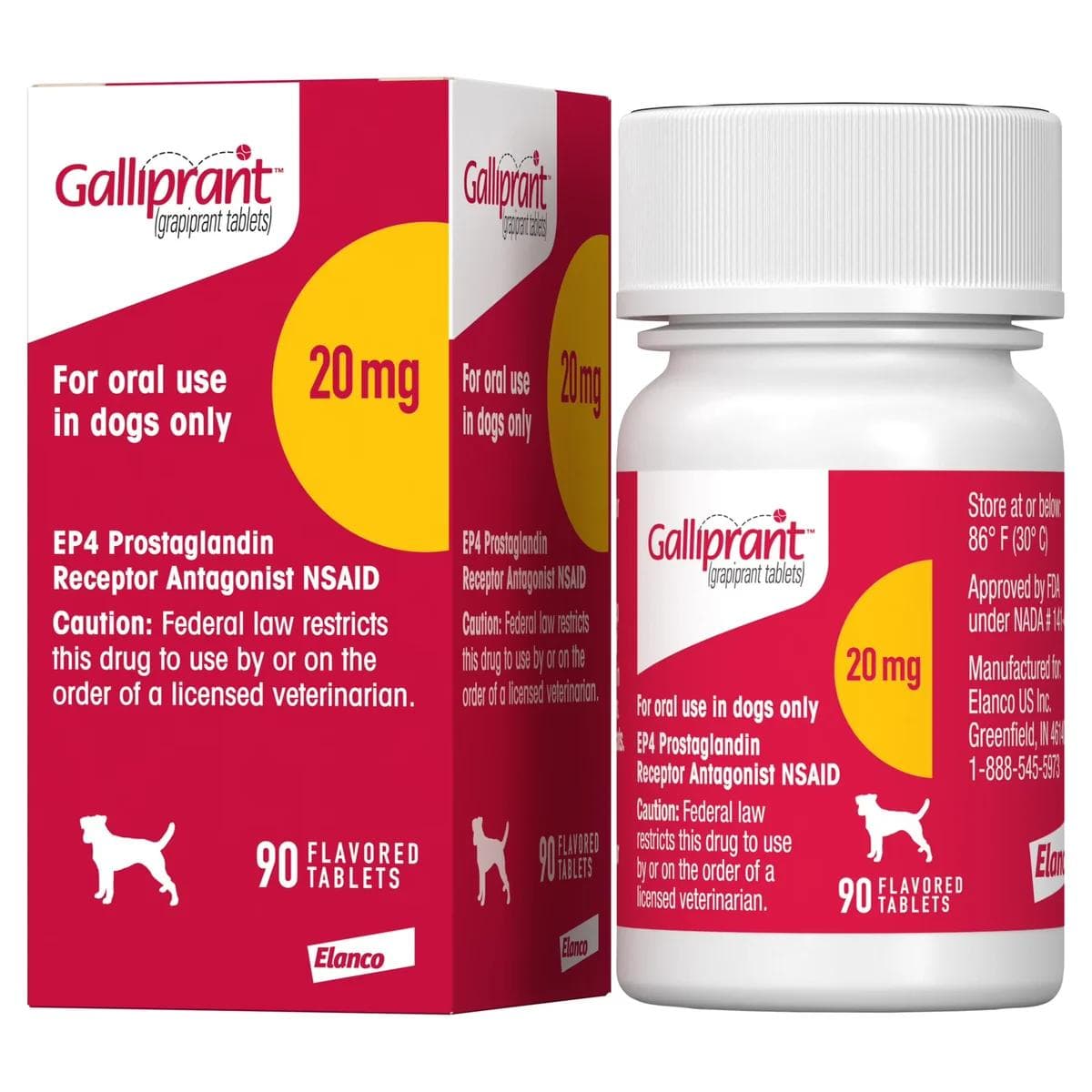
A prescription anti-inflammatory made for arthritis pain in dogs. It needs a vet's diagnosis, and it is why you never reach for human painkillers, which are toxic to dogs.
Webvet may earn a commission when you click through to Chewy, at no extra cost to you.
Recovery timelines vary just as widely. A minor strain or a sore pad often improves within a day or two of rest and resolves inside a week or two. A significant sprain can take several weeks of careful limits. Surgical repairs, cruciate procedures in particular, usually involve a couple of months of controlled recovery before a dog returns to full activity. Costs scale the same way, from an affordable exam and short medication course for a simple sprain up to a much larger investment for advanced imaging and orthopedic surgery. If cost is a concern, say so early: your vet can often stage the workup, start with the most useful test, and lay out options rather than everything at once.
Helping at home safely
For a mild limp in a dog that is otherwise bright, sensible home care buys useful information. Rest is the single most important thing: keep your dog quiet, skip the walks, jumping, and stairs, and use a leash even in the yard so a hurting dog cannot bolt and make things worse. Gently check the paw and pads for a cut, a broken nail, or something stuck between the toes, and look for obvious swelling or a wound higher up, but stop if your dog resents the handling. Give the leg 24 to 48 hours of genuine rest and watch the trend. Improving is a good sign; no change, worsening, a limp that keeps returning, or a dog that also goes off its food or seems generally unwell all mean it is time to book a visit. Skip the home remedies you might read about online, from human painkillers to essential oils, and let the exam guide what comes next.
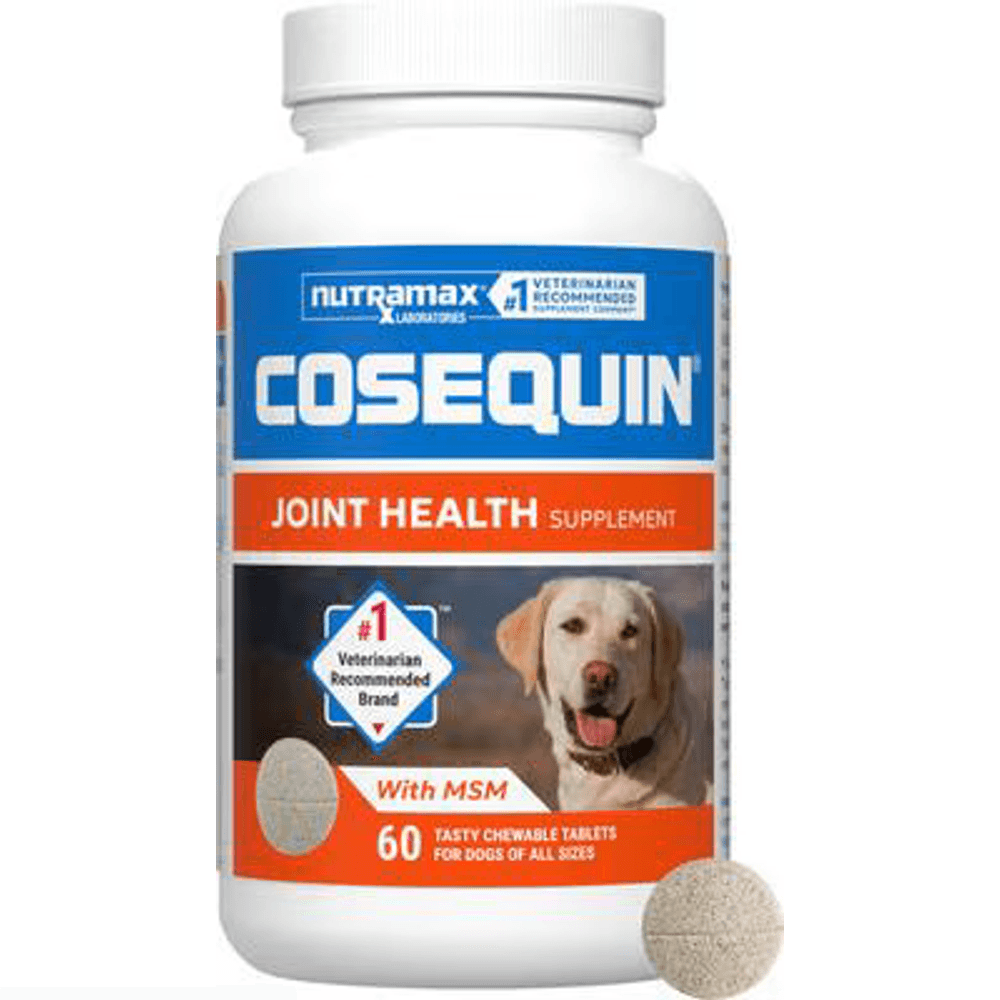
The number-one vet-recommended joint supplement. For an arthritic dog, glucosamine and chondroitin support cartilage as part of a long-term plan, not a fix for a sudden limp.
Webvet may earn a commission when you click through to Chewy, at no extra cost to you.
Lowering the risk over the long term
You cannot prevent every stumble, but you can stack the odds in your dog's favor, especially against the joint problems that cause so much lameness later in life. Keeping your dog at a lean, healthy weight is the most powerful lever you have, because every extra pound loads the joints and accelerates arthritis and ligament wear; if your dog is carrying too much, your vet can help build a safe plan, and unexplained weight changes in either direction are worth a mention too. Regular, moderate exercise keeps muscles strong and joints supported, but avoid the weekend-warrior pattern of a sedentary week followed by a punishing hike. Warm up an active dog before hard play, keep nails trimmed so the paw lands correctly, provide traction on slick floors, and for large breeds and known joint-risk lines, talk to your vet about joint-friendly care from a young age. Senior dogs benefit from ramps, softer bedding, and regular checkups that catch stiffness before it becomes a serious limp.

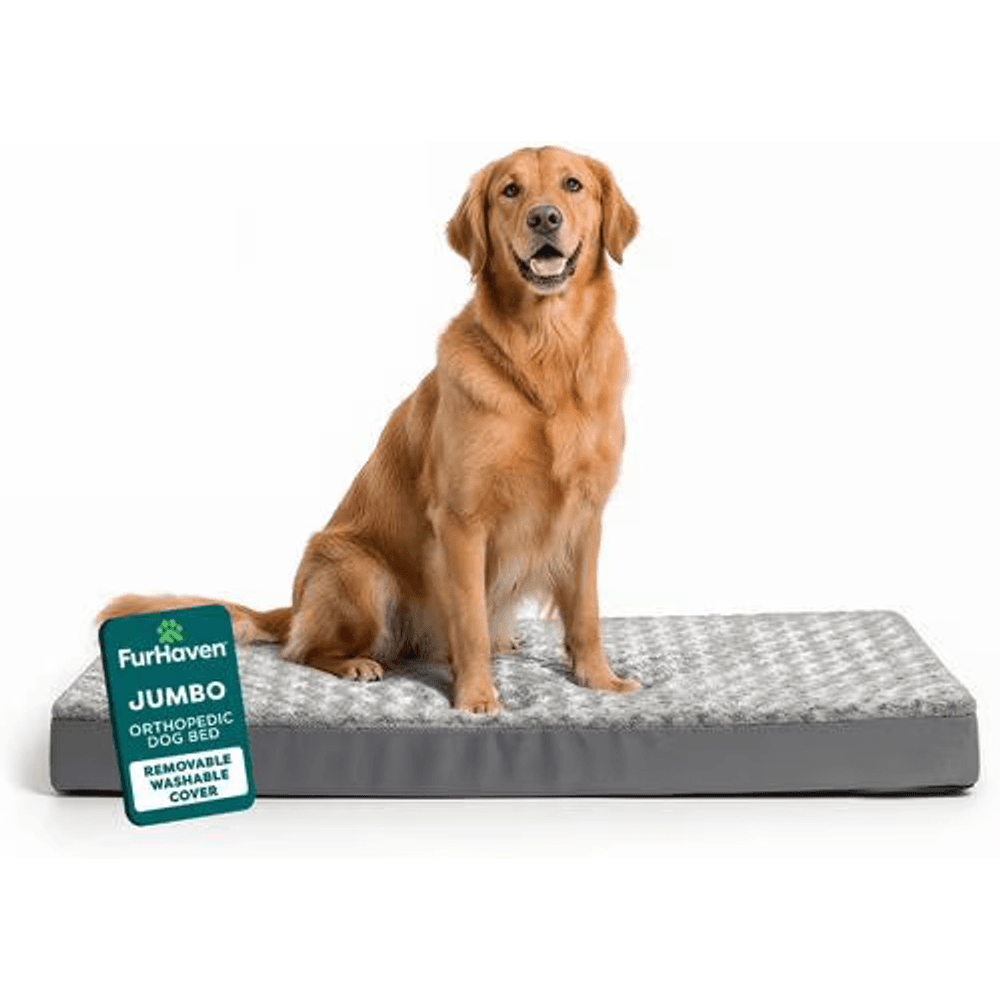
Rest is half the treatment for a sore joint. Orthopedic foam cushions hips and elbows instead of letting them press into a hard floor.
Webvet may earn a commission when you click through to Chewy, at no extra cost to you.
The takeaway is a balanced one. A brief limp in an otherwise happy dog is usually a minor, self-limiting problem that a couple of days of rest will sort out, and it does not mean you have missed something serious. At the same time, a limp is genuine pain talking, so it deserves your attention rather than a wait-and-see stretched over weeks. Watch the timeline, respect the red flags, keep the human medicine cabinet firmly shut, and when in doubt, a quick call or visit to your veterinarian is always the safest way to get your dog moving comfortably again.
Sources
Related reading from Webvet
Reviewed by the Webvet Veterinarian Team
This guide is general information, not a diagnosis, and does not replace an exam by your veterinarian. If your pet is in distress, contact your vet or an emergency clinic right away.