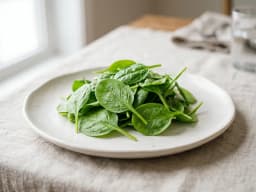
Can dogs eat spinach?
Safe in moderationPlain spinach is not a recognized dog toxin, but calcium oxalate stone risk is multifactorial; dogs with urinary disease need individualized guidance.


Medically reviewed by Dr. Athena Gaffud, DVM · Last reviewed
Can Dogs Eat Spinach?
A small plain spinach exposure is not a recognized dog poisoning event. Spinach contains oxalate, but it does not contain preformed urinary stones, and a bite cannot be turned into a dose-free claim of kidney injury or bladder stones.
- 1Spinach contains oxalate but does not contain preformed urinary stones.
- 2Canine calcium oxalate stone formation is multifactorial and incompletely understood.
- 3A small plain exposure does not prove kidney injury or stone formation.
- 4No spinach serving table or treatment schedule is evidence based.
- 5Do not change a therapeutic urinary or renal diet without the treating veterinarian.

Treats should stay under 10% of your dog's daily calories. JustFoodForDogs makes the rest of it.
- Recipes developed by veterinary nutritionists
- Whole-food ingredients you can recognise
- Fresh meals delivered to your door
Webvet may earn a commission when you click through to JustFoodForDogs, at no extra cost to you.
Is spinach safe for dogs?

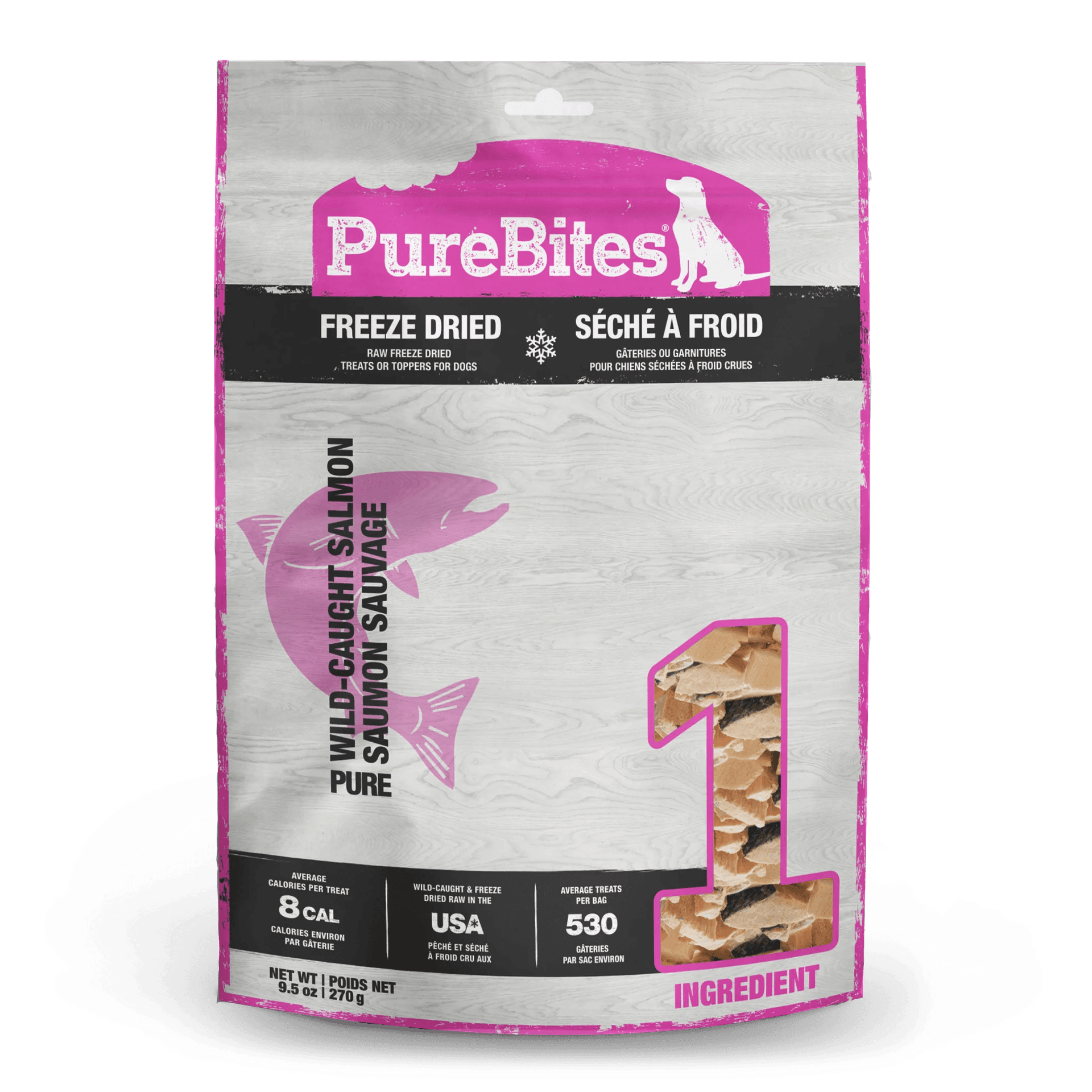
This is an optional dog treat. Review its current label, ingredients, calories, and feeding directions, and count it within the total daily extras.
Webvet may earn a commission when you click through to Chewy, at no extra cost to you.
Calcium oxalate stone formation is multifactorial and incompletely understood. Merck describes genetic, metabolic, urinary, and dietary factors. A food history may be part of evaluation, but one spinach exposure does not diagnose a stone or prove its cause.
Dogs with confirmed stones, kidney disease, bladder disease, recurrent urinary signs, or a therapeutic diet need individual veterinary guidance. These diagnoses are not interchangeable, and a blanket spinach ban for every urinary history is not evidence based.
Oxalate and urinary disease: what is established
Do not alter a prescription urinary or renal diet without the treating veterinarian. Even a non-toxic extra can change calories and nutrient targets or interfere with a controlled feeding plan. The reason for avoiding an extra may be plan integrity rather than proof that one leaf causes stones.
Spinach contains water, fiber, vitamins, minerals, plant compounds, and calories. Those composition facts do not establish vision, immune, blood, muscle, digestive, or antioxidant benefits from a treat-sized amount in a dog eating complete food.


This is an optional dog treat. Review its current label, ingredients, calories, and feeding directions, and count it within the total daily extras.
Webvet may earn a commission when you click through to Chewy, at no extra cost to you.
What spinach contains and what that does not prove
No evidence-based spinach serving, teaspoon table, or twice-weekly ceiling exists. If a veterinarian says a small plain amount fits a healthy dog, count it with all other extras and use a texture the dog can chew safely. Urinary signs need diagnosis rather than a food guess. Straining, frequent small urinations, blood in urine, pain, licking, accidents, or inability to pass urine warrants veterinary assessment; complete inability is an emergency. Stone type cannot be identified from spinach exposure or symptoms alone. Urinalysis, imaging, stone analysis, culture, blood work, and the dog's history may influence the plan. A dog already eating a prescription urinary diet should receive only the foods and treats approved for that formulation because extra ingredients can change its intended nutrient profile.
Cooking can change food chemistry, but the claim that steaming makes spinach clinically safe for stone-forming dogs needs method-specific food-science and veterinary evidence. Do not use household cooking as treatment for a urinary condition.
Why no universal spinach serving exists
A large unchopped leaf is not automatically an intestinal blockage. Physical risk depends on piece size, toughness, amount, chewing, and the dog. Chopping may make optional food easier to handle without implying every whole leaf is dangerous.

| Situation | Best next step |
|---|---|
| Small plain exposure | Monitor the individual dog |
| Confirmed stone or urinary disease | Follow the diagnosis-specific veterinary plan |
| Prescription urinary or renal diet | Add nothing without treating-veterinarian approval |
| Mixed spinach dish | Review every ingredient and amount |
| Urinary obstruction signs | Seek urgent veterinary care |
Plain spinach differs from creamed spinach, dip, quiche, salad, and seasoned leftovers. Check mixed foods for garlic, onion, chives, excessive sodium, rich sauces, raisins, nuts, packaging, and other ingredients. Assess each concern separately.
Raw vs cooked: how to prepare spinach
If a dog ate spinach, record the preparation, amount, mixed ingredients, packaging, medical history, prescription diet, and symptoms. A small plain exposure can usually be monitored; a concerning mixed dish or symptoms need advice. If the spinach was part of a salad, dip, omelet, pasta, frozen meal, or smoothie, collect the entire ingredient list. Raisins, grapes, onions, garlic, chives, xylitol, chocolate, alcohol, macadamia nuts, medications, skewers, and packaging each require their own assessment. Do not focus on spinach while overlooking a more important exposure. For a dog with previous stones, report the stone analysis if known, current prescription diet, supplements, medications, water intake, and recent urine results. Calcium oxalate, struvite, urate, cystine, and other stones do not share one prevention plan. Do not add urinary acidifiers, alkalinizers, calcium, vitamin C, or another supplement in response to spinach without veterinary direction. Encourage normal access to fresh water unless the veterinarian has given different instructions, but do not force water during vomiting or distress. Observe urination rather than repeatedly pressing the abdomen. A dog unable to pass urine needs emergency care. If a small plain exposure occurs in a healthy dog, note any gastrointestinal response and keep the remaining diet stable. One uneventful exposure does not prove a therapeutic benefit, and one episode of loose stool does not prove stone formation. Store spinach and mixed dishes away from compost and trash access. Mold, fermentation, discarded skewers, and spoiled sauces introduce risks unrelated to oxalate. During a food trial, keep spinach mixtures out because their other ingredients can invalidate results.
Urinary straining, repeated unproductive attempts to urinate, pain, blood in urine, vomiting, lethargy, or a firm painful abdomen warrants urgent veterinary assessment. These signs are important emergencies but should not be presented as the expected result of tasting spinach. Mixed spinach dishes require a separate ingredient review. Creamed spinach, dips, quiche, pasta, salads, smoothies, curries, and frozen meals may contain onion, garlic, dairy, salt, fat, raisins, xylitol, skewers, or packaging. Record whether the leaves were raw, cooked, spoiled, or part of a larger recipe and estimate the amount missing. Repeated vomiting, abdominal pain, marked lethargy, weakness, tremors, collapse, urinary straining, or suspected wrapper ingestion warrants prompt advice. A tolerated plain leaf remains an optional calorie, not a replacement for a complete diet or prescribed urinary care.
Risks and what to watch for
Do not diagnose oxalate disease from an ingredient list. Stone type and underlying conditions require veterinary testing, and prevention plans depend on the confirmed diagnosis, urine characteristics, hydration, and individual patient.

A dog eating complete food does not need spinach for vitamins. If vegetables are used as optional rewards, compare calories, texture, preparation, medical restrictions, and tolerance rather than claiming a lower-oxalate vegetable treats disease.
Choosing another optional dog treat
The practical answer is evidence-calibrated: plain spinach is not a universal toxin or remedy; medical and prescription-diet decisions belong to the treating veterinarian; and urinary signs require prompt care.
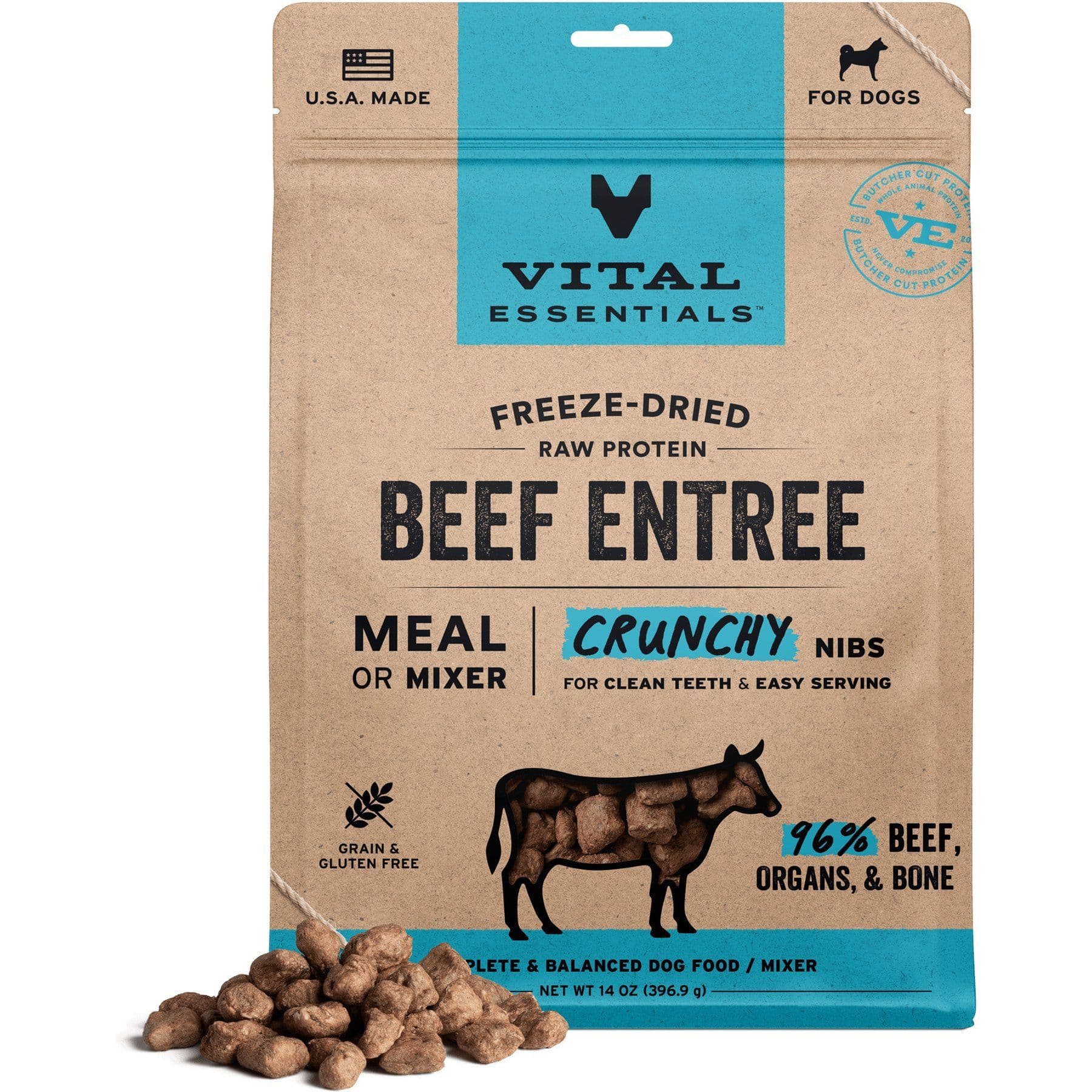
This is an optional dog treat. Review its current label, ingredients, calories, and feeding directions, and count it within the total daily extras.
Webvet may earn a commission when you click through to Chewy, at no extra cost to you.
Frequently Asked Questions
How much spinach can I give my dog?
A small plain spinach exposure is not known to cause stones in every dog.
Can dogs eat spinach raw or cooked?
Spinach contains oxalate, not preformed calcium oxalate urinary stones.
Is spinach a laxative for dogs?
Canine calcium oxalate stone formation is multifactorial and incompletely understood.
Can dogs with kidney disease eat spinach?
No evidence-based serving table, twice-weekly ceiling, or steaming treatment is established.

Stop offering any optional food that causes reproducible gastrointestinal signs and discuss the pattern with the veterinarian. Vomiting or diarrhea has many causes and does not prove oxalate injury. Keep dip tubs, frozen-meal film, skewers, and compost inaccessible so later symptoms can be assessed from a clear exposure history.
More safe treats
More vegetables for dogs
Sources
- Merck Veterinary Manual: Urolithiasis in Dogs
Canine calcium oxalate stone formation is multifactorial and incompletely understood; one food exposure is not a diagnosis or universal cause.
- Merck Veterinary Manual: Nutritional Requirements of Small Animals
Complete diets control nutrient intake; limited-ingredient home mixtures can be inadequate, and processed plant ingredients can be digested and used.
- AAHA: Nutritional Risk Factors
Noncomplete foods above 10 percent of daily calories can dilute essential nutrients, and medical and life-stage factors require individual assessment.
- Merck Veterinary Manual: Gastrointestinal Obstruction in Small Animals
Foreign-body risk depends on the object, amount, and patient rather than being guaranteed by a shell, hull, skin, seed, or bone.
Reviewed by Dr. Athena Gaffud, DVM
General guidance based on credible veterinary sources; not a diagnosis or a substitute for your veterinarian. If your pet ate something toxic or is unwell, contact your vet or a pet poison line right away.