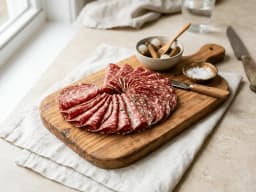
Can dogs eat salami?
Not recommendedSalami is not a useful dog treat. Risk depends on the exact product, amount, allium ingredients, sodium, fat, and the dog's health.


Medically reviewed by Dr. Athena Gaffud, DVM · Last reviewed
Can Dogs Eat Salami?
Salami is not a useful dog treat. Products vary in meat, fat, sodium, spices, garlic, onion, casing, and slice size, so the ingredient label and amount eaten are essential. A small plain-meat exposure and a large amount of an allium-seasoned product are not the same toxicologic event.
- 1Salami products vary, so risk cannot be assigned from the name alone.
- 2Check the label and amount for garlic, onion, sodium, fat, and nonfood packaging.
- 3Allium-related anemia signs may be delayed for several days.
- 4Salt toxicosis and pancreatitis are dose- and patient-dependent, not guaranteed by one slice.
- 5Do not induce vomiting unless a veterinarian or poison professional directs it.

Treats should stay under 10% of your dog's daily calories. JustFoodForDogs makes the rest of it.
- Recipes developed by veterinary nutritionists
- Whole-food ingredients you can recognise
- Fresh meals delivered to your door
Webvet may earn a commission when you click through to JustFoodForDogs, at no extra cost to you.
Is salami safe for dogs?
The word salami does not establish poisoning. Many products are calorie-dense and salty, and some contain garlic or onion, but composition is product-specific. Check the package or recipe, the weight or number of slices missing, the time, the dog's weight and history, water access, and current signs.

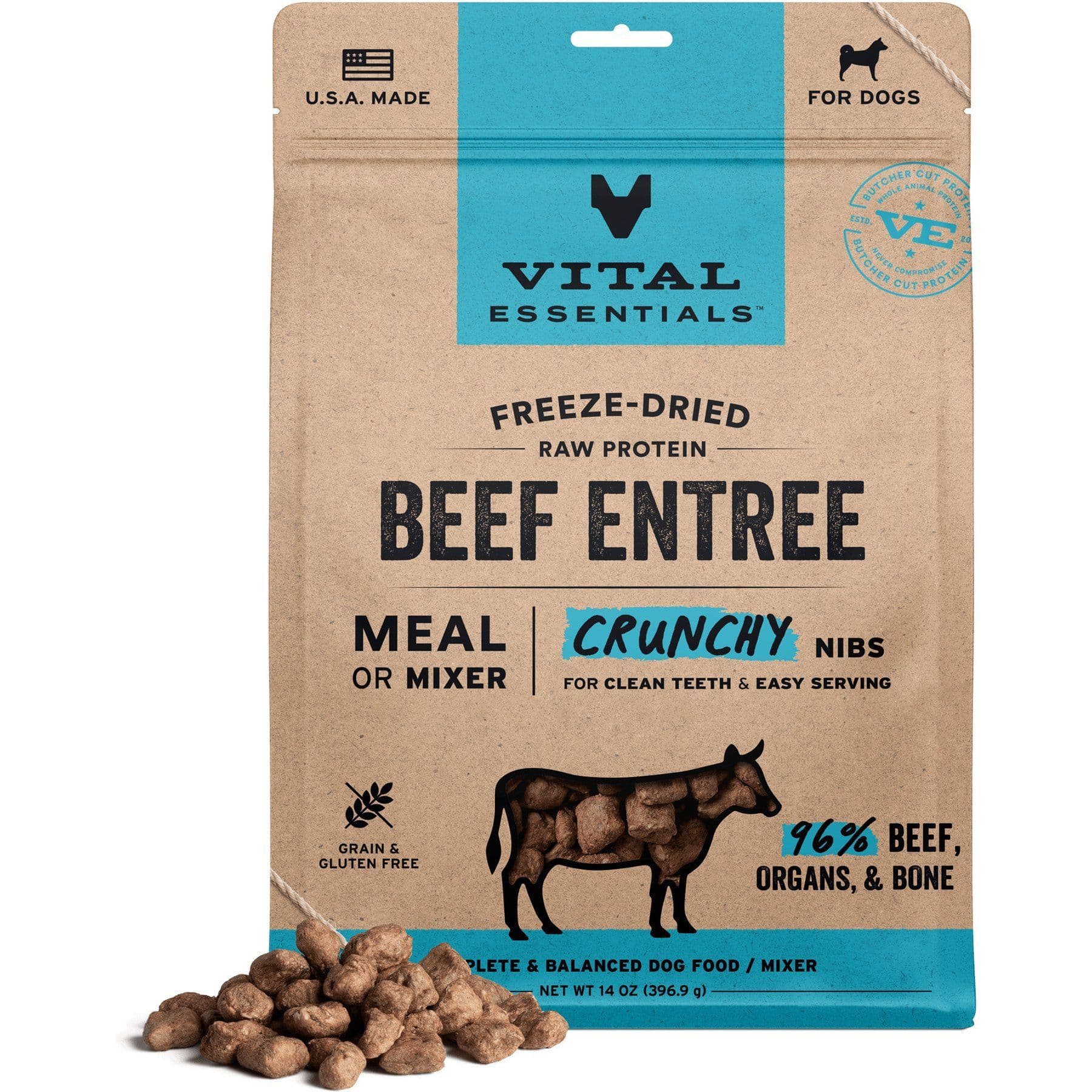
This is an optional dog treat. Review its current label, ingredients, calories, and feeding directions, and count it within the total daily extras.
Webvet may earn a commission when you click through to Chewy, at no extra cost to you.
Garlic, onion, chives, and leeks can damage red blood cells. Concentrated powders may create greater exposure than a trace flavoring, and anemia signs can be delayed for days. Sodium exposure must also be calculated from the product and amount; salty taste alone does not establish salt toxicosis.
Why salami is risky for dogs
Pancreatitis is multifactorial. A rich food may be undesirable for some dogs, especially one with a relevant history or prescribed low-fat plan, but no generic salami slice guarantees pancreatitis. Vomiting or abdominal pain after eating warrants clinical assessment rather than a home diagnosis.
Nitrates, saturated fat, and calories may make salami a poor routine extra without being an acute poison at every exposure. Keep nutritional suitability separate from toxicology. The urgent questions are actual hazardous ingredients, dose, symptoms, foreign material, and patient risk factors.

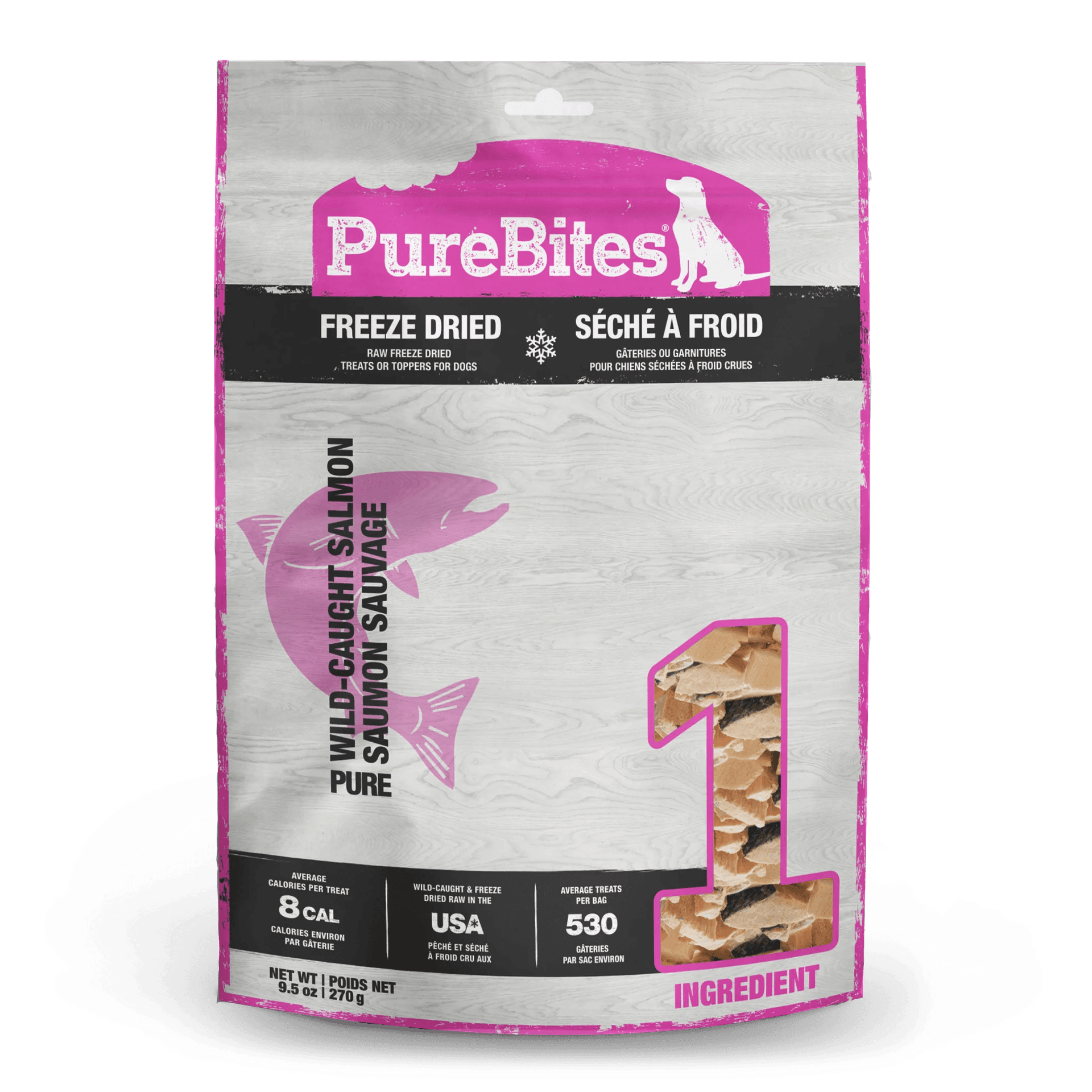
This is an optional dog treat. Review its current label, ingredients, calories, and feeding directions, and count it within the total daily extras.
Webvet may earn a commission when you click through to Chewy, at no extra cost to you.
A casing, string, clip, wrapper, or large unchewed piece can create a physical concern. Outcome depends on the object's size, shape, material, and the dog. Keep packaging for identification and tell the veterinarian if any nonfood material may be missing. Read the product rather than treating every cured meat as identical. Dry salami, cooked salami, peppered slices, snack sticks, summer sausage, deli sandwiches, and charcuterie mixes vary in sodium, fat, garlic, onion, spices, fermentation, casing, and serving mass. Keep the ingredient and nutrition panels and estimate the maximum amount missing. Include cheese, olives, grapes or raisins, nuts, chocolate, alcohol, toothpicks, skewers, paper, plastic, and the small absorbent or freshness packets that may have been accessible on a board or in the package.
Assessing a salami exposure
No body-size table can predict a salami outcome. A large dog can still have an important allium or packaging exposure, while a small dog that steals a tiny unseasoned crumb may only need observation. Product grams, ingredient concentration, sodium, medical history, and signs matter more than a breed example.
| Exposure detail | Why it matters |
|---|---|
| Exact product and grams | Slice size and composition vary |
| Garlic, onion, chive, or leek | Allium ingredients can injure red blood cells |
| Sodium and water access | Salt risk depends on dose and hydration context |
| Casing or packaging | Nonfood material creates a separate physical hazard |

What about pepperoni, hard salami, and deli meats?
If the amount is large or unknown, the product contains garlic or onion, packaging was swallowed, or the dog is symptomatic, contact a veterinarian or animal poison service promptly. Have the label and dog weight available so the professional can estimate the real exposure. When calling, have the dog's current weight, health conditions, medications, and time since exposure ready. If several pets had access, do not divide the missing amount evenly without evidence; report the maximum each dog could have eaten. Do not give milk, oil, bread, salt, charcoal, or another home remedy. Keep the dog quiet and prevent further access while waiting for instructions. If the product was homemade, ask the cook for the full recipe, including powdered seasonings and the approximate weight of salami used. If it came from a deli, request the ingredient or allergen sheet when possible. A photograph of the label and remaining slices can help establish product mass. Delayed allium signs mean that a veterinarian may recommend monitoring after the stomach appears normal. Follow any recheck or blood-test advice rather than using appetite alone as proof that the exposure was harmless. Refrigerate or bag the remaining product instead of discarding it before the exposure has been identified. Note whether the dog drank normally and whether diarrhea or vomiting began before or after the salami. A preexisting stomach problem can change triage and should not automatically be blamed on the food.
Do not induce vomiting unless a veterinarian or poison professional directs it. Home emesis methods can cause additional injury, and whether decontamination is appropriate depends on timing, substance, amount, and the dog's condition.
What to do if your dog ate salami
Watch for repeated vomiting, marked diarrhea, abdominal pain, weakness, pale or yellow gums, rapid breathing, dark urine, tremors, disorientation, seizures, collapse, or inability to keep water down. Delayed anemia signs after allium exposure deserve specific attention even if the dog first appears normal.
For a routine reward, use a measured portion of complete dog food or a veterinarian-approved treat that fits the calorie and medical plan. Salami is hard to assess, easy to overfeed, and may introduce unnecessary sodium, fat, and seasonings. After a salami raid, report the dog's weight, health conditions, water access, timing, product sodium, and current signs. Repeated vomiting, abdominal pain, marked lethargy, weakness, pale gums, rapid breathing, dark urine, tremors, collapse, or suspected casing, skewer, or wrapper ingestion warrants prompt advice. Allium-related anemia can appear after the dog initially seems normal. Keep fresh water normally available, but avoid forced drinking, salt, oil, bread, milk, charcoal, hydrogen peroxide, or human medication unless a veterinarian gives case-specific directions.
Choosing another planned dog treat
Do not substitute another cured meat without checking it. Pepperoni, sausage, deli meat, and jerky also vary in alliums, sodium, fat, sweeteners, preservatives, and packaging. The category name never replaces the actual label.

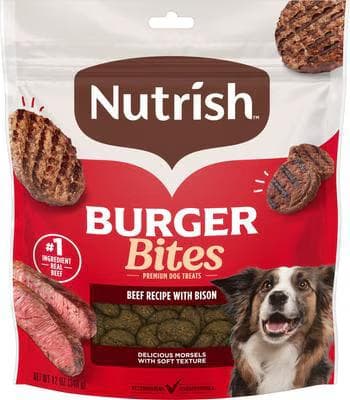
This is an optional dog treat. Review its current label, ingredients, calories, and feeding directions, and count it within the total daily extras.
Webvet may earn a commission when you click through to Chewy, at no extra cost to you.
Dogs with pancreatitis history, heart or kidney disease, hypertension, gastrointestinal disease, obesity, or a therapeutic diet may have tighter restrictions, but the diagnosis does not supply a universal toxicity threshold. Ask the treating veterinarian what extras fit.
Frequently asked questions
Can dogs have a little salami?
A tiny plain crumb is not automatically poisoning, but check the exact product and monitor the dog.
Can salami kill a dog?
Garlic and onion are not present in every salami; use the actual ingredient list and amount.
What deli meats can dogs eat?
No slice count or body-size table can predict salt, allium, pancreatitis, or obstruction risk.
Is cooked salami any safer for dogs?
Keep fresh water available, but do not force water or use home remedies after a concerning exposure.
My dog ate salami, what should I do?
Contact a professional for a large or unknown amount, allium ingredient, swallowed packaging, or symptoms.

The useful response is exposure-specific: identify the product, measure what is missing, preserve packaging, observe the dog, and seek advice when an ingredient, amount, object, or symptom is concerning.
Safe alternatives
More meat & seafood for dogs
Sources
- Merck Veterinary Manual: Garlic and Onion Toxicosis
Allium risk depends on the actual ingredient, concentration, amount, species, and patient; anemia signs can be delayed for days.
- Merck Veterinary Manual: Salt Toxicosis in Animals
Salt toxicosis follows excessive sodium exposure, particularly with restricted water; sodium's presence alone does not establish poisoning.
- Merck Veterinary Manual: Pancreatitis in Dogs and Cats
Pancreatitis is multifactorial; diet recommendations and risk assessment differ by species, patient, diagnosis, and total nutrient intake.
- Merck Veterinary Manual: Gastrointestinal Obstruction in Small Animals
Foreign-body risk depends on the object, amount, and patient rather than being guaranteed by a shell, hull, skin, seed, or bone.
Reviewed by Dr. Athena Gaffud, DVM
General guidance based on credible veterinary sources; not a diagnosis or a substitute for your veterinarian. If your pet ate something toxic or is unwell, contact your vet or a pet poison line right away.