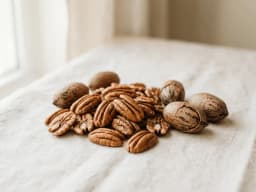
Can dogs eat pecans?
Not recommendedFresh, plain pecans are not established canine poisons, but shells and moldy nuts pose separate risks. Check the amount, condition, and symptoms.


Medically reviewed by Dr. Athena Gaffud, DVM · Last reviewed
Can Dogs Eat Pecans?
Pecans are not a useful routine dog treat, but a fresh plain kernel is not established as an intrinsic canine poison. The relevant concerns are calories and fat, the size and shape of a whole nut or shell, and possible mycotoxins when a nut is visibly moldy, spoiled, or part of a recalled product. Assess the actual amount and form instead of assuming poisoning from every pecan.
- 1Fresh plain pecan kernels are not established as an intrinsic canine poison, but they are calorie-dense and are not a useful routine treat.
- 2Moldy, spoiled, or recalled nuts are a different exposure because molds can produce mycotoxins.
- 3A whole nut or shell may be a choking or foreign-body concern depending on its size, shape, and the dog.
- 4For pie, candy, or trail mix, check for chocolate, xylitol, raisins, alliums, alcohol, and other ingredients separately.
- 5Call a veterinarian for neurologic signs, repeated vomiting, a painful abdomen, breathing difficulty, or a concerning amount or product.

Treats should stay under 10% of your dog's daily calories. JustFoodForDogs makes the rest of it.
- Recipes developed by veterinary nutritionists
- Whole-food ingredients you can recognise
- Fresh meals delivered to your door
Webvet may earn a commission when you click through to JustFoodForDogs, at no extra cost to you.
Are pecans safe for dogs?
Pecans sit in an awkward middle ground. They are not on the short list of foods, like grapes, raisins, onions, and xylitol, that are considered outright toxic in tiny amounts. At the same time, no reputable veterinary source recommends feeding them. The American Kennel Club, PetMD, and the ASPCA all agree that pecans are best avoided, and most veterinarians put them in the same category as macadamia and other high-fat tree nuts that dogs simply should not have. The distinction matters for how you react. If your dog snatches a single plain nut off the floor, you are usually dealing with a watch-and-wait situation rather than a full emergency. If your dog raids a bowl of candied pecans or eats a slice of pecan pie, the calculation changes quickly.

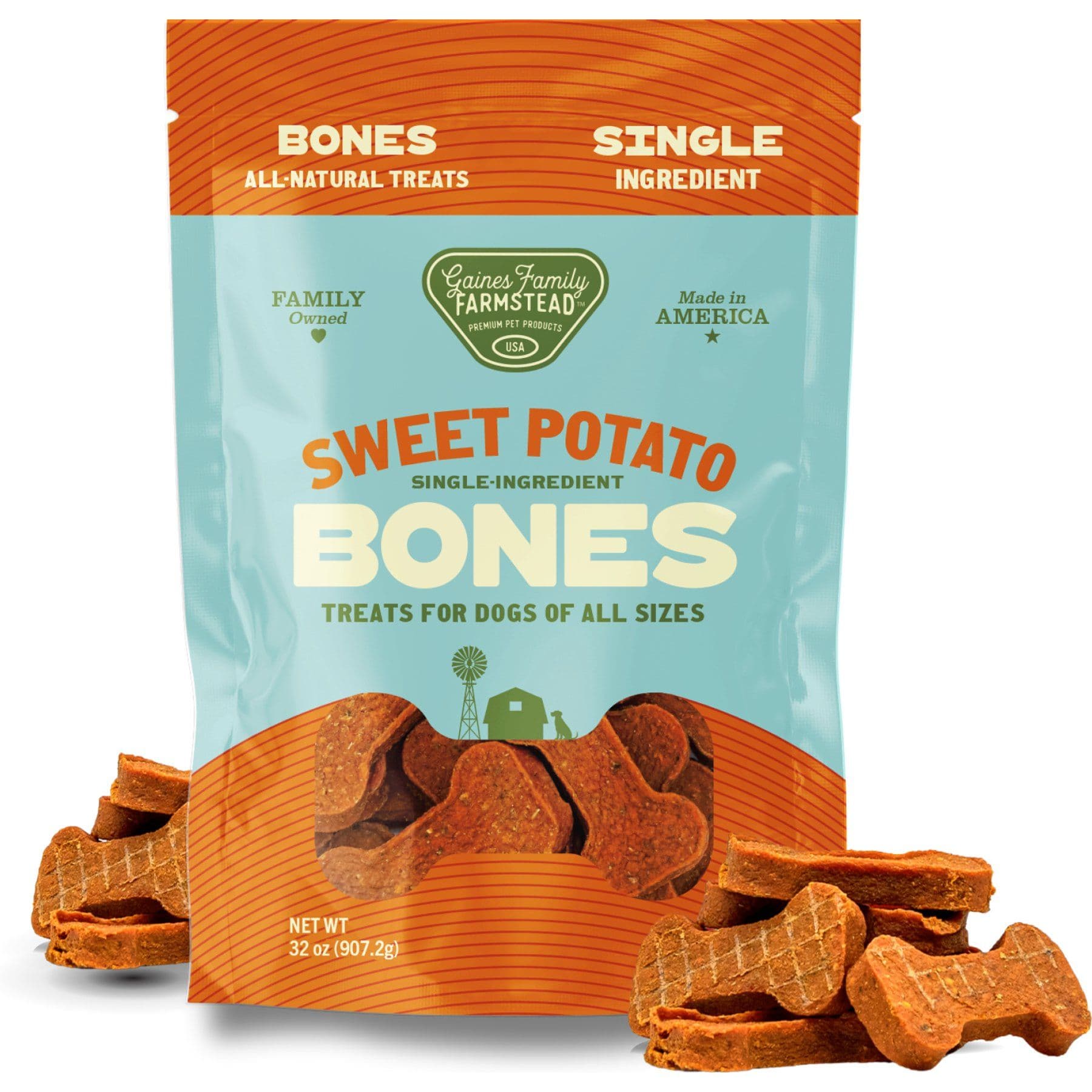
This is an optional dog treat. Review its current label, ingredients, calories, and feeding directions, and count it within the total daily extras.
Webvet may earn a commission when you click through to Chewy, at no extra cost to you.
The reason pecans never earn a place in a dog's diet is that they offer nothing a dog needs. Dogs get their essential fats and minerals from a complete, balanced diet, and the fat, fiber, manganese, and copper in a pecan are already covered by good dog food. Adding a fatty nut on top only introduces risk without any benefit. When you weigh a small chance of a real problem against zero nutritional upside, the honest recommendation is to skip pecans altogether and reach for a dog-safe snack instead.
Why pecans are risky for dogs
Pecans carry four separate hazards, and any one of them can cause trouble. The first is fat. Pecans are roughly seventy percent fat by weight and pack close to seven hundred calories per one hundred grams, which makes them one of the fattiest nuts a dog can encounter. Dietary indiscretion is a reported canine pancreatitis risk factor, but an undefined pecan exposure does not predict that an individual dog will develop pancreatitis. Signs of pancreatitis include repeated vomiting, a hunched or tucked-up posture, loss of appetite, diarrhea, and lethargy, and it often needs veterinary care to resolve. Small dogs and breeds already prone to pancreatitis, such as Miniature Schnauzers, are at higher risk from even a modest amount.
The evidence-based toxicology concern is mold contamination, not an established intrinsic pecan-kernel toxicosis. Merck describes tremorgenic illness after access to moldy foods, including some nuts, and notes that no simple dose-effect relationship has been established. Visible mold, spoilage, compost exposure, a recall, or neurologic signs warrants prompt veterinary advice; a fresh inspected kernel should not be described as the same exposure.

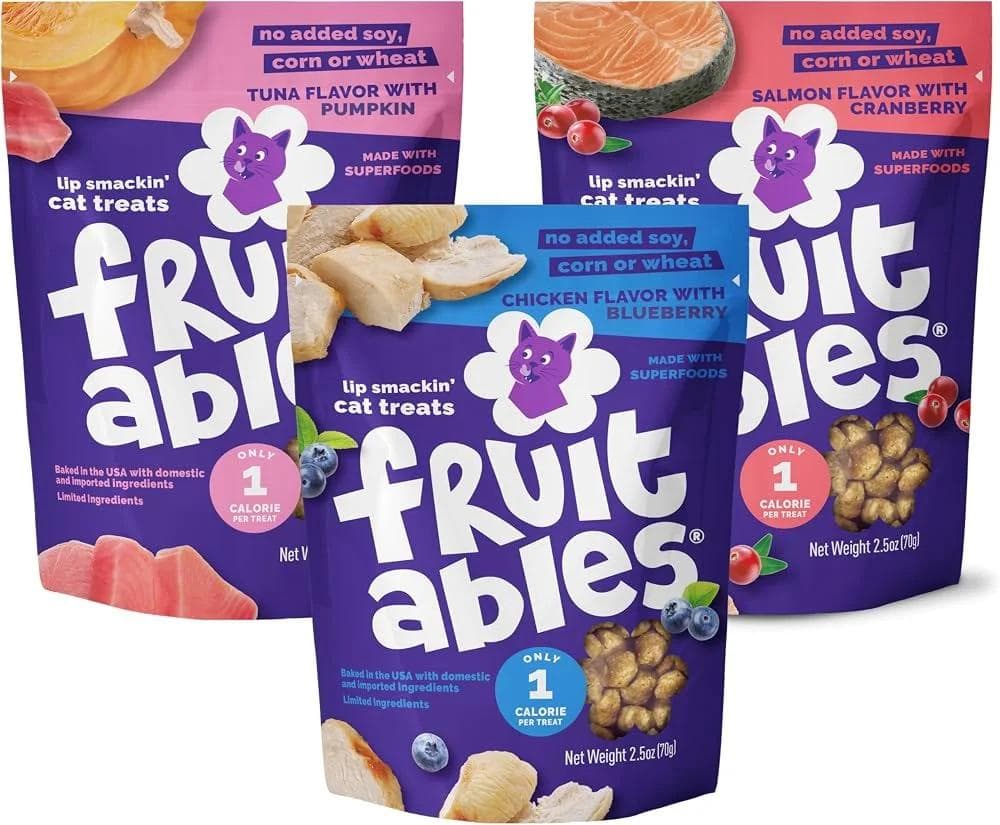
This is an optional dog treat. Review its current label, ingredients, calories, and feeding directions, and count it within the total daily extras.
Webvet may earn a commission when you click through to Chewy, at no extra cost to you.
The fourth hazard is purely physical. A whole pecan is a compact, hard object, and the shells are jagged. Either can lodge in the throat and cause choking, or pass into the stomach and create a blockage in the intestines, particularly in small dogs, puppies, or dogs that gulp food without chewing. An intestinal obstruction is a surgical emergency, so the size of your dog and whether the nut was shelled both matter. None of these risks is guaranteed to happen from one nut, but together they explain why every major veterinary source lands on the same conclusion: pecans are not worth the gamble.
It also helps to see where pecans sit among other nuts. The one nut that is truly toxic to dogs is the macadamia nut, which can cause weakness, tremors, and vomiting even in tiny amounts. Walnuts, especially moldy black walnuts, require their own toxicology assessment. For pecans, distinguish a fresh kernel from a moldy or spoiled nut, and assess a swallowed whole nut or shell as a possible foreign body based on the patient and object rather than as a guaranteed obstruction.
Pecan pie, candied, and salted pecans are worse
The way a pecan is prepared changes how dangerous it is. A plain, fresh, shelled pecan is the least risky form, and it is still not something you should offer on purpose. Everything humans do to make pecans tastier makes them worse for dogs. Pecan desserts vary by recipe. Calories and fat make them poor routine treats, but the urgent toxicology assessment depends on confirmed ingredients such as chocolate, xylitol, raisins, alliums, or alcohol and on the amount eaten. Sugar or butter alone does not establish poisoning.

Salted pecans and seasoned nut mixes add sodium that dogs do not need and can leave a small dog feeling ill or excessively thirsty. Trail mixes are especially risky because they often hide raisins, chocolate chips, and macadamia nuts alongside the pecans, and each of those is more toxic than the pecan itself. If your dog gets into any flavored, coated, baked, or mixed pecan product, treat it more seriously than a single plain nut and be ready to describe exactly what was in it when you call your vet or a poison line.
How much is dangerous, and what if my dog ate a pecan?
Pecans have no established toxic-dose threshold. Assess the actual product and amount, nut condition, shell or whole-nut exposure, dog size and history, and symptoms. A fresh kernel is different from a moldy or spoiled nut, a possible foreign body, or a dessert containing a confirmed toxin; do not use a one- or two-nut home-monitoring rule.
| Exposure | What changes the assessment |
|---|---|
| Fresh plain kernel | Amount, dog size, symptoms, and medical history |
| Whole nut or shell | Object size and shape, patient size, swallowing signs, and GI signs |
| Moldy, spoiled, composted, or recalled nut | Possible mycotoxin exposure; call for veterinary guidance |
| Pie, candy, or trail mix | Exact label or recipe, amount, and any chocolate, xylitol, raisins, alliums, or alcohol |
| Uncertain or symptomatic exposure | Call a veterinarian with the product, amount, timing, dog weight, and observed signs |
If your dog has already eaten a pecan, do not panic, but do act deliberately. Take away any remaining nuts so your dog cannot eat more, and figure out roughly how many were eaten and what form they were in. For one plain nut in a healthy adult dog, you can usually monitor at home and offer fresh water. Do not try to make your dog vomit unless a veterinarian or poison-control expert tells you to, because inducing vomiting incorrectly can cause its own problems. Watch for vomiting, diarrhea, belly pain, weakness, drooling, or any twitching or unsteadiness, and if any of those appear, get veterinary help promptly.

Signs to watch for after a dog eats pecans
Most symptoms show up within a few hours to a day. Early digestive signs include vomiting, diarrhea, drooling, and a loss of appetite. Pancreatitis tends to bring a hunched posture, a tender belly, restlessness, and ongoing vomiting. The most serious signs point to mycotoxins from mold and include muscle tremors, twitching, difficulty walking, and seizures; these are always an emergency. A physical blockage may cause repeated vomiting, straining without producing stool, a swollen or painful abdomen, and lethargy. Because the signs overlap and can escalate, it is better to call for advice early than to wait and see whether a serious symptom develops.
Safe alternatives to pecans
If you want to give your dog that satisfying crunch without the risks of a fatty tree nut, there are much better options. Carrots are low in calories, high in fiber, and gentle on the stomach, and raw carrot sticks give dogs something firm to chew. Apples (with the seeds and core removed) deliver a sweet, crisp bite along with vitamin C and fiber. Both are widely recommended by veterinarians as everyday treats, and unlike pecans they carry real nutritional value with very little risk. Plain green beans, blueberries, and small pieces of plain cooked chicken are other reliable choices when you want to reward your dog.
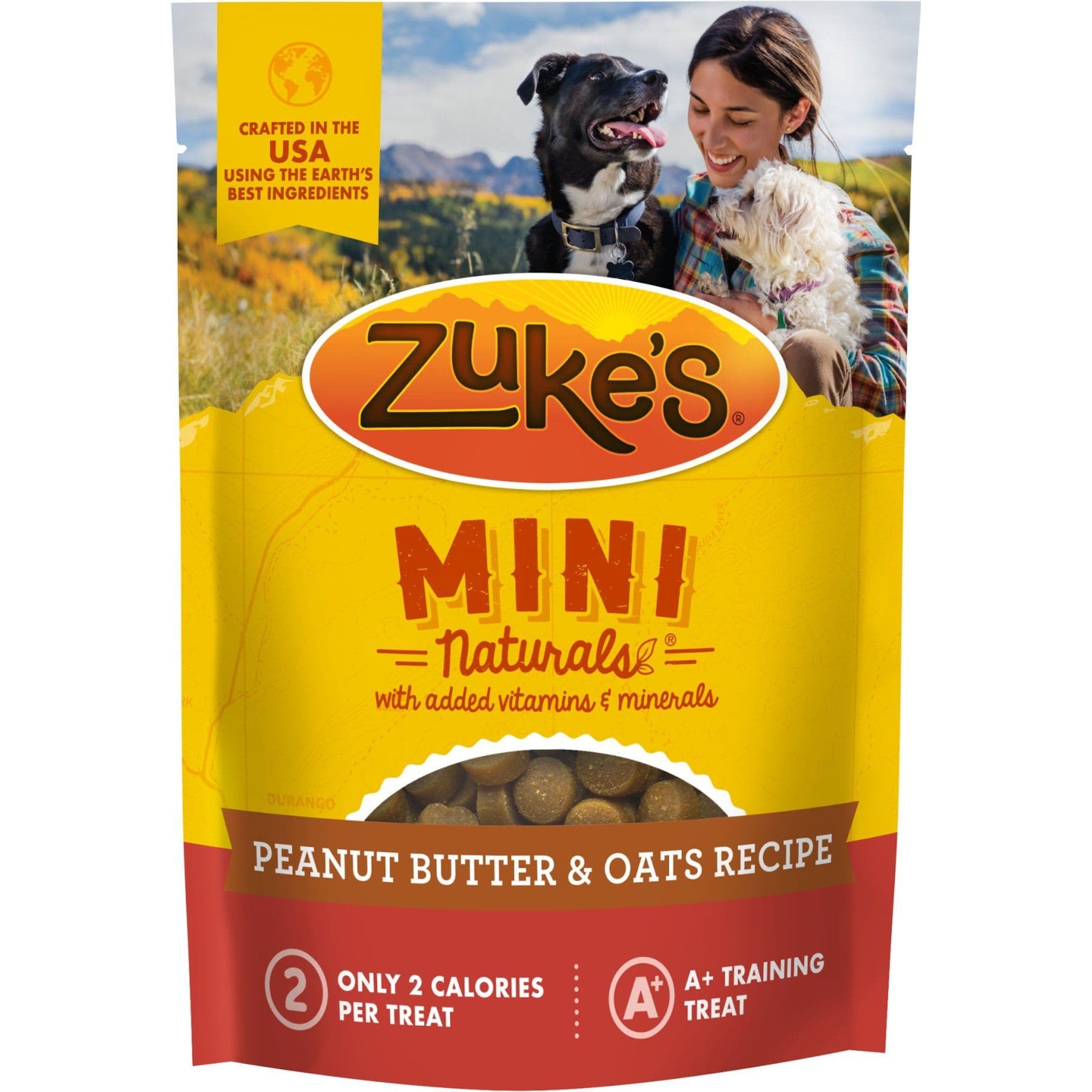
This is an optional dog treat. Review its current label, ingredients, calories, and feeding directions, and count it within the total daily extras.
Webvet may earn a commission when you click through to Chewy, at no extra cost to you.
Whatever treat you choose, keep it to about ten percent of your dog's daily calories, introduce it in small amounts, and cut everything into bite-sized pieces. Sticking to a short list of vet-approved fruits and vegetables makes it easy to reward your dog often without ever second-guessing whether a snack is safe.
Frequently asked questions
Will one pecan hurt my dog?
One plain, fresh pecan is unlikely to seriously harm a healthy medium or large dog, though it may cause mild stomach upset. It is a bigger concern for a small dog or puppy because of choking and blockage risk, and it is more worrying if the nut was moldy. Watch for vomiting, diarrhea, or tremors and call your vet if anything seems off.
What nuts are toxic or unsafe for dogs?
Macadamia nuts are directly toxic to dogs and should never be fed. Pecans, walnuts, and almonds are not classed as toxic but are discouraged because of their fat content, choking risk, and tendency to grow mold. Black walnuts and any moldy nuts are especially dangerous. Peanuts are the usual exception, since plain unsalted peanuts are generally considered safe in small amounts.
My dog ate pecan pie. What should I do?
Treat pecan pie as more urgent than a plain nut. It combines a high fat and sugar load, which raises pancreatitis risk, and some recipes contain chocolate or xylitol, which are toxic. Call your veterinarian or Pet Poison Helpline (855-764-7661) and be ready to say how much was eaten, your dog's weight, and whether the pie contained chocolate or a sugar-free sweetener.
Can dogs eat pecans from the tree or the yard?
No, and fallen pecans are actually the most dangerous kind. Nuts left on the ground are the most likely to grow mold that produces tremor-causing toxins, and the mold is often invisible. If you have a pecan tree, rake up fallen nuts regularly and keep your dog away from the area, since even the shells can cause choking or a blockage.

The bottom line: do not use pecans as a routine treat, but assess an exposure accurately. A fresh plain kernel is not the same as a moldy nut, a swallowed shell, or a dessert containing a confirmed toxin. Call for veterinary guidance when the amount, product, symptoms, or foreign-body risk is concerning.
Safe alternatives
More nuts & seeds for dogs
Sources
- Merck Veterinary Manual: Tremorgenic Neuromycotoxicosis in Dogs
Moldy foods, including some nuts, can expose dogs to tremorgenic mycotoxins; Merck does not establish a simple dose-effect relationship.
- ASPCA: Black Walnut
ASPCA's dog concern is black walnut and moldy nuts or hulls, not a demonstrated intrinsic juglone toxicosis from edible pecan kernels.
- Merck Veterinary Manual: Pancreatitis in Dogs and Cats
Dietary indiscretion is a risk factor in dogs, but pancreatitis cannot be predicted from an undefined nut exposure.
- Merck Veterinary Manual: Gastrointestinal Obstruction in Small Animals
Foreign-body risk depends on object size, shape, patient size, location, and clinical course; some small smooth objects pass.
- AAHA: Nutritional Risk Factors
Optional foods should be counted within the daily calorie budget and should not displace complete nutrition.
Reviewed by Dr. Athena Gaffud, DVM
General guidance based on credible veterinary sources; not a diagnosis or a substitute for your veterinarian. If your pet ate something toxic or is unwell, contact your vet or a pet poison line right away.