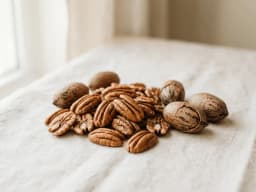
Can cats eat pecans?
Not recommendedFresh plain pecans are not established feline poisons. Whole nuts or shells may be physical hazards, and moldy nuts require a separate assessment.


Medically reviewed by Dr. Athena Gaffud, DVM · Last reviewed
Can Cats Eat Pecans?
No, cats should not eat pecans. They are not classified as acutely poisonous the way chocolate or onions are. A fresh plain kernel is not established as an intrinsic feline poison, but pecans are calorie-dense and are not a useful routine treat. A whole nut or shell may be a physical hazard depending on its size, shape, and the individual cat; moldy or spoiled nuts require a separate assessment.
- 1Pecans are not a useful routine cat treat; distinguish a fresh kernel from a moldy or spoiled nut and from a swallowed shell.
- 2A complete and balanced cat food should supply required nutrients; do not use a zero-nutrition claim to describe an accidental pecan exposure.
- 3One tiny plain crumb is unlikely to poison a cat, but it should never be a treat you offer on purpose.
- 4Whole nuts and shell fragments are a genuine choking and blockage risk for a small cat.
- 5Pecan pie, candied pecans, and chocolate-pecan treats add sugar, butter, and sometimes toxic ingredients on top of the fat.

Treats should stay under 10% of your cat's daily calories. Smalls makes the rest, built around the meat an obligate carnivore actually needs.
- Human-grade ingredients, protein first
- Built for obligate carnivores
- Fresh meals delivered to your door
Webvet may earn a commission when you click through to Smalls, at no extra cost to you.
Why pecans are a poor choice for cats
The core problem is that a cat's whole body is designed around meat. As obligate carnivores, cats extract their nutrition from animal protein and fat, not from plants, and they cannot even taste sweetness, so the appeal humans find in a pecan is lost on them. Pecans are calorie-dense, but the clinical significance of an accidental bite depends on the amount and the individual cat. Even a small amount can trigger vomiting or diarrhea. A high-fat exposure may be relevant to an individual clinical assessment, but an accidental crumb does not establish pancreatitis.

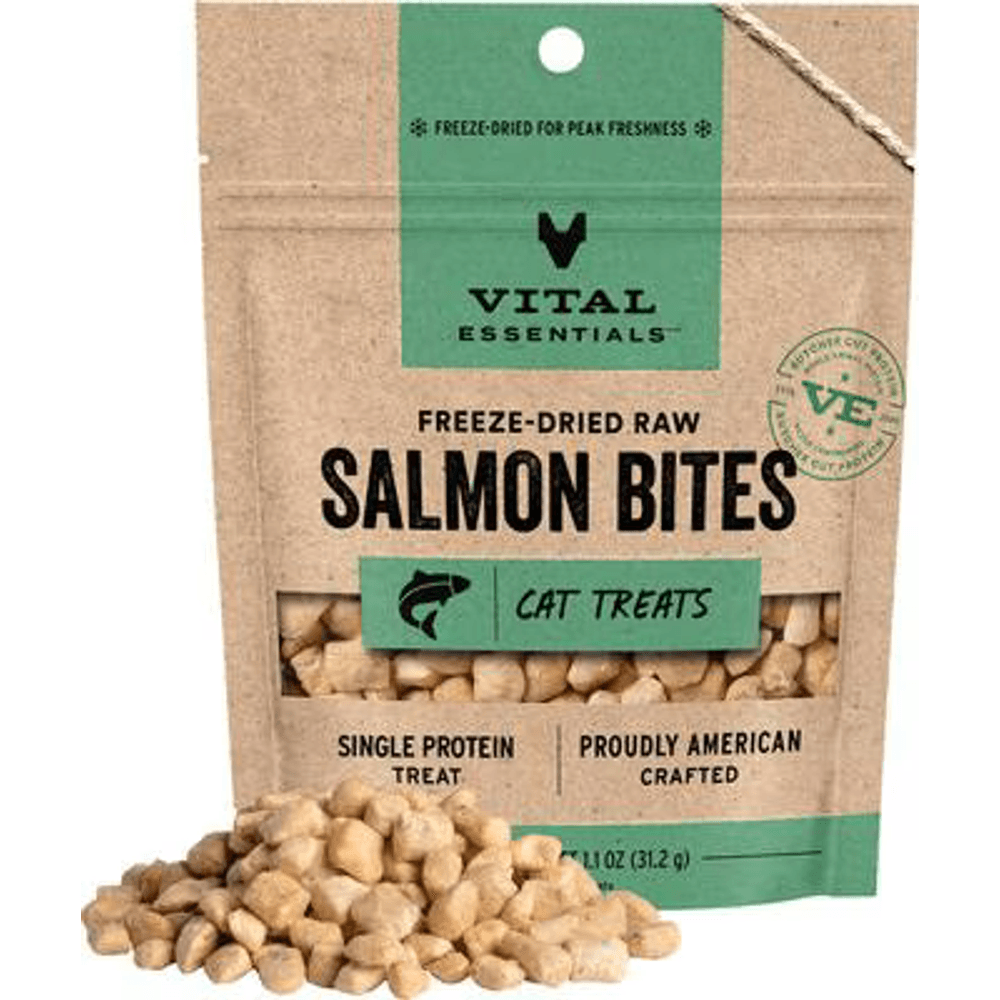
This is an optional cat treat. Review its current label, ingredients, calories, and feeding directions, and count it within the total daily extras.
Webvet may earn a commission when you click through to Chewy, at no extra cost to you.
Do not transfer black-walnut toxicology to edible pecan kernels without evidence. Moldy food can contain mycotoxins, but the Merck tremorgen account is centered on dogs and does not show that a fresh pecan uniquely poisons cats. Use the nut's condition, amount, any shell, the cat's size and history, and clinical signs to decide whether veterinary advice is needed.
The main risks of pecans for cats

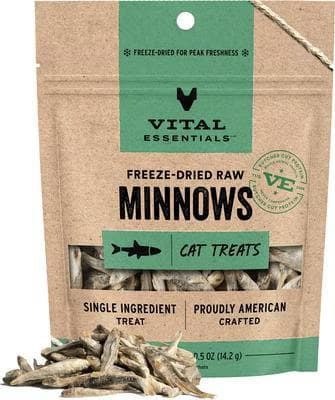
This is an optional cat treat. Review its current label, ingredients, calories, and feeding directions, and count it within the total daily extras.
Webvet may earn a commission when you click through to Chewy, at no extra cost to you.
It helps to see the hazards side by side. None of these are reasons to panic over a single lick, but together they explain why pecans belong nowhere near your cat's food bowl.
| Risk | Why it matters for cats |
|---|---|
| High fat | Can cause vomiting and diarrhea, and repeated fatty snacks may trigger pancreatitis. |
| Unsupported intrinsic-toxin claim | No direct veterinary source in this audit establishes intrinsic pecan-kernel poisoning in cats. |
| Mold toxins | Nuts grow mold that can produce tremor-causing mycotoxins, leading to twitching or seizures. |
| Choking and blockage | A whole nut or shell may be a foreign body depending on object size and shape, patient size, and where it travels. |
| Sugary or salted forms | Pecan pie, candied, and chocolate-coated pecans add sugar, salt, and sometimes toxic ingredients. |
What about pecan pie, candied pecans, and ice cream?
If a plain pecan is a bad idea, the dessert versions are worse. Pecan pie combines nuts with sugar, corn syrup, butter, and eggs, a load of fat and sugar that a carnivore body is not equipped to handle. Candied and honey-roasted pecans coat the nut in sugar and often salt, and cats are very sensitive to sodium in their small bodies. Chocolate-pecan treats are the most dangerous of all, because chocolate itself is toxic to cats. Pecan ice cream adds dairy, and many adult cats are lactose intolerant, so the cream can cause its own bout of diarrhea. None of these belong on a cat's plate, even as a holiday nibble.
What to do if your cat ate a pecan
First, do not panic. Cats are picky and most turn their nose up at nuts, so accidental snacking is uncommon. If your cat licked or nibbled a tiny piece of plain pecan, the most likely outcome is nothing at all, or at most a little stomach upset that passes on its own. Offer fresh water, take the rest of the nuts out of reach, and keep an eye on your cat for the next day. It is worth noting how much your cat actually got: a single crumb licked off the floor is very different from a whole nut swallowed shell and all, and knowing the difference helps you judge whether a call to the vet is needed.
The situation is different if your cat ate a large amount, swallowed a whole nut or shell, got into a moldy pecan, or ate a sugary or chocolate-based pecan treat. In those cases, watch closely for vomiting, diarrhea, lethargy, loss of appetite, drooling, or any muscle tremors or twitching, and call your veterinarian or a pet poison line without waiting for symptoms to worsen. Tremors and repeated vomiting are signs to be seen promptly. When you call, it helps to know roughly how much your cat ate and whether the nut was plain, moldy, or part of a dessert.

Cat-safe treats to offer instead
Because cats thrive on meat, the best treats are protein, not nuts or fruit. A small piece of plain cooked chicken with no skin, salt, or seasoning is a favorite that gives real nutrition. A little plain cooked egg is another safe protein-rich option, and a small flake of plain cooked fish is fine as an occasional treat too. A lick of plain meat baby food with no onion or garlic works in a pinch, and of course a proper store-bought cat treat is formulated to be safe and appealing. Keep all treats to less than about ten percent of your cat's daily calories so they do not unbalance a complete cat food.
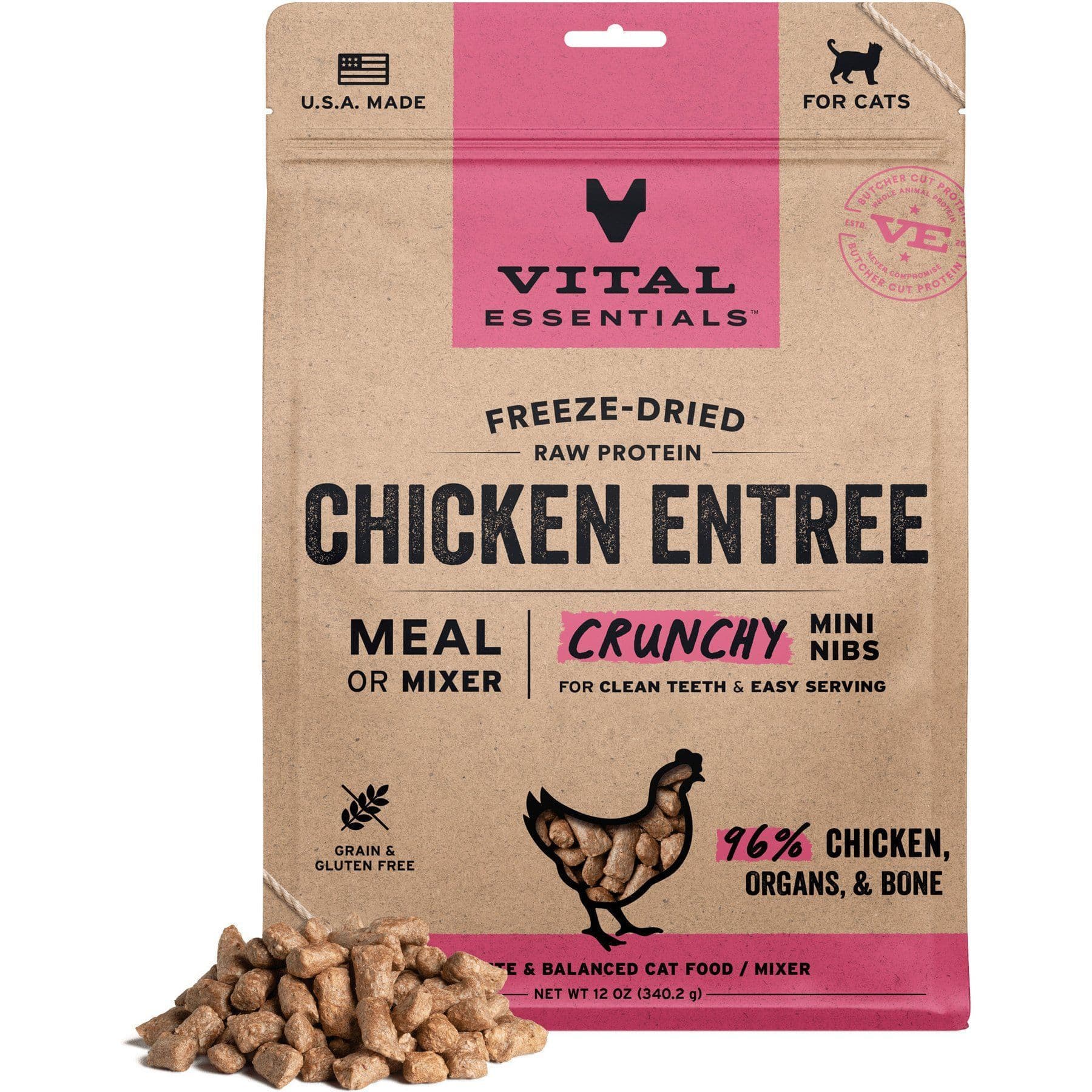
This is an optional cat treat. Review its current label, ingredients, calories, and feeding directions, and count it within the total daily extras.
Webvet may earn a commission when you click through to Chewy, at no extra cost to you.
Frequently asked questions
Are pecans toxic to cats?
Fresh plain pecan kernels are not established as an intrinsic feline poison, but they are calorie-dense and are not a useful routine treat. Moldy or spoiled nuts, swallowed shells, and products containing confirmed toxins require separate assessment.
My cat ate a small bite of a pecan cookie. Is that an emergency?
A single small bite is usually not an emergency, but the sugar, butter, and any chocolate in the cookie matter more than the pecan itself. Offer water and watch for vomiting, diarrhea, or lethargy over the next day. If the cookie contained chocolate or your cat ate a large amount, call your vet or a pet poison line.
Which nuts are toxic to cats?
Macadamia nuts are the most concerning and are best treated as unsafe for cats. Most other nuts, including pecans, walnuts, almonds, and peanuts, are not strictly poisonous but are still not recommended because of their high fat, choking risk, and mold potential. No nut offers a cat any nutritional benefit.
Can cats eat pecan pie?
Pecan pie is not a suitable planned cat treat. Recipes and calorie density vary, so assess the ingredients, amount, and cat rather than predicting an outcome from fat or sugar alone. Check separately for chocolate, alcohol, alliums, xylitol, other nuts, and packaging.
What treats can I give my cat instead?
Stick to protein. A small piece of plain cooked chicken, a little cooked egg, a flake of plain cooked fish, or a proper store-bought cat treat all suit a carnivore far better than any nut. Keep treats under about ten percent of daily calories so they do not unbalance your cat's regular food.

The bottom line: do not use pecans as a routine cat treat, but do not turn an accidental crumb into a proven poisoning dose. Distinguish a fresh kernel from a moldy or spoiled nut, a swallowed shell, or a product containing a confirmed toxic ingredient, and call for advice when the exposure or symptoms are concerning.
Safe alternatives
More nuts & seeds for cats
Sources
- Merck Veterinary Manual: Tremorgenic Neuromycotoxicosis in Dogs
Moldy foods can contain tremorgenic toxins, but Merck identifies dogs as the particularly documented companion-animal species and does not establish fresh-pecan toxicity in cats.
- ASPCA: Black Walnut
ASPCA lists black walnut as non-toxic to cats while describing dog concerns from moldy nuts or hulls, illustrating why black-walnut claims should not be transferred to feline pecan kernels.
- Merck Veterinary Manual: Pancreatitis in Dogs and Cats
Feline pancreatitis has nonspecific causes and signs; an accidental crumb does not establish pancreatitis.
- Merck Veterinary Manual: Gastrointestinal Obstruction in Small Animals
Foreign-body risk is patient- and object-specific rather than universal.
- 2021 AAHA Nutrition and Weight Management Guidelines
Complete nutrition and patient-specific assessment should anchor feline treat advice.
Reviewed by Dr. Athena Gaffud, DVM
General guidance based on credible veterinary sources; not a diagnosis or a substitute for your veterinarian. If your pet ate something toxic or is unwell, contact your vet or a pet poison line right away.