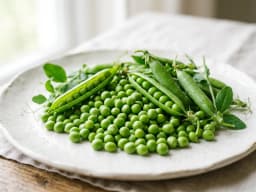
Can dogs eat peas?
SafePlain edible peas are not recognized as toxic to dogs. Keep extras small, and ask your vet before feeding them to a dog on a low-purine diet.


Medically reviewed by Dr. Athena Gaffud, DVM · Last reviewed
Can Dogs Eat Peas?
Yes, green peas are safe for dogs and are one of the few human vegetables that show up regularly in commercial dog food. Fresh, frozen, or thawed peas are non-toxic and can be included as a small plain extra, which is why they earn a spot in so many balanced recipes. The catch is small and simple: serve them plain, keep the portion modest, and skip the canned version, which is usually loaded with added salt. Handled that way, a small amount of peas can be an occasional extra that most dogs happily gobble up.
- 1Green peas (garden, snow, sugar snap, and English) are non-toxic and safe for dogs.
- 2Use fresh or frozen and serve plain, avoid canned peas, which are high in sodium.
- 3A complete and balanced dog food, not peas, should supply the dog's required nutrients.
- 4Keep peas to about 10% of daily calories; they are a treat, not a meal.
- 5Ask your veterinarian before adding peas if your dog has urate stones, hyperuricosuria, a portosystemic shunt, or a prescribed low-purine diet.

Treats should stay under 10% of your dog's daily calories. JustFoodForDogs makes the rest of it.
- Recipes developed by veterinary nutritionists
- Whole-food ingredients you can recognise
- Fresh meals delivered to your door
Webvet may earn a commission when you click through to JustFoodForDogs, at no extra cost to you.
Are peas safe for dogs?
Peas are not toxic or poisonous to dogs, and virtually every major veterinary and kennel-club source agrees they are fine to feed. The common green varieties are all dog-friendly: garden peas (also called English peas), snow peas, and sugar snap peas. Your dog can enjoy them fresh from the pod, frozen straight from the bag, or thawed. Because peas are already a familiar ingredient in many pet foods, most dogs digest them well and there is a long track record of them being eaten safely.

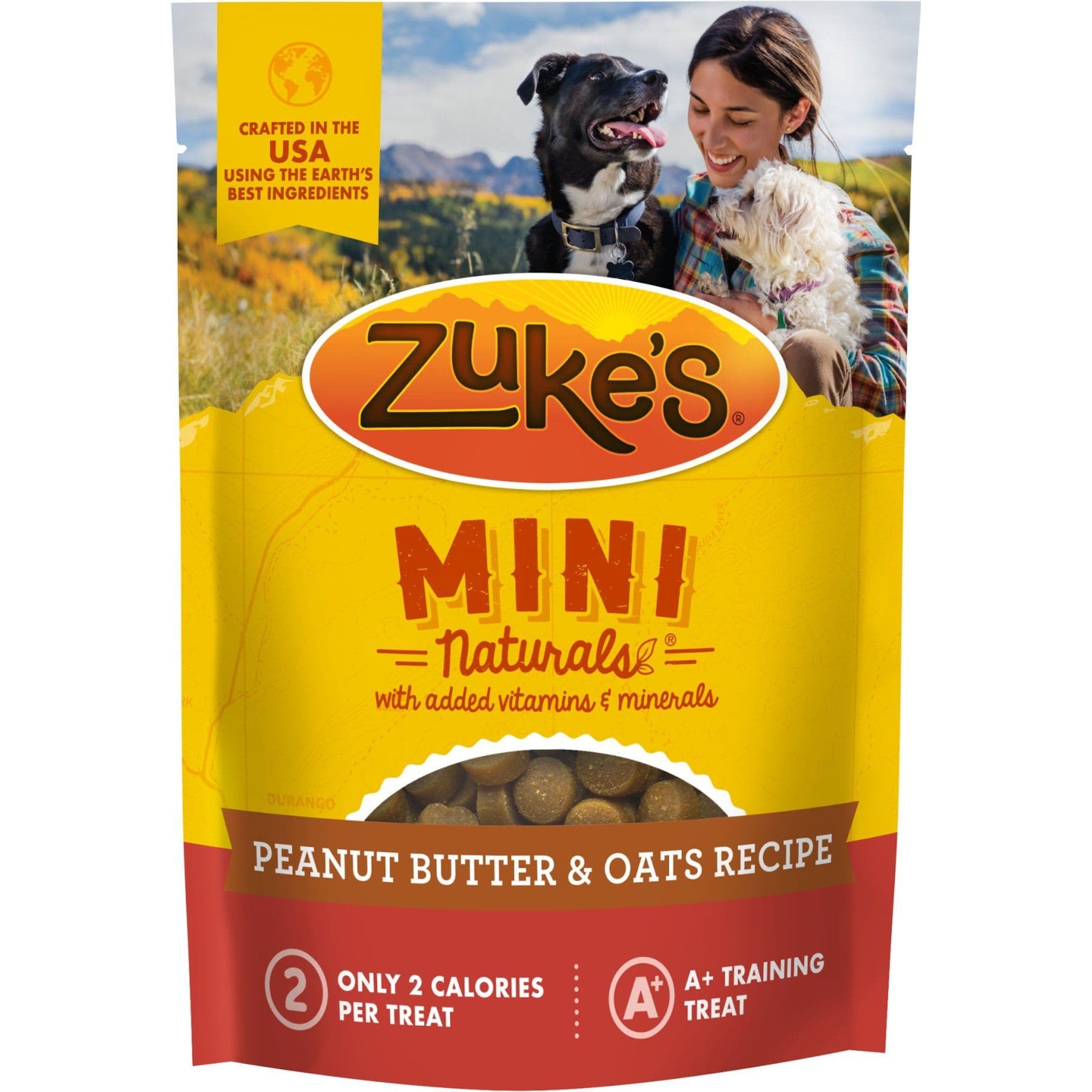
This is an optional dog treat. Review its current label, ingredients, calories, and feeding directions, and count it within the total daily extras.
Webvet may earn a commission when you click through to Chewy, at no extra cost to you.
Do not treat an unidentified ornamental called a sweet pea as edible. Edible garden peas are Pisum sativum, while ornamental sweet peas are Lathyrus species whose pet-toxicity listings differ by species; identify the plant botanically before deciding what was eaten. When people ask whether dogs can eat sweet peas, they usually mean sugar snap peas, which are perfectly fine. As long as you are offering the peas you would put on your own dinner plate, you are on safe ground. It is the preparation and portion that matter far more than the type of edible pea you choose.
Peas in a dog's diet
Peas contain protein, fiber, vitamins, minerals, calories, and plant compounds. Food-composition values do not establish that a household portion will improve digestion, satiety, weight, skin, coat, vision, immunity, blood clotting, bones, or energy metabolism in an individual dog. Complete dog food should supply required nutrients, and peas remain optional extras.
Peas may contribute calories and nutrients, but a nutrient list does not show that they improve eye, heart, digestive, or stool health when offered as a treat. It also does not make peas nutritionally superior to every commercial biscuit. Compare optional extras by calories, ingredients, texture, medical restrictions, and the individual dog's tolerance.

How many peas can a dog eat?
Peas are a treat, so they should follow the 10% rule: treats and extras of any kind should make up no more than 10% of your dog's daily calories, with the other 90% coming from a complete, balanced diet. In practical terms, that means a small dog might get a teaspoon or two of peas, a medium dog a rounded tablespoon, and a large dog a small handful. Start with less than you think, watch how your dog handles it, and increase gradually only if their stomach agrees.
| Patient factor | What to consider |
|---|---|
| Daily calories | Count peas with all other treats and extras |
| Body size and eating style | Use a small amount and cut or mash it if needed |
| Therapeutic diet | Ask the prescribing veterinarian before adding extras |
| Canned or seasoned peas | Read the sodium and ingredient label before offering |
These are starting points, not prescriptions, and they assume peas are an occasional extra rather than a daily habit. Too many peas at once can cause gas, bloating, or loose stools, simply because of the fiber load. If your dog is on a prescription diet or has a health condition, run any new treat past your veterinarian first so it fits their overall calorie and nutrient plan.
How to prepare and serve peas
The safest peas are the plainest peas. Serve them with nothing added, no butter, oil, salt, garlic, or onion. Garlic and onion are especially important to avoid, because both are toxic to dogs and often turn up in seasoned or canned vegetable blends. If you are shelling garden peas, remove them from the pod for very small dogs, and consider mashing the peas for toy breeds, seniors, or any dog that tends to inhale food without chewing.

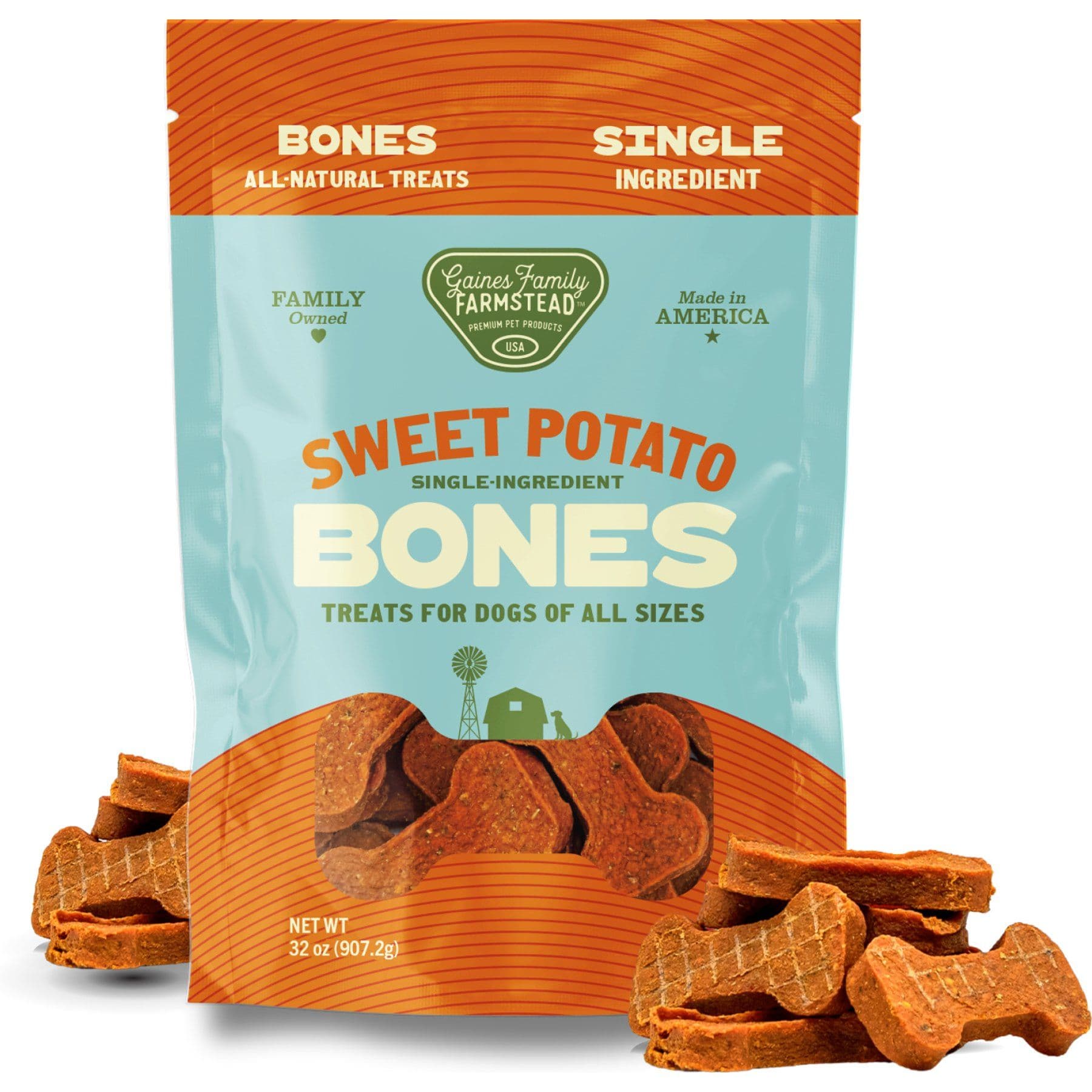
This is an optional dog treat. Review its current label, ingredients, calories, and feeding directions, and count it within the total daily extras.
Webvet may earn a commission when you click through to Chewy, at no extra cost to you.
You do not have to cook peas, but you can. Lightly steaming or boiling them plain makes them softer and easier to digest, which can help puppies and older dogs. Avoid frying them or cooking them in broth, butter, or seasoning. Sugar snap and snow pea pods are edible and safe, but the tough, stringy pods can be a choking hazard for small dogs, so trim or chop them, or stick to the shelled peas inside for little mouths.
Fresh, frozen, or canned peas?
Fresh and frozen peas are the two forms worth feeding, and honestly frozen peas are the easiest option for most homes. They are picked and frozen at peak ripeness, keep for months, thaw in seconds, and contain no additives. Fresh peas from the pod are lovely in season and equally safe. Canned peas sit at the bottom of the list because of their added salt, and any pea product marketed as seasoned, buttered, or part of a medley should be avoided entirely. When in doubt, the plainer and less processed the pea, the better it is for your dog.
Risks and what to watch for
For most healthy dogs, the biggest risk from peas is simply overdoing it. A big serving of a fiber-rich vegetable can trigger gas, bloating, or a loose stool, none of which is dangerous but all of which are unpleasant. Purine restriction is condition-specific. It may be part of a veterinary plan for urate urolithiasis, hyperuricosuria, or a portosystemic shunt, but kidney disease by itself is not a universal reason to ban peas. Follow the diet prescribed for the individual dog.
FDA continues to study non-hereditary canine DCM as a complex, multifactorial condition. Many reported diets listed non-soy pulses, including peas and chickpeas, high in the ingredient list, but FDA says legumes are not inherently dangerous and has not identified a specific causal connection. Do not use this evidence to claim either that a small pea treat causes DCM or that it has been proved risk-free.

Whenever you introduce any new food, start small and watch for a day or so. Signs that peas are not agreeing with your dog include vomiting, diarrhea, persistent gas, or a lack of appetite. Those reactions are uncommon and usually mild, but if they show up, stop the peas and give your dog's stomach time to settle. If symptoms are severe or last more than a day, call your veterinarian.
Safe alternatives to peas
If you want to rotate in other healthy vegetable treats, a couple of dog-friendly options work much the same way as peas. Green beans are a low-calorie, crunchy favorite that many vets recommend for dogs on a diet, and they can be served fresh, steamed, or plain frozen. Carrots are another easy pick, offering fiber and beta-carotene, and their firm texture makes a satisfying low-fat chew when cut into safe, bite-sized pieces. Like peas, all of these belong within that 10% treat allowance and should be served plain.
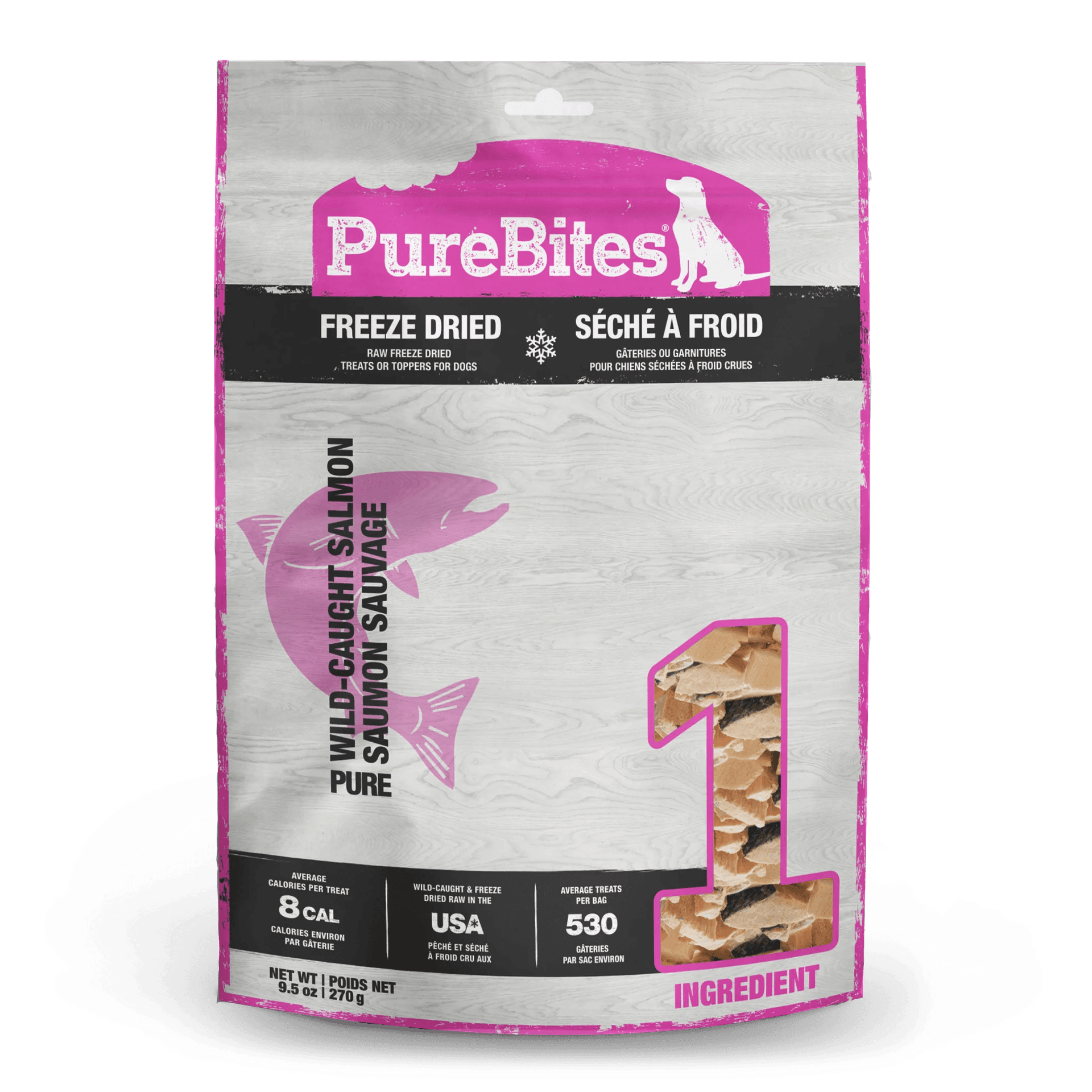
This is an optional dog treat. Review its current label, ingredients, calories, and feeding directions, and count it within the total daily extras.
Webvet may earn a commission when you click through to Chewy, at no extra cost to you.
Frequently asked questions
Can dogs eat cooked peas?
Yes. Plain peas that have been lightly steamed or boiled are safe and can be a little easier to digest than raw ones, which helps puppies and senior dogs. Just cook them with nothing added, no salt, butter, oil, onion, or garlic.
Can dogs eat peas every day?
Peas are best as an occasional treat rather than a daily staple. A complete dog food already provides balanced nutrition, so peas should stay within the 10% treat allowance. Feeding a large amount every day can add up on calories and fiber and is not necessary for your dog's health.
Can dogs eat frozen peas?
Yes. Plain frozen peas are one of the most convenient forms to feed. Thaw them first for small dogs so they are softer and easier to chew, or offer a couple straight from the freezer as a cool, crunchy treat for larger dogs on a warm day.
Can dogs eat pea pods?
The pods of snow peas and sugar snap peas are edible and non-toxic, but they can be tough and stringy and pose a choking risk for small dogs. Chop them finely, or feed just the shelled peas inside to little dogs and fast eaters.
Are peas bad for dogs with kidney problems?
They can be. A low-purine diet may be prescribed for conditions such as urate urolithiasis, hyperuricosuria, or a portosystemic shunt. Do not assume every kidney or urinary diagnosis requires the same restriction; ask the veterinarian managing the diet.

The bottom line: peas are a genuinely good treat for most dogs. Choose fresh or frozen over canned, serve them plain and in modest amounts, mind the pods with small dogs, and check with your vet if your dog has kidney issues. Follow those simple rules and you can feel good about sharing this little green vegetable with your best friend.
More safe treats
More vegetables for dogs
Sources
- Merck Veterinary Manual: Urolithiasis in Dogs
Low-purine diets are used for particular urate-stone disorders and related conditions, not as a universal rule for all renal disease.
- AAHA: Nutritional Risk Factors
Calories from treats and other noncomplete foods above 10 percent of daily intake can dilute essential nutrients.
- ASPCA: Sweet Pea (Lathyrus latifolius)
The common name sweet pea is botanically ambiguous; ASPCA lists Lathyrus latifolius as non-toxic to dogs and cats, so the plant should be identified rather than covered by a blanket claim.
- UC Davis: 2026 Growing Instructions - Peas
Edible garden pea is Pisum sativum, while the ornamental Lathyrus odoratus is a different plant and is described as poisonous.
- FDA: Questions and Answers on Potential Causes of Non-Hereditary DCM in Dogs
FDA reports that many submitted diets listed non-soy pulses high in the ingredient list, but it has not established that pulses are inherently dangerous or identified a specific causal connection.
- Pet Poison Helpline: Pet Friendly Human Food
Veterinary poison-control guidance lists peas among foods that do not pose a toxicity risk to healthy pets and says they may be offered raw or cooked.
- Merck Veterinary Manual: Garlic and Onion Toxicosis
Allium toxicosis is dose- and form-dependent; the ingredient must be confirmed rather than inferred from a product category.
- Merck Veterinary Manual: Salt Toxicosis in Animals
Salt toxicosis requires excessive sodium exposure and is influenced by fresh-water access.
- Merck Veterinary Manual: Gastrointestinal Obstruction in Small Animals
Foreign-body risk depends on object and patient characteristics; food texture should be individualized rather than treated as a guaranteed obstruction.
Reviewed by Dr. Athena Gaffud, DVM
General guidance based on credible veterinary sources; not a diagnosis or a substitute for your veterinarian. If your pet ate something toxic or is unwell, contact your vet or a pet poison line right away.