
Can dogs eat grapefruit?
Not recommendedASPCA says grapefruit fruit is edible for dogs. Keep skins and plant material away; ordinary seeds are not established toxins or routine obstruction hazards.


Medically reviewed by Dr. Athena Gaffud, DVM · Last reviewed
Can Dogs Eat Grapefruit?
ASPCA's exact grapefruit entry says the fruit is edible, while skins and plant material contain essential oils and psoralens. A small pulp exposure is not a poisoning emergency. Flesh is not established as a common cause of illness from acidity, and pith and seeds do not share the skin's listed toxic principle.
- 1ASPCA says grapefruit fruit is edible; acidity alone does not establish that vomiting or diarrhea is a common result of pulp exposure.
- 2ASPCA identifies skins and plant material as the essential-oil and psoralen concern; this source does not establish pith and seeds as equivalent toxic parts.
- 3There is no nutritional reason to feed grapefruit; safer fruits deliver the same vitamins without the risk.
- 4A single lick of flesh rarely causes an emergency, but eating peel, rind, seeds, or a large amount warrants a call to your vet.
- 5ASPCA distinguishes edible fruit from skins and plant material that contain essential oils and psoralens.

Treats should stay under 10% of your dog's daily calories. JustFoodForDogs makes the rest of it.
- Recipes developed by veterinary nutritionists
- Whole-food ingredients you can recognise
- Fresh meals delivered to your door
Webvet may earn a commission when you click through to JustFoodForDogs, at no extra cost to you.
Is grapefruit safe for dogs?
ASPCA explicitly describes grapefruit fruit as edible and distinguishes it from skins and plant material. A dog may dislike pulp or experience individual gastrointestinal upset, but acidity alone does not establish a common illness pattern ending in vomiting.


This is an optional dog treat. Review its current label, ingredients, calories, and feeding directions, and count it within the total daily extras.
Webvet may earn a commission when you click through to Chewy, at no extra cost to you.
Most dogs settle the question for you. Dogs are drawn to sweet and savory flavors, and grapefruit is neither. Faced with a segment of grapefruit, the average dog will sniff it, maybe mouth it, and walk away. The dogs who do gulp it down tend to be the enthusiastic eaters who swallow first and taste later, and those are exactly the dogs most likely to feel it afterward. A small pulp exposure is not a poisoning emergency. Avoid intentionally feeding skins; assess a rind or plant exposure from the amount and signs. Seeds are not established here as a toxin or routine obstruction hazard.
Why grapefruit is a problem for dogs
Grapefruit pulp is acidic, but the displayed evidence does not show that a small pulp exposure damages the stomach lining or frequently produces vomiting and diarrhea are the classic reactions. Dogs with sensitive stomachs, older dogs, and small breeds feel this most sharply, simply because it takes less fruit to overwhelm a smaller body. Even a moderate amount of flesh can leave a dog uncomfortable for a day, and the cleanup is rarely worth whatever curiosity prompted the taste in the first place.
The second and more serious issue is chemistry that lives mostly in the peel, the bitter white pith, and the seeds. These parts carry concentrated essential oils and a group of compounds called psoralens. Psoralens are the same family of substances that make some citrus plants cause skin sensitivity to sunlight, and in the gut they act as irritants. When a dog eats grapefruit peel or rind, those oils and psoralens can trigger stronger stomach upset than the flesh alone, including persistent vomiting, diarrhea, drooling, and general misery. The American Kennel Club describes grapefruit as very irritating to a dog's gut, and the ASPCA goes further, listing grapefruit as toxic to dogs, cats, and horses precisely because of these essential oils and psoralens. That is why the whole fruit, not just one part of it, ends up on the avoid list.

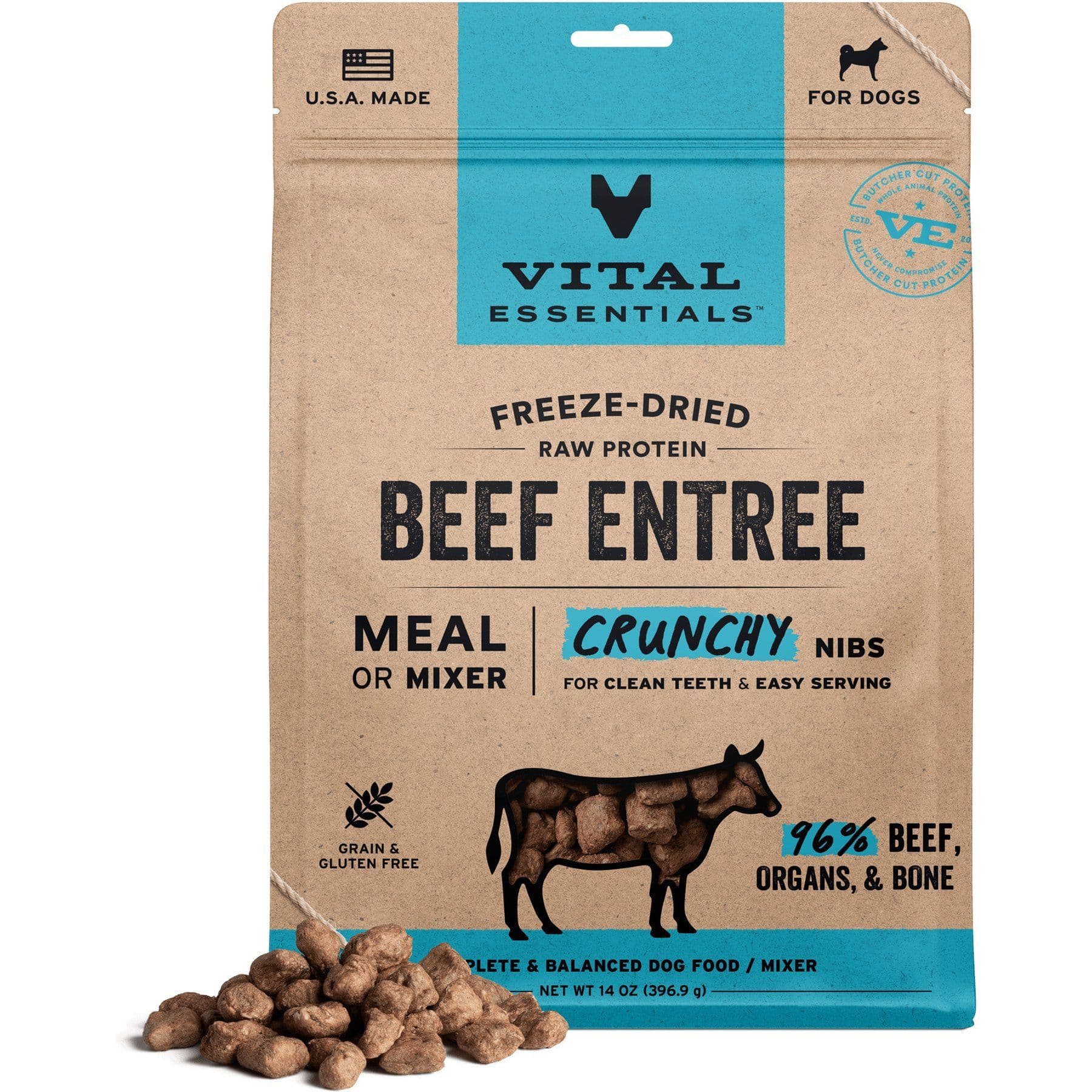
This is an optional dog treat. Review its current label, ingredients, calories, and feeding directions, and count it within the total daily extras.
Webvet may earn a commission when you click through to Chewy, at no extra cost to you.
The peel, pith, and seeds are the real hazard
If there is one thing to remember about grapefruit and dogs, it is that the parts we discard are the parts that cause the most trouble. Grapefruit peel is thick, tough, and fibrous, and it does not break down easily in a dog's stomach. Beyond the irritant oils it carries, a chunk of rind can be a genuine choking hazard for a small dog and, in the worst case, can lodge in the intestines and cause a blockage that needs veterinary treatment. The cited grapefruit source does not establish seeds as a toxic-principle or obstruction hazard; assess an unusual seed exposure from the actual object, dog, and signs.
This is why the setting matters as much as the fruit. A dog is rarely handed a clean segment of grapefruit; the real danger scenarios are a dog counter-surfing for peels in the trash, snatching a half-eaten grapefruit off a plate, or chewing on rinds left in a compost bin. Keeping the whole fruit, and especially the discarded peel, well out of reach does more to protect your dog than any rule about portion size. If you grow citrus at home, remember that the leaves and unripe fruit carry these oils too, so a dog with yard access to a grapefruit tree deserves the same caution.

What about grapefruit juice, skin, and seed extract?
Grapefruit juice is not a safe workaround. Store-bought juice concentrates the acidity of the fruit and usually adds sugar, and cocktail or drink mixes can hide other ingredients that are dangerous to dogs. There is no benefit to offering it and several reasons not to, so keep glasses of juice off the coffee table where a curious nose can reach. Grapefruit skin and rind, as covered above, are the most irritating parts and should never be given deliberately.
Grapefruit seed extract is a separate product that sometimes appears in supplements marketed for pets, and it is not the same thing as feeding raw seeds. If you are considering any grapefruit-derived supplement, that is a conversation to have with your veterinarian rather than something to try on your own, because concentration, dosing, and quality vary widely between products. There is also a human-medicine wrinkle worth knowing: grapefruit famously interferes with how the body processes many prescription drugs. While the research on this effect in dogs is thinner, it is one more reason not to treat grapefruit as a casual snack, especially for a dog on daily medication.
What to do if your dog ate grapefruit
Do not panic if your dog managed a stray bite of grapefruit flesh. A small amount is unlikely to cause anything worse than a mildly unhappy stomach, and many dogs pass it without any drama at all. The sensible move is to note how much they ate and which parts, then keep an eye on them for the next twenty-four hours. Offer fresh water, hold off on other rich treats, and let their system settle. Mild, short-lived vomiting or one bout of loose stool that resolves on its own is usually nothing to worry about.
Contact a veterinarian for a concerning skin, rind, or plant-material exposure, a large or uncertain amount, or clinical signs. Pith or seeds alone are not established as toxic in the cited entry. Warning signs that deserve a prompt call include repeated vomiting, ongoing diarrhea, drooling, lethargy, a hunched or painful belly, or refusing food. Very small dogs and dogs with existing health conditions have less margin, so err on the side of calling sooner. When in doubt, the Pet Poison Helpline at 855-764-7661 and the ASPCA Animal Poison Control Center at 888-426-4435 are available around the clock and can tell you whether a trip to the clinic is warranted. Having the details ready, roughly how much, which part, and when, will help them advise you quickly.

Safe fruits to feed instead
The good news is that your dog does not need grapefruit for any of the vitamins it contains, and there are plenty of fruits that deliver similar benefits without the acidity or the irritant oils. Blueberries are a standout choice: they are low in calories, packed with antioxidants and vitamin C, and small enough to use as training rewards straight from the freezer. Apples are another dog-friendly favorite, offering fiber and vitamins A and C, as long as you remove the core and seeds and slice them into manageable pieces. Both give you the vitamin C boost people wrongly reach for grapefruit to provide, minus the sour stomach.
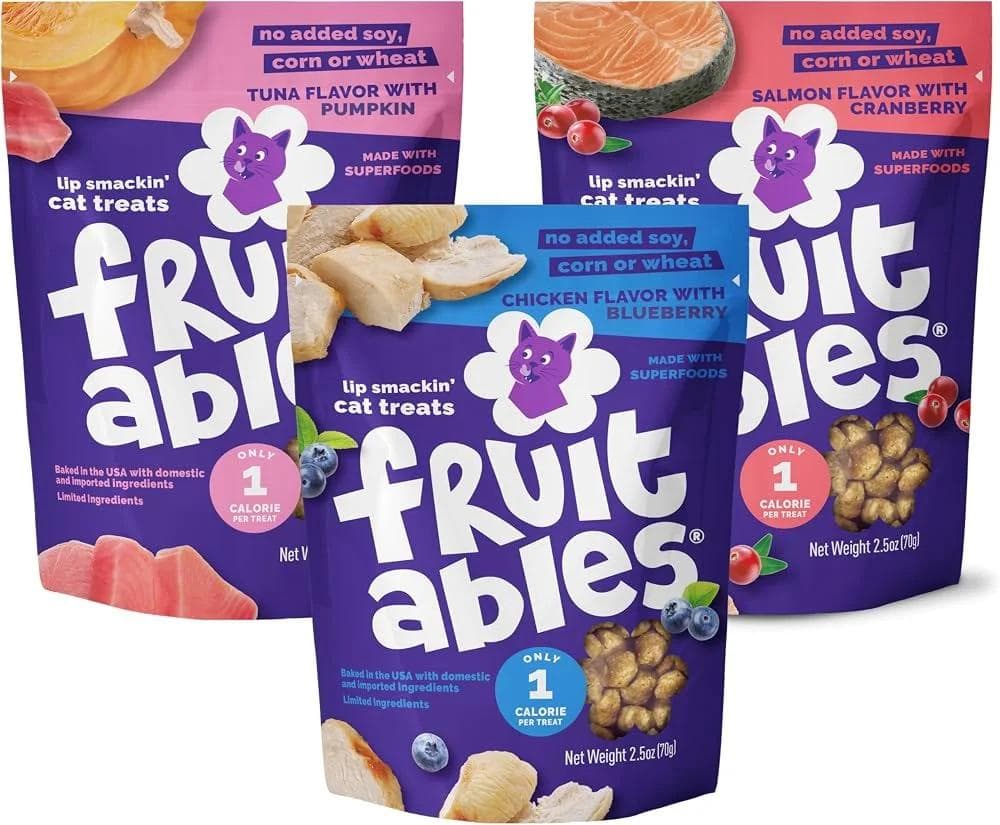
This is an optional dog treat. Review its current label, ingredients, calories, and feeding directions, and count it within the total daily extras.
Webvet may earn a commission when you click through to Chewy, at no extra cost to you.
Other gentle, well-tolerated options include watermelon with the rind and seeds removed, banana in small amounts because it is high in sugar, and strawberries. Whatever fruit you choose, the same simple rules apply: wash it, remove any pits, seeds, cores, and tough skins, cut it into pieces sized for your dog, and keep treats to no more than about ten percent of their daily calories. Introduce anything new in a small portion and watch how your dog handles it before offering more. Stick to those fruits and you can skip grapefruit without your dog missing a thing.
Frequently asked questions
Is grapefruit toxic to dogs?
ASPCA says the fruit is edible and identifies skins and plant material as the essential-oil and psoralen concern. A small pulp exposure is not a poisoning emergency, and acidity alone does not prove it will cause vomiting or diarrhea.
What happens if a dog eats grapefruit peel?
Skins contain essential oils and psoralens and may irritate. A large rind piece could also become a patient-specific choking or gastrointestinal foreign body; outcome is not guaranteed. Save exposure details and seek veterinary or poison-service advice for a concerning amount or signs.
Can dogs drink grapefruit juice?
No. Grapefruit juice concentrates the acidity of the fruit and usually adds sugar, and mixed drinks can contain other ingredients that are harmful to dogs. There is no benefit to giving it, so keep juice out of your dog's reach.
How much grapefruit is dangerous for a dog?
ASPCA describes the fruit as edible, but no recommended serving is established. Assess skins or plant material separately, and use amount, dog, and signs for triage. Seeds are not established here as toxic or routinely obstructive.
What fruits can I give my dog instead?
Blueberries and apples are excellent low-risk choices that provide vitamin C and antioxidants without the acidity. Watermelon without rind or seeds, small amounts of banana, and strawberries are also well tolerated. Always remove pits, seeds, and tough skins, and keep fruit treats to about ten percent of daily calories.

The bottom line on grapefruit is refreshingly simple: there is little upside and a real downside, so leave it out of your dog's diet. ASPCA says the fruit is edible and identifies skins and plant material, not every pith or seed, as the essential-oil and psoralen concern. Most dogs will not want grapefruit anyway, and the ones who do are better served by a handful of blueberries or a few apple slices. Keep the fruit and its peels out of reach, know the poison-control numbers just in case, and your dog will not miss a thing.
Safe alternatives
More fruits for dogs
Sources
- ASPCA: Grapefruit
The exact entry says grapefruit fruit is edible; skins and plant material are the toxic-principle concern because of essential oils and psoralens.
- Merck Veterinary Manual: Gastrointestinal Obstruction in Small Animals
A large rind piece is a possible patient-specific foreign body, not guaranteed blockage; seeds are not established as a hazard by the ASPCA entry.
- WSAVA: Feeding Treats to Your Dog
Fruit can remain optional without inventing acidity illness or benefit claims.
Reviewed by Dr. Athena Gaffud, DVM
General guidance based on credible veterinary sources; not a diagnosis or a substitute for your veterinarian. If your pet ate something toxic or is unwell, contact your vet or a pet poison line right away.