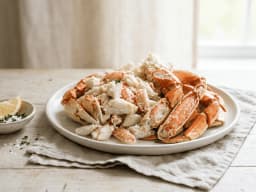
Can dogs eat crab?
Safe in moderationPlain fully cooked shell-free crab can be an occasional dog treat, while raw crab, shells, seasoning, and surimi need separate review.


Medically reviewed by Dr. Athena Gaffud, DVM · Last reviewed
Can Dogs Eat Crab?
Plain fully cooked, shell-free crab can be an occasional dog treat when its calories fit the full diet. Raw or undercooked crab, shell fragments, butter sauces, seasoning, and imitation crab are different products. Identify the form before making a safety statement.
- 1Assess crab by its exact form, amount, added ingredients, and the individual dog.
- 2A treat portion of crab must fit the complete diet and the dog's remaining calorie allowance.
- 3Prepare crab plainly and choose a size and texture suited to how this dog eats.
- 4Crab risks depend on product form, amount, texture, and the individual dog.
- 5Call for persistent illness, swallowing trouble, a possible foreign body, or a hazardous co-ingredient.

Treats should stay under 10% of your dog's daily calories. JustFoodForDogs makes the rest of it.
- Recipes developed by veterinary nutritionists
- Whole-food ingredients you can recognise
- Fresh meals delivered to your door
Webvet may earn a commission when you click through to JustFoodForDogs, at no extra cost to you.
Is Crab Safe for Dogs?
FDA advises thorough cooking of seafood to reduce foodborne-illness risk and describes cooked crab flesh as firm, pearly, and opaque. Plain cooked crab meat differs from raw crab, shell, cartilage, canned meat, imitation crab, crab cakes, dip, bisque, and seasoned boil leftovers. Remove every shell fragment before intentional feeding. Raw seafood adds microbial concerns, while prepared products can add sodium, starch, dairy, onion, garlic, butter, alcohol, or spicy seasoning. Keep the package or restaurant ingredient information. Raw pet foods also carry higher pathogen risk. Use clean utensils, prevent cross-contamination, and do not offer raw or spoiled crab. For mixed products containing crab, keep the package and report every ingredient, amount, time, dog's weight, history, and signs.

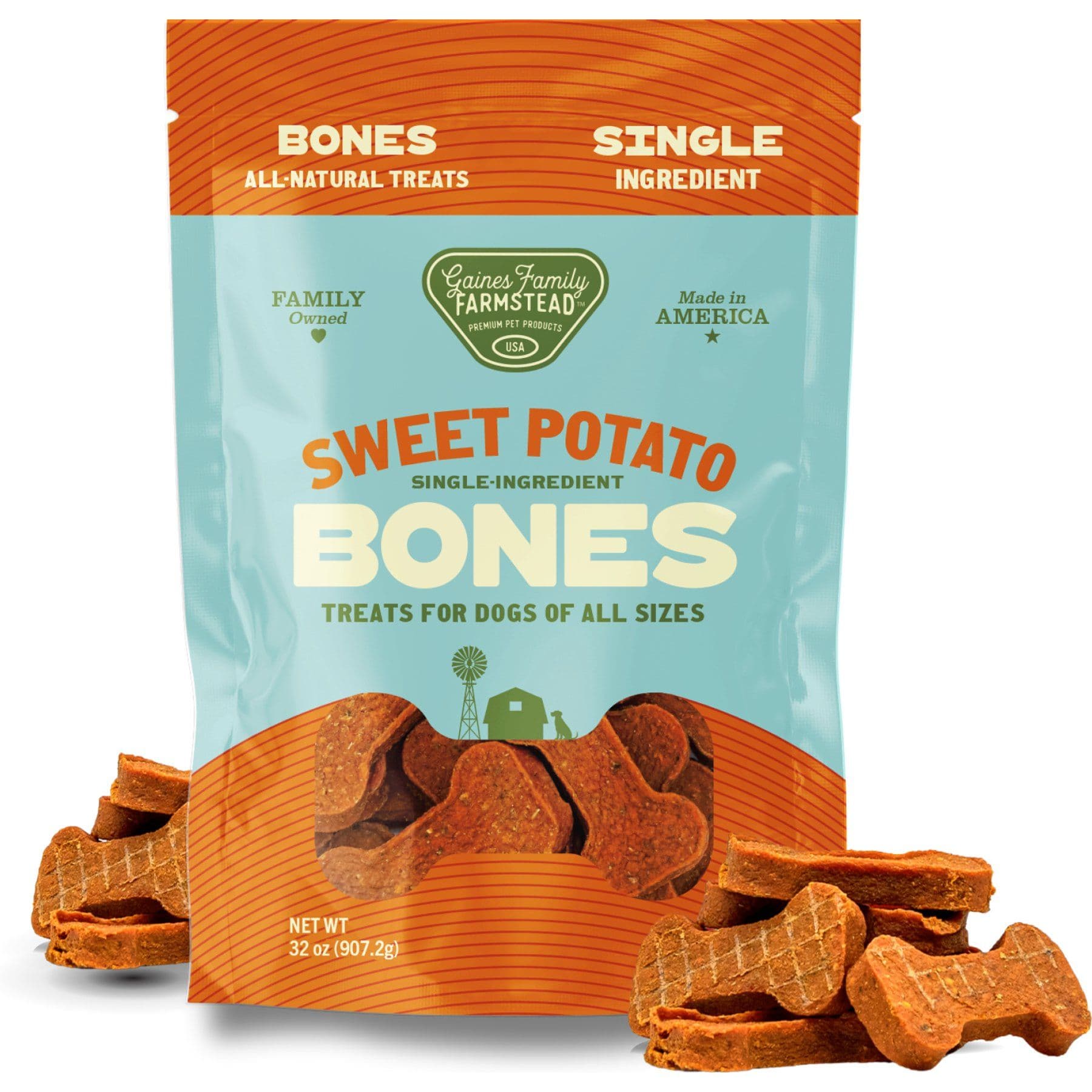
This is an optional dog treat. Review its current label, ingredients, calories, and feeding directions, and count it within the total daily extras.
Webvet may earn a commission when you click through to Chewy, at no extra cost to you.
Crab contains animal protein, fat, vitamins, minerals, and energy, but that composition does not establish improved coat, joints, immunity, skin, bones, nerves, or red blood cells from a treat portion. A complete dog food should already meet nutrient requirements in the proper balance.
Nutritional Context for Crab
This food adds optional calories and nutrients, but the complete dog food remains responsible for meeting dietary requirements; crab supplies protein and minerals, but a taste does not establish joint, coat, immune, or muscle benefits. It also cannot replace a complete dog food. For dogs with food allergy evaluation, sodium restriction, pancreatitis history, kidney disease, or a therapeutic diet, ask the treating veterinarian whether any crab form belongs in the plan before using it as a topper.
There is no evidence-based bite count, spoon amount, or body-weight table for crab. Seafood-boil leftovers can combine crab with corn cobs, skewers, plastic bags, butter, alcohol, onion, garlic, and very salty seasoning. Inventory those items before calling so the assessment is not limited to crab meat. Imitation crab is a formulated product made from processed fish and other ingredients, so identify the brand rather than treating it as plain shellfish. Canned crab also varies in sodium and additives. Refrigerate leftovers promptly and discard spoiled seafood; cooking does not make food safe after improper storage. If approved, use the calories in the edible cooked meat and the dog's total treat allowance. Restaurant portions and canned or imitation products require their own label or recipe review.

Risks and When to Call
Use the calories in crab and the individual dog's remaining treat allowance; body weight alone is not a serving chart.
Cook crab thoroughly, cool it, and remove all shell, cartilage-like hard pieces, and seasoning. Avoid butter, garlic, onion, alcohol, and rich sauces. Refrigerate leftover cooked crab promptly and discard spoiled seafood rather than relying on smell alone to establish safety. Related guidance: vomiting; diarrhea.
Cooked vs raw, and why imitation crab is different
Shell edges can cut the mouth or digestive tract, and a larger fragment may become a foreign body. The outcome depends on fragment dimensions, amount, dog, timing, and signs. Do not predict surgery from every piece, but seek prompt advice after a concerning shell exposure.

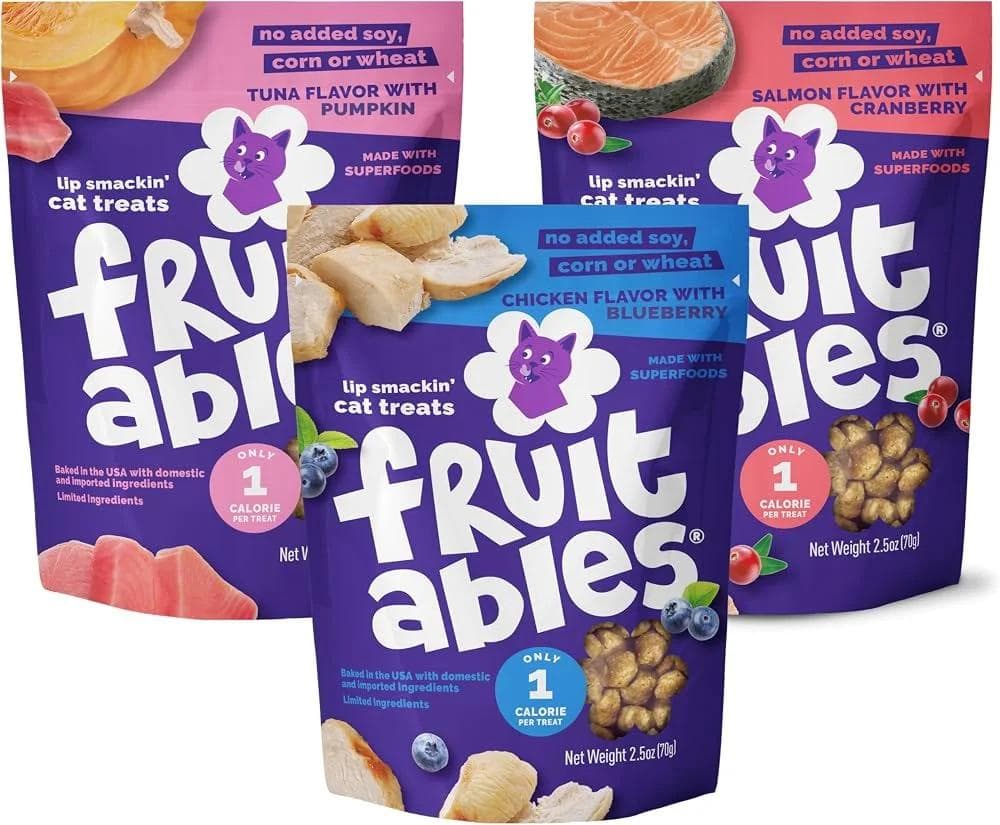
This is an optional dog treat. Review its current label, ingredients, calories, and feeding directions, and count it within the total daily extras.
Webvet may earn a commission when you click through to Chewy, at no extra cost to you.
Ordinary cooked crab meat is not shown here to pose a special iodine or sodium toxicity risk to a healthy dog. Product concentration and amount still matter, especially in brined, salted, or seasoned preparations. Salt toxicity is dose- and hydration-dependent, not established by one bite.
How to Portion Crab
Surimi varies by product and is not inherently toxic. It may contain fish, starch, sugar, egg, flavoring, sodium, color, or other ingredients. Read the label for calories, sodium, allergens, and hazardous additions rather than giving all imitation crab a categorical yes or no.
| Decision point | Evidence-based guidance |
|---|---|
| Plain food | Assess plain crab by form, amount, tolerance, and the individual dog. |
| Portion | Use the individual calorie allowance, not a fixed piece or spoon table |
| Preparation | Serve it plain and choose a manageable size and texture. |
| Mixed product | Read every ingredient and keep the package or recipe for advice. |
How to Prepare Crab
Puppy, senior, kidney, thyroid, pancreatic, or other labels do not create a universal crab prohibition. A therapeutic diet may exclude it for patient-specific reasons. Suspected food allergy requires a veterinarian-supervised elimination diet followed by controlled challenge, not a conclusion from itching or vomiting alone.
Call for breathing or swallowing trouble, facial swelling, repeated vomiting, marked lethargy, pain, bleeding, a substantial shell exposure, raw or spoiled seafood illness, or a product with a concerning seasoning. When more than one dog had access, compare the remaining food and objects before estimating each animal's exposure. Do not search stool or induce vomiting at home to recover a shell fragment. The veterinary team may recommend monitoring, imaging, or examination based on the object, patient, timing, and signs. Keep the package or recipe and describe amount and timing.

After an Unplanned Exposure
A dog that has eaten shellfish before can still develop a reaction, while a first exposure does not make allergy likely. An exact shellfish-allergy frequency in dogs is not established. Hives, facial swelling, breathing difficulty, collapse, or rapid worsening requires urgent veterinary care. Related guidance: lethargy; itching.
If this food does not fit the plan, choose another veterinarian-approved treat and count it within the same calorie allowance.
Choosing Other Treats
Cooked shell-free crab can be optional dog food, not a joint, coat, immune, or blood supplement. Cook it thoroughly, remove shell, use the actual label for surimi, and keep allergy and foreign-body advice patient-specific. Related guidance: Plain cooked chicken; salmon.
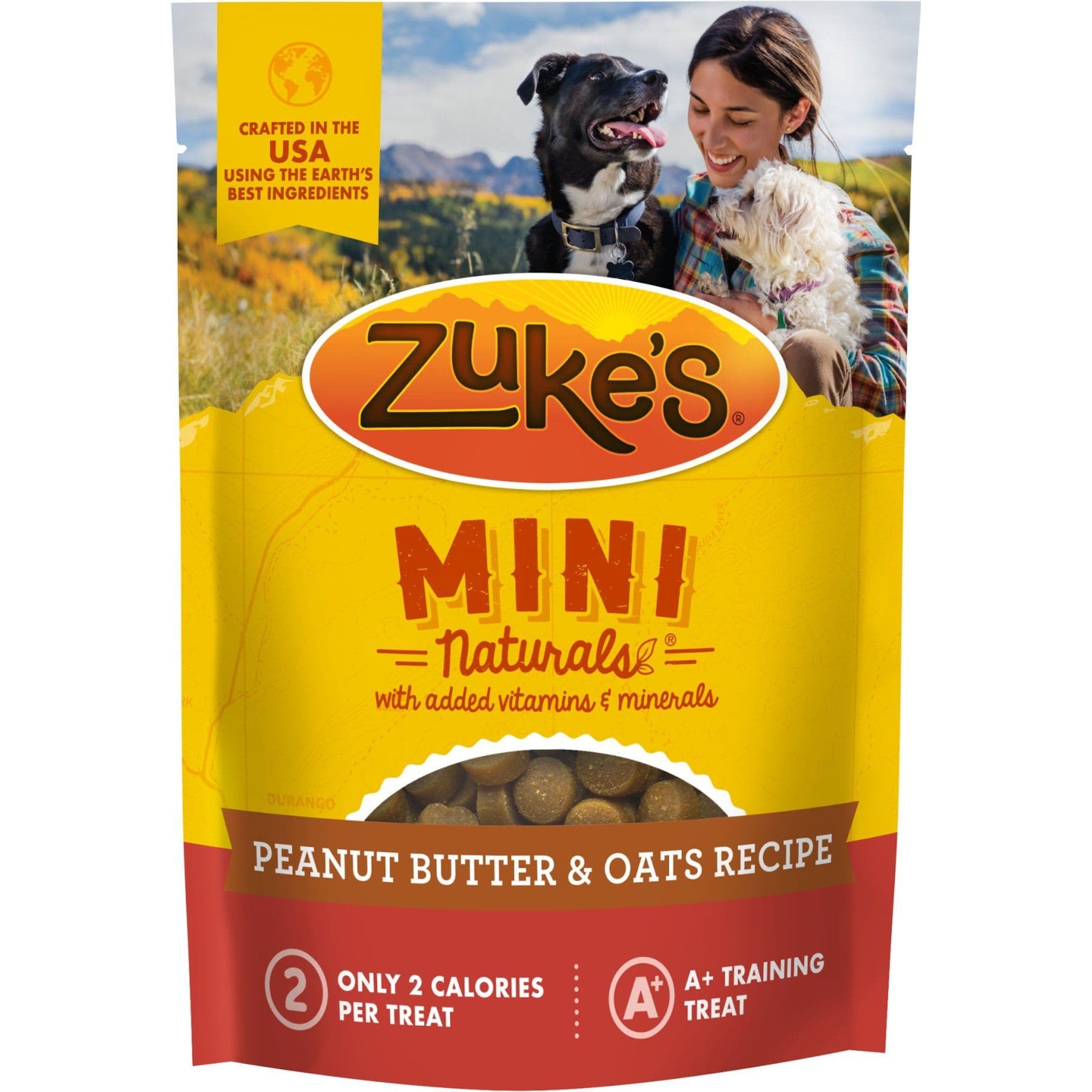
This is an optional dog treat. Review its current label, ingredients, calories, and feeding directions, and count it within the total daily extras.
Webvet may earn a commission when you click through to Chewy, at no extra cost to you.
The practical decision is individualized: confirm the exact food, use a manageable texture, keep extras within the calorie plan, and watch the actual dog rather than a fixed schedule. After an accidental exposure, check whether shell, skewer, wrapper, or another object is missing and report the dog's size and chewing behavior. Repeated vomiting, gagging, swallowing difficulty, abdominal pain, breathing trouble, facial swelling, weakness, or collapse needs prompt care. Shell ingestion does not guarantee obstruction or surgery, but absence of immediate signs does not establish that a concerning object has passed. Contact a veterinarian for persistent vomiting or diarrhea, marked lethargy, pain, breathing or swallowing trouble, inability to pass stool or urine, neurologic signs, or any ingredient-specific toxicology concern.

Frequently Asked Questions
Can dogs eat plain cooked crab?
Plain fully cooked shell-free crab may fit as an occasional treat when its calories are counted and no hazardous seasoning is present.
Does crab provide special health benefits to dogs?
Crab contains nutrients, but a treat portion does not establish improved joints, coat, immunity, skin, bones, nerves, or blood health.
Can crab shell cause an obstruction?
A fragment can cut or lodge, but outcome is not predictable from every piece. Contact a veterinarian with the fragment, amount, dog, timing, and signs.
Is imitation crab toxic to dogs?
No. Surimi varies by label. Review sodium, calories, allergens, flavorings, and every other ingredient in the exact product.
How is a crab allergy diagnosed?
Nonspecific signs do not confirm it. A veterinarian uses a controlled elimination diet followed by challenge when food allergy is suspected.
More safe treats
More meat & seafood for dogs
Sources
- FDA: Selecting and Serving Fresh and Frozen Seafood Safely
Recommends thorough cooking to minimize foodborne illness and states that crab flesh should become firm, pearly, and opaque when cooked.
- FDA: Raw Pet Food Diets Can Be Dangerous to You and Your Pet
Reports that tested raw pet foods were more likely than other tested foods to contain disease-causing bacteria and recommends thorough cooking of raw ingredients.
- Merck Veterinary Manual: Gastrointestinal Obstruction in Small Animals
Supports patient-specific foreign-body assessment and urgent evaluation when obstruction signs develop.
- Merck Veterinary Manual: Overview of Nutrition in Small Animals
Supports complete and balanced feeding and patient-specific nutrition; it does not establish clinical benefit from a treat portion.
- Merck Veterinary Manual: Cutaneous Food Allergy in Animals
States that dietary elimination followed by controlled challenge is the reliable method for confirming food allergy rather than diagnosing it from nonspecific signs alone.
- Merck Veterinary Manual: Salt Toxicosis in Animals
Supports dose- and hydration-dependent salt toxicosis rather than treating one salted bite as a defined toxic dose.
- WSAVA: Feeding Treats to Your Dog
Supports keeping dog treats within about 10% of daily calories and calculating portions from individual energy needs.
Reviewed by Dr. Athena Gaffud, DVM
General guidance based on credible veterinary sources; not a diagnosis or a substitute for your veterinarian. If your pet ate something toxic or is unwell, contact your vet or a pet poison line right away.