
Can cats eat sweet potatoes?
Safe in moderationPlain cooked sweet potato is a low-risk optional taste for many cats, but it is not a treatment, required nutrient source, or daily serving.


Medically reviewed by Dr. Athena Gaffud, DVM · Last reviewed
Can Cats Eat Sweet Potatoes?
Plain cooked sweet potato can be an optional taste for a cat, but it is nutritionally incomplete and unnecessary. Obligate carnivory describes feline nutrient requirements; it does not mean every properly processed starch or plant ingredient is unusable. Check the exact product and preparation before offering more. The amount eaten, the cat's weight, current diet, health history, and any symptoms are more useful than the food name alone. Keep the package or recipe until the exposure has been assessed, and list every ingredient in a mixed product. For a planned taste, distinguish plain soft cooked flesh from raw chunks, dried chews, fries, pie, casserole, baby food, and pet-food ingredients. Those forms differ in firmness, calorie density, and co-ingredients. Mash or cut an approved plain portion so it suits the individual cat's chewing, then keep the rest of the meal nutritionally complete. If the cat reached a prepared dish, save its recipe and report the maximum amount rather than applying advice for plain sweet potato.
- 1Plain cooked sweet potato is a low-risk optional taste for many cats, but it is not a treatment, required nutrient source, or daily serving.
- 2No universal serving of sweet potato is established by body weight alone.
- 3Sweet potato products can differ in preparation, co-ingredients, calories, texture, and packaging.
- 4Assess the exact sweet potato form, maximum amount, patient history, and symptoms rather than relying on the food name alone.
- 5Keep the product information and call for concerning symptoms or a confirmed hazardous ingredient.

Treats should stay under 10% of your cat's daily calories. Smalls makes the rest, built around the meat an obligate carnivore actually needs.
- Human-grade ingredients, protein first
- Built for obligate carnivores
- Fresh meals delivered to your door
Webvet may earn a commission when you click through to Smalls, at no extra cost to you.
Can cats eat sweet potatoes?
Cooked and raw flesh are not the same texture, but raw sweet potato is not a recognized toxin. A hard chunk, peel, or dehydrated chew needs an object-specific choking and obstruction assessment. A classification for one form does not automatically apply to a mixed dish, concentrated product, spoiled food, or swallowed packaging. If the cat already ate some, record the time and maximum amount and watch appetite, activity, vomiting, stool, abdominal comfort, and drinking.

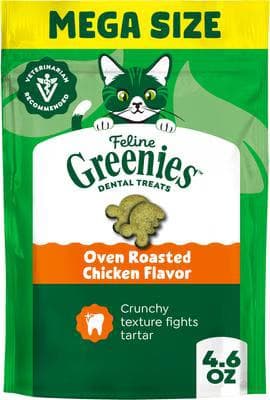
This is a dental cat treat. Follow the current label and ask your veterinarian how it fits alongside tooth brushing and professional dental care.
Webvet may earn a commission when you click through to Chewy, at no extra cost to you.
Low acute toxicologic concern for one plain sweet potato exposure would not prove that routine use is nutritionally useful or appropriate for every patient. Do not add sweet potato to treat constipation, diarrhea, or hairballs without a diagnosis. Hydration, impaction, disease, and the complete diet affect whether added fiber is appropriate. Complete cat food should remain the nutritional base.
What sweet potato contains and what that means
Sweet potato can appear in properly formulated complete diets, but its vitamin and fiber content does not prove that a household spoonful improves vision, immunity, metabolism, diarrhea, constipation, or hairballs. Vitamins, minerals, protein, fiber, water, or antioxidants listed for sweet potato do not guarantee a health effect from a household taste. The amount supplied, its availability, the rest of the diet, and the outcome being measured would all matter. For a cat already eating complete food, sweet potato is optional rather than a treatment or required supplement.
The FDA's diet-associated DCM work concerns complete diet patterns, formulation, and multiple interacting factors. It does not show that an occasional sweet-potato taste causes DCM. Product details and patient history matter more than a general claim about the food. Keep the label, identify the form and preparation, and separate a confirmed toxic ingredient from ordinary calorie, fat, sodium, or tolerance questions.
Plain sweet potato versus mixed products

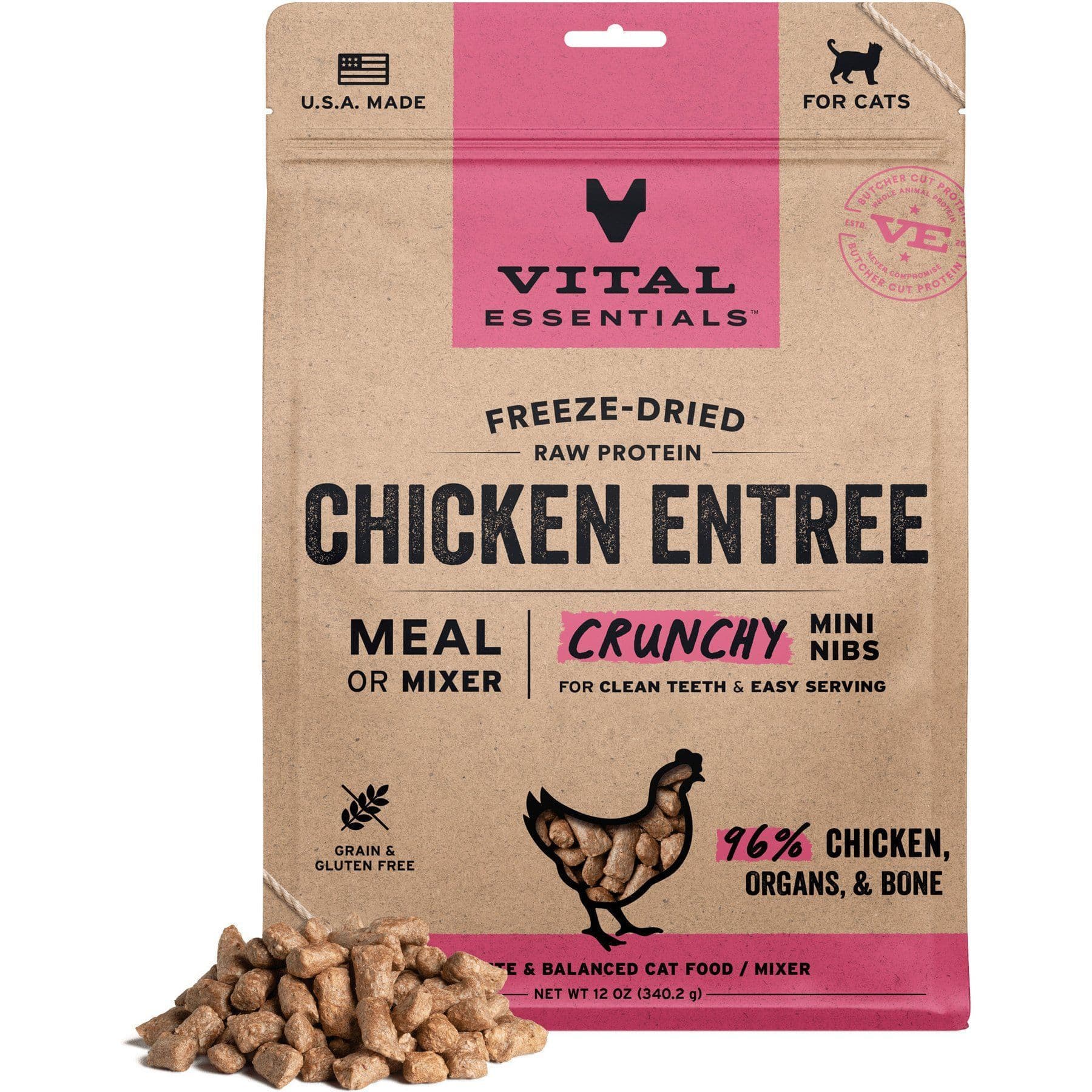
This is an optional cat treat. Review its current label, ingredients, calories, and feeding directions, and count it within the total daily extras.
Webvet may earn a commission when you click through to Chewy, at no extra cost to you.
For an actual sweet potato exposure, identify whether the food was plain, seasoned, spoiled, concentrated, raw, cooked, or part of a larger recipe. Review a mixed dish for onion, garlic, chives, or confirmed xylitol. Butter, oil, salt, sugar, cinnamon, and marshmallow affect different aspects of the exposure and are not one poisoning category.
A large hard piece can lodge or injure, while a small soft exposure is a different event. The form, dimensions, chewing, patient size, and symptoms matter more than a raw-versus-cooked slogan. A swallowed wrapper, shell, bone, rind, skewer, lid, or other object needs to be reported separately from the food itself.
| Situation | What matters | Owner action |
|---|---|---|
| Plain sweet potato | Product, amount, calories, tolerance | Compare with the complete diet |
| Mixed or seasoned product | Full ingredient list and maximum amount | Assess each ingredient separately |
| Physical hazard | Piece size, form, packaging, symptoms | Seek advice for choking, pain, or repeated vomiting |
| Medical or prescription diet | Diagnosis and nutrient targets | Ask the treating veterinarian before adding extras |
| Ongoing optional use | Total calories and diet displacement | Use the individual plan, not a serving chart |
| Uncertain exposure | Time, maximum possible amount, patient details | Contact a veterinarian with the product information |
Risks to assess with sweet potato
It does not show that an occasional sweet-potato taste causes DCM. Tolerance also varies. A new food may be followed by vomiting, loose stool, gas, reduced appetite, or no signs, and that observation alone does not diagnose allergy, pancreatitis, poisoning, or another disease. Stop the extra and call if signs are significant, persistent, or recurrent. Hard pieces, peel, and casserole ingredients should be evaluated separately from plain soft flesh.

If a solid piece or package was swallowed, report its dimensions, material, whether it was chewed, and the time of ingestion. Do not force food or water, give oil or bread, or induce vomiting unless a veterinarian or poison specialist directs you.
Other optional rewards
A measured portion of the regular complete food is the simplest reward. Another plain food is optional only when it fits the same calorie and medical plan; pumpkin is not an automatic gastrointestinal treatment. A measured portion of the regular complete food is often the easiest reward to track. If sweet potato does not fit this cat's calorie allowance, food trial, prescription diet, or tolerance, there is no nutritional need to substitute another human food.
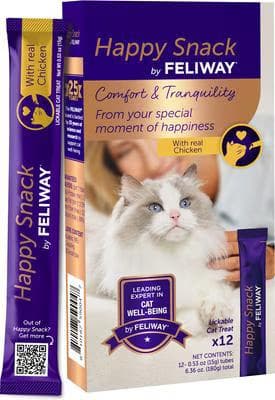
This is an optional cat treat. Review its current label, ingredients, calories, and feeding directions, and count it within the total daily extras.
Webvet may earn a commission when you click through to Chewy, at no extra cost to you.
Another human food does not automatically share sweet potato's risk profile or offer a better routine reward. Review that exact product's ingredients, calories, texture, and fit with the complete diet. Pumpkin is not an automatic diarrhea or constipation treatment to substitute at home.
What to know about sweet potatoes
Keep the package or recipe, identify all ingredients, and record the maximum amount eaten. The cat's current diet, medical history, and symptoms determine the next step. Record whether the food was plain flesh, peel, a dehydrated chew, fries, pie, or casserole.

Frequently Asked Questions
Can cats eat sweet potatoes?
The exact sweet potato product, preparation, amount, patient, and current symptoms determine the practical advice. Keep the label or recipe.
Which form of sweet potato matters most?
Plain and mixed sweet potato products can differ in ingredients, calories, concentration, texture, and physical hazards. Report the maximum amount eaten.
How much sweet potato is appropriate?
No universal serving is established. If a veterinarian approves this optional food, use its calories and the individual cat's feeding plan.
When should I call a veterinarian?
Call promptly for severe, persistent, or worsening signs, or for a confirmed hazardous ingredient or swallowed object. Hard-piece dimensions and any choking, pain, or repeated vomiting are especially useful details. Bring the package and exposure details.
Does sweet potato provide a health benefit?
No clinical benefit from a household serving is established. Sweet potato is optional and should not replace complete cat food.
More safe treats
More vegetables for cats
Sources
- Merck Veterinary Manual: Nutritional Requirements of Small Animals
Dogs and cats need species- and life-stage-appropriate complete nutrition; isolated foods do not establish a balanced diet or clinical benefit.
- Merck Veterinary Manual: Dog and Cat Foods
Merck states that properly processed starches can be used in cat foods; this does not make household sweet potato complete, required, or therapeutic.
- Merck Veterinary Manual: Gastrointestinal Obstruction in Small Animals
Foreign-body concern depends on the object's size and characteristics, the amount swallowed, the patient, and the clinical signs.
- Merck Veterinary Manual: Garlic and Onion Toxicosis
Allium exposure can cause oxidative red-cell injury; risk assessment requires the actual ingredient, concentration, amount, species, and patient weight.
Reviewed by Dr. Athena Gaffud, DVM
General guidance based on credible veterinary sources; not a diagnosis or a substitute for your veterinarian. If your pet ate something toxic or is unwell, contact your vet or a pet poison line right away.