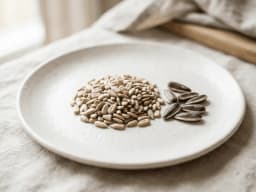
Can cats eat sunflower seeds?
Safe in moderationPlain shelled sunflower kernels are likely low risk in a small cat exposure, but direct serving data are limited and hulls need review.


Medically reviewed by Dr. Athena Gaffud, DVM · Last reviewed
Can Cats Eat Sunflower Seeds?
Plain shelled sunflower kernels are likely a low-risk food exposure for cats, but direct feline feeding and serving data are limited. ASPCA's non-toxic sunflower-plant listing does not establish dietary safety for every seed product, a kernel dose, or a hull threshold.
- 1Plain shelled sunflower kernels are likely low risk in a small feline exposure.
- 2A non-toxic sunflower plant listing does not validate a dietary serving.
- 3No single-kernel maximum, handful threshold, or body-size table is evidence based.
- 4Hulls create an amount- and object-specific mechanical concern, not certain obstruction.
- 5Assess sodium, fat, allium seasoning, calories, and packaging from the exact product.

Treats should stay under 10% of your cat's daily calories. Smalls makes the rest, built around the meat an obligate carnivore actually needs.
- Human-grade ingredients, protein first
- Built for obligate carnivores
- Fresh meals delivered to your door
Webvet may earn a commission when you click through to Smalls, at no extra cost to you.
Are Sunflower Seeds Safe for Cats?
A small plain shelled exposure is different from a bag of in-hull, salted, flavored, oily, chocolate-coated, or mixed seeds. Identify the exact product, amount, preparation, packaging, and symptoms before deciding what action is appropriate.

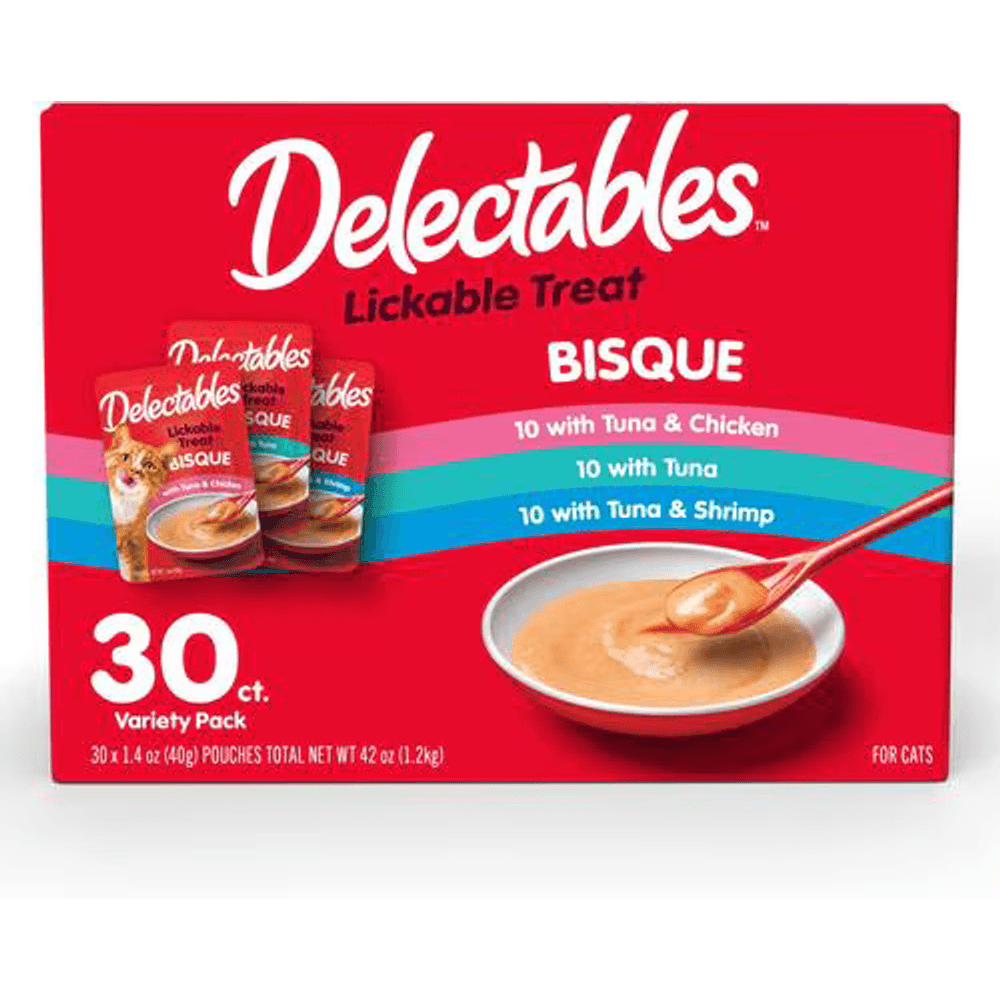
This is an optional cat treat. Review its current label, ingredients, calories, and feeding directions, and count it within the total daily extras.
Webvet may earn a commission when you click through to Chewy, at no extra cost to you.
Sunflower kernels contain fat, protein, calories, vitamins, minerals, and plant compounds. Cats can use some plant-derived nutrients and fats. The relevant point is that kernels are unnecessary extras, not physiologically invisible.
What sunflower kernels contain and what that does not prove
A nutrient list does not prove skin, coat, immune, digestive, or antioxidant benefits from a household kernel. Complete feline food should supply essential nutrients, and unplanned supplementation can change calories and nutrient balance.

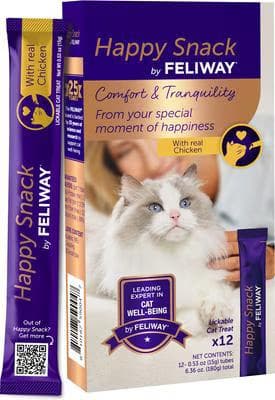
This is an optional cat treat. Review its current label, ingredients, calories, and feeding directions, and count it within the total daily extras.
Webvet may earn a commission when you click through to Chewy, at no extra cost to you.
Obligate carnivory describes required nutrients and metabolism. It does not make every plant ingredient useless or every meat treat automatically appropriate. Treat choice should follow the complete diet and individual cat.
Assessing hulls, sodium, fat, and the exact product
Hulls are poorly digestible and can create a mechanical concern in sufficient quantity, but they do not universally choke, scratch, or clump into an obstruction. Risk depends on quantity, hull size and sharpness, chewing, cat size, and symptoms.
Salt, fat, and calories must be assessed from the actual product and amount. A cat's small size does not substitute for exposure calculation, and a handful is not a standardized dose. Garlic and onion seasoning creates a separate allium concern. Separate plain shelled kernels from in-hull seeds, birdseed, trail mix, flavored snacks, sunflower butter, oil, and supplements. Preserve the package and note sodium, oil, onion or garlic seasoning, chocolate, raisins, macadamia nuts, other seeds, sweeteners, and the amount missing. Birdseed can also contain unfamiliar species, mold, debris, suet, string, mesh, or feeder plastic. A sunflower plant entry does not classify an unidentified outdoor mixture or provide a feline feeding plan.
| Exposure | What matters |
|---|---|
| Small plain shelled amount | Exact calories and individual tolerance |
| Hulls | Quantity, size, sharpness, chewing, symptoms |
| Salted or flavored snack | Sodium, alliums, oil, other ingredients, amount |
| Therapeutic diet | Treating veterinarian's complete nutrition plan |
Why no universal feline sunflower-kernel serving exists
No evidence-based single-kernel maximum, body-size serving, or frequency exists. If a veterinarian approves an optional plain shelled taste, use exact calories within all daily extras and do not displace complete feline food. Cats often receive hidden extras in lickable treats, dental products, food used for medication, toppers, and table scraps. Count all of them before deciding whether a kernel fits. Fat-dense foods can add meaningful calories through repeated small tastes without causing acute poisoning. Premeasure any approved reward, never feed from a shared bowl, and keep seed bags, hull containers, desiccant packets, and trash secured. If a cat refuses complete food but seeks oily seeds, do not use kernels as an appetite treatment. Persistent poor appetite deserves veterinary evaluation. Birdseed and human snack kernels are not interchangeable. Outdoor mixes can contain hulls, other seed species, suet, debris, mold, pesticides, string, mesh, or plastic. Photograph the bag or feeder mix and report every material the cat could have swallowed. Clean spilled seed before it becomes damp or moldy, and keep cats away from discarded feeder waste. A non-toxic sunflower plant entry does not validate an unidentified birdseed mixture. If a veterinarian approves an occasional plain shelled kernel, use a product intended for human food, confirm that it is unseasoned, and keep the rest of the complete diet unchanged.

Choosing another optional cat treat
Do not grind kernels or add sunflower oil for an unproved benefit. Oil changes calories and fat; it does not provide a household treatment for coat, skin, constipation, or hairballs.
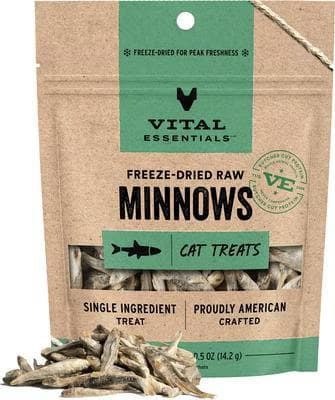
This is an optional cat treat. Review its current label, ingredients, calories, and feeding directions, and count it within the total daily extras.
Webvet may earn a commission when you click through to Chewy, at no extra cost to you.
Other nuts and seeds are not automatically safer. Products differ in toxicity, shells, fat, calories, salt, seasonings, size, and packaging. A measured portion of regular complete food is easiest to track. A measured portion of the cat's regular food is easier to track as a reward than kernels from a shared snack bowl. This preserves the known nutrient profile and reduces opportunities for hulls, flavor dust, other nuts, and packaging to become part of the exposure.
What to Do If Your Cat Eats Sunflower Seeds
If a cat steals seeds, identify shelled versus in-hull, amount, salt, seasoning, other nuts, package, time, water access, medical history, and symptoms. Seek advice for a large or unknown amount, substantial hulls, alliums, packaging, repeated vomiting, pain, neurologic signs, or collapse. For trail mix or flavored snacks, list every nut, dried fruit, sweetener, chocolate piece, spice, oil, and coating. Raisins, chocolate, xylitol, macadamia nuts, onion, garlic, caffeine, and packaging require separate assessment. If several pets had access, report the maximum an individual cat could have eaten rather than averaging the missing quantity. Photograph the ingredient and nutrition panels, serving mass, lot, and remaining product. Do not give milk, oil, bread, charcoal, salt, hydrogen peroxide, or human medication. Cats should not receive dog emesis methods. Keep normal access to fresh water unless the veterinarian gives different instructions, but do not force water after a salty exposure. For hulls, watch appetite, vomiting, abdominal comfort, stool, and activity. Repeated vomiting, pain, marked lethargy, abdominal distention, or inability to keep water down warrants prompt care. One hull does not predict obstruction, and an initial normal stool cannot establish safety after a large hull exposure. During a hydrolyzed or novel-protein food trial, flavored seeds can invalidate the trial. Cats on renal, cardiac, gastrointestinal, or weight-management diets may also have individualized sodium, fat, phosphorus, protein, or calorie targets. Follow that plan rather than assigning a universal seed prohibition. Report hulls, zipper strips, desiccant packets, wrappers, and containers as separate possible ingestions. Repeated vomiting, abdominal pain, distention, poor appetite, pronounced lethargy, tremors, collapse, or inability to keep water down warrants veterinary attention. Cats should not receive hydrogen peroxide or dog-oriented vomiting methods. Elimination, renal, cardiac, urinary, gastrointestinal, and weight-management diets may require kernels excluded or individually budgeted. Sunflower oil and ground seed add concentrated calories and are not household treatments for skin, coat, hairballs, or constipation.
Frequently Asked Questions
Can cats eat sunflower seeds with the shell on?
Plain shelled sunflower kernels are likely low risk in a small exposure, but direct feline data are limited.
How many sunflower seeds can a cat eat?
ASPCA's non-toxic plant listing does not establish a kernel serving or hull threshold.
My cat ate a salted sunflower seed. Should I worry?
No evidence-based single-kernel maximum or handful action threshold exists.
Are any seeds safe for cats?
Cats can use some plant-derived nutrients, although sunflower seeds are unnecessary extras.
Why is my cat obsessed with sunflower seeds?
Hull, salt, fat, seasoning, calorie, and packaging risk depends on the exact product and amount.

More safe treats
More nuts & seeds for cats
Sources
- ASPCA APCC: Sunflower
ASPCA lists Helianthus angustifolius as non-toxic to dogs and cats, but the plant listing does not establish a kernel serving or hull safety threshold.
- Merck Veterinary Manual: Nutritional Requirements of Small Animals
Complete diets control nutrient intake; limited-ingredient home mixtures can be inadequate, and processed plant ingredients can be digested and used.
- Cornell Feline Health Center: Feeding Your Cat
Cats require complete feline nutrition, treats should remain limited, and dairy tolerance varies among adult cats.
- Merck Veterinary Manual: Salt Toxicosis in Animals
Salt toxicosis follows excessive sodium exposure, particularly with restricted water; sodium's presence alone does not establish poisoning.
- Merck Veterinary Manual: Gastrointestinal Obstruction in Small Animals
Foreign-body risk depends on the object, amount, and patient rather than being guaranteed by a shell, hull, skin, seed, or bone.
Reviewed by Dr. Athena Gaffud, DVM
General guidance based on credible veterinary sources; not a diagnosis or a substitute for your veterinarian. If your pet ate something toxic or is unwell, contact your vet or a pet poison line right away.