
Can cats eat pineapple?
Safe in moderationPlain ripe pineapple is not recognized as a common feline poison, but cat data are limited and no universal serving or health benefit is established.


Medically reviewed by Dr. Athena Gaffud, DVM · Last reviewed
Can Cats Eat Pineapple?
Direct feline pineapple-feeding data are limited. A small amount of plain ripe flesh is unlikely to poison a healthy cat, but that is not a validated serving or a guarantee for every patient. Pineapple is an optional extra and should not displace a complete diet; avoid claims about taste preference, sugar or acid effects, or nutritional benefit from an undefined bite.
- 1A small amount of plain ripe pineapple flesh is unlikely to poison a healthy cat.
- 2Direct feline feeding data are limited, and no universal serving is established.
- 3Sugar or acid content alone does not predict vomiting or diarrhea in an individual cat.
- 4Skin and core are tough nonfood material; foreign-body risk depends on the piece and the cat.
- 5Check canned, dried, and juice labels for calories, syrup, sweeteners, and other ingredients.

Treats should stay under 10% of your cat's daily calories. Smalls makes the rest, built around the meat an obligate carnivore actually needs.
- Human-grade ingredients, protein first
- Built for obligate carnivores
- Fresh meals delivered to your door
Webvet may earn a commission when you click through to Smalls, at no extra cost to you.
Is pineapple safe for cats?

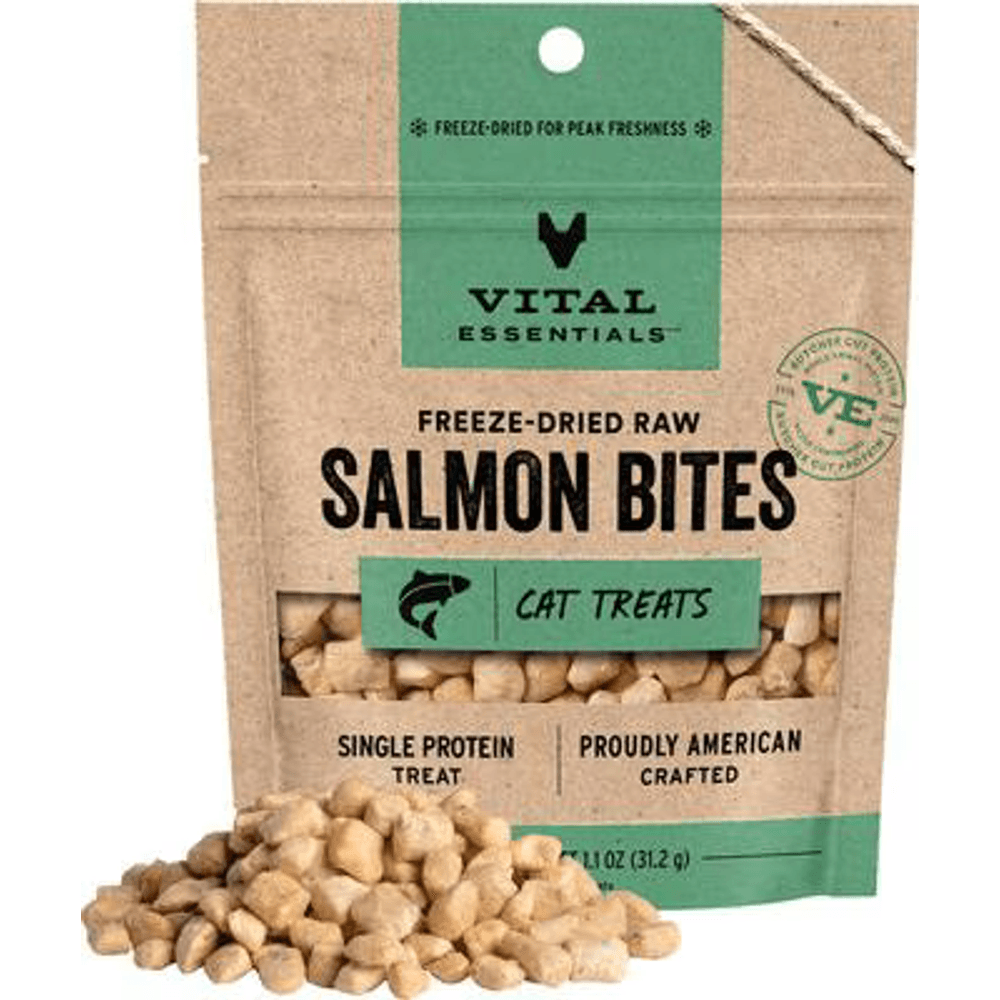
This is an optional cat treat. Review its current label, ingredients, calories, and feeding directions, and count it within the total daily extras.
Webvet may earn a commission when you click through to Chewy, at no extra cost to you.
Yes, in the sense that pineapple is not on the list of foods that are poisonous to cats. The ASPCA does not classify pineapple flesh as toxic, and a small amount will not cause the kind of emergency you would see with onion, garlic, grapes, or chocolate. So if your cat licked a dropped chunk off the kitchen floor, there is no reason to panic. The flesh is mostly water and sugar with some fiber and a few vitamins, and none of that is harmful in a bite-sized portion. The reason pineapple still lands in the moderation category rather than a firm yes is that safe and beneficial are two different things. Something can be non-toxic and still be a poor fit for a cat's digestive system, and pineapple is a good example of exactly that gap.
The caveats matter more for cats than they do for dogs. A cat weighs only around eight to ten pounds, so a serving that looks trivial to us is proportionally much larger to a small feline body. No feline dose-response threshold links the sugar or acid in a small pineapple exposure to a predictable illness. Stop offering it if the individual cat develops signs. There is also the simple fact that most cats are not especially interested. Because cats lack the taste receptors for sweetness, the flavor that draws people and even dogs to pineapple is largely lost on them. A cat that seems curious about pineapple is usually reacting to the smell, the moisture, or the novelty rather than any craving for the fruit itself.
Why cats do not need pineapple
Cats are obligate carnivores, which is a scientific way of saying their bodies are hardwired to get nearly everything they need from animal protein and fat. Unlike people and dogs, cats have no dietary requirement for fruit, vegetables, grains, or sugar. Their digestive tract is short and specialized for breaking down meat, and they draw essential nutrients such as taurine, preformed vitamin A, and arachidonic acid directly from animal tissue rather than from plants. A wild cat's menu is prey, not produce, and that biology has not changed just because your cat lives on the couch.
Pineapple is an optional extra rather than complete feline nutrition. Its vitamin, fiber, and bromelain content does not establish a digestive or other clinical benefit from a household taste, and direct feline dose-response data are limited. If a veterinarian approves an occasional taste, count its calories with all other extras and judge tolerance from the individual cat and complete diet.

How much pineapple can a cat eat?
Very little. The right amount of pineapple for a cat is a single bite-sized piece of fresh flesh, offered no more than occasionally. A good rule for any treat is that it should make up no more than around ten percent of a cat's daily calories, and for something as sugary as pineapple you want to stay well under that ceiling. For most cats that means a piece roughly the size of a single blueberry, given once in a while rather than as part of a routine. There is no benefit to offering more, and larger amounts only raise the odds of an upset stomach.
The first time you offer pineapple, give an even smaller amount than usual and then wait a day. Every cat is different, and some have sensitive stomachs that react to any new food. If your cat tolerates that first tiny taste with no vomiting, diarrhea, or loss of appetite, an occasional small piece is fine. If your cat has diabetes, is overweight, or has a history of digestive trouble, it is best to skip pineapple entirely and stick with a proper cat treat, since the sugar load is simply not worth the risk. When in doubt, your veterinarian is the best person to ask about your individual cat.
| Factor | What to consider | Action |
|---|---|---|
| Evidence | No validated universal feline serving | Use only a small optional extra |
| Complete diet | Extras can dilute balanced nutrition | Count every treat calorie |
| Medical history | Needs differ by patient | Ask the treating veterinarian |
| Product form | Calories and ingredients vary | Read the label |
How to prepare pineapple for a cat
If you do decide to share a taste, preparation is where safety is won or lost. Start with fresh, ripe pineapple only, never canned. Peel away all of the spiky outer skin and cut out the tough, fibrous central core, both of which are far too hard for a cat to chew and can be a choking or blockage hazard. Take a small amount of the soft yellow flesh and cut it down to a single bite-sized piece, small enough that your cat can chew and swallow it without gulping. Serve it plain and at room temperature, with nothing added. There should be no sugar, no syrup, no salt, and no seasoning of any kind. If you want to keep some on hand, plain fresh pineapple is the only form that belongs anywhere near your cat.

This is an optional cat treat. Review its current label, ingredients, calories, and feeding directions, and count it within the total daily extras.
Webvet may earn a commission when you click through to Chewy, at no extra cost to you.
Risks of pineapple for cats
The main risk with pineapple is digestive upset. An individual cat may develop gastrointestinal signs after a new food, but a modest pineapple amount does not have an established predictable gastrointestinal outcome in cats. Because a cat is so small, it takes very little to tip the balance, which is why the recommended serving is so tiny. Over time, regular sugary treats can also contribute to weight gain and put stress on a cat's metabolism, and cats prone to diabetes are particularly poor candidates for any sweet food.
The other risks are physical rather than chemical. The core and skin are the real hazards on a pineapple, and a cat that chews on either can choke or, if a piece is swallowed, develop an intestinal blockage that may require veterinary care. The leaves of the plant can irritate a cat's mouth and are not meant to be eaten. There is also the habit-forming angle to consider. If a cat learns that begging at the counter earns a sweet treat, it can start turning up its nose at its regular food, and steering a finicky cat back toward a balanced diet is much harder than never starting the pattern. For all of these reasons, pineapple is best kept as a rare curiosity, if you offer it at all.

Why is my cat attracted to pineapple?
If your cat comes running when you slice a pineapple, it is almost certainly not the sweetness that is pulling it in. Cats do not have functional sweet taste receptors, so the sugary flavor that we love is essentially invisible to them. What tends to interest a cat is the strong tropical aroma, the wet and stringy texture, the crinkle of the packaging, or simply the fact that you are paying attention to something and they want in on it. Some cats are drawn to the fibrous leaves the way they are to other houseplants and grasses, chewing on them out of curiosity or a general urge to gnaw greenery.
Whatever the reason, curiosity is not a signal that your cat needs pineapple. A cat that seems to enjoy a small piece is fine to indulge occasionally within the limits above, but a cat that is fixated on chewing the leaves or the core should be redirected, because those parts are the dangerous ones. If your cat is constantly seeking out plant material to chew, it can be worth offering a pot of cat grass instead, which gives that instinct a safe outlet and keeps your cat away from the parts of the pineapple that can actually cause harm.
Better treats for cats than pineapple
Because cats are meat eaters, the best treats are protein, not fruit. A little plain cooked chicken is a favorite for good reason, and a small amount of plain cooked egg gives a protein-rich treat most cats love. A flake of plain cooked fish such as salmon works well too, as does a lick of plain meat baby food with no onion or garlic, or simply a good-quality commercial cat treat formulated for feline nutrition. All of these give your cat something to enjoy while actually matching what its body is built to eat.
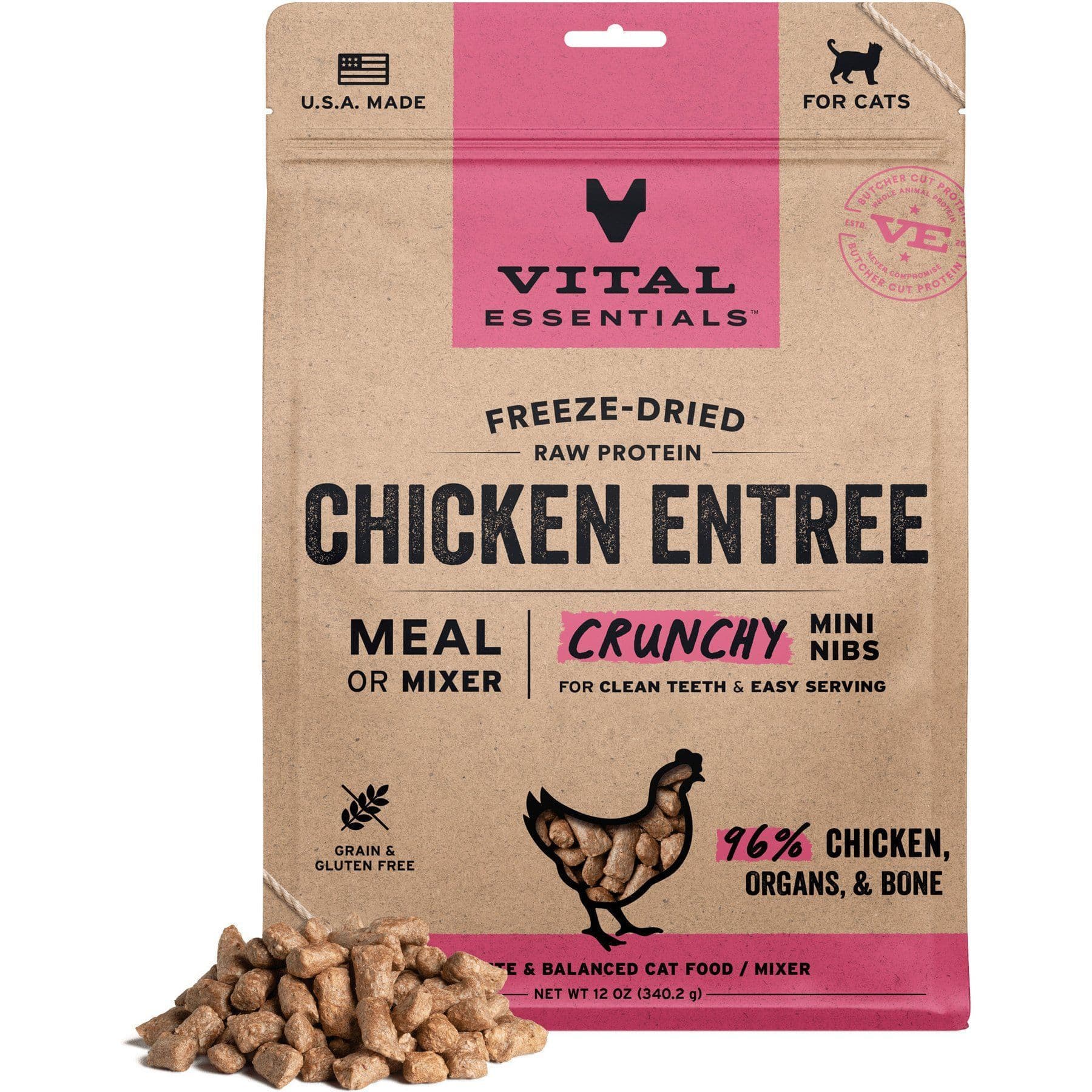
This is an optional cat treat. Review its current label, ingredients, calories, and feeding directions, and count it within the total daily extras.
Webvet may earn a commission when you click through to Chewy, at no extra cost to you.
If your cat genuinely enjoys the occasional bit of produce, a few fruits are tolerated a little better than pineapple in tiny amounts, but they are still just novelties with no real benefit. The bottom line is simple: keep pineapple as a rare, tiny taste at most, lean on meat-based treats for everyday sharing, and let your cat's balanced diet do the heavy lifting. That approach keeps snack time fun without asking a carnivore's body to handle sugar it was never designed for.

Frequently Asked Questions
Are pineapples toxic to cats?
Fresh ripe pineapple flesh is not recognized as a common feline poison, but direct feeding evidence is limited. An accidental small taste does not establish an acid- or sugar-related outcome. Skin, core, and leaves are tougher material whose physical risk depends on the piece and the cat.
Can cats eat canned pineapple?
It is best avoided. Canned pineapple is usually packed in sugary syrup or juice and can contain preservatives, all of which add unnecessary sugar for a cat. If you want to share a taste, use fresh, peeled, cored pineapple instead and keep the portion tiny.
Can cats drink pineapple juice?
No. Pineapple juice is concentrated sugar and acid with none of the fiber of the whole fruit, which makes it even harder on a cat's stomach. Cats should drink only fresh water, so skip the juice entirely.
Can cats eat pineapple leaves?
No. The spiky leaves are tough, can irritate a cat's mouth, and are a choking hazard. If your cat likes to chew on the leaves, redirect it with a pot of cat grass, which gives that urge a safe outlet.
What fruits are safer for cats than pineapple?
In tiny amounts, cats tend to tolerate small pieces of blueberry or watermelon a little better than pineapple, though none of these fruits are necessary. Remember that the best cat treats are protein-based, such as plain cooked chicken or a flake of cooked fish, not fruit.
More safe treats
More fruits for cats
Sources
- Pet Poison Helpline: Pet Friendly Human Food
Veterinary poison-control guidance lists fresh pineapple without skin or core among foods that do not pose a toxicity risk to healthy pets.
- Merck Veterinary Manual: Gastrointestinal Obstruction in Small Animals
Foreign-body outcomes depend on object and patient characteristics.
- 2021 AAHA Nutrition and Weight Management Guidelines
AAHA recommends individualized nutritional assessment and complete diets; the guideline does not establish a feline pineapple serving or clinical benefit.
- AAHA: Nutritional Risk Factors
Noncomplete foods above 10 percent of daily calories can dilute essential nutrients.
Reviewed by Dr. Athena Gaffud, DVM
General guidance based on credible veterinary sources; not a diagnosis or a substitute for your veterinarian. If your pet ate something toxic or is unwell, contact your vet or a pet poison line right away.