
Can dogs eat pineapple?
SafeA small amount of plain ripe pineapple flesh is unlikely to poison a healthy dog. Keep skin and core away, and check processed products for added ingredients.


Medically reviewed by Dr. Athena Gaffud, DVM · Last reviewed
Can Dogs Eat Pineapple?
Yes, dogs can eat fresh pineapple in small amounts. A small amount of plain, ripe pineapple flesh is unlikely to poison a healthy dog, but a treat-sized portion should not be promoted for vitamin, antioxidant, digestive, or hydration benefits. Because pineapple is high in natural sugar and acid, it works best as an occasional treat rather than a daily snack.
- 1A small amount of plain ripe pineapple flesh is unlikely to poison a healthy dog.
- 2Do not market a treat-sized amount as a digestive, antioxidant, vitamin, or hydration intervention.
- 3Skin and core are tough nonfood material; foreign-body risk depends on piece size and the dog.
- 4Canned and dried products vary, so check syrup, added sugar, sweeteners, and other ingredients.
- 5Count pineapple with all other extras in the dog's daily treat-calorie budget.

Treats should stay under 10% of your dog's daily calories. JustFoodForDogs makes the rest of it.
- Recipes developed by veterinary nutritionists
- Whole-food ingredients you can recognise
- Fresh meals delivered to your door
Webvet may earn a commission when you click through to JustFoodForDogs, at no extra cost to you.
Is pineapple safe for dogs?
Pineapple is one of the tropical fruits that gets a clear green light from veterinarians and organizations like the American Kennel Club, as long as you serve the right part in the right amount. The flesh contains no compounds that are toxic to dogs. The concerns are practical rather than poisonous: the fruit is sugary and acidic, and the hard outer skin and central core are tough to digest. Feed a few small pieces of peeled, cored flesh and pineapple is a healthy, hydrating treat. Feed the whole thing, skin and all, and you invite trouble.

How pineapple fits into a dog's diet
Pineapple is more than just a sweet snack. Around 86 percent of the fruit is water, which makes frozen chunks a refreshing way to help a dog stay hydrated on a hot day. Beyond water, the flesh packs a genuinely useful set of nutrients for a fruit that dogs eat in such small amounts.
Pineapple contains nutrients, but nutrient content alone does not establish a clinical vitamin, antioxidant, digestive, anti-inflammatory, or stool benefit from a treat-sized serving. A complete and balanced diet should supply required nutrients.

How much pineapple can dogs eat?
Like all treats, pineapple should follow the 10 percent rule: treats of any kind should make up no more than 10 percent of your dog's daily calories, with the other 90 percent coming from a complete, balanced dog food. Because pineapple carries roughly 50 calories and 10 grams of sugar per 100 grams, a little goes a long way, especially for small breeds.
Use your dog's size as a rough guide, and start with less than you think you need the first time so you can watch how their stomach handles it.
| Factor | What to consider |
|---|---|
| Daily calories | Count pineapple with every other treat and extra |
| Piece size | Cut flesh to suit the individual dog's chewing style |
| Medical or therapeutic diet | Ask the treating veterinarian before adding extras |
| Processed product | Check syrup, added sugar, sweeteners, and other ingredients |
| First exposure | Use a small amount and stop if signs develop |
These are starting points, not daily targets. Pineapple is a now-and-then treat, not a supplement, so offering it a couple of times a week at most is plenty.
How to prepare and serve pineapple
Preparation is where most pineapple problems start and end. Get it right and the fruit is a safe treat. Start by cutting away the spiky skin completely, then slice out the tough, fibrous core that runs down the middle. Cut the soft yellow flesh into bite-sized pieces sized for your dog, small enough to swallow without gulping. Serve it fresh and plain, with no added sugar, salt, syrup, or seasoning. If you want to make it last, freeze the pieces first.

Which forms of pineapple are safe?
Not all pineapple is created equal, and the form matters as much as the amount. Fresh, raw pineapple is the gold standard and the only form worth feeding regularly. Frozen fresh chunks are also fine and make a great summer treat. Canned, dried, and juice products vary. Check the label for syrup, added sugar, portion calories, and other ingredients. A product containing xylitol, chocolate, or other sweeteners should never be shared with a dog, since xylitol in particular is highly toxic to dogs.
Risks and what to watch for
For a healthy dog, the main risk of pineapple is a sensitive stomach. The natural acid and sugar can cause an upset stomach, gas, or loose stool if your dog eats too much. Introduce it slowly, in a small amount, and watch for any reaction over the next day.
Dogs that are overweight or diabetic should have pineapple rarely, if at all, because of the sugar load, so talk to your vet before offering it. The more serious risk is mechanical: swallowing the skin or core can lead to a choking incident or a blockage that may need veterinary care.
Does pineapple stop dogs from eating poop?

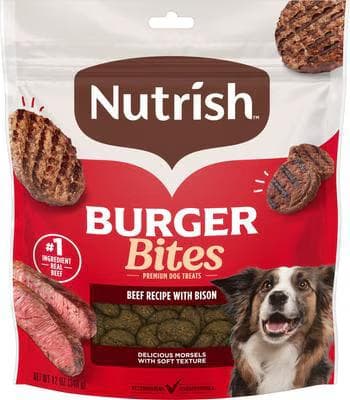
This is an optional dog treat. Review its current label, ingredients, calories, and feeding directions, and count it within the total daily extras.
Webvet may earn a commission when you click through to Chewy, at no extra cost to you.
You may have seen the popular claim that feeding pineapple stops dogs from eating their own stool, a behavior called coprophagia. The idea is that pineapple makes the stool taste unpleasant. In reality, there is little evidence that it works, and coprophagia usually has behavioral or medical causes that a treat cannot fix. If your dog eats stool, it is worth a conversation with your veterinarian rather than a bowl of pineapple.
Puppies and dogs with health conditions
Puppies can have a tiny taste of fresh pineapple once they are eating solid food well, but their stomachs are more sensitive, so keep the portion very small and watch for loose stool. For dogs with diabetes, obesity, or a history of digestive trouble, it is safest to check with your vet before adding any sugary fruit. When in doubt, a lower-sugar option is the better pick.
Safe alternatives to pineapple
If your dog loves fruit but pineapple is too sugary or acidic for their stomach, there are gentler options. Watermelon is hydrating and low in calories once you remove the seeds and rind. Blueberries are small, antioxidant-rich, and easy to serve just as they are. Both make excellent training treats and follow the same rule as pineapple: keep them to small, occasional portions.
This is an optional dog treat. Review its current label, ingredients, calories, and feeding directions, and count it within the total daily extras.
Webvet may earn a commission when you click through to Chewy, at no extra cost to you.
The bottom line
Yes, dogs can eat pineapple, and most will love it. Stick to fresh, raw flesh with the skin and core removed, keep portions small, and skip the canned, dried, and juice versions. A small amount of plain ripe flesh is unlikely to poison a healthy dog, but it remains an optional extra rather than a hydration or vitamin intervention.

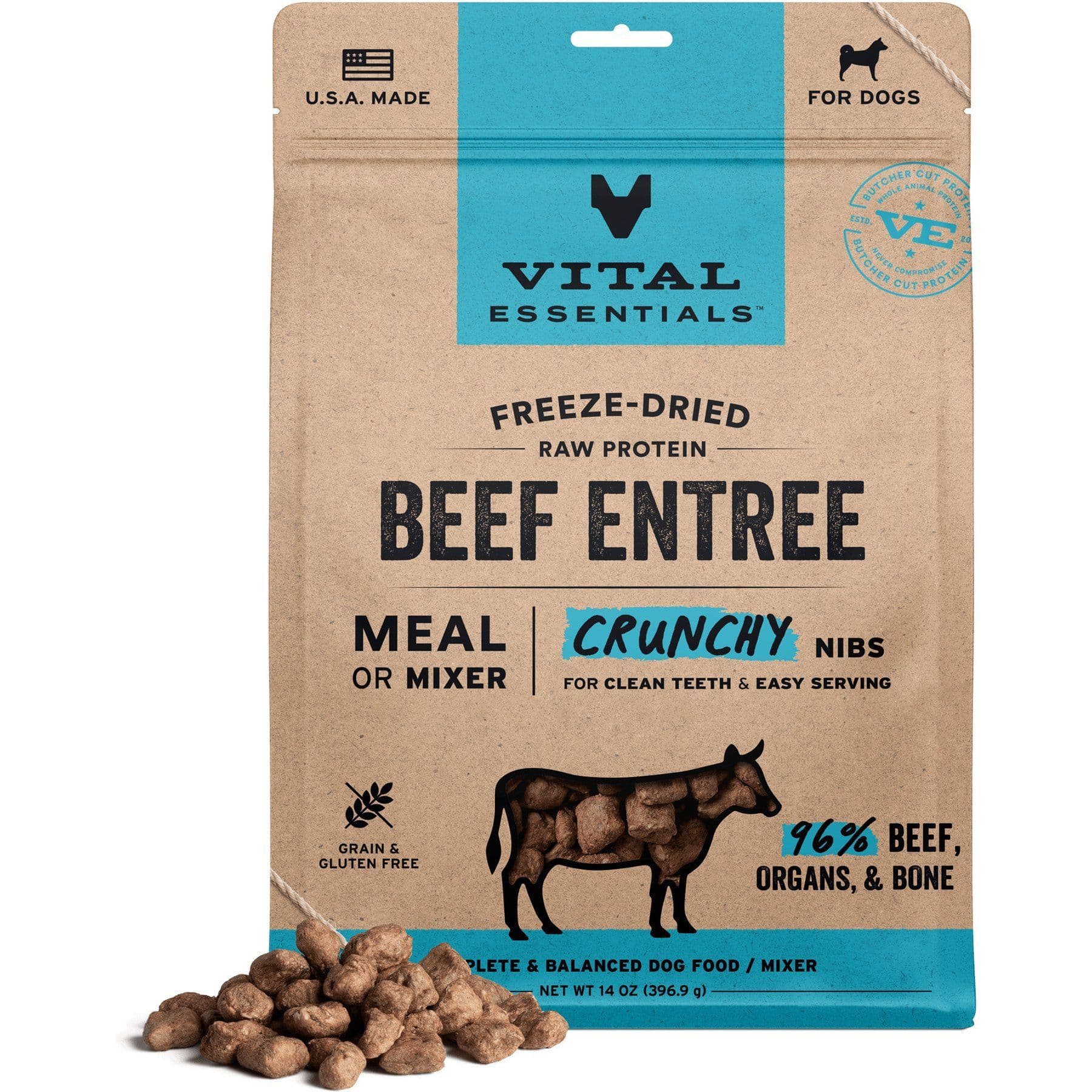
This is an optional dog treat. Review its current label, ingredients, calories, and feeding directions, and count it within the total daily extras.
Webvet may earn a commission when you click through to Chewy, at no extra cost to you.
Frequently Asked Questions
Are pineapples toxic to dogs?
No. The soft flesh of a fresh pineapple is not toxic to dogs. The only parts to avoid are the spiky skin, crown, and hard core, which are choking and blockage hazards rather than poisons.
Is pineapple a laxative for dogs?
Pineapple is not a true laxative, but its fiber, acid, and sugar can loosen a dog's stool if they eat too much. That is one reason to keep portions small and occasional.
Can dogs eat canned or dried pineapple?
It is best to avoid both. Canned pineapple is usually packed in sugary syrup, and dried pineapple concentrates the sugar into a small piece. Fresh or frozen fresh pineapple is the safer choice.
Can dogs eat pineapple skin or core?
No. The skin, leaves, and core are tough, hard to digest, and can cause choking or an intestinal blockage. Remove them completely and feed only the soft flesh.
How much pineapple can a dog have?
Only a small amount. A few bite-sized pieces for most dogs, and just one or two for small breeds. Treats like pineapple should stay under 10 percent of your dog's daily calories.
More safe treats
More fruits for dogs
Sources
- Pet Poison Helpline: Pet Friendly Human Food
Veterinary poison-control guidance lists fresh pineapple without skin or core among foods that do not pose a toxicity risk to healthy pets.
- Merck Veterinary Manual: Gastrointestinal Obstruction in Small Animals
Foreign-body risk depends on object and patient; not every skin, leaf, or core exposure causes obstruction.
- AAHA: Nutritional Risk Factors
Extras should remain within the calorie budget and should not be promoted as necessary nutrition.
- 2021 AAHA Nutrition and Weight Management Guidelines
A complete diet and individual nutritional assessment should anchor advice; the guideline does not establish clinical benefits from a treat-sized fruit portion.
Reviewed by Dr. Athena Gaffud, DVM
General guidance based on credible veterinary sources; not a diagnosis or a substitute for your veterinarian. If your pet ate something toxic or is unwell, contact your vet or a pet poison line right away.