
Can cats eat olives?
Safe in moderationPlain olive flesh is not a recognized cat toxin. Review pits, brine, stuffing, and marinades by the exact product, amount, and cat.


Medically reviewed by Dr. Athena Gaffud, DVM · Last reviewed
Can Cats Eat Olives?
Plain olive flesh is not a recognized feline toxin, but the pit, brine, stuffing, marinade, and amount need separate assessment. Count missing olives and pits, estimate access to brine, and keep the jar or recipe. Garlic or onion stuffing, alcohol marinades, cheese, peppers, herbs, concentrated salt, and swallowed packaging need their own assessment. A pit can create a tooth, airway, or gastrointestinal question depending on its size, the cat, chewing, location, and signs; it is not an automatic blockage diagnosis. Record vomiting, appetite, drinking, activity, breathing, and abdominal comfort. Olive oil is not an established hairball treatment, so recurrent retching, constipation, or grooming changes deserve a diagnosis rather than repeated household oil. Identify the exact form, ingredients, amount, and cat before deciding whether home observation or veterinary advice fits. If the preparation is uncertain, save the package, recipe, or remaining food; a category name alone cannot reveal every ingredient or swallowed object.
- 1Plain olive flesh is not a recognized feline toxin.
- 2Olives contain usable nutrients and calories, while complete feline food remains primary.
- 3Pit and sodium concerns depend on size, amount, patient, and symptoms.
- 4Stuffed and marinated products are not uniformly toxic.
- 5Olive oil is not an established hairball treatment.

Treats should stay under 10% of your cat's daily calories. Smalls makes the rest, built around the meat an obligate carnivore actually needs.
- Human-grade ingredients, protein first
- Built for obligate carnivores
- Fresh meals delivered to your door
Webvet may earn a commission when you click through to Smalls, at no extra cost to you.
Can cats eat olives?
Hill's identifies plain olive flesh as non-toxic to cats. Olives still contain nutrients and calories, and feline nutrition does not require nutrients to come only from animal tissue. A tiny piece of plain flesh is different from brine, a whole pit, a stuffed olive, an infused product, or olive oil offered as a home treatment. The conclusion applies to the identified form and does not predict the response to every preparation, amount, or patient. A food can be non-toxic yet remain a poor routine choice because of calories, texture, individual tolerance, or a prescribed diet. A low-risk accidental taste and repeated feeding therefore need separate decisions.

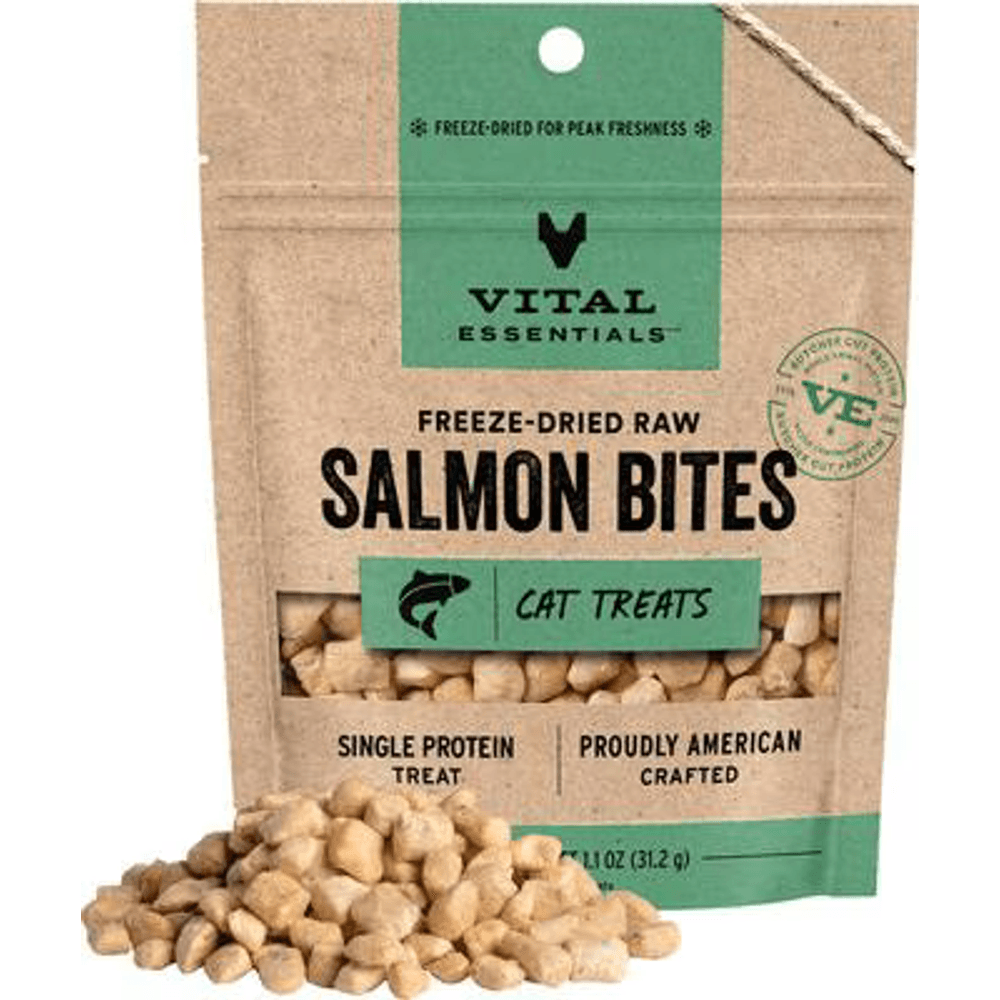
This is an optional cat treat. Review its current label, ingredients, calories, and feeding directions, and count it within the total daily extras.
Webvet may earn a commission when you click through to Chewy, at no extra cost to you.
A useful safety assessment names the exact item. Fresh food, a sweetened or seasoned product, a peel, pit, plant, powder, concentrate, and discarded packaging can create different questions. Read labels for garlic, onion, alcohol, cheese, peppers, herbs, oils, and other ingredients. A stuffed or marinated olive is not automatically poisonous; the actual ingredient and amount determine the question.
How product form changes the answer
Pit and sodium concerns are amount- and patient-dependent. A pit can be a tooth, airway, or foreign-body concern depending on its dimensions and the cat, while salt toxicosis requires a sufficient exposure and clinical context. Use the product details, amount, timing, symptoms, and patient history to decide when veterinary advice is needed.
For olives, the higher-concern situation is a pit, meaningful salt exposure, hazardous ingredient, or symptoms changes triage. Age, body size, chewing behavior, health history, current diet, and medications can change the practical decision for this cat. A prescription-diet patient or one with ongoing signs needs case-specific advice; have the current food and medication list available when calling.
What to watch for after an exposure
After an accident, record the missing olives and pits, amount of brine, product label, time, and signs. These details determine whether observation or prompt advice is appropriate. Do not predict a complication from the food name alone. Record what was eaten, the part or recipe, the estimated amount, the time, and whether the cat is acting normally. If a pit, core, wrapper, skewer, packet, or other object may be missing, report it separately from the edible ingredients because physical and toxicology concerns require different follow-up.

This is an optional cat treat. Review its current label, ingredients, calories, and feeding directions, and count it within the total daily extras.
Webvet may earn a commission when you click through to Chewy, at no extra cost to you.
Seek prompt care for choking, breathing trouble, repeated vomiting, refusal of food, marked weakness, tremors, a high-risk swallowed pit, or a confirmed allium or alcohol exposure. Trouble breathing, collapse, seizures, marked weakness, repeated vomiting, a painful or enlarging abdomen, inability to keep water down, or other rapid deterioration needs urgent veterinary assessment regardless of the suspected food.
| Situation | What it means | Owner action |
|---|---|---|
| Plain intended form | Plain pit-free flesh is not a recognized toxin, but no serving is established | Keep complete food primary and count any calories |
| Mixed or packaged product | Brine, stuffing, marinade, and other ingredients vary | Read and save the complete label |
| Concerning part or ingredient | A pit, meaningful salt exposure, hazardous ingredient, or symptoms changes triage | Obtain case-specific veterinary or poison-service advice |
| Clinical signs | Symptoms change urgency even when the amount is uncertain | Call promptly for persistent or severe signs |
| Medical or prescription diet | The individual plan may prohibit unapproved extras | Ask the veterinary team before routine use |
Amounts and individual diet planning
The plain-form assessment is that plain pit-free flesh is not a recognized toxin, but no serving is established; it does not create a universal piece, spoon, cube, or body-size amount. Start with the cat's energy need, exact product calories, other treats, and medical restrictions. When calories are missing, weigh the product or keep it incidental rather than converting an internet portion into a daily allowance. Recalculate the plan when body condition, activity, medication, diagnosis, or the complete food changes.
Because a pit, meaningful salt exposure, hazardous ingredient, or symptoms changes triage, a general treat ceiling cannot serve as a safety dose. If olives will be repeated, the veterinary team can decide whether its specific form belongs in this cat's plan.

Other treat options for cats
Do not offer olive oil as a hairball remedy. Recurrent retching, vomiting, constipation, or grooming change deserves a diagnosis and targeted plan. No replacement is automatically superior for every cat. Choose an option that the patient can chew, the calorie plan can accommodate, and any therapeutic diet permits.
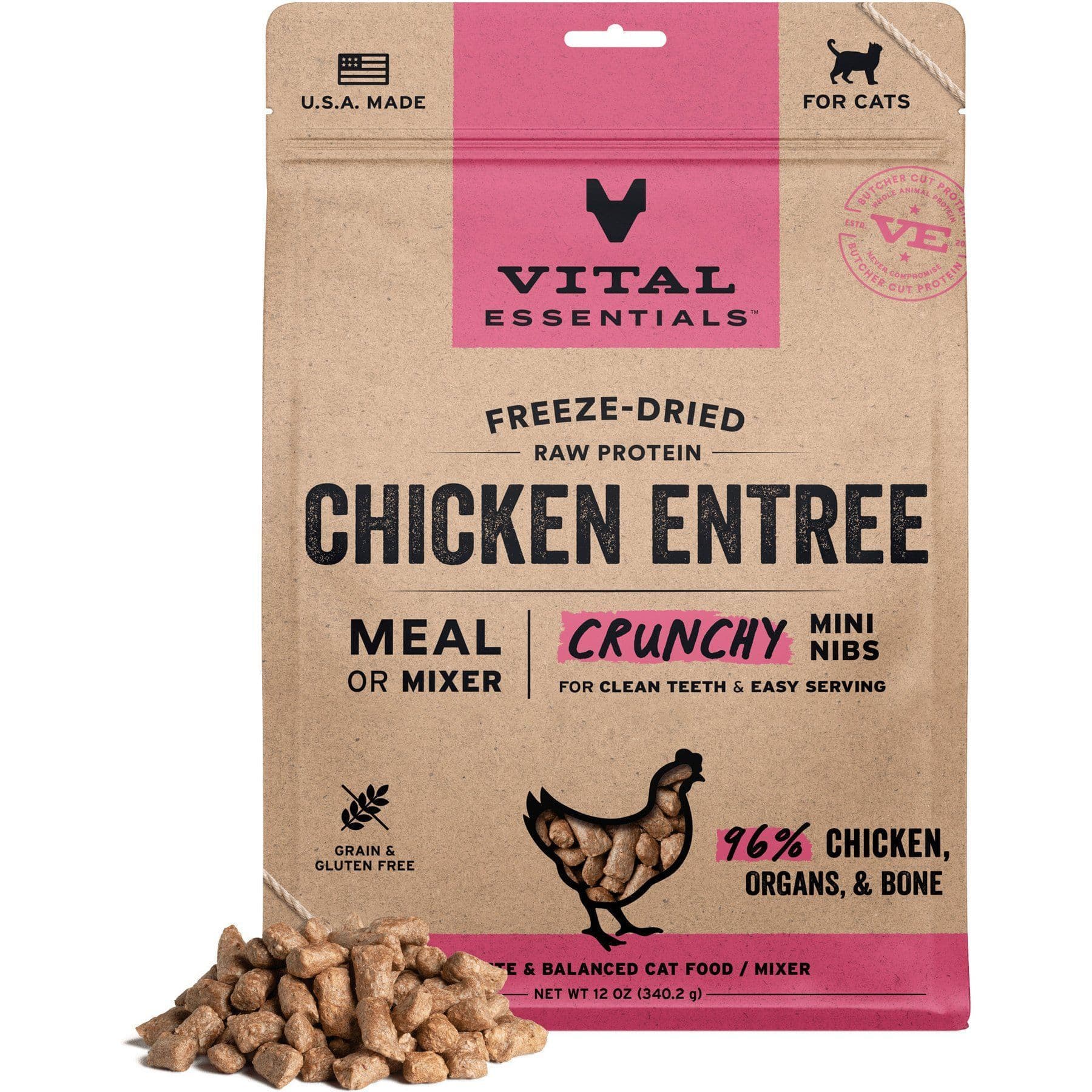
This is an optional cat treat. Review its current label, ingredients, calories, and feeding directions, and count it within the total daily extras.
Webvet may earn a commission when you click through to Chewy, at no extra cost to you.
Because brine, stuffing, marinade, and other ingredients vary, a labeled commercial treat may be easier to assess than some olives products. Either choice still needs an ingredient, calorie, texture, and therapeutic-diet check.
When an exposure needs prompt veterinary advice
When a pit, meaningful salt exposure, hazardous ingredient, or symptoms changes triage, do not induce vomiting, give hydrogen peroxide, force food or fluids, or administer a home antidote unless a veterinarian directs it for this patient.

Frequently Asked Questions
Is plain olives safe for cats?
For the identified plain form, plain pit-free flesh is not a recognized toxin, but no serving is established. Other parts, recipes, and amounts need their own assessment.
What should I check before sharing olives?
For a mixed or packaged olives product, brine, stuffing, marinade, and other ingredients vary. Check the current label or recipe rather than relying on the product name.
How much olives can cats have?
No universal serving is established. Fit any planned taste to the individual calorie allowance, complete diet, and medical needs.
What if my cat ate olives?
Save the exact olives product details, estimate the largest plausible amount and time, and monitor the actual cat.
When should I call a veterinarian?
Seek veterinary advice when a pit, meaningful salt exposure, hazardous ingredient, or symptoms changes triage, or when signs are severe, persistent, or worsening.
More safe treats
More fruits for cats
Sources
- Hill's Pet Nutrition: Can Cats Eat Olives and Olive Oil?
Hill's treats plain olive flesh as non-toxic to cats while identifying sodium and added ingredients as product-specific concerns.
- Merck Veterinary Manual: Salt Toxicosis in Animals
Salt toxicosis requires a sufficient exposure and is influenced by access to water; a high-sodium label alone is not a diagnosis.
- Merck Veterinary Manual: Garlic and Onion Toxicosis in Animals
Allium risk depends on the actual ingredient, concentration, dose, species, and patient.
- Merck Veterinary Manual: Gastrointestinal Obstruction in Small Animals
Foreign-body risk and outcome depend on the object, patient, location, amount, and clinical signs.
- WSAVA: Feeding Treats to Your Cat
Treats share an individual calorie allowance and should not displace complete feline nutrition.
Reviewed by Dr. Athena Gaffud, DVM
General guidance based on credible veterinary sources; not a diagnosis or a substitute for your veterinarian. If your pet ate something toxic or is unwell, contact your vet or a pet poison line right away.