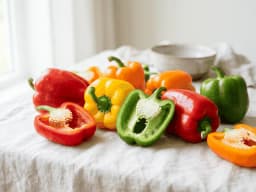
Can cats eat bell peppers?
Safe in moderationPlain sweet bell pepper flesh is not a recognized cat toxin. It is optional, so use an individual calorie plan and avoid hot peppers.


Medically reviewed by Dr. Athena Gaffud, DVM · Last reviewed
Can Cats Eat Bell Peppers?
Plain sweet bell pepper flesh is not a recognized feline toxin. Pepper rings from pizza, sandwiches, antipasto, or stuffed-pepper filling should be assessed with the surrounding food. Cheese, sausage, onion, garlic, salt, and cooking oil can change the calorie and toxicology questions. Photograph the dish or save its ingredient list when the recipe is uncertain. It is unnecessary in a complete cat diet, and there is no cat-specific serving table showing a health benefit. If a veterinarian considers it appropriate, use a small calorie-counted amount of plain flesh and avoid hot peppers and mixed dishes.
- 1Plain sweet bell pepper flesh is not a recognized feline toxin.
- 2Cats can digest and absorb some plant-derived nutrients despite their obligate-carnivore requirements.
- 3The seeds and stem are not toxic; remove them for texture, preparation, and portion control.
- 4Edible bell pepper Capsicum annuum is different from toxic ornamental pepper Solanum pseudocapsicum.
- 5Hot Capsicum peppers contain capsaicinoids, while black pepper Piper nigrum is associated with piperine; both can irritate but they are not the same substance or plant.

Treats should stay under 10% of your cat's daily calories. Smalls makes the rest, built around the meat an obligate carnivore actually needs.
- Human-grade ingredients, protein first
- Built for obligate carnivores
- Fresh meals delivered to your door
Webvet may earn a commission when you click through to Smalls, at no extra cost to you.
Are bell peppers safe for cats?
Bell pepper flesh is not recognized as poisonous to cats. Cats are obligate carnivores because specific nutrient needs must be met appropriately with animal-derived ingredients, but they can digest and absorb some plant-derived nutrients. Bell pepper remains optional, not nutritionally impossible. Digestibility, essential nutrient source, and evidence of a health benefit are different questions. A complete feline food may contain appropriately processed animal and plant ingredients while meeting feline requirements. Bell pepper should not be added to correct an assumed vitamin or fiber deficiency without a veterinary nutrition plan.


This is an optional cat treat. Review its current label, ingredients, calories, and feeding directions, and count it within the total daily extras.
Webvet may earn a commission when you click through to Chewy, at no extra cost to you.
Bell pepper contains carbohydrate, fiber, vitamins, carotenoids, and water. Composition does not demonstrate improved immunity, digestion, hydration, or another clinical outcome for a cat eating a small amount. A complete and balanced feline food should remain the nutritional foundation. Human nutrient tables describe what is present in the produce, not how much a particular cat absorbs or whether a treat-sized portion changes health. Any benefit claim would require feline evidence at the relevant preparation and intake, which the reviewed page sources do not provide.
How much bell pepper can a cat have?
There is no evidence-based pepper piece count for every cat. If it is approved, calculate any amount within the individual's calorie plan and consider life stage, body condition, disease, current food, and other extras. Cats on therapeutic diets need advice from the veterinarian managing that diet. Count every treat, topper, and food used for medication together, and use the calories in the actual pepper portion. Body weight alone does not describe energy need, and the main food's calorie density affects how much room remains for extras.
A cat may show no interest, and there is no reason to encourage it. If a cat does try plain sweet pepper, use an appropriately sized texture and stop if gastrointestinal signs develop. Vitamin and antioxidant content does not establish a special feline benefit from a treat portion.

How to safely prepare bell pepper for a cat
Wash and identify the produce as sweet bell pepper, then remove the stem and seeds for texture, preparation, and portion control. Confirm that the food was a sweet bell pepper rather than a hot pepper, pepper-based sauce, or ornamental plant. Color alone does not determine a serving or benefit. Wash grocery-store fruit, remove the tough stem, and match the texture to the cat's chewing habits. Roasted pepper from a jar may contain oil, salt, acid, garlic, or other seasonings that need their own assessment. The seeds and stem are not toxic, and available evidence does not establish them as a universal obstruction hazard. Cut the flesh to suit the individual cat's chewing ability.
| Question | Evidence-based guidance |
|---|---|
| How much? | Use an individual calorie plan; no universal piece count |
| Seeds and stem? | Remove for preparation, not because they are toxic |
| Hot pepper? | Avoid because capsaicinoids can irritate |
| Therapeutic diet? | Ask the veterinarian before adding extras |
Risks to keep in mind
A large amount of a new food may cause gastrointestinal upset in an individual cat. For an accidental bite, report whether the cat reached plain crisp flesh, spicy seeds or sauce, plant leaves, or a prepared meal. Mouth pawing, drooling, repeated vomiting, breathing trouble, or marked distress deserves veterinary advice. Mild interest in a pepper does not establish a nutritional need, and refusal is not a problem to correct. A complete feline diet remains the appropriate source of required nutrients. The practical concerns are amount, texture, the exact plant or product, mixed ingredients, and symptoms. Sweet pepper flesh, seeds, or stem do not create an automatic toxic or obstruction emergency; assess the actual material and patient. If exposure needs assessment, keep the produce label or plant photograph and report the part eaten, preparation, estimated amount, timing, body weight, medical history, and signs. Those details matter more than a generic pepper name.

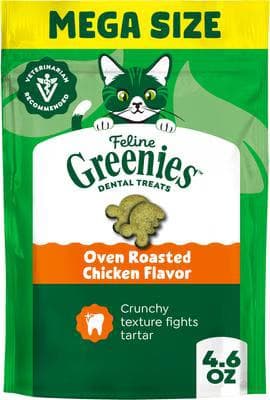
This is a dental cat treat. Follow the current label and ask your veterinarian how it fits alongside tooth brushing and professional dental care.
Webvet may earn a commission when you click through to Chewy, at no extra cost to you.
Hot Capsicum peppers and concentrated sauces can irritate the mouth and gastrointestinal tract because of capsaicinoids. Black pepper comes from Piper nigrum and its characteristic alkaloid is piperine, not capsaicin. These seasonings can be irritating, but calling them equivalent toxins is inaccurate.
Better treats for an obligate carnivore
A plain animal-protein treat may appeal more to some cats, but any extra contributes calories and may conflict with a therapeutic diet. Choose a veterinarian-approved option without bones or hazardous seasoning and keep complete feline food as the nutritional base.
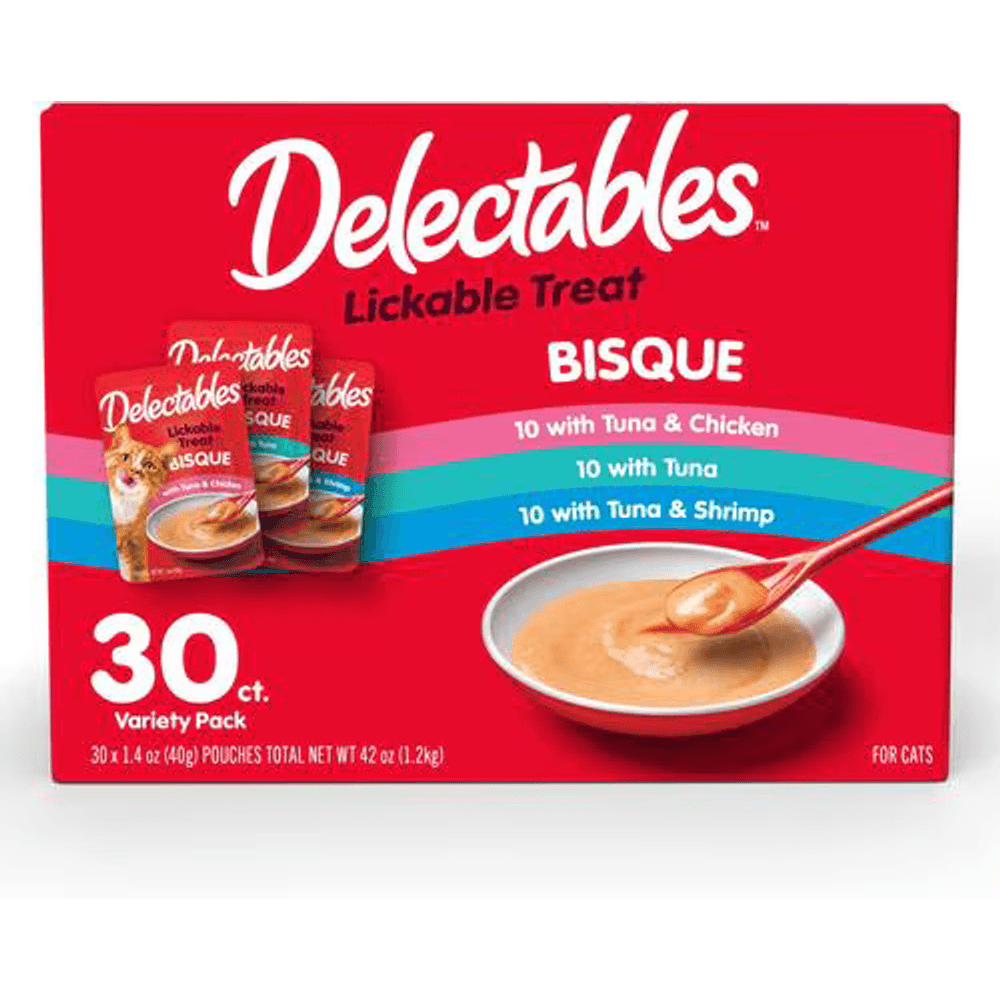
This is an optional cat treat. Review its current label, ingredients, calories, and feeding directions, and count it within the total daily extras.
Webvet may earn a commission when you click through to Chewy, at no extra cost to you.
Frequently asked questions
Can cats eat raw bell peppers?
Plain sweet bell pepper flesh is not a recognized feline toxin. There is no universal serving count, so use an individual calorie and medical-diet plan if a veterinarian approves it.
Can cats eat bell pepper seeds?
The seeds and stem are not toxic. Remove them for texture, preparation, and portion control rather than treating them as a guaranteed obstruction hazard.
Are bell pepper plants or leaves toxic to cats?
Hot Capsicum peppers can irritate because of capsaicinoids. Black pepper is Piper nigrum and contains piperine, not capsaicin; avoid both as seasonings without calling them the same toxin.
Can cats eat spicy peppers, black pepper, or red pepper flakes?
Cats can digest and absorb some plant-derived nutrients, but bell pepper is unnecessary in a complete feline diet and its nutrient content does not prove a health benefit.
Why does my cat like bell peppers?
Contact a veterinarian for persistent vomiting or diarrhea, marked lethargy, pain, breathing or swallowing trouble, or ingestion of a hot product, hazardous mixed ingredient, plant material, or unidentified ornamental berry.

More safe treats
More vegetables for cats
Sources
- Merck Veterinary Manual: Overview of Nutrition in Small Animals
Supports complete and balanced feeding and patient-specific nutrition; it does not establish clinical benefit from a treat portion.
- Merck Veterinary Manual: Nutritional Requirements of Small Animals
Supports species-specific nutrient requirements and the distinction between digestibility and nutritional necessity.
- Merck Veterinary Manual: Plants Poisonous to Animals
Supports Capsicum irritation and distinguishes Capsicum fruit and foliage from unrelated ornamental pepper species.
- ASPCA: Toxic and Non-toxic Plants, Ornamental Pepper
Identifies toxic ornamental pepper as Solanum pseudocapsicum, not edible bell pepper Capsicum annuum.
- PubChem: Piperine
Identifies piperine as the characteristic alkaloid of black pepper, supporting its separation from capsaicin-containing Capsicum peppers.
Reviewed by Dr. Athena Gaffud, DVM
General guidance based on credible veterinary sources; not a diagnosis or a substitute for your veterinarian. If your pet ate something toxic or is unwell, contact your vet or a pet poison line right away.