
Can cats eat asparagus?
Safe in moderationA small piece of plain cooked edible asparagus is unlikely to poison a cat; keep portions individualized and seek care for urinary signs.


Medically reviewed by Dr. Athena Gaffud, DVM · Last reviewed
Can Cats Eat Asparagus?
A small plain cooked piece of edible asparagus is unlikely to poison a cat. Identify the plant before deciding what happened. A grocery-store asparagus spear is not the same exposure as the ornamental plant commonly called asparagus fern. For an edible spear, note whether it was raw, steamed, roasted, or taken from a seasoned dish. Tough ends and long fibrous pieces can be difficult for some cats to chew, so preparation should follow the individual cat's eating behavior rather than a universal cut size. Asparagus is optional in a complete feline diet, and there is no evidence that edible asparagus changes feline urine chemistry or causes urinary crystals. Prepare it plainly and use qualitative, individual guidance rather than a fixed spoon amount.
- 1A small plain cooked piece of edible asparagus is unlikely to be toxic to a cat.
- 2There is no evidence that edible asparagus changes feline urine chemistry or causes crystals.
- 3Cats can digest and absorb some plant-derived nutrients despite their obligate-carnivore requirements.
- 4Use a qualitative small amount rather than an invented spoon or frequency table.
- 5Ornamental asparagus fern is a different plant; berry ingestion can cause gastric upset and repeated skin contact can cause dermatitis.

Treats should stay under 10% of your cat's daily calories. Smalls makes the rest, built around the meat an obligate carnivore actually needs.
- Human-grade ingredients, protein first
- Built for obligate carnivores
- Fresh meals delivered to your door
Webvet may earn a commission when you click through to Smalls, at no extra cost to you.
Is Asparagus Safe for Cats?

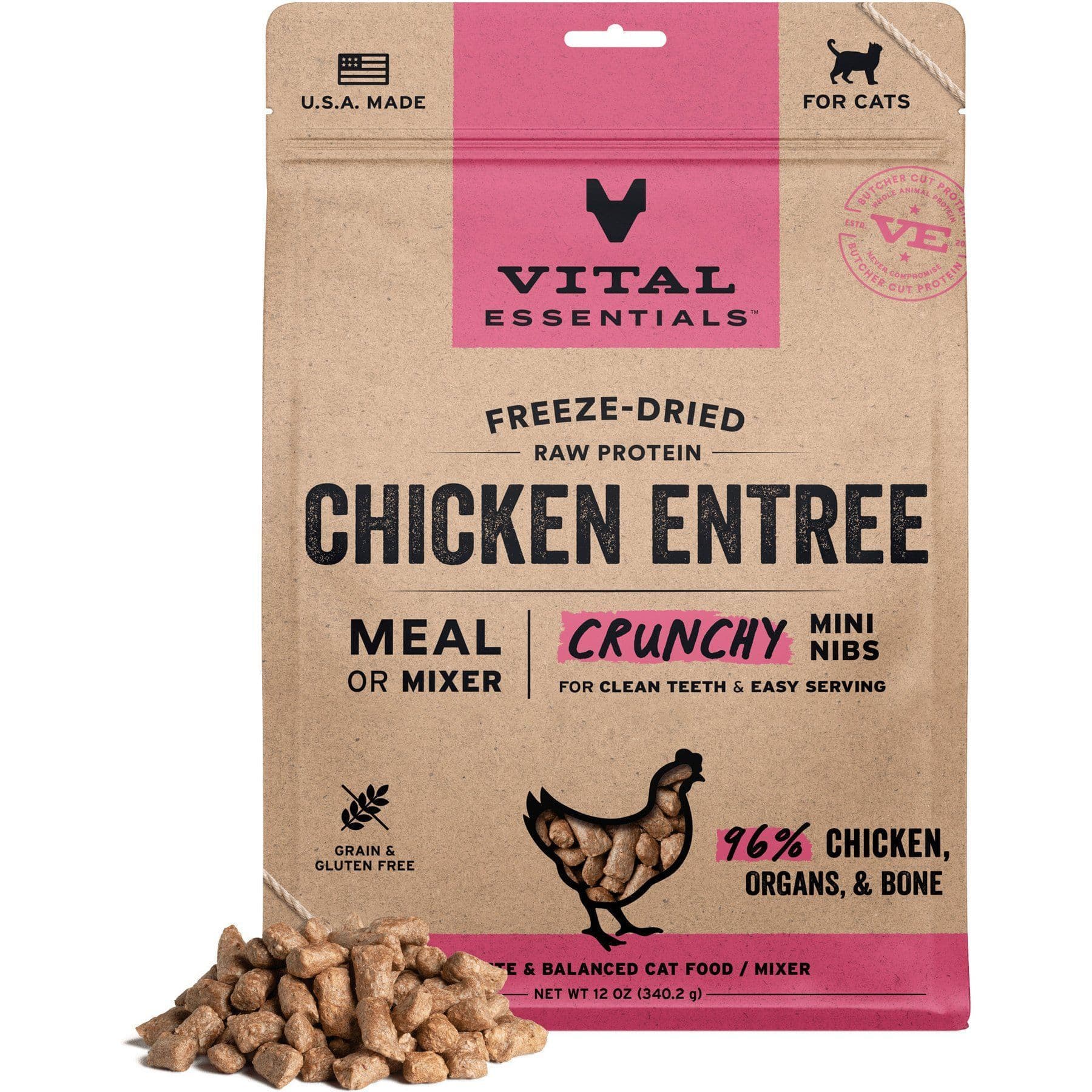
This is an optional cat treat. Review its current label, ingredients, calories, and feeding directions, and count it within the total daily extras.
Webvet may earn a commission when you click through to Chewy, at no extra cost to you.
The edible spear is not a recognized feline toxin. Cats remain obligate carnivores because they require specific animal-derived nutrients, but they can digest and absorb some plant-derived nutrients. Asparagus is unnecessary, not physiologically unusable, and a small plain taste should not be compared with a proven feline poison.
Available veterinary evidence does not establish that asparagus alkalinity shifts a cat's urine, produces crystals, or warrants a blanket ban for every cat with urinary history. Cats on urinary therapeutic diets should receive only extras approved by the veterinarian managing that specific condition.
Nutritional Context for Asparagus and Cats
Cats require taurine, preformed vitamin A, arachidonic acid, and other nutrients that a complete feline diet must supply appropriately. Restaurant and holiday asparagus often carries more relevant concerns than the vegetable itself. Butter, cheese sauce, bacon, onion, garlic, and salty seasoning all change the assessment. If the cat sampled a casserole or pan drippings, list every known ingredient and the amount missing. Do not use the absence of immediate stomach upset as proof that a mixed recipe needs no review. That obligate-carnivore status does not mean plant nutrients are wasted or that cats cannot digest plant material. Asparagus does not need to be added because the complete food should already meet nutritional requirements. Whether an ingredient is digestible, whether it supplies an essential nutrient, and whether adding it improves health are separate questions. A composition list for asparagus cannot show that a taste corrects a deficiency or improves immunity, digestion, hydration, or urinary health in a cat eating a complete diet.

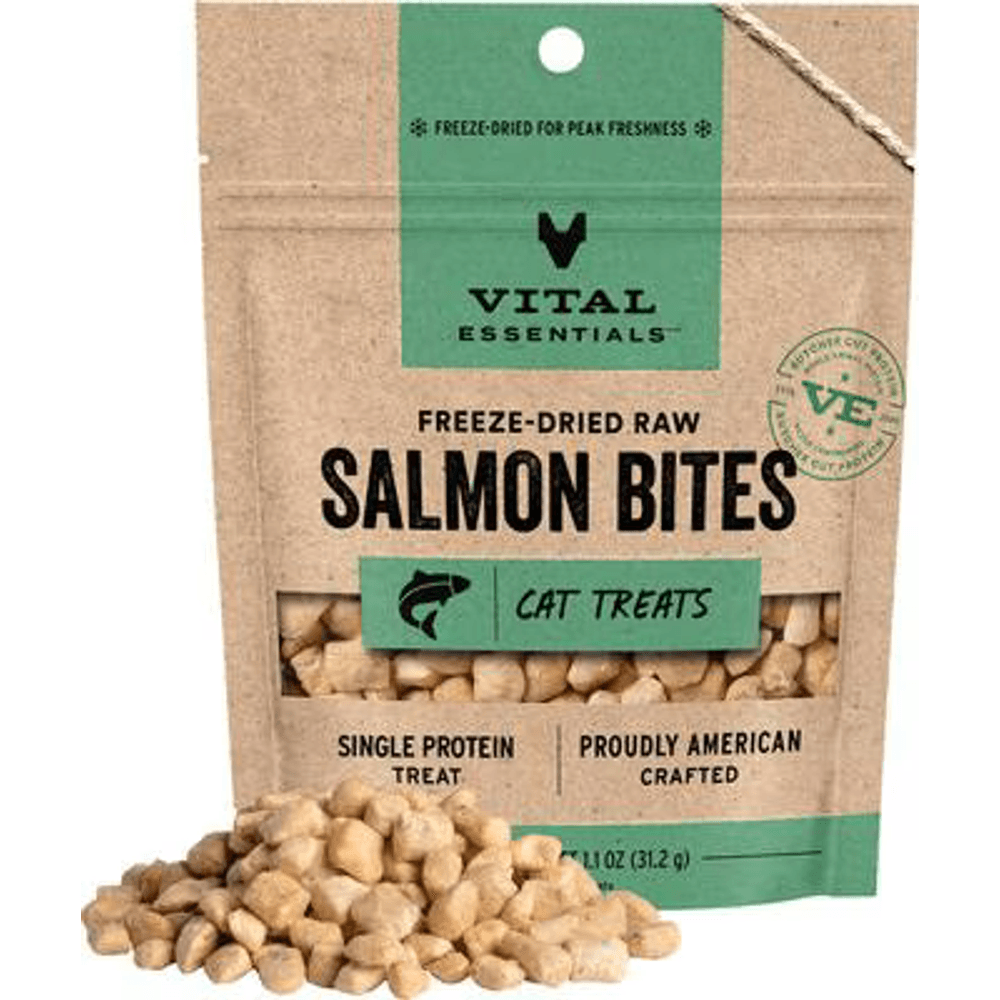
This is an optional cat treat. Review its current label, ingredients, calories, and feeding directions, and count it within the total daily extras.
Webvet may earn a commission when you click through to Chewy, at no extra cost to you.
There is also the taste question. Cats famously cannot detect sweetness at all, so the mild, grassy flavor of asparagus does not appeal to them the way it might to us, and many cats simply refuse it. A few cats seem oddly drawn to it, batting a spear around or chewing the tip, but that curiosity is usually about texture, temperature, or play rather than genuine hunger for the vegetable. If your cat turns up its nose at asparagus, that is completely normal and nothing to coax. A cat that ignores vegetables is behaving exactly the way its biology intends.
How to Safely Offer Asparagus to a Cat
Cook a spear until tender if needed, cool it, and cut it to a size the cat can manage. Avoid garlic, onion, and other hazardous ingredients. A raw fibrous piece may be harder to chew, but feline anatomy alone does not make a small stalk a proven obstruction hazard.
| Do | Reason |
|---|---|
| Use plain edible asparagus | Avoid recipe-specific hazards |
| Cook and cut when needed | Match the individual cat's chewing ability |
| Keep the amount qualitative and small | No universal spoon count is supported |
| Ask before altering a therapeutic diet | Urinary and other diets are patient-specific |
| Identify ornamental plants | Asparagus fern is a different species |
The Real Risks: Fern, Fiber, and Seasoning
The ornamental asparagus fern is different from the edible spear. ASPCA documents gastric upset after berry ingestion and allergic dermatitis after repeated skin exposure. Do not attribute every effect to saponins without a direct source, and identify the plant before applying the warning.

A large amount of fibrous food may cause gastrointestinal upset in an individual cat, and a large firm piece may be a patient-specific foreign-body concern. Those possibilities do not support claims that feline anatomy makes obstruction likely or that cats cannot process plant matter.
Better Treats for an Obligate Carnivore
A small plain animal-protein treat may suit some cats, but any extra contributes calories and can conflict with a therapeutic diet. Choose a veterinarian-approved option and keep a complete feline food as the nutritional foundation.
This is a dental cat treat. Follow the current label and ask your veterinarian how it fits alongside tooth brushing and professional dental care.
Webvet may earn a commission when you click through to Chewy, at no extra cost to you.
Asparagus may be offered only as an optional novelty if appropriate for the individual cat. Asparagus should remain optional rather than becoming a fiber or urinary supplement. A cat with constipation, reduced appetite, or litter-box changes needs assessment of the underlying problem, and any prescribed diet should stay unchanged unless the treating team approves the addition. Do not use it as a nutritional strategy, and do not describe all plant material as indigestible or useless. The key questions are preparation, amount, the complete diet, and patient tolerance. Count every optional food within the cat's calorie plan, including training rewards, toppers, and foods used to give medication. Cats with a prescribed urinary, gastrointestinal, kidney, or weight-management diet need approval before any addition because the therapeutic plan may control nutrients beyond calories alone. Do not use grapes or raisins as an established feline-poison comparison: their renal toxicosis is well established in dogs, while feline reports remain anecdotal and the true feline risk is uncertain. Precautionary avoidance and professional consultation after exposure remain appropriate.
Frequently Asked Questions

Frequently Asked Questions
Can cats eat raw asparagus?
Raw asparagus is not a recognized toxin, but its fibrous texture may be difficult for some cats to chew. Cooking until tender and cutting an appropriate piece are reasonable steps.
How much asparagus can a cat eat?
There is no universal spoon amount. If a veterinarian approves it, use a qualitative small taste that fits the cat's complete diet and calorie plan.
Is asparagus fern poisonous to cats?
Yes. Ornamental asparagus fern is a different plant. ASPCA documents gastric upset from berry ingestion and allergic dermatitis after repeated skin exposure.
Why is my cat interested in asparagus?
A cat may investigate asparagus because of smell, texture, moisture, or novelty. Interest does not prove a nutritional need, and obligate-carnivore status does not mean all plant material is indigestible.
Can asparagus cause urinary problems in cats?
Available veterinary evidence does not show that edible asparagus changes feline urine chemistry or causes crystals. Cats on a urinary therapeutic diet should receive only extras approved by the treating veterinarian.
More safe treats
More vegetables for cats
Sources
- Merck Veterinary Manual: Overview of Nutrition in Small Animals
Supports complete and balanced feeding and patient-specific nutrition; it does not establish clinical benefit from a treat portion.
- ASPCA: Toxic and Non-toxic Plants, Asparagus Fern
Lists ornamental asparagus fern as toxic to dogs and cats and describes dermatitis after repeated skin exposure plus GI upset after berry ingestion.
- Merck Veterinary Manual: Grape, Raisin, and Tamarind Toxicosis in Dogs
Establishes grape and raisin renal toxicosis in dogs while not establishing the same detailed syndrome in cats.
- Merck Veterinary Manual: Nutritional Requirements of Small Animals
Supports species-specific nutrient requirements and the distinction between digestibility and nutritional necessity.
Reviewed by Dr. Athena Gaffud, DVM
General guidance based on credible veterinary sources; not a diagnosis or a substitute for your veterinarian. If your pet ate something toxic or is unwell, contact your vet or a pet poison line right away.