
Can dogs eat asparagus?
SafePlain edible asparagus is not toxic to dogs. Cooking and cutting can make it easier to manage, but portion it by the dog's calorie plan.


Medically reviewed by Dr. Athena Gaffud, DVM · Last reviewed
Can Dogs Eat Asparagus?
The edible asparagus spear is not a recognized dog toxin. Separate the edible spear from asparagus fern, which is a different plant. With grocery-store asparagus, describe the woody end, tender tip, cooking method, and any seasoning. Long fibrous stalks may be awkward for a dog that gulps, so supervise and choose a texture suited to that dog's chewing pattern. A grilled spear coated in garlic butter is a mixed-food exposure, not plain asparagus. Raw stalks can be difficult for some dogs to chew, so cooking until tender and cutting the spear appropriately are reasonable preparation steps. Asparagus is an optional treat, and its amount should come from the dog's calorie plan rather than a fixed spear count.
- 1Plain edible asparagus is not toxic to dogs.
- 2Cooking and cutting can make a fibrous stalk easier for an individual dog to manage.
- 3There is no universal teaspoon or spear count; use the dog's individual calorie allowance.
- 4Nutrient content does not prove eye, skin, immune, clotting, bone, hydration, or weight-loss benefits from a treat portion.
- 5The ornamental asparagus fern is a different plant with documented gastric and skin effects.

Treats should stay under 10% of your dog's daily calories. JustFoodForDogs makes the rest of it.
- Recipes developed by veterinary nutritionists
- Whole-food ingredients you can recognise
- Fresh meals delivered to your door
Webvet may earn a commission when you click through to JustFoodForDogs, at no extra cost to you.
Is asparagus safe for dogs?
Edible asparagus can fit as an occasional plain extra for some dogs. Its water, fiber, vitamin, and mineral content does not make it necessary in a complete diet. Keep all treats within the individual dog's calorie allowance and ask the veterinarian before adding asparagus to a therapeutic diet.

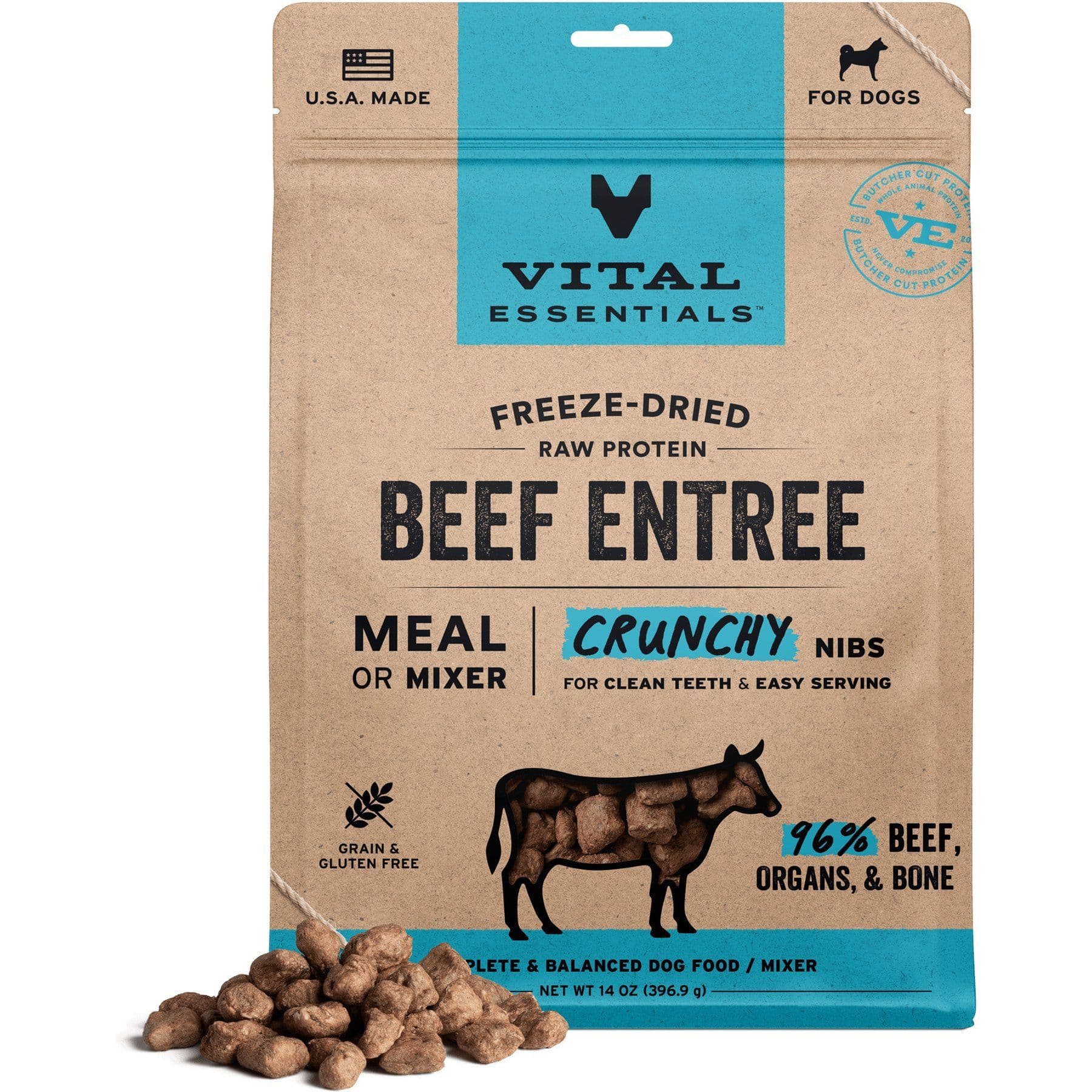
This is an optional dog treat. Review its current label, ingredients, calories, and feeding directions, and count it within the total daily extras.
Webvet may earn a commission when you click through to Chewy, at no extra cost to you.
The ornamental asparagus fern is a different plant from the edible spear. ASPCA documents gastric upset after berry ingestion and allergic dermatitis after repeated skin exposure. ASPCA documents the clinical effects but does not attribute every foliage or berry effect solely to saponins.
Do not equate an edible grocery-store spear with ornamental asparagus fern. The fern listing concerns Asparagus densiflorus and documents gastric upset from berries plus dermatitis after repeated contact. If a dog chews an unknown plant, identify it and call a veterinarian or poison resource with the plant name and symptoms.
Nutritional Context for Asparagus
Asparagus contains fiber and a range of vitamins and minerals, but composition does not prove a clinical effect from a few treat pieces. Composition alone does not establish better vision, skin, immunity, clotting, bone health, metabolism, digestion, hydration, exercise recovery, or weight loss from a few asparagus pieces.

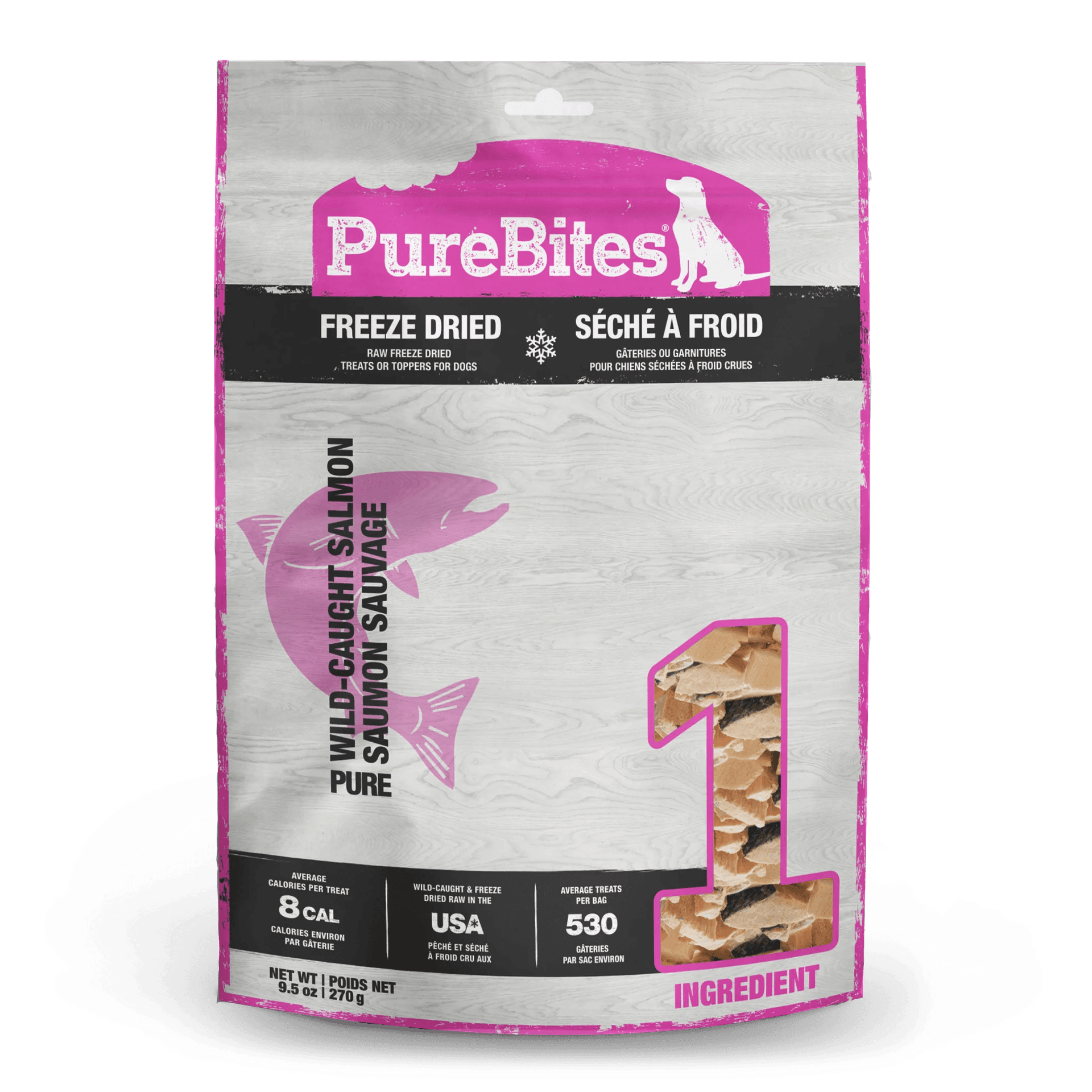
This is an optional dog treat. Review its current label, ingredients, calories, and feeding directions, and count it within the total daily extras.
Webvet may earn a commission when you click through to Chewy, at no extra cost to you.
A complete and balanced dog food should supply required nutrients. If asparagus is offered for variety, count the calories and use a preparation the individual dog can manage. A few asparagus pieces are not an evidence-based supplement, digestive treatment, or weight-loss food.
How much asparagus can dogs eat?
There is no universal teaspoon-to-four-spears table in available veterinary guidance. Calculate any amount from the dog's daily energy requirement, total treat allowance, and the calories in the actual portion. Body size alone does not capture activity, life stage, body condition, disease, or the rest of the diet.
| Portion step | Use this information |
|---|---|
| 1 | The dog's daily energy requirement |
| 2 | The total calorie allowance for all treats |
| 3 | Calories in the prepared asparagus portion |
| 4 | Chewing ability, medical conditions, and therapeutic diet |
Introduce any new food cautiously and stop if it causes gastrointestinal upset. There is no evidence-based once-or-twice-weekly asparagus schedule. Dogs with gastrointestinal disease, prior pancreatitis, or a therapeutic diet need advice from the veterinarian managing that condition.

How to prepare and serve asparagus
Remove the woody end if it is difficult to chew, cook the spear until tender if needed, and cut it to an appropriate size. These steps reduce a practical chewing concern; they do not prove that every raw stalk will obstruct or that a particular piece is safe for every dog.
Just as important is what you leave out. Do not cook asparagus for your dog in butter, oil, or bacon grease, and never add salt, pepper, garlic, onion powder, or other seasonings. Garlic and onion are toxic to dogs, and added fat and salt turn a healthy vegetable into a stomach-upsetting one. Skip roasted asparagus made with olive oil, creamy asparagus soups, and anything from a restaurant plate, since those almost always contain seasonings and fats your dog should avoid. Plain, soft, and chopped is the whole recipe.
Risks and what to watch for
A raw or large stalk can be a patient-specific foreign-body concern, not a guaranteed obstruction. Risk depends on the piece, preparation, amount, dog's anatomy, and symptoms. Repeated vomiting, abdominal pain, appetite loss, difficulty passing stool, persistent gagging, or breathing trouble warrants veterinary assessment.
A larger amount of a new fibrous food may cause gas or loose stool in an individual dog. Asparagus alone does not warrant a new allergy-monitoring protocol, and urine odor does not establish that a urinary change is harmless. Discuss persistent or severe signs and any urinary concern with a veterinarian.

Raw, canned, and other forms of asparagus
Not every form of asparagus is a good idea. Raw asparagus is not toxic, but it is tough enough that most vets suggest cooking it first, and some dogs simply cannot chew it safely. Canned asparagus is usually loaded with sodium, so it is best avoided; if it is all you have, rinse it well and offer only a tiny amount. Pickled or marinated asparagus contains vinegar, salt, and seasonings and should be skipped entirely. Asparagus soup, quiche, and casseroles are off the menu because of the cream, butter, cheese, onion, and garlic they contain. The safest choice by a wide margin is a plain fresh spear, steamed or boiled at home with nothing added.
Safe alternatives to asparagus
Other vegetables may also be optional treats, but no ingredient automatically provides dental, digestive, or weight-loss benefits. Prepare any treat safely, count its calories, and choose according to the dog's complete diet and medical needs.
This is an optional dog treat. Review its current label, ingredients, calories, and feeding directions, and count it within the total daily extras.
Webvet may earn a commission when you click through to Chewy, at no extra cost to you.
Frequently asked questions
How much asparagus can I give my dog?
There is no universal teaspoon or spear count. Use the dog's individual calorie allowance and the calories in the prepared portion, and ask the veterinarian before adding it to a therapeutic diet.
Can dogs eat raw asparagus?
Raw asparagus is not toxic, but its fibrous texture may be difficult for some dogs to chew. Cooking until tender and cutting appropriately are reasonable risk-reduction steps.
What should I do if my dog ate a lot of asparagus?
Identify the amount, preparation, seasonings, and symptoms. A large plain exposure may cause gastrointestinal upset, while garlic or onion adds a separate toxicology concern. Call for repeated vomiting, pain, persistent gagging, breathing difficulty, or other concerning signs.
Why does my dog's pee smell after eating asparagus?
Some people and animals may have odor changes after asparagus, but the reviewed veterinary sources do not support dismissing every urinary change as harmless. Contact a veterinarian if urine changes are persistent, accompanied by straining, or otherwise concerning.

More safe treats
More vegetables for dogs
Sources
- ASPCA: Toxic and Non-toxic Plants, Asparagus Fern
Lists ornamental asparagus fern as toxic to dogs and cats and describes dermatitis after repeated skin exposure plus GI upset after berry ingestion.
- WSAVA: Feeding Treats to Your Dog
Supports limiting all treats to about 10% of a dog's daily calories and calculating the allowance for the individual dog.
- Merck Veterinary Manual: Overview of Nutrition in Small Animals
Supports complete and balanced feeding and patient-specific nutrition; it does not establish clinical benefit from a treat portion.
- Merck Veterinary Manual: Gastrointestinal Obstruction in Small Animals
Supports patient-specific foreign-body risk and urgent assessment when obstruction signs develop.
Reviewed by Dr. Athena Gaffud, DVM
General guidance based on credible veterinary sources; not a diagnosis or a substitute for your veterinarian. If your pet ate something toxic or is unwell, contact your vet or a pet poison line right away.