Dog Barking in Sleep: Dreams or a Reason to Call the Vet?
Learn a safe observation approach to dog barking and movement during sleep, including what a video can help show and why unusual episodes require veterinary assessment rather than a home diagnosis.

This article contains affiliate links. Webvet may earn a commission when you buy through them, at no extra cost to you.
Dog barking in sleep can be ordinary sleep vocalization, particularly when it consists of brief muffled sounds and small movements before the dog continues resting. But unusual, forceful or repeated episodes deserve attention. A sound or short video cannot reliably tell you whether an event is a dream, a seizure or another sleep problem.
Observe from a safe distance, note the duration and contact your veterinarian when the episode is new, concerning or accompanied by abnormal behavior afterward. Do not shake, restrain or put your hands near the mouth of a dog having an episode.
What ordinary sleep barking can look like
- 1Brief sleep sounds and small twitches can occur during ordinary dreaming.
- 2Do not restrain or startle the dog. Keep the immediate area safe.
- 3Time the episode and, when safe, record video for your veterinarian; urgent signs take priority over filming.
A sleeping dog may make soft barks, yips or other small vocalizations while the paws, whiskers or face twitch. VCA’s puppy sleep guidance describes these behaviors during sleep and advises leaving a comfortably resting puppy undisturbed.
The important distinction is not whether a sound is technically a bark or growl. Look at the pattern: how forceful the movement is, whether it is familiar, how long it lasts and what happens when the dog wakes naturally.
A small recurring sleep sound is different from violent movement or a major change from normal sleep.
Choose an accessible resting place
Choose a quiet, comfortable resting area where the dog can stretch out and leave easily. A floor-level bed such as FurHaven NAP Orthopedic Bed is preferable to a high surface when falls are a concern.
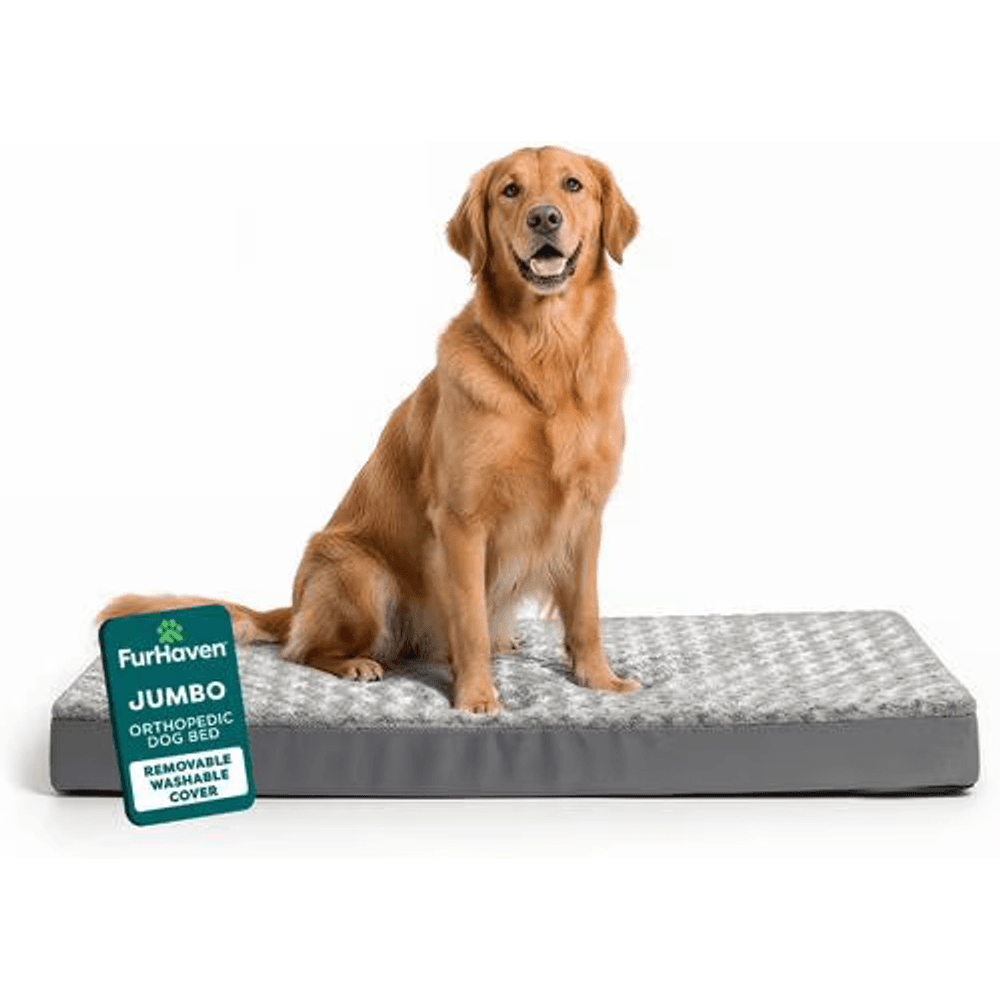
Floor-level resting bed with a removable cover; select a size with room to stretch.
Webvet may earn a commission when you click through to Chewy, at no extra cost to you.
Why sleep can include small sounds and movements
VCA’s explanation of sleep twitching connects small movements and quiet vocalizations with REM sleep. A brief yip during familiar rest can therefore occur without the dog being awake and responding to an outside trigger.
You cannot identify the subject of a dream from the noise. Nor can you classify every movement as normal sleep from a short clip. What matters for the next decision is the whole episode: intensity, whether it is new, breathing, and behavior afterward.
What you can and cannot infer
- A brief yip does not tell you exactly what the dog is dreaming about.
- Paddling paws do not prove a specific dream scene or exclude a medical problem.
- A single movement does not establish that the dog is frightened or suffering.
- New, forceful or unusual behavior should be described to a veterinarian rather than labeled from a chart.
People often imagine a dog chasing squirrels in a dream. That may be a comforting story, but it is not something an owner can verify by watching the paws. Keep observations literal: “three quiet barks and small paw movements,” rather than “a terrifying nightmare.”
Observe safely without startling your dog
If your dog appears to be sleeping comfortably with familiar mild twitches or sounds, allow the sleep to continue. There is usually no benefit to waking the dog simply because the noise is amusing or surprising.
Do not lean over the dog’s face, grab the collar or shake the body to test responsiveness. A suddenly awakened dog may startle, and a dog with abnormal movements may injure you unintentionally. Keep children and other pets away while you observe.
| Observation | Safe response |
|---|---|
| Familiar brief sounds and mild twitches, then continued comfortable rest | Observe quietly and leave the dog undisturbed |
| New or more forceful movements, repeated unusual episodes | Record the pattern if safe and arrange veterinary advice |
| Sustained convulsive activity, repeated episodes without recovery, breathing difficulty or collapse | Seek urgent veterinary help; do not delay for a perfect recording |
| Unusual confusion, weakness or behavior after waking | Report the recovery period to your veterinarian |

Keep everyday bedding easy to clean
Washable bedding such as Pet Parents Pawtect Blanket can make ordinary care easier.

Waterproof blanket for protecting bedding and keeping the resting area easier to care for.
Webvet may earn a commission when you click through to Chewy, at no extra cost to you.
A waking response is not a complete home test
A dog who stops moving when awakened may have been dreaming, but that observation alone is not a diagnosis. Do not repeatedly wake the dog to “prove” that every episode is harmless. Conversely, difficulty interrupting an episode is a reason to seek advice, not permission to increase physical stimulation.
If you need to attract attention because you are concerned, use your voice from a safe distance rather than touch. Tell the veterinarian exactly what happened, including whether the dog appeared awake, responded and returned to usual behavior. Avoid turning the observation into a repeated experiment.
When to contact a veterinarian
Contact your veterinarian when sleep movements are violent, new, worsening or repeatedly interrupt normal rest. Also mention changes in daytime behavior, medications, appetite, mobility or awareness. An older dog’s new pattern should not be dismissed as simply aging.
VCA’s discussion of unusual sleep behaviors explains that forceful sleep movements can resemble seizures and that different conditions can look similar. This is why a description and veterinary assessment matter more than a confident label from an online video.
Seek urgent advice when the event is severe
Contact an emergency veterinarian for sustained convulsive activity, repeated episodes without normal recovery, breathing difficulty, collapse or serious injury. If an episode might be a seizure and is continuing, call promptly rather than waiting to see how long it can last.
Keep the dog away from immediate hazards when you can do so without restraining it or putting yourself at risk. Move nearby hard objects, keep others back and follow the clinic’s instructions. Do not place anything in the mouth or give food, water or medication during an episode unless a veterinarian specifically directs you.
The same caution applies if the dog wakes but remains unusually disoriented or weak. The recovery period is part of the event. Make a note of how long it takes to return to ordinary behavior and share that with the clinician.
Prepare a passive view during ordinary sleep
A home camera such as INSTACHEW Purrsight camera can document natural episodes, but a device with poor night visibility may miss subtle movements or breathing changes. Check that it shows the resting area clearly.

Wi-Fi camera for observing what your pet does when you are elsewhere.
Webvet may earn a commission when you click through to Chewy, at no extra cost to you.
Do not treat the absence of a camera alert as evidence that no episode occurred.
Record an episode without delaying help
A useful video shows the whole dog, not only a close-up of one moving paw. Include sound if possible and keep enough distance that filming does not change the event. If someone else is available, one person can contact the clinic while the other observes.
Do not wait for a recurrence to seek advice when the first episode is concerning. A written description is still useful when you cannot safely film. The goal is to support assessment, not create a complete home diagnostic record before contacting a professional.

Start a timer, and record uncertainty honestly
If you notice an episode beginning, note the clock time or start a timer. If you only become aware of it partway through, write that down rather than treating the time you watched as the full duration. This distinction can matter when a clinician assesses the event.
Keep timing separate from a decision to seek help. A severe or continuing episode is a reason to call promptly, not something to watch until an arbitrary threshold has been reached. VCA’s seizure guidance explains why prolonged or closely repeated seizures are concerning.
Afterward, note when the dog first seemed alert and when ordinary behavior returned. “The movement stopped” and “the dog was back to normal” are not necessarily the same moment. If the dog remains confused, weak or unusually unsettled, include that in the call.
Check the surrounding floor surface
A slip-resistant surrounding surface such as Drymate Playpen Mat is another option for the resting area. A mat does not prevent seizures or treat a sleep disorder. Do not rely on bedding or supplements to resolve unexplained episodes.

Washable floor mat with slip-resistant backing for the area around a resting space.
Webvet may earn a commission when you click through to Chewy, at no extra cost to you.
Write down five practical details
- Whether the dog was definitely asleep before the event.
- The start time and approximate duration.
- The sounds and movements you actually observed.
- Any response to an ordinary voice from a distance.
- Behavior afterward, including how quickly normal activity returned.
Also note recent medication changes, possible exposure to something unusual and any similar daytime event. Do not invent certainty about a detail you missed. “I found the dog moving and do not know how long it had been happening” is important information in its own right.
Make the sleeping space safer
Keep stairs and sharp furniture edges in mind if the dog has forceful movements, while asking your veterinarian what arrangement suits the individual situation.
Make nighttime observations easier without hovering
If the veterinarian asks for a record, position a camera so it shows the whole bed and surrounding floor. Check its view before bedtime: a blanket, furniture leg or low-light glare can hide the part of the event you meant to capture. Keep cables and equipment out of the dog’s reach.
Do not repeatedly interrupt sleep to obtain a clearer image. A short natural clip, even if imperfect, is preferable to provoking or reproducing an episode. If no recording is available, a factual description still helps.
Agree on the household response
Give the clinic two separate times: when the sound or movement ended, and when the dog returned to its usual behavior. If you only noticed the episode halfway through, record that uncertainty. Do not turn “I filmed 20 seconds” into “the whole episode lasted 20 seconds.”
| Field | Example of a useful note |
|---|---|
| First noticed | 10:14 p.m.; already asleep when I entered; onset unknown |
| Observed activity | A few quiet yips and small paw movements; full body visible in clip |
| End of observed movement | 10:14:20 p.m.; recording continued afterward |
| Afterward | Describe breathing, responsiveness and movement without labeling it a dream or seizure |
| Change from usual | Familiar occasional pattern, or a new/intensified event; specify which |
This is a recording template, not a normal-duration threshold. Severe movements, breathing difficulty or an abnormal recovery still require prompt veterinary advice. Let another person contact the clinic while you observe from a safe distance if help is available; getting a perfect recording is secondary.
Protect ordinary rest
- Let sleeping dogs rest without children climbing on them or touching their faces.
- Keep household activity around the resting place predictable.
- Choose a location away from repeated door traffic if that interrupts sleep.
- Review discomfort or difficulty getting into a resting position with the veterinarian.
If the dog is awake and barking at night, that is a different problem from vocalizing during sleep. Use the established guide to dog anxiety at night to investigate comfort, routine and nighttime triggers.
For ordinary daytime excessive barking, the reward-based barking plan addresses training and environment. A training cue or bark collar should not be used to suppress sounds produced during sleep. If whining occurs while awake or before settling, record that separately and consult the dog whining guide for context.
Follow the individual plan after assessment
If your veterinarian identifies a condition or asks you to monitor a particular feature, use that plan rather than comparing every episode with unrelated online videos. Record medication changes only as directed and do not adjust treatment based on the noise alone.
Ask which changes should prompt a call and what to do after hours. Having those instructions available makes the next decision clearer. A general article can explain observation and safety, but the dog’s examination, history and follow-up determine the individual medical plan.
Questions owners ask
Frequently Asked Questions
Should I wake my dog if he's barking in his sleep?
Leave a comfortably sleeping dog with familiar mild sounds undisturbed. Do not shake or grab the dog. New, forceful or unusual episodes need veterinary advice; if you are concerned, observe from a safe distance and describe the event and recovery.
Can a video tell me whether it was a seizure?
A video can help a veterinarian assess the episode, but it is not a reliable self-diagnosis tool. Similar-looking movements can have different causes. Include the full body, duration and what happened afterward when you contact the clinic.
Does a growl during sleep mean my dog is aggressive?
No conclusion about waking behavior follows from one sleep sound. Avoid startling the dog and assess any waking behavior separately. If the sleep episode is unusual or forceful, discuss it with your veterinarian.

Editor
The Webvet Editorial Team is the in-house group of pet-care editors and writers behind Webvet, operated by Smart Pet Collective. The team researches, writes, and maintains Webvet's pet health, behavior, and medication content. Every article follows a defined editorial process: research from reputable veterinary and scientific sources, careful drafting, mandatory review of medical content by a credentialed veterinarian, and dated publication. Health and medication articles are medically reviewed by a licensed veterinary professional before they go live and are kept current over time.


