Why Does My Cat Bring Me Dead Animals?
Unraveling the Mystery Behind Your Cat’s Offerings


This article contains affiliate links. Webvet may earn a commission when you buy through them, at no extra cost to you.
Cats are curious creatures, and one of their most puzzling behaviors is the act of bringing dead animals to their human companions.
As a pet parent, you might be left wondering why your cat is presenting you with these morbid gifts. This article from Webvet aims to decode this peculiar (but completely normal) behavior, helping you understand the reasons behind it and how to respond when your cat brings you a dead animal.
The Hunting Instinct in Cats
Before diving into the reasons why cats bring dead animals to their people, we should keep in mind their innate hunting instincts. Domestic cats descended from wild cats that relied on their hunting skills to survive. Although domestic cats no longer need to hunt for their food, they still possess the natural instincts of their ancestors.
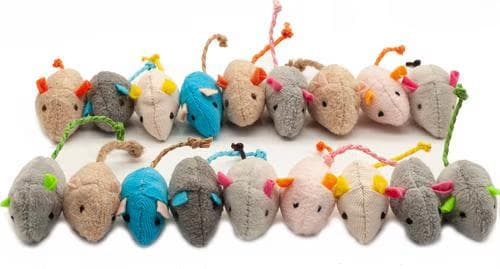
Pack of 18 soft plush mice filled with catnip to spark batting, pouncing, and play.
Webvet may earn a commission when you click through to Chewy, at no extra cost to you.
Play is a crucial aspect of a cat’s life, as it helps them develop and maintain their hunting skills. When cats play with toys or other objects, they are essentially practicing their stalking, pouncing, and capturing techniques.
This behavior is essential for their mental and physical well-being.
Reasons Why Cats Bring Dead Animals to People
While it can be easy to be grossed out or simply horrified at the sight of your cat’s “gift”, the reality is that getting angry or stressed about it will likely upset your cat.
Compare coverage choices for your pet, then request a quote directly on Lemonade.
- Check a price for your pet
- Review available coverage choices
- See the terms before you decide
Eligibility, waiting periods, limits and exclusions apply.
Webvet may earn a commission when you click through to Lemonade, at no extra cost to you.
When your cat brings you a dead animal, reacting appropriately builds a strong relationship with them. Next time, try:
- Acknowledging and praising your cat’s efforts: Since your cat is likely presenting you with the dead animal as a gesture of affection, trust, or teaching, you should acknowledge their efforts positively. Gently praise your cat, giving a gentle pet or verbal affirmation.
- Discouraging the behavior, if desired, with alternatives like playtime and toys: If you want to discourage your cat from bringing dead animals to you, you can provide alternative outlets for their hunting instincts.
Preventing Unwanted Hunting Behavior
- Protects local wildlife: By keeping your cat indoors, you help reduce the threat to local bird and small mammal populations, contributing to a healthier ecosystem.
- Ensures your cat’s safety: Indoor cats are less likely to be exposed to dangers such as traffic, predators, and diseases from other animals.
- Reduces the risk of disease transmission: Indoor cats have a lower risk of contracting parasites or contagious diseases like feline leukemia, feline immunodeficiency virus, or feline infectious peritonitis.
- Extends life expectancy: Indoor cats typically have a longer life expectancy due to decreased exposure to hazards and diseases.
Transitioning Your Cat to an Indoor Lifestyle
- Make the transition gradual: Start by reducing the time your cat spends outdoors, gradually increasing their indoor time until they are fully accustomed to being indoors.
- Create a stimulating indoor environment: Offer a variety of toys, scratching posts, and climbing structures to keep your cat engaged and entertained indoors. Window perches and bird feeders placed outside windows can provide visual stimulation.
- Establish a routine: Cats thrive on routine, so try to establish a daily schedule for feeding, playing, and grooming. This consistency can help ease the transition from outdoors to indoors.
- Offer supervised outdoor time: If your cat still craves outdoor exploration, consider supervised outings on a harness and leash or providing a secure outdoor enclosure or “catio” where they can safely experience the outdoors.
- Be patient: Some cats may take time to adjust to an indoor lifestyle, so be patient and provide positive reinforcement to help them adapt.
Embracing Your Cat’s Instincts: A Harmonious Bond
Understanding the reasons behind your cat’s behavior of bringing dead animals to you allows you to forge a stronger connection with your feline companion.
By appreciating their natural instincts and providing alternatives to hunting, you can maintain a harmonious bond with your cat while protecting local wildlife.
Cats are complex creatures with fascinating behaviors that should be respected and nurtured. When we take the time to learn about and respond to their needs, we can create a loving, mutually beneficial relationship with our feline friends, ensuring their well-being and happiness in our homes.
FAQs
Do cats bring only dead animals to people, or do they also bring live prey?
Cats may bring both dead and live prey to their humans. One interesting theory is that cats bring live prey to teach their human family members how to hunt. In this case, the cat expects you to “finish the job” and learn from the experience. If your cat brings you a live animal, try to release it safely outdoors, away from your cat.
How can I prevent my cat from killing birds?
To protect birds and other wildlife, consider putting a collar with a bell on your cat. The bell’s noise will warn birds of your cat’s presence, giving them a chance to escape. However, keep in mind that some cats may learn to stalk more quietly to avoid making noise. Another option is to use a brightly colored “bird-safe” collar or bib, which makes your cat more visible to birds, allowing the birds to react and fly away in time.
Is it dangerous for my cat to eat the dead animals they catch?
Consuming dead animals can pose health risks to your cat, such as ingesting parasites, bacteria, or viruses present in the prey. Additionally, if the prey has ingested poison (like a poisoned rodent), it can harm your cat as well. It’s best to prevent your cat from consuming the animals they catch by providing a balanced diet and discouraging hunting behavior. If you suspect your cat has eaten a potentially harmful animal, consult your veterinarian for advice.
Resources
- https://www.livescience.com/34471-cats-dead-animals.html
- https://www.foundanimals.org/how-to-satisfy-your-cats-natural-instincts/
- https://www.sci.news/biology/domestic-cat-instinct-10125.html
- https://besjournals.onlinelibrary.wiley.com/doi/full/10.1002/pan3.6
- https://www.nature.com/articles/ncomms2380
- Photo by Val Tievsky on Unsplash

Wendy Toth is an entrepreneurial writer, editor, and mom of two humans, two dogs and one cat. She’s currently Content Director here at PetFul. For the last 15 years she has held positions at Parents Magazine, NBC, PetSmart, and GreatPetCare, where she was co-founder. Her writing has appeared in many national outlets including Pet Lab Co., Retail Me Not, Ask Men, Wild Society Nutrition, and The New York Times. Because she loves her work so much, she’s obsessed with helping others find career fulfillment, and covers it regularly at PowerSuiting.

Veterinarian · MRCVS
After graduating from the University of Nottingham, Dr Woodnutt initially worked in companion animal practice in the Midlands, UK, where she developed a love for chronic conditions. Since moving home to Alderney in the Channel Islands, Dr Woodnutt does less clinical work, and now mostly writes articles about pets – including writing a column for the local newspaper, writing articles to help educate other vets, and writing for several websites across the internet.


